
Smoke Traders (2012)
Smoke Traders is an inside look at the world of the Mohawk tobacco trade.
Smoke Traders is an inside look at the world of the Mohawk tobacco trade.
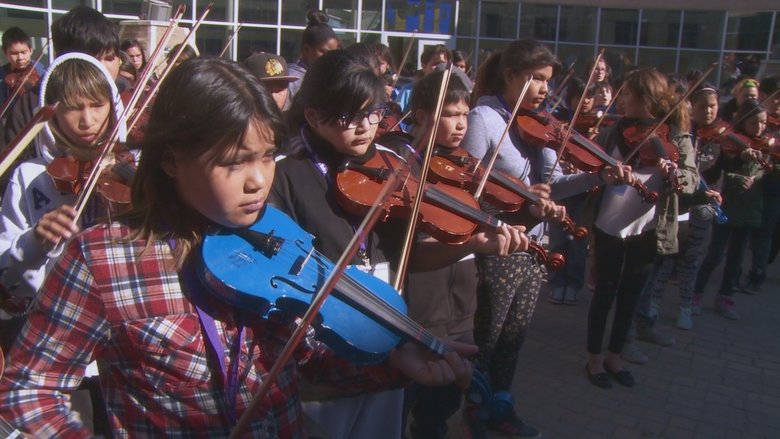
Legendary documentary filmmaker Alanis Obomsawin provides a glimpse of what action-driven decolonization looks like in Norway House, one of Manitoba's largest First Nation communities.
Here is a graphic picture of the tobacco harvest in southwestern Ontario. At the end of July, transient field workers move in for a brief bonanza when the plant is ripe. The tobacco harvesters call it "the back-breaking leaf."
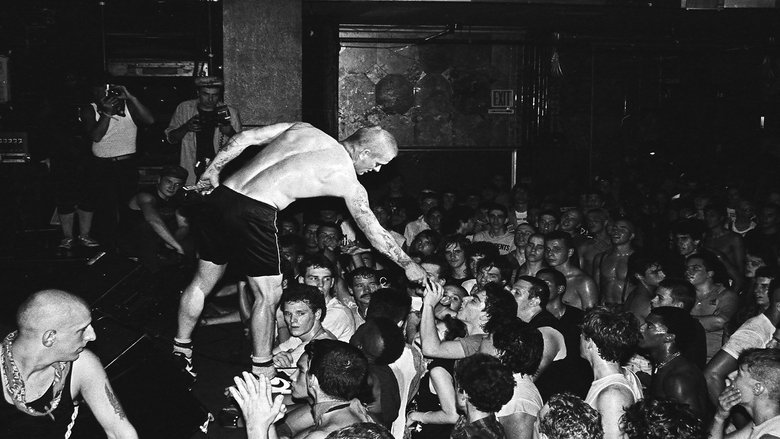
Inspired by Steven Blush's book "American Hardcore: A tribal history" Paul Rachman's feature documentary debut is a chronicle of the underground hardcore punk years from 1979 to 1986. Interviews and rare live footage from artists such as Black Flag, Bad Brains, Minor Threat, SS Decontrol and the Dead Kennedys.
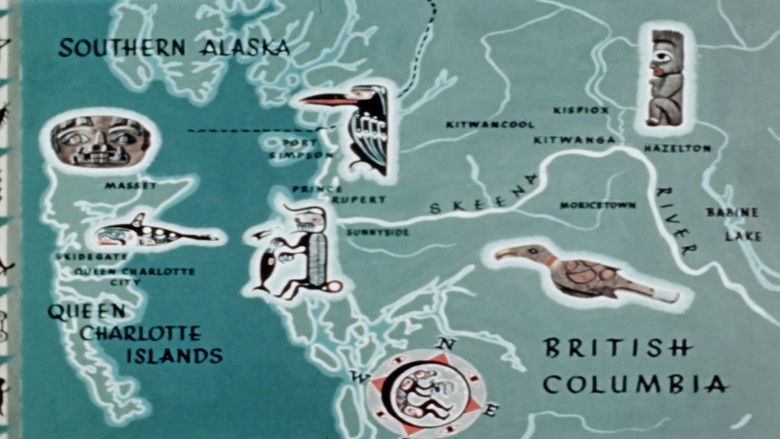
For Indigenous peoples the totem pole is the symbol of life, portraying the relationship between humans and animals. Fitting into the landscape of British Columbia, these monuments, witnesses to an ancient and powerful culture, look down at us. The group "Indians of British Columbia" singing group provide a powerful soundtrack as Haida and Tsimshian people talk about poles in their communities.

Nose and Tina are a couple in love. The film captures the domestic details of their life together and documents their hassles with work, money and the law. The unusual bit: He is employed as a brakeman, and she as a sex worker.
CREE CODE TALKER reveals the role of Canadian Cree code talker Charles 'Checker' Tomkins during the Second World War. Digging deep into the US archives it depicts the true story of Charles' involvement with the US Air Force and the development of the code talkers communication system, which was used to transmit crucial military communications, using the Cree language as a vital secret weapon in combat.
On the Kainai (Blood) First Nations Reserve, near Cardston, Alberta, a hopeful new development in Indigenous enterprise. Once rulers of the western plains, the Bloods live on a 1 300-square-kilometer reserve. Many have lacked gainful employment and now pin their hopes on a pre-fab factory they have built. Will the production line and work and wages fit into their cultural pattern of life? The film shows how it is working and what the owners themselves say about their venture.
Filmed on location in Saskatchewan from the Qu'Appelle Valley to Hudson Bay, the documentary traces the filmmaker's quest for her Native foremothers in spite of the reluctance to speak about Native roots on the part of her relatives. The film articulates Métis women's experience with racism in both current and historical context, and examines the forces that pushed them into the shadows.
The documentary proposes a unique meeting with the speakers of several indigenous and inuit languages of Quebec – all threatened with extinction. The film starts with the discovery of these unsung tongues through listening to the daily life of those who still speak them today. Buttressed by an exploration and creation of archives, the film allows us to better understand the musicality of these languages and reveals the cultural and human importance of these venerable oral traditions by nourishing a collective reflection on the consequences of their disappearance.
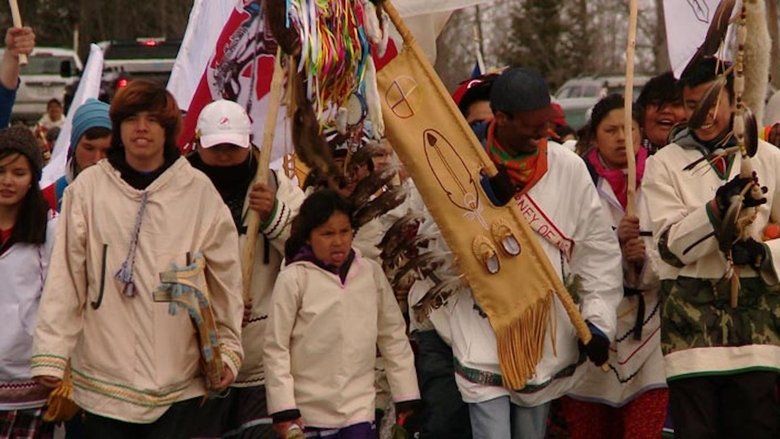
Legendary Canadian documentarian Alanis Obomsawin digs into the tangled history of Treaty 9 — the infamous 1905 agreement wherein First Nations communities relinquished sovereignty over their traditional territories — to reveal the deceptions and distortions which the document has been subjected to by successive governments seeking to deprive Canada’s First Peoples of their lands.
This documentary follows two Mohawk girls on their journey to become Mohawk women. Friends since childhood, Kaienkwinehtha and Kasennakohe are members of the traditional community of Akwesasne on the U.S./Canada border. Together, they undertake a four-year rite of passage for adolescents, called Oheró:kon, or "under the husk." The ceremony had been nearly extinct, a casualty of colonialism and intergenerational trauma; revived in the past decade by two traditional leaders, it has since flourished. Filmmaker Katsitsionni Fox has served as a mentor, or "auntie," to many youth going through the passage rites.
Atikamekw elder Cézar Néwashish continues to recount the history of the community of Manawan that first began in The History of Manawan: Part One. As Christianity and European customs take deeper root in the community – abetted by residential schools and aggressive assimilationist government policies – seemingly irreversible changes to significant customs begin to unfold. Despite these struggles, the people carry on. This short is part of the Manawan series directed by Alanis Obomsawin.
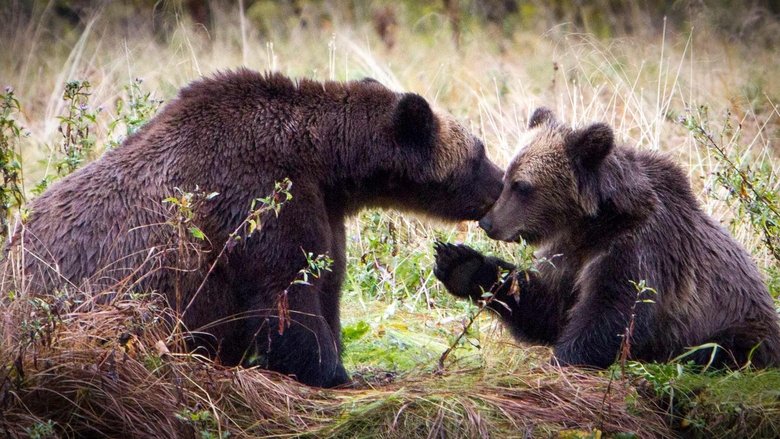
First Nations fight to end grizzly bear trophy hunting in the Great Bear Rainforest in British Columbia. The Heiltsuk, Kitasoo Xai'xais and Gitga'at First Nations enforce a ban by using Coastal Guardian Watchmen, while the Raincoast Conservation Foundation purchases trophy hunting licenses in the area to prevent a hunt from taking place. The film offers unique access to Canada's First Nations and a breathtaking view of the majestic animals inhabiting the Great Bear Rainforest, including the elusive Spirit Bear.
Sensationalized in the media as a high profile catfishing case involving an NBA superstar and an aspiring model, Shelly Chartier was portrayed as a master manipulator who used social media as her weapon. Through the sensitive and intelligent lens of Indigenous directors Lisa Jackson and Shane Belcourt, the sensationalism is swept aside to reveal something much more compelling and complex - the story of a young woman caught in historical circumstances beyond her control and how she struggles to rebuild her life after incarceration.
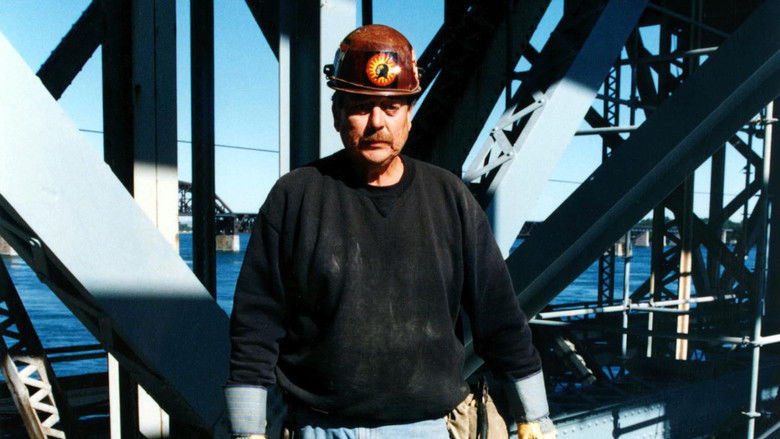
This documentary by acclaimed filmmaker Alanis Obomsawin introduces us to Randy Horne, a high steel worker from the Mohawk community of Kahnawake, near Montreal. As a defender of his people's culture and traditions, he was known as "Spudwrench" during the 1990 Oka crisis. Offering a unique look behind the barricades at one man's impassioned defence of sacred territory, the film is both a portrait of Horne and the generations of daring Mohawk construction workers that have preceded him.
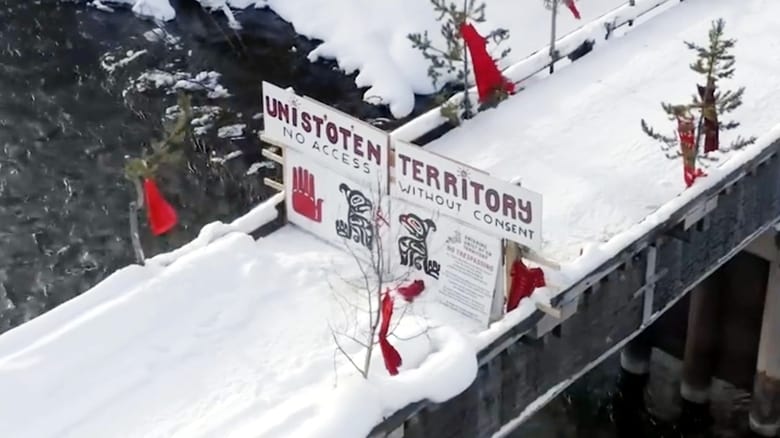
In this era of “reconciliation”, Indigenous land is still being taken at gunpoint. Unist’ot’en Camp, Gidimt’en checkpoint and the larger Wet’suwet’en Nation are standing up to the Canadian government and corporations who continue colonial violence against Indigenous people. The Unist’ot’en Camp has been a beacon of resistance for nearly 10 years. It is a healing space for Indigenous people and settlers alike, and an active example of decolonization. The violence, environmental destruction, and disregard for human rights following TC Energy (formerly TransCanada) / Coastal GasLink’s interim injunction has been devastating to bear, but this fight is far from over.
"Blockade" takes place in the mountains and valleys of northern British Columbia, at the heart of the boldest aboriginal land claims case to challenge the white history of Canada. The Gitksan and Wet'suwet'en hereditary chiefs claim that everything within 22,000 square miles, including the trees, is rightfully theirs.
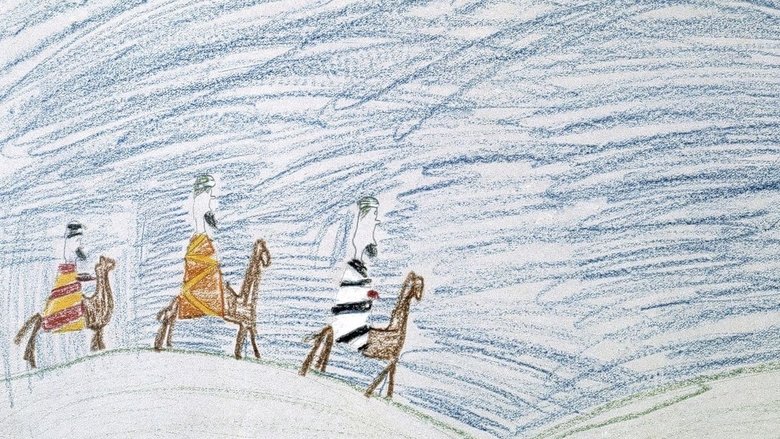
A study of life at Christmastime in Moose Factory, an old settlement mainly composed of Cree families on the shore of James Bay, composed entirely of children's crayon drawings and narrated by children.
Produced in 1967, this black and white film is an inmate's view of Daytop, a drug treatment centre on Staten Island, New York, where addicts learn to get along without drugs. Uncompromising, often brutal group therapy sessions are designed to shake loose the excuses a victim makes for himself. The people and situations shown are authentic; only one actor was employed. The results obtained at Daytop are regarded by some psychiatrists as a breakthrough.
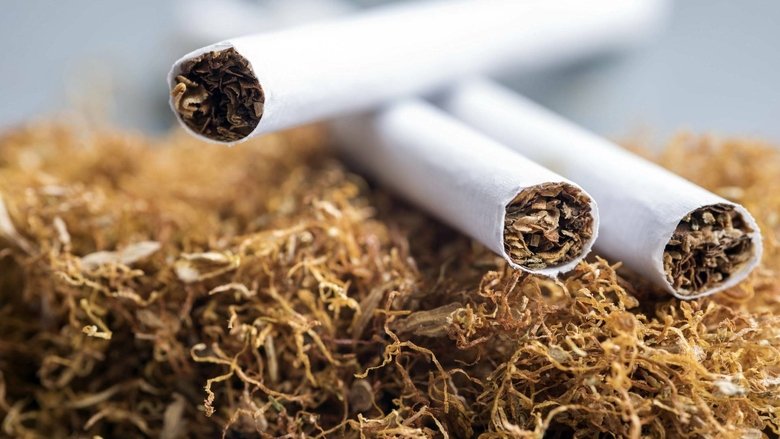
The number of smokers in Europe is declining, yet the tobacco industry is still making considerable profits. Electronic innovations such as e-cigarettes and tobacco heaters play a significant role in this. Both are said to be far less harmful than conventional cigarettes. But is the aromatic steam really not a danger to our health?