
GRIN - Rural Indigenous Guard (2016)
A Maxakali filmmaker brings out memories about the formation of the Indigenous Rural Guard (Grin) during the military dictatorship in Brazil, with reports of violence suffered by their relatives.
A Maxakali filmmaker brings out memories about the formation of the Indigenous Rural Guard (Grin) during the military dictatorship in Brazil, with reports of violence suffered by their relatives.
Isael MaxakaliHimselfSueli MaxakaliHerself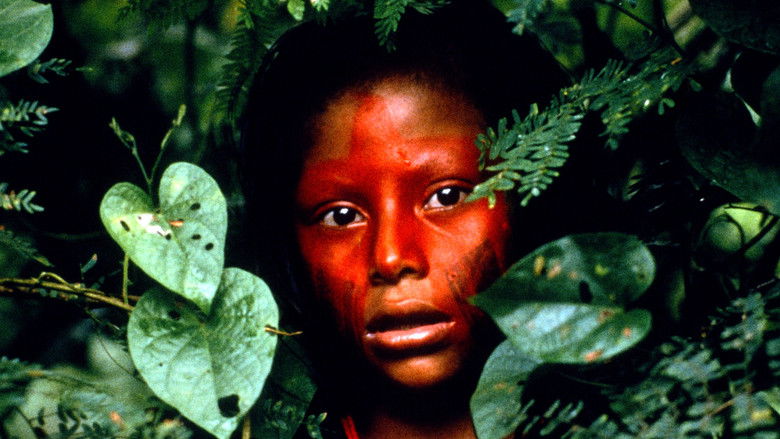
A paralysingly beautiful documentary with a global vision—an odyssey through landscape and time—that attempts to capture the essence of life.
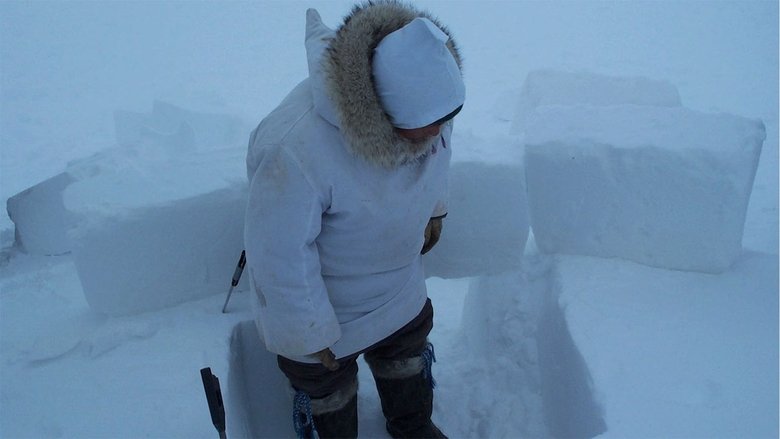
In this feature-length documentary, 8 Inuit teens with cameras offer a vibrant and contemporary view of life in Canada's North. They also use their newly acquired film skills to confront a broad range of issues, from the widening communication gap between youth and their elders to the loss of their peers to suicide. In Inuktitut with English subtitles.
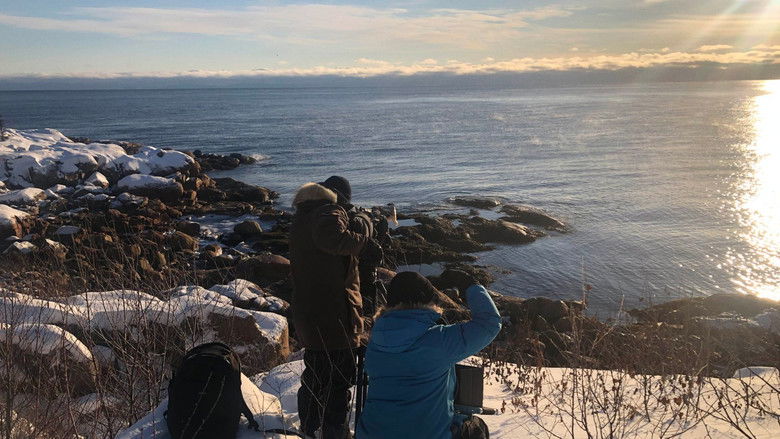
More than an attachment to our territory, the Innu live a filial relationship with Nitassinan, our ancestral homeland. For so many generations, the land has nourished, cared for and raised us. It has inspired our language, our culture, our lifeway and our vision of the world. Throughout the seasons, our ancestors criss-crossed the territory on foot, by canoe or on snowshoes. They knew every river, lake, or stream; every mountain, hill or bog; every camp, trail and portage path. Nomadism forged our people, and the film will record this journey and our history – past, present and future. And while it will attest to our vitality and resilience it is also – and above all – a tribute and a message of respect for the Earth.
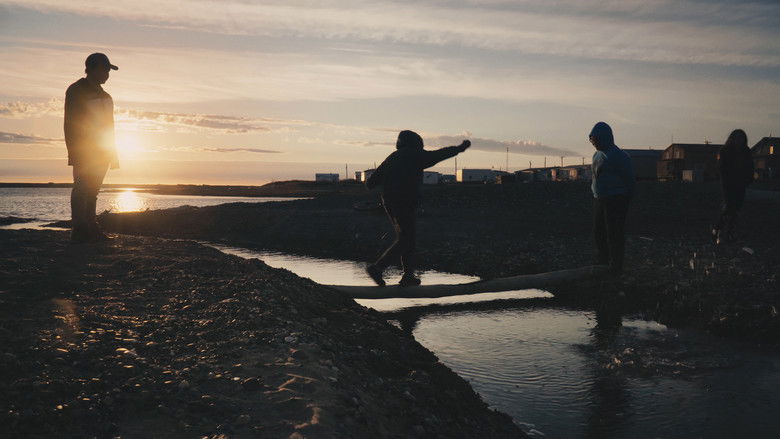
ARCTIC SUMMER is a poetic meditation on Tuktoyaktuk, an Indigenous community in the Arctic. The film captures Tuk during one of the last summers before climate change forced Tuk's coastal population to relocate to more habitable land.
The conflict over forestry operations on Lyell Island in 1985 was a major milestone in the history of the re-emergence of the Haida Nation. It was a turning point for the Haida and management of their natural resources.
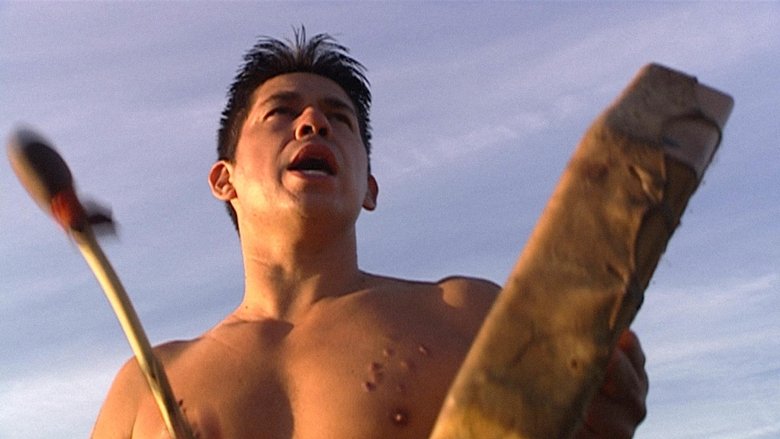
This feature-length documentary chronicles the Sundance ceremony brought to Eastern Canada by William Nevin of the Elsipogtog First Nation of the Mi'kmaq. Nevin learned from Elder Keith Chiefmoon of the Blackfoot Confederacy in Alberta. Under the July sky, participants in the Sundance ceremony go four days without food or water. Then they will pierce the flesh of their chests in an offering to the Creator. This event marks a transmission of culture and a link to the warrior traditions of the past.
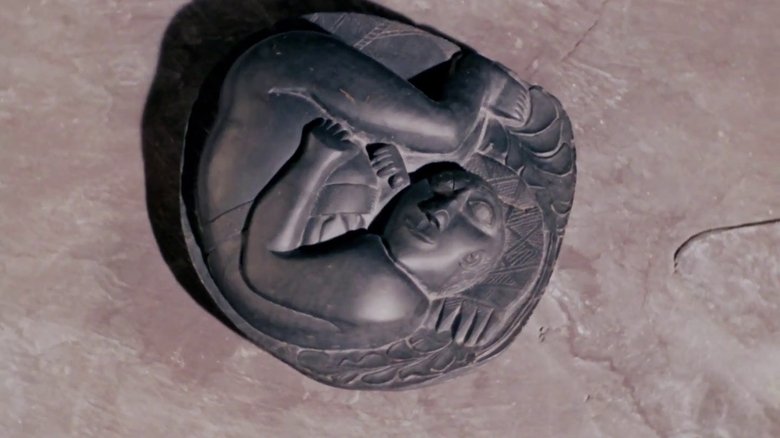
On Canada's Pacific coast this film finds a young Haida artist, Robert Davidson, shaping miniature totems from argillite, a jet-like stone. The film follows the artist to the island where he finds the stone, and then shows how he carves it in the manner of his grandfather, who taught him the craft.
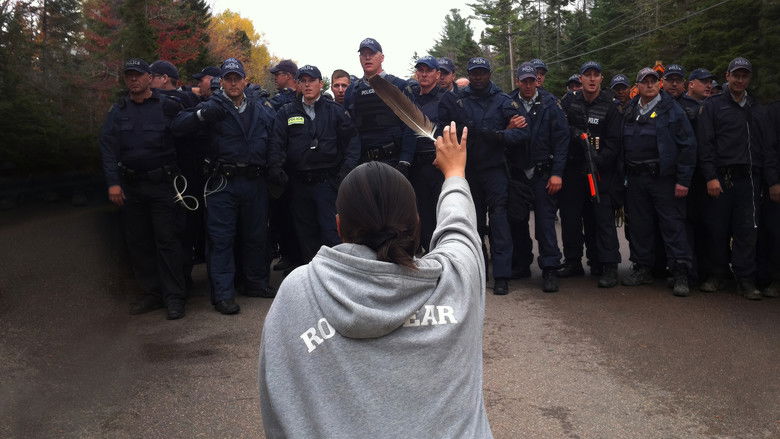
This short documentary revisits Mi’kmaq territory, where an iconic moment was captured in 2013—igniting into a symbol of Indigenous resistance and halting fracking exploration on unceded lands.
A documentary on the war between the Guatemalan military and the Mayan population, with first hand accounts by Nobel Peace Prize winner Rigoberta Menchú.
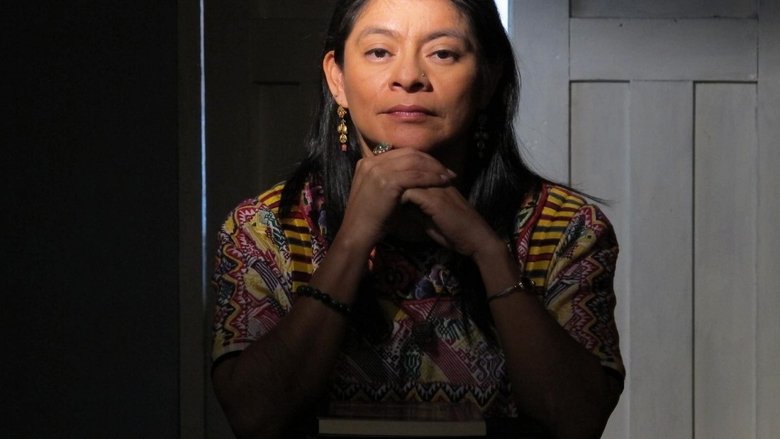
From a historic genocide trial to the overthrow of a president, the sweeping story of mounting resistance played out in Guatemala’s recent history is told through the actions and perspectives of the majority indigenous Mayan population, who now stand poised to reimagine their society.
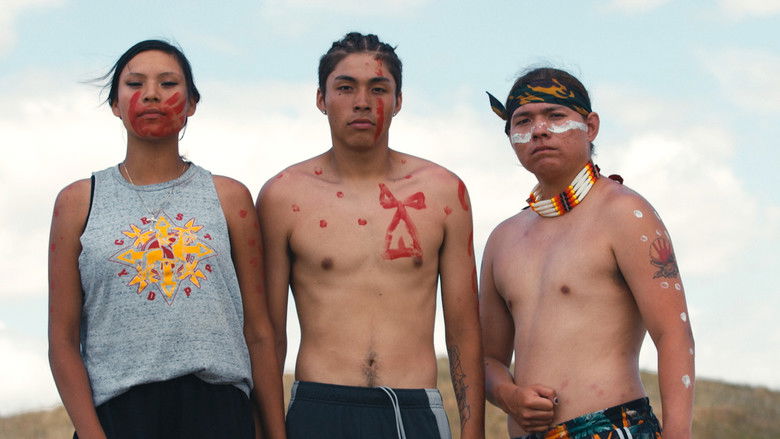
Poet Layli Long Soldier crafts a searing portrait of her Oyate’s connection to the Black Hills, through first contact and broken treaties to the promise of the Land Back movement, in this lyrical testament to resilience of a nation.
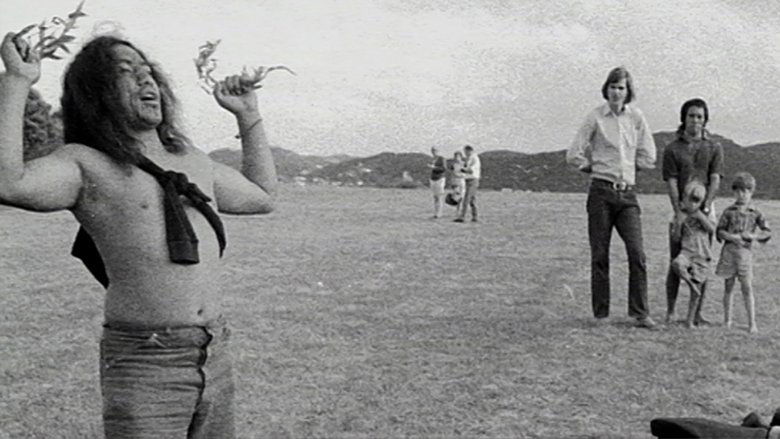
Actor Rawiri Paratene was 16 years old when he joined Māori activist group Ngā Tamatoa (Young Warriors) in the early 1970s. "Those years helped shape the rest of my life," says Paratene in this 2012 Māori TV documentary, directed by Kim Webby. The programme is richly woven with news archive from the 1970s, showing protests about land rights and the Treaty of Waitangi, and a campaign for te reo to be taught in schools. Several ex Ngā Tamatoa members — including Hone Harawira, Tame Iti and Larry Parr— are interviewed by Paratene, who also presents the documentary.
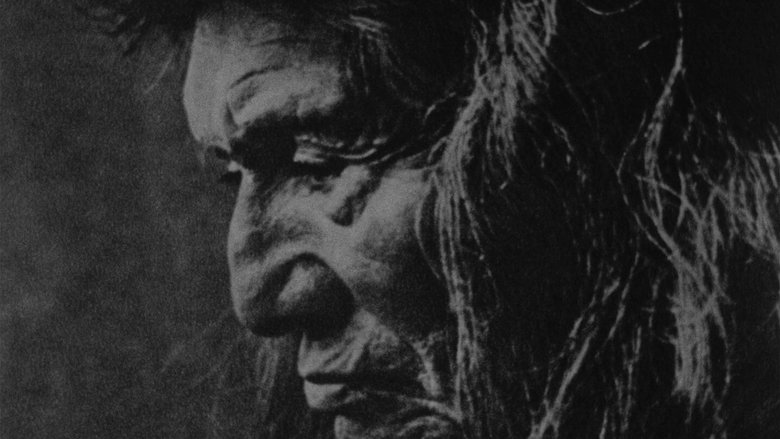
Still photographs and narration give an overview of the history of the American Indian.
In preparation for his first major retrospective at the Oklahoma Contemporary in 2025, Hock E Aye Vi Edgar Heap of Birds reveals thoughts, formal approaches, and philosophies toward various works, including the oral history details behind his new wall installation work, Family, that continues his practice of 'primary' and 'ghost' printing.
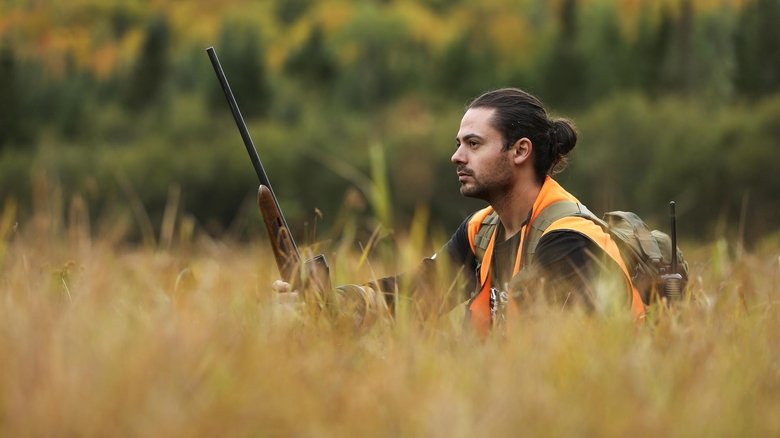
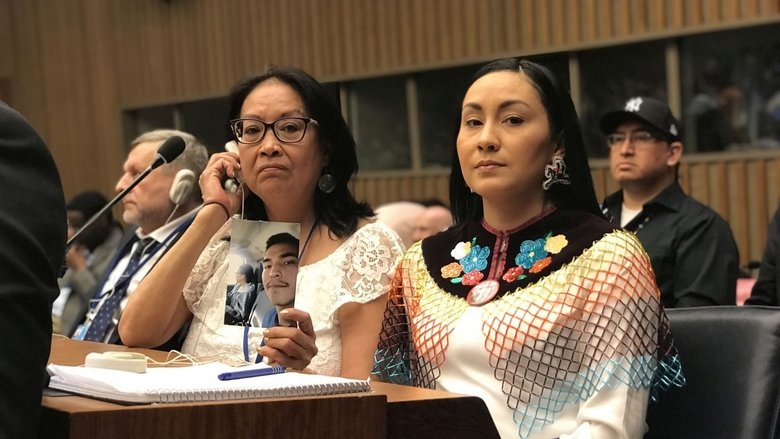
On August 9, 2016, a young Cree man named Colten Boushie died from a gunshot to the back of his head after entering Gerald Stanley's rural property with his friends. The jury's subsequent acquittal of Stanley captured international attention, raising questions about racism embedded within Canada's legal system and propelling Colten's family to national and international stages in their pursuit of justice. Sensitively directed by Tasha Hubbard, "nîpawistamâsowin: We Will Stand Up" weaves a profound narrative encompassing the filmmaker's own adoption, the stark history of colonialism on the Prairies, and a vision of a future where Indigenous children can live safely on their homelands.
INAATE/SE/ re-imagines an ancient Ojibway story, the Seven Fires Prophecy, which both predates and predicts first contact with Europeans. A kaleidoscopic experience blending documentary, narrative, and experimental forms, INAATE/SE/ transcends linear colonized history to explore how the prophecy resonates through the generations in their indigenous community within Michigan’s Upper Peninsula. With acute geographic specificity, and grand historical scope, the film fixes its lens between the sacred and the profane to pry open the construction of contemporary indigenous identity.
A moving portrait of actress Tantoo Cardinal, travelling through time and across the many roles she’s played, capturing her strength and her impact—and how she shattered the glass ceiling and survived.
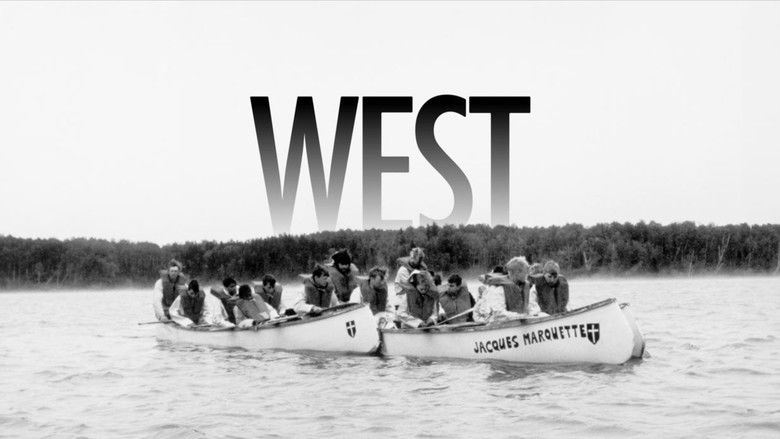
This documentary short is a cinematic recording of Tales from a Prairie Drifter, a stage comedy about the North-West Resistance during the opening of the Canadian West. Highlighting the roles of Louis Riel, the Resistance leader, prime minister Sir John A. Macdonald and General Middleton, who was sent to quell the uprising, the play defines the First nations and Métis cause more succinctly than many history books. Here, the play is performed by the Regina Globe Theatre before and Indigineous audience of First Nations and Métis, whose reactions are recorded.