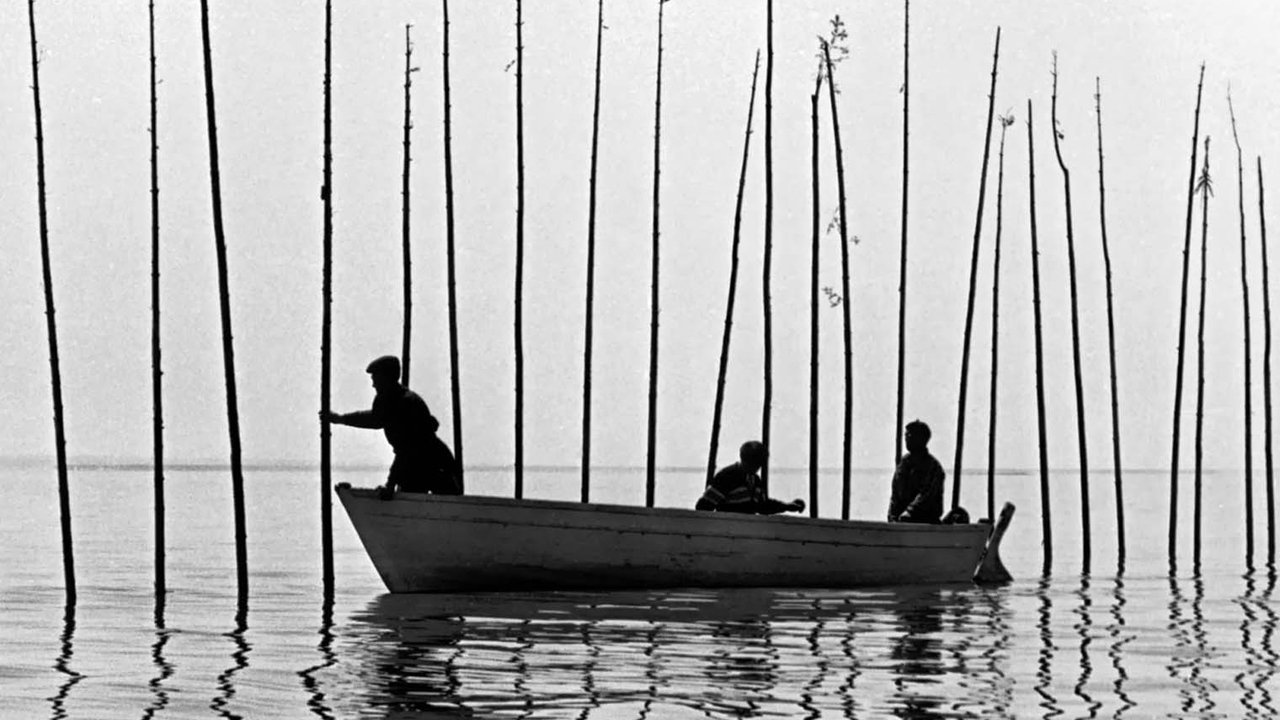
Of Whales, the Moon, and Men (1963)
At the instigation of the filmmakers, the young men of the Ile-aux-Coudres in the middle of the St-Lawrence River try as a memorial to their ancestors to revive the fishing of the belugas interrupted in 1924.
At the instigation of the filmmakers, the young men of the Ile-aux-Coudres in the middle of the St-Lawrence River try as a memorial to their ancestors to revive the fishing of the belugas interrupted in 1924.
 Léopold TremblayMerchant and President of the New Beluga Fishing Co.Alexis TremblayFarmer and PoliticianAbel HarveyCaptain and Fishing MasterLouis HarveyFarmer and Church CantorJoachim HarveyCaptain of the North IslandStanley JacksonNarratorMarie TremblaySelf (uncredited)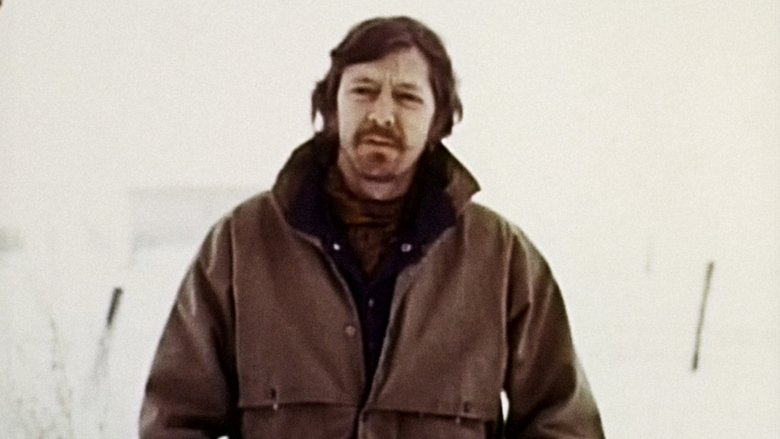
This feature-length documentary brings together six of the rare television interviews given by Gilles Groulx between 1966 and 1983. Through these interviews, the filmmaker's ethical and aesthetic concerns are revealed. A striking coherence emerges in his thinking regarding his conception of cinema and the role the filmmaker should play in his culture and society.
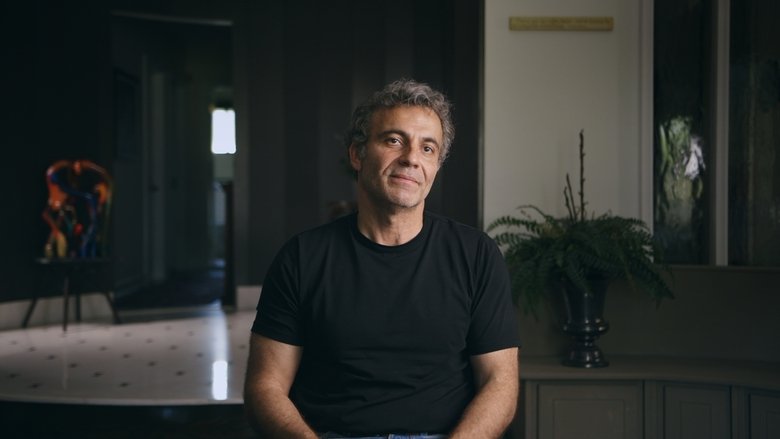
The new Longueuil police chief, Fady Dagher, is aware of the challenges he faces. Well positioned for the next five years, he intends to make great changes within this institution. This documentary is an intimate portrait of a man, a vision and an environment into which cameras do not often have access.
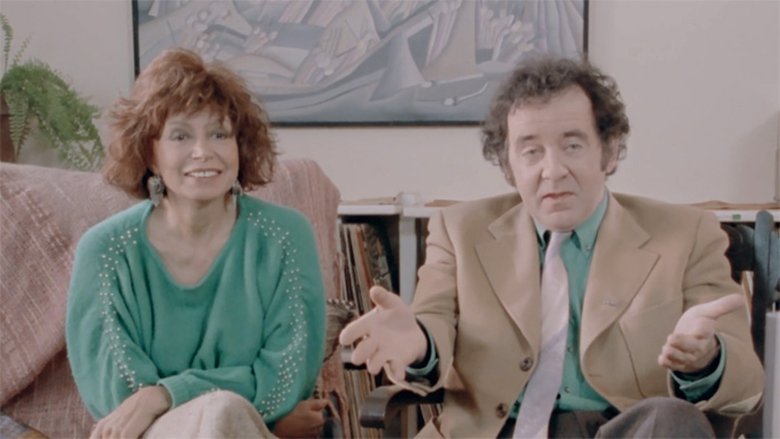
Produced in 1988, this feature documentary presents a living history of Quebec's last 40 years as seen through the eyes of one couple. Pauline Julien and Gérald Godin, two Quebec artists, share their perspectives on the events that have marked Quebec's evolution. Julien, a singer, and Godin, a poet, express their love and passion for the province (and each other) while providing a unique take on the Quebec nationalist movement.
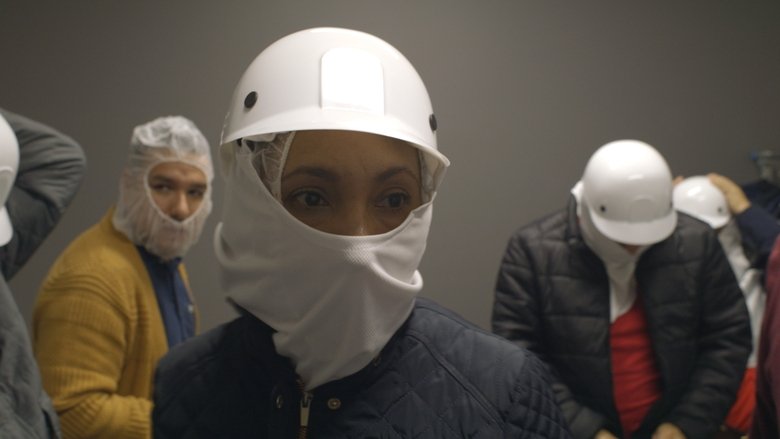
Co-directors Hubert Caron-Guay and Serge-Olivier Rondeau follow migrant workers through the steps in the hiring process of a community-based employment assistance organization. The filmmakers highlight the migrants’ difficult path by capturing conversations between the future employees and the recruiters. Through images shot on a body camera and a minimalist observational approach, the film exposes harsh and poignant realities. It draws parallels between the changing of the seasons and the cycle of the cattle industry that begins with animals being raised and cared for at a ranch and ends with them being sent to the abattoir grimly looming in the background. Ressources is a sobering and thought-provoking work that gives a voice to those who are at the heart of the food system that sustains this country.
Summer unveils a new blueberry season in northern Canada. The fields are covered in blue and workers from all over scramble before the frost puts an end to the harvest. And yet this time of year is much more than just picking: it's a time of music and connection.
This short film is a series of vignettes of life in Saint-Henri, a Montreal working-class district, on the first day of school. From dawn to midnight, we take in the neighbourhood’s pulse: a mother fussing over children, a father's enforced idleness, teenage boys clowning, young lovers dallying - the unposed quality of daily life.
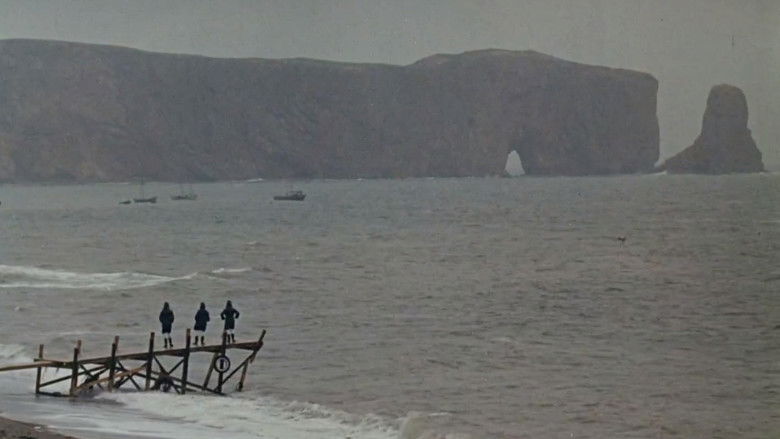
This quirky little short by Gilles Carle was filmed on the pierced rock that stands near Quebec’s Gaspé peninsula. It is perhaps the most photographed natural phenomenon on Canada’s East Coast. Shot in the 1960s, the film has a very psychedelic feel to it, with animation, special effects, and a trio of women to guide us through.
Through the eyes of a Quebec Jewish activist, Lea Roback, feminist, unionist, pacifist and communist, A VISION IN THE DARKNESS proposes a modernist vision of Quebec history, from the beginning of the twentieth century to the period knows as « La Grande Noirceur », the Great Darkness.
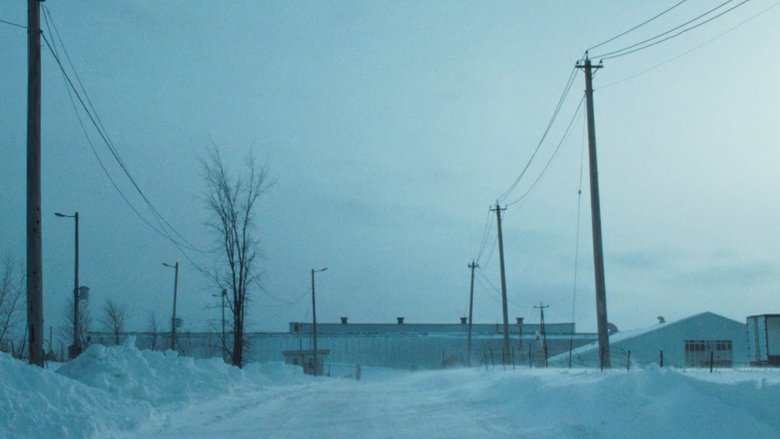
A cinematic and introspective look at the residents of a Quebec town—once the site of the world's largest asbestos mine—as they grapple with their community's industrial past. Striving to honour their heritage while reconciling with their history and forging a new path forward, the miners delve into the intricacies of progress and healing.
Two well-known Quebec artists (filmmaker Jacques Godbout and playwright René-Daniel Dubois) look at the Battle of the Plains of Abraham. Whose version of this historic event should prevail? Is history best served by documentary or fiction? We also meet Baron Georges Savarin de Marestan and Andrew Wolfe-Burroughs, direct descendants of Montcalm and Wolfe, both of whom died in the battle that would give birth to Canada and to the province of Quebec.
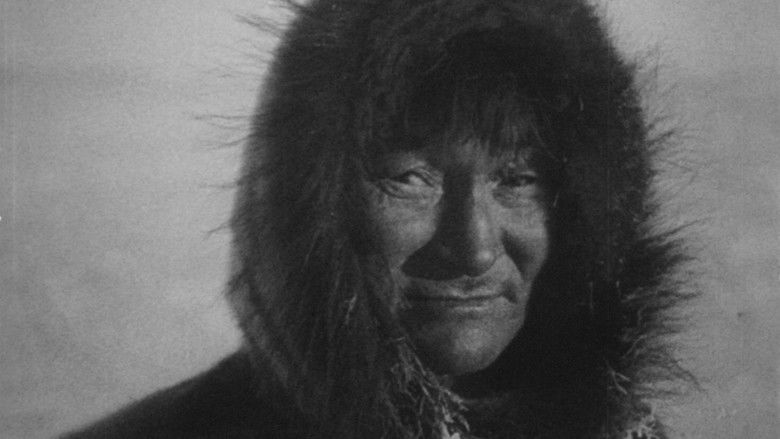
This pioneering documentary film depicts the lives of the indigenous Inuit people of Canada's northern Quebec region. Although the production contains some fictional elements, it vividly shows how its resourceful subjects survive in such a harsh climate, revealing how they construct their igloo homes and find food by hunting and fishing. The film also captures the beautiful, if unforgiving, frozen landscape of the Great White North, far removed from conventional civilization.
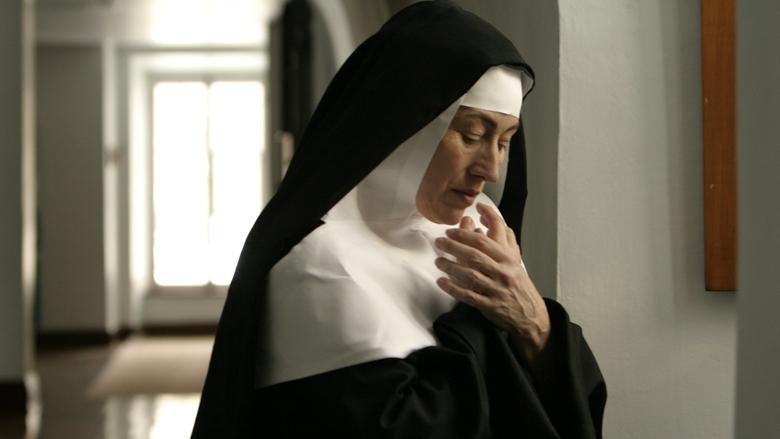
This feature-length film tells the story of the passion between Marie de l’Incarnation, a mid-seventeenth-century nun and God, her "divine spouse." Fusing documentary and acting by Marie Tifo, whom we follow as she rehearses for this demanding role, the film paints an astonishing portrait of this mystic who abandoned her son and left France to build a convent in Canada, where she became the first female writer in New France.
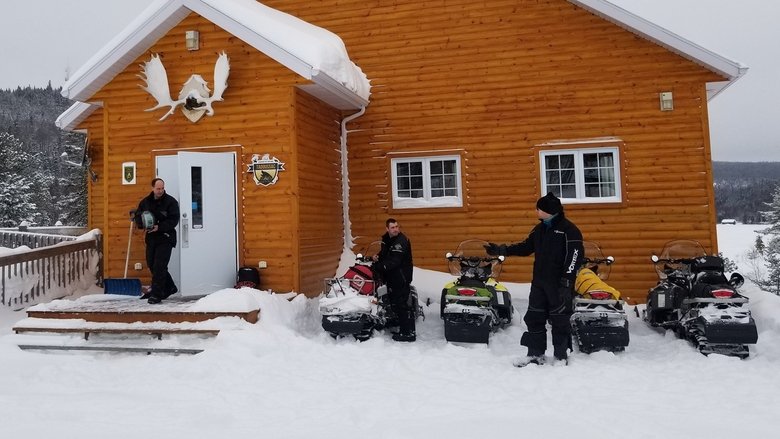
With its 33,000 kilometers of marked trails and its tens of thousands of kilometers of off-trail circuits, Québec is a snowmobile paradise. In this documentary, a dozen French tourists, accompanied by their flamboyant guide, live an incredible adventure in Quebec's wilderness.
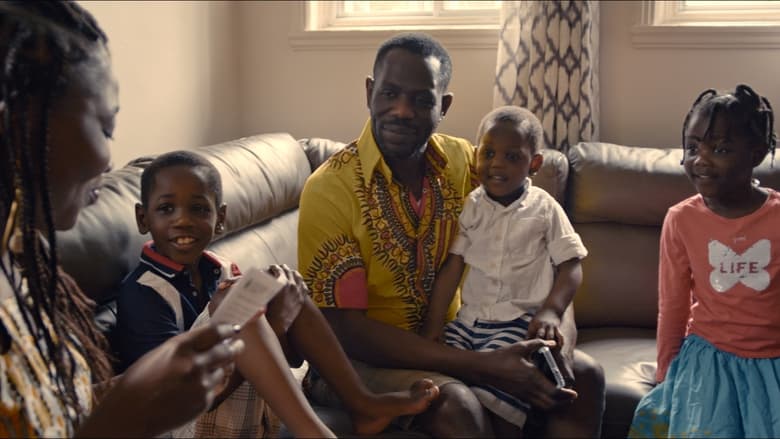
After crossing 11 countries irregularly to seek asylum in Canada, Peggy, Simon and their three children are waiting for the hearing that will determine whether they get refugee status or not. Having fled political repression in the Democratic Republic of the Congo, the family tries to rebuild a peaceful life in Montreal, in spite of the constant threat of deportation. Between ghosts from the past, hopes for the future, a complex legal maze and seemingly endless trial, the film delves into the struggle of the Nkunga Mbala family to remain in Canada. Offering unprecedented access to their hearing before the Immigration and Refugee Board, the film unveils the opaque process of claiming asylum in Canada.
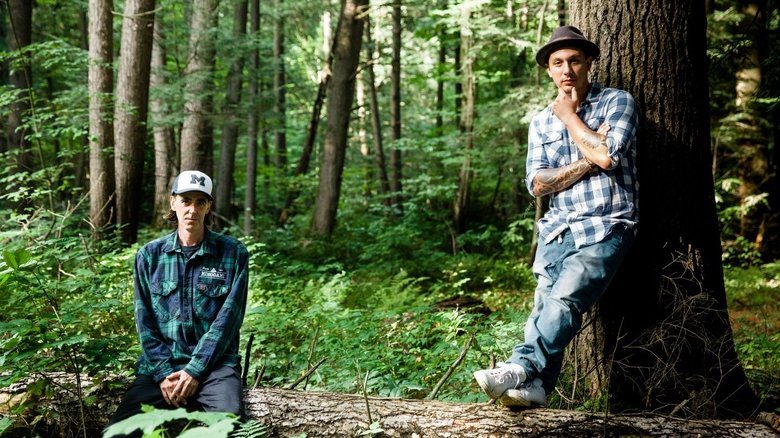
Thirty years after the Oka Crisis, a fragile peace remains in place between the Mohawks of Kanesatake and the other residents of the region. Rappers Biz and Samian do a double take on the history of this longstanding territorial conflict.
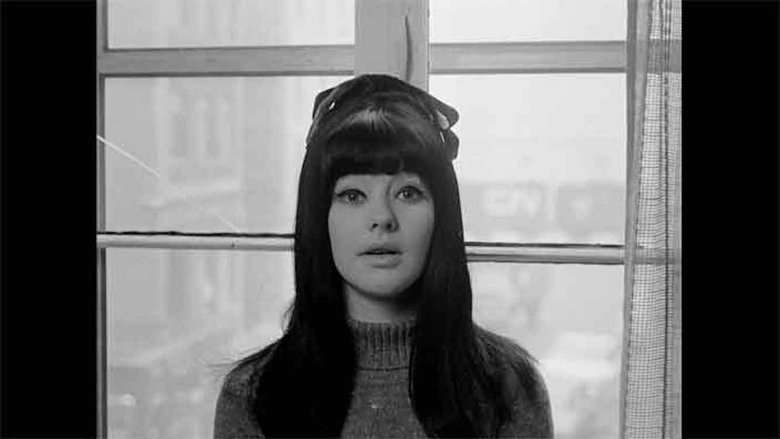
Quebec, on the cusp of the 1960s. The province is on the brink of momentous change. Deftly selecting clips from nearly 200 films from the National Film Board of Canada archives, director Luc Bourdon reinterprets the historical record, offering us a new and distinctive perspective on the Quiet Revolution.
In a quest to rediscover the spiritual values of his own people, an African filmmaker from the Gourmantche tribe of Burkina Faso visits an Aboriginal band, the Atikamekw of northern Quebec. The resulting documentary is a dialogue between those who divine the future in the sand with those who use snow-encased sweat lodges to reconnect with the spiritual world.