
Depot Asmara (2020)
A film that excavates layers of myth and memory, on an ancient Eritrean steam railway, to learn the elusive truth about Eritrea, its war-ridden history, and at the core of it all, a deep friendship that keeps it all going.
A film that excavates layers of myth and memory, on an ancient Eritrean steam railway, to learn the elusive truth about Eritrea, its war-ridden history, and at the core of it all, a deep friendship that keeps it all going.
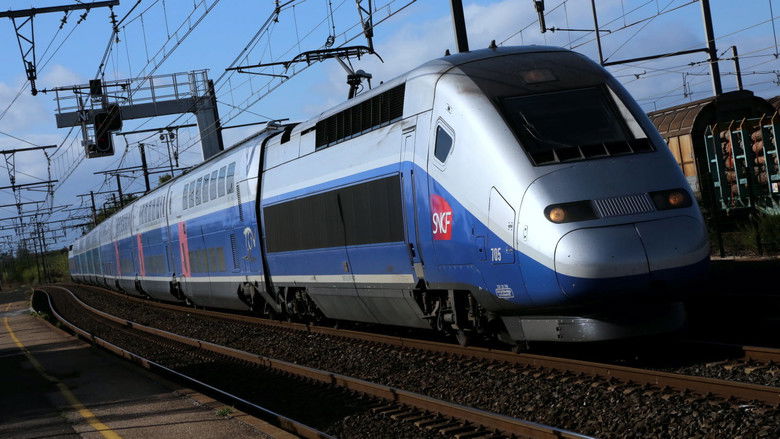
This Traveltalk series short celebrates San Francisco, past and present.
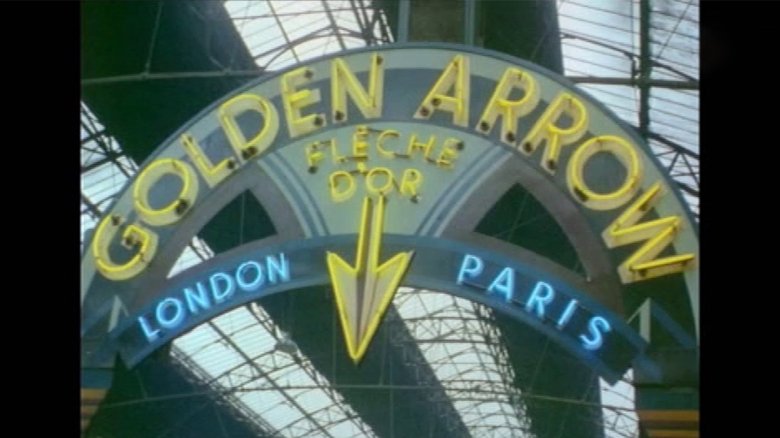
The British Railways modernisation programme of the 1960s radically changed the rail network, and the British Transport Films unit and the TV news were there to capture it. Compiled here is never before released colour footage of Southern steam at Waterloo (with Nine Elms depot), all the major London stations, The Blue Pullman and early diesels, The Golden Arrow and Night Ferry service, goods and mail, steam on the Metropolitan Railway and building the Victoria Line.

Biniam Girmay’s recent successes have shown that African cycling is on the up, ready at last to follow athletics and football into the big time. But why has it taken so long, and what’s needed to take it all the way? Set against the beauty and battles of the Tour du Rwanda, we explore the past, present and future of riders from Eritrea, South Africa, Rwanda and more, meeting Girmay and the rising stars hot on his heels, as well as the people passionate about giving these riders the opportunities they deserve. This is the story of the next great continent in cycling - Africa.
A hand-colored ride along the Bangor-Conwy-Colwyn Bay railroad filmed from an express train from the London and North Western Railway; Stations, vistas and a tunnel under the Conwy Castle (misspelled in the title) in North Wales.
After the last train at night and before the first in the morning, 800 people are hard at work behind the scenes making London's Underground fit to travel on. Including brushing dust from ventilation ducts, ‘fluffers’ cleaning up rubbish, routine rail replacement and fixing a broken rail discovered at 3.30am.
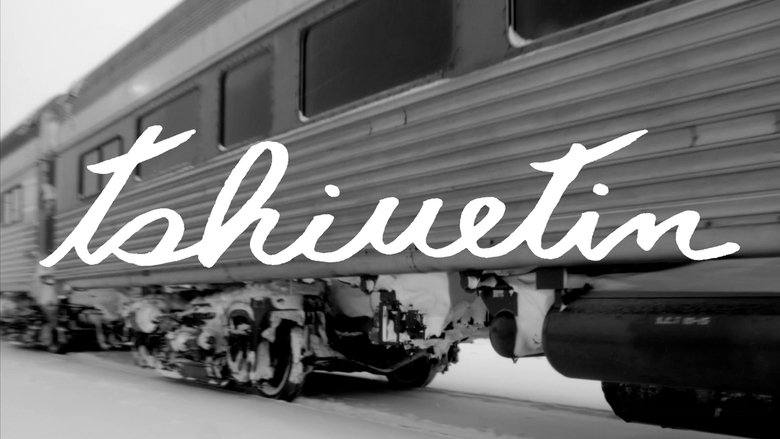
Take a breathtaking train a ride through Nothern Quebec and Labrador on Canada’s first First Nations-owned railway. Come for the celebration of the power of independence, the crucial importance of aboriginal owned businesses and stay for the beauty of the northern landscape.
Discover the "character" of one of Missouri's oldest tie and lumber operations through this archival black-and-white film that documents one of the last railroad tie drives on the Black River made by the T.J. Moss Tie Company of St. Louis in the 1920s. Thanks to release of the film by the Kerr-McGee Chemical Corporation, the rare footage in "Stamp of Character" takes us through the entire process of making railroad ties, at a time when forests covered almost two-thirds of the state. The original silent motion picture was shown in movie theaters as an advertisement by the T.J. Moss Tie Company. Using digitally edited narration and realistic sound effects, this video makes the past live again.
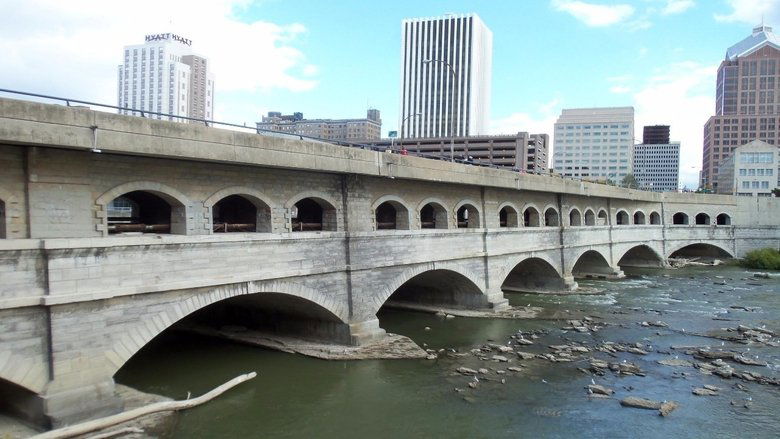
"The End of the Line - Rochester's Subway" tells the little-known story of the rail line that operated in a former section of the Erie Canal from 1927 until its abandonment in 1956. Produced in 1994 by filmmakers Fredrick Armstrong and James P. Harte, the forty-five minute documentary recounts the tale of an American city's bumpy ride through the Twentieth Century, from the perspective of a little engine that could, but didn't. The film has since been rereleased (2005) and now contains the main feature with special portions that were added as part of the rereleased version. These include a look at the only surviving subway car from the lines and a Phantom tun through the tunnels in their abandoned state, among others, for a total of 90 minutes of unique and well preserved historical information.
This 1996 documentary takes a nostalgic ride through history to present the experiences of Black sleeping-car porters who worked on Canada's railways from the early 1900s through the 1960s. There was a strong sense of pride among these men and they were well-respected by their community. Yet, harsh working conditions prevented them from being promoted to other railway jobs until finally, in 1955, porter Lee Williams took his fight to the union.
A short documentary about the work of railwaymen and life on the railway.
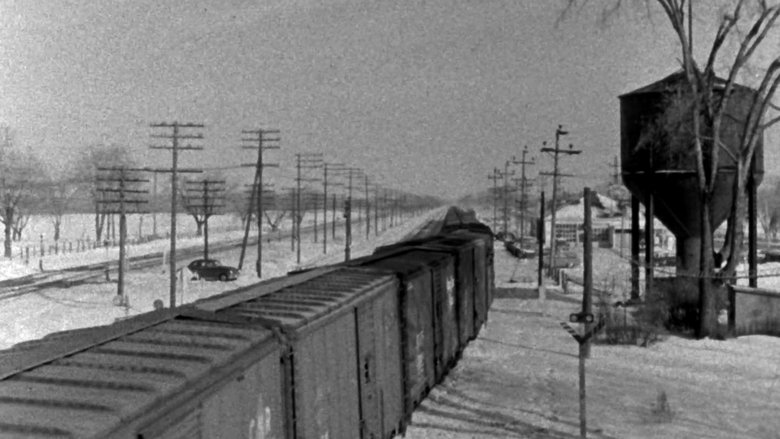
This short documentary offers a step-by-step account of a fast freight train on a run from Toronto to Halifax, with glimpses of the vast amount of organization necessary in the operation of a country-wide transportation network.
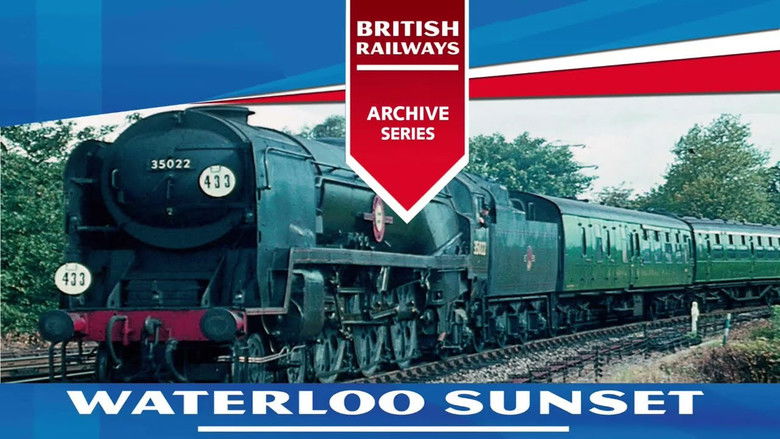
The Southern Region s last steam-worked main lines from Waterloo to Salisbury and Weymouth are recalled on this all-colour programme which features cine film made between 1958 and 1967 by John Laird, Brian Robbins and Geoff Todd. After an extended opening sequence at Waterloo and footage of Nine Elms shed, we follow the former London & South Western main line down to Basingstoke. We head west from Worthing Junction to Salisbury before resuming our journey south through Eastleigh to Southampton. There follows some delightful scenes filmed in the New Forest including steam workings on the branch to Lymington. This brings us to Bournemouth where we see the town s two stations and the splendid yellow trolley buses which used to link them. Before reaching the end of our travels at Weymouth there are some superb scenes of trains labouring up the bank out of the town and coverage of a Channel Islands Boat Train on the famous Weymouth Tramway filmed in 1958.
First transmitted in 1969, this documentary follows the construction of the world’s most advanced underground system. Macdonald Hastings narrates the story of one of the most complex tunnel engineering feats of its time. He reveals the isolation felt by the miners who spent six years burrowing deep beneath the streets of London, shows what they did beneath one of London's most famous department stores and explains why the ground at Tottenham Court Road had to be frozen during the hottest weeks of 1966. The result is a brave new world of transport with automated trains, two way mirrors, automatic fare collection and closed-circuit television, all choreographed by a computer programme played out by an updated version of a pianola located in a control room somewhere near Euston station.
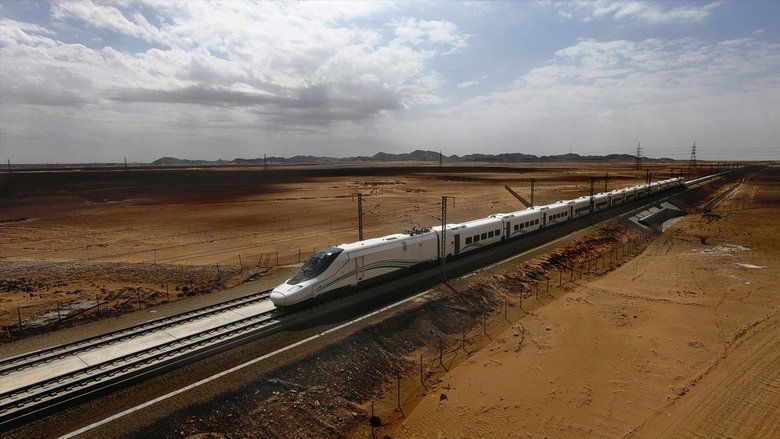
The pilgrimage to Mecca is one of the most important religious journeys for millions of people around the world. But how to get there? This documentary shows us how 12 companies met the immense challenge of running a high-speed train through Saudi Arabia's sandy rocky desert in temperatures of up to 50 degrees Celsius. A true marvel of engineering and cooperation, and together, overcoming obstacles.
Documentary filmmakers offer a fascinating look at one of the most spectacular engineering feats of the 19th Century as the story of the Transcontinental Railroad comes to life in a film that's sure to appeal to historians and railroad enthusiasts alike. As legions of tireless workers toiled for six years to realize the vision of shady entrepreneurs and imaginative engineers, the remarkable railway dream slowly became a reality. But not everyone was so pleased with the remarkable achievement. Despite the devastating effect that the tremendous transportation breakthrough would have on the Native American population, the lasting impact of the Transcontinental Railroad on the politics and culture of a rapidly expanding country would forever mark it as an invaluable component of the American success story.
In the summer of 2004, on a car journey in Eastern Europe, Pavla Fleischer met and fell in love with Eugene Hutz, lead singer of New York's Gypsy Punk band Gogol Bordello. Captivated by his energy and his musical verve, and desperate to get to know him better, she decided to make a film about him. The Pied Piper of Hutzovina follows Eugene and Pavla on their subsequent road trip through Eugene's home country, Ukraine. It is the story of two people traveling together on two very different courses. Her aim is to rediscover a forgotten romance; his is to rediscover his roots. She hopes to find love on the road; he hopes to find musical inspiration from the gypsy culture he is determined to preserve. This is an intimate portrait of a filmmaker with a passion for her subject, and a punk musician with a longing to revisit his past. Theirs is a journey which tests their relationship and challenges their perceptions of the music they both love