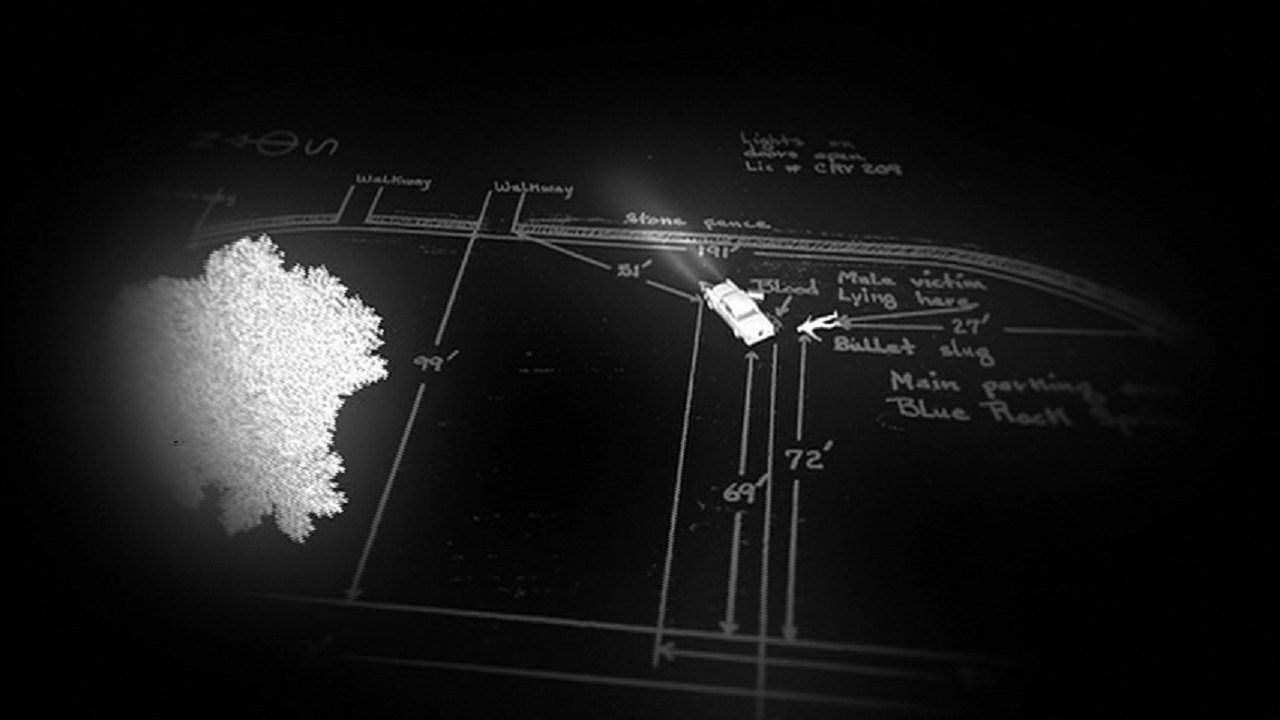
This Is the Zodiac Speaking (2008)
A documentary featuring interviews with the people involved with the Zodiac killings, covering every aspect of the investigation, including the original investigators and surviving victims.
A documentary featuring interviews with the people involved with the Zodiac killings, covering every aspect of the investigation, including the original investigators and surviving victims.
 George BawartHimself - Vallejo Police Dept (Ret)Pierre BidouHimself - Benicia Police Dept (Ret)Russell T. ButterbachHimself - Solano County Sheriff Department (Ret)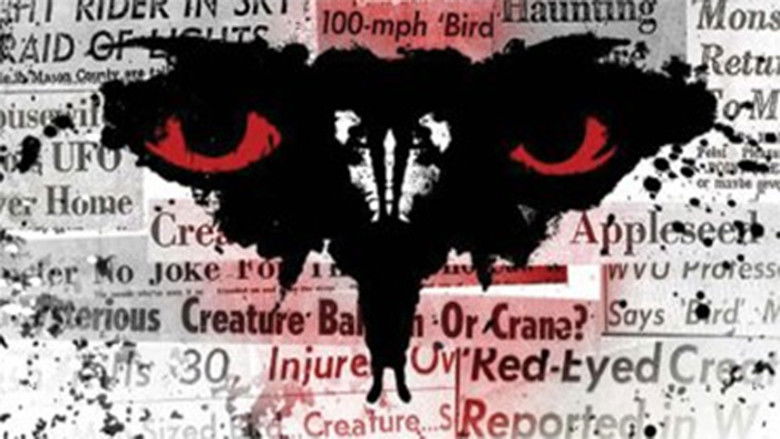
In 1966 West Virginia, four friends encounter a tall, winged creature in the woods surrounding an abandoned dynamite factory.
Workers Compensation, is the Worker's Con, a process flawed, buried in bureaucracy, adding insult to injury.
Documentary about the life of jazz and funk saxophonist, Maceo Parker
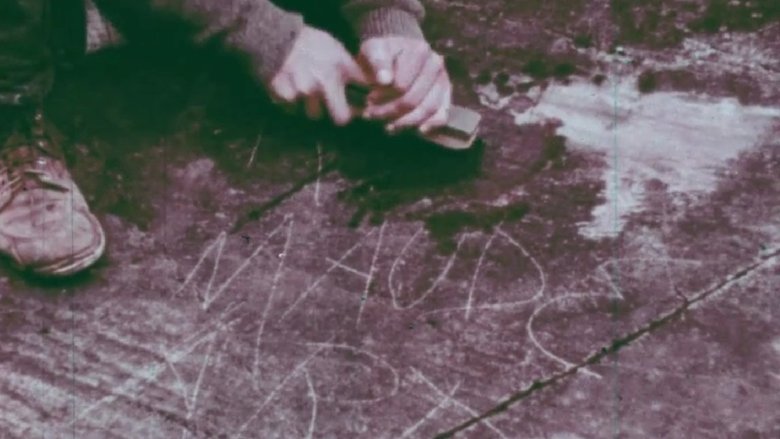
Produced by Alfred Higgins Productions with assistance from the University of Missouri-Columbia’s Academic Support Center Film Library, Keep America Beautiful, Inc., and Keep Los Angeles Beautiful, Inc., the 1963 short film A Land Betrayed examines the various ways people have spread the “cancer of ugliness” across America and offers call-to-action solutions to combat the nation-wide problem.

In Missing 411: The UFO Connection, David Paulides continues the story of people who vanish in the wild without a trace. In his third documentary, David reveals the first evidence documenting a link between UFOs and missing people.
Documentary about serial killer Ted Bundy. This documentary asks the question whether Bundy's obsession with pornography was the cause of his crimes.
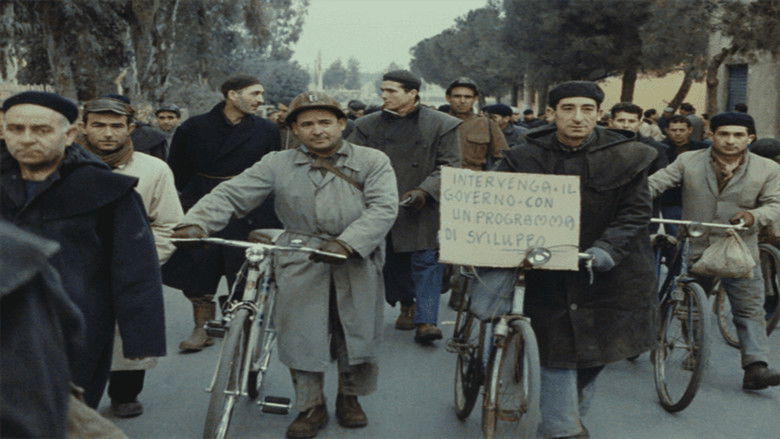
'L'ultimo pugno di terra' (The Last Fistful of Land) is a 1966 documentary film directed by Fiorenzo Serra about the anguish and instability of the lower classes in a destitute Sardinia. Originally commissioned by the Sardinian regional government as a celebratory piece on the 'miraculous' effects of the 'Piano di Rinascita della Sardegna' (Sardinia's Rebirth Plan), the film instead shows an island still 'standing still in time', barely affected by the painful oxymoron of the inevitable changes taking place.
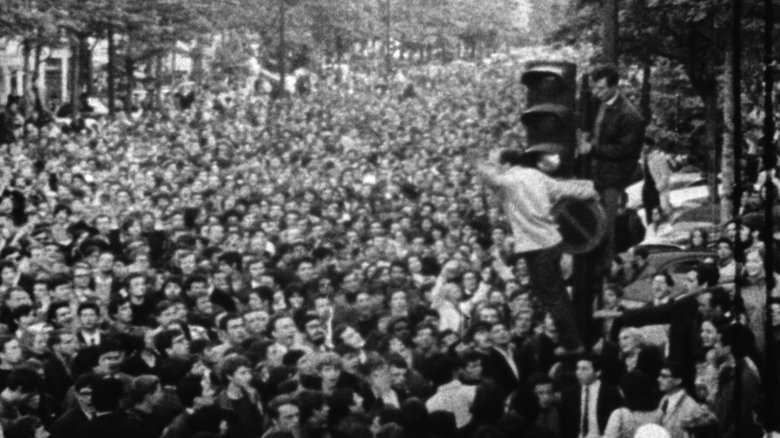
In May 1968, workers, students and young people rise up against the morality and power of the establishment. Faculties and factories are under occupation. Barricades are erected. Paving slabs are launched. Words give way to actions. This is the confrontation. These images bear witness to the men and women who, in their indignancy, march towards their revolution. 50 years ago, as part of our ARC collective, we filmed the uprising of May and June 1968. Out of this material and scenes borrowed from our other filmmaker friends, we created this film.
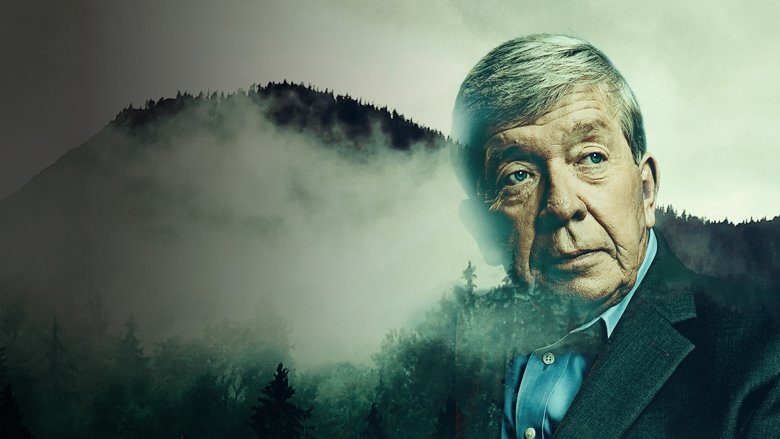
A man found stabbed and burned launches Lt. Joe Kenda on a manhunt. When the trail goes cold, Kenda connects the dots among a string of otherwise unrelated heartless murders leading him into his first and only search for a serial killer.
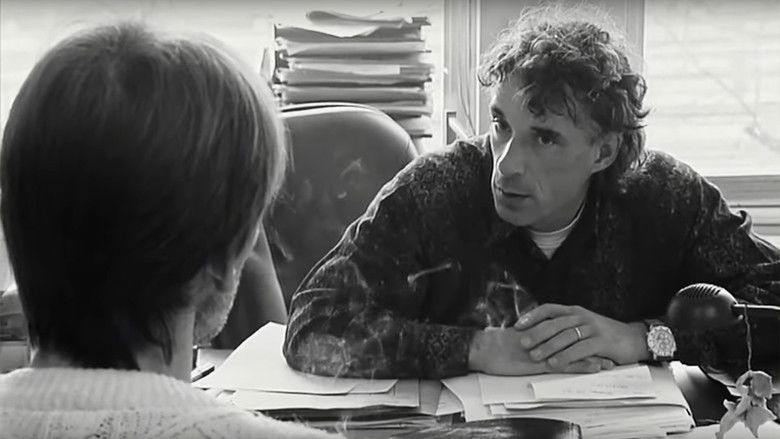
For several days, a team of police officers (backed by Judge Anne Gruwez, the revelation from their previous So Help Me God) sift through the evidence in a murder case that’s tougher than it appears. Jean Libon and Yves Hinant lead a police investigation unlike anything you’ve ever seen. With every banal turn of events, camaraderie and professionalism go hand in hand as humour meets tragedy and a handful of fries, a Tupperware container and St. Rita heighten the suspense. Hilariously scathing, yet filled with tenderness.
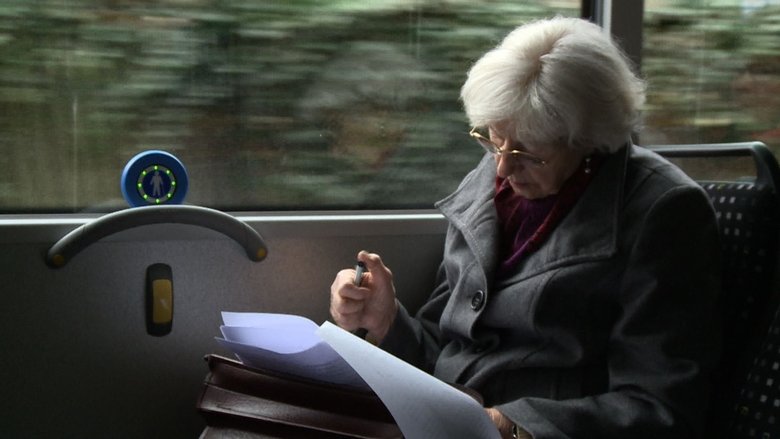
The film focuses on the exciting life journey of Swiss writer Katharina Zimmermann. She follows her husband on a mission to the jungle in Indonesia where she raises their four children and five foster children and lives through the military coup. Back in Switzerland Katharina discovers her voice and finds her path. Now, at eighty, she is writing her life story. Yet suddenly she faces another battle because her publisher is threatening to let her go.
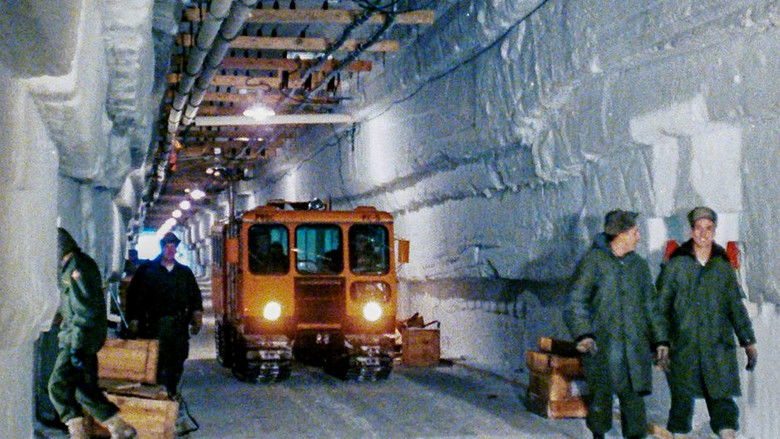
How in 1959, during the heat of the Cold War, the government of the United States decided to create a secret military base located in the far north of Greenland: Camp Century, almost a real town with roads and houses, a nuclear plant to provide power and silos to house missiles aimed at the Soviet Union.
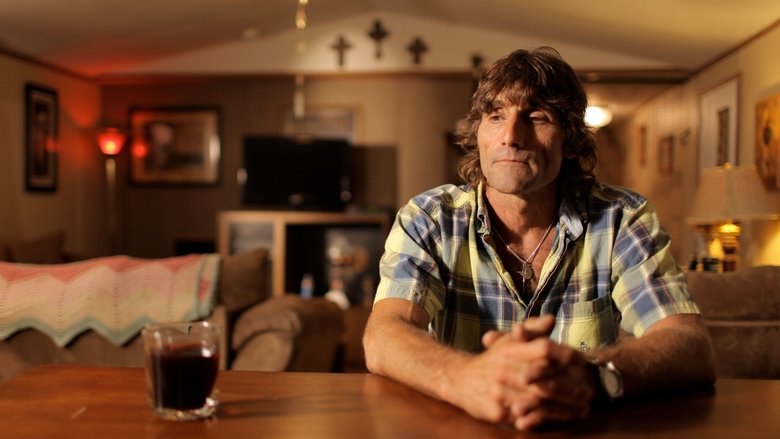
In 1994 a 13-year-old boy disappeared without a trace from his home in San Antonio, Texas. Three-and-a-half years later he is found alive thousands of miles away in a village in southern Spain with a horrifying story of kidnap and torture. His family is overjoyed to bring him home. But all is not quite as it seems.
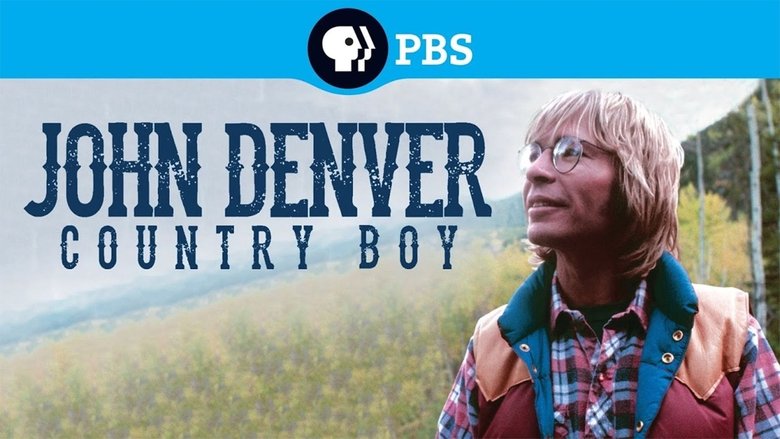
This BBC documentary chronicles the life of folk/soft-rock singer John Denver through his rise with The Chad Mitchell Trio and Peter, Paul and Mary, his subsequent stardom, his popularity decline, and his tragic death at age 53.
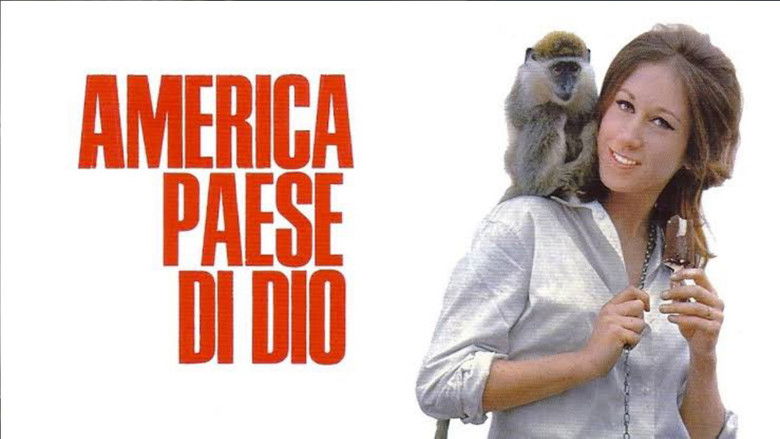
A Mondo documentary focused on the 1960's American lifestyle, consumerism, religion, adversity, and oddity. An outsider's look at a country afflicted by episodes of racism and neo -Nazism. Scenes of a Ghost Town, LSD in NYC, Sunset Strip Los Angeles California, Amish, Klu Klux Klan, African-American Fashion Show, etc.
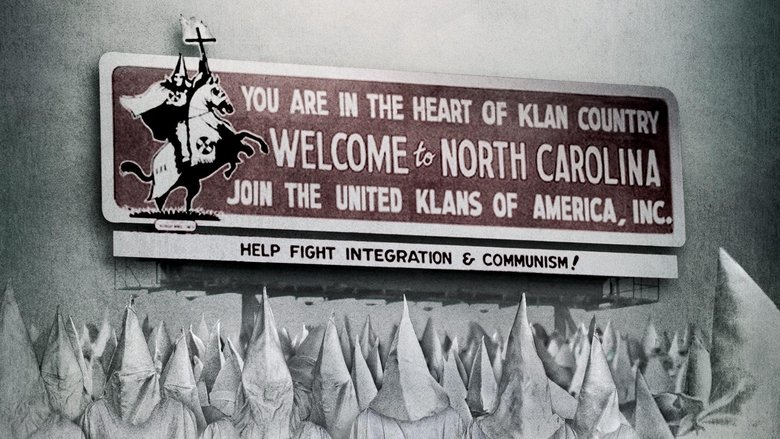
Investigates the reasons North Carolina, long seen as the most progressive state in the South, became home to the largest Klan organization in the country, with more members than all the other Southern states combined, during the 1960s.
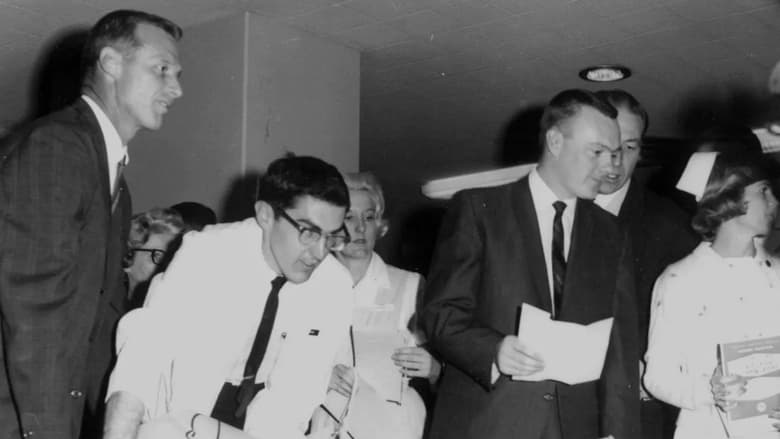
Unsettling medical details on the JFK assassination are disclosed by seven doctors who were in the ER during a futile effort to save his life in 1963.
A German documentary that explores the darker side of the Beach Boys, primarily focusing on Brian Wilson and the Pet Sounds album, with detours to the Manson Family.
Documentary about seminal garage-rock band, The Seeds, that uses vintage footage, rare photos, memorabilia and audio, plus fresh interviews with band members and associates as well as notable fans and observers, Pushin’ Too Hard relates the bizarre rage-to-riches-to-rags tale of the rock quartet who took Los Angeles by storm in the mid-60s.