
Top billed cast
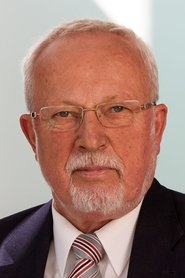 Lothar de Maizièrehimself
 Gregor Gysihimself
 Oskar Lafontainehimself
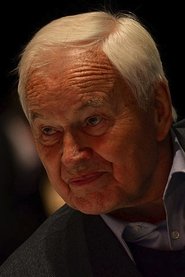 Hans Modrowhimself
- Frauke PoolmannNarrator
Similar to DDR - die entsorgte Republik
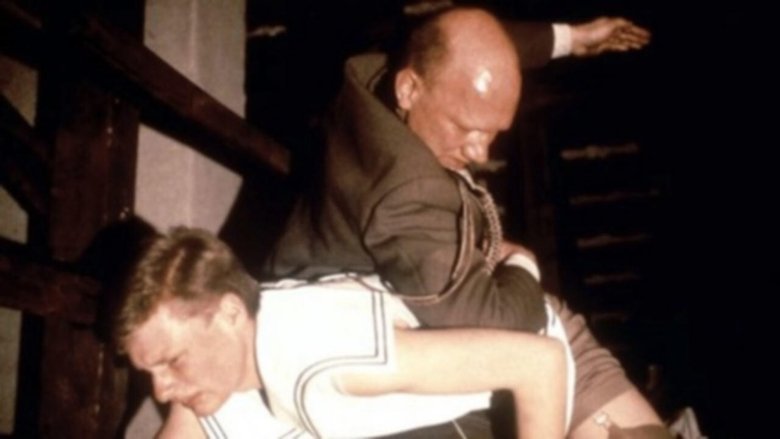
I Am My Own Woman (1992)
The life story of Charlotte von Mahlsdorf, who survived the Nazi reign as a trans woman and helped start the German gay liberation movement. Documentary with some dramatized scenes. Two actors play the young and middle aged Charlotte and she plays herself in the later years.

Stammheim - Zeit des Terrors (2025)
The Stammheim trial against the leadership of the first generation of the RAF was one of the most elaborate in the Federal Republic of Germany. Through this trial, Stammheim also became a place of identity for the RAF. The docudrama uses the perspective of Horst Bubeck, who as a prison officer in the cell wing had the most intensive contact with the prisoners, to shed new light on the history.
Alfred (1986)
Short biographical documentary about the life of Alfred Florstedt and his life as a progressive communist from the Weimar Republic to his death in 1985.
Wilhelm II. - Die letzten Tage des deutschen Kaiserreichs (2007)
Documentary about the end of the regency of Kaiser Wilhelm II., Germany's last emperor.
Heimatkunde (2008)
Former "Titanic" satire magazine editor Martin Sonneborn takes an undercover trip around Berlin and discovers the East-German mentality and what is left of the socialist German Democratic Republic.
Ich will da sein - Jenny Gröllmann (2008)
The film accompanies Jenny Gröllmann, a German actress, during the last two years of her life.
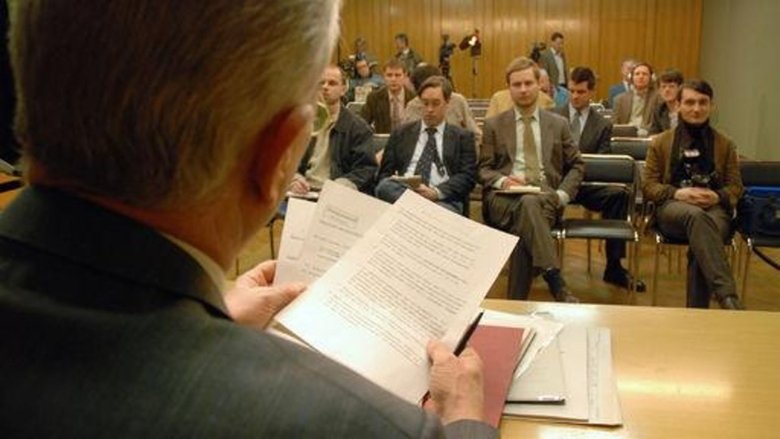

Our Children (1989)
From an official perspective, marginal youth culture did not exist in East Germany. The topic of subcultures was taboo in the GDR, and groups such as goths, skinheads, anti-skins, punks and neo-Nazis were dismissed as social deviations promoted by western countries. Director Roland Steiner had access to such young East Germans in the late 1980s. Over the course of four years, he brought them before the camera in an attempt to understand what drew them to these groups.
Lenin kam nur bis Lüdenscheid - Meine kleine deutsche Revolution (2008)
The free, almost naive view from the perspective of a child puts the "68ers" in a new, illuminating light in the anniversary year 2008. The film is a provocative reckoning with the ideological upbringing that seemed so progressive and yet was suffocated by the children's desire to finally grow up. With an ironic eye and a feuilletonistic style, author Richard David Precht and Cologne documentary film director André Schäfer trace a childhood in the West German provinces - and place the major events of those years in completely different, smaller and very private contexts.
The Red Elvis (2007)
A documentary on the late American entertainer Dean Reed, who became a huge star in East Germany after settling there in 1973.

That's How DEFA Sounded: Film Music from Babelsberg (2018)
When people think of DEFA, the film heritage of the GDR, they probably don't just think of film images, but also some of the timeless melodies that were created in Babelsberg.
A Hero's Death (2001)
It was the biggest escape in the history of the Berlin Wall: in one historic night of October 1964, 57 East-Berliners try their luck through a tunnel into West Berlin. Just before the last few reach the other side, the East German border guards notice the escape and open fire. Remarkably, all the refugees and their escape agents make it out of the tunnel unscathed, but one border guard is dead: 21-year-old officer Egon Schultz.
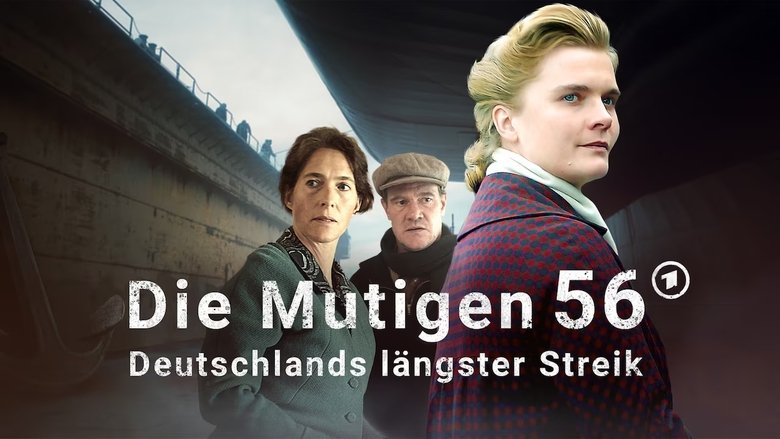
Die Mutigen 56 - Deutschlands längster Streik (2024)
Emma Freese is desperate when her husband Alfred falls ill at the Howaldtswerke in Kiel. How is the family supposed to get by without their wages? The war has scarred this generation, but now things are supposed to be looking up. The workers want their fair share and are fighting for an income that also gives them room to live. In October 1956, 34,000 metalworkers in the shipyards and factories of Schleswig-Holstein walk off the job to fight for justice and their dignity. This strike is still regarded as the toughest and longest in Germany. Employers and politicians stand in the strikers' way.
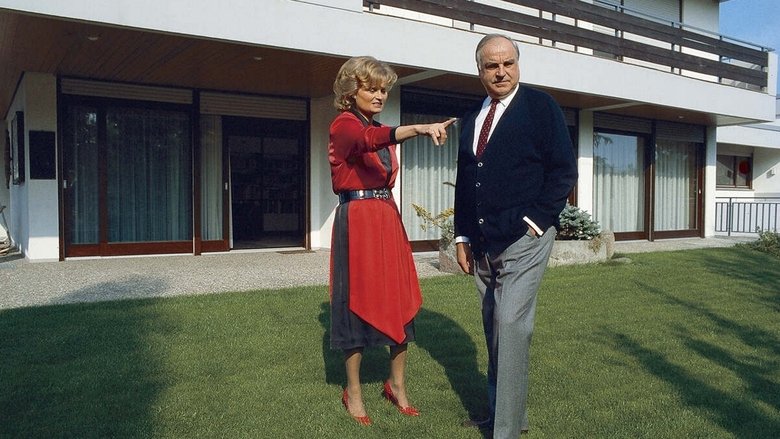
Hannelore Kohl - Die erste Frau (2020)
Hannelore Kohl was the brave political wife, the wife of the Eternal Chancellor. The reliable companion on his way to power. His campaigns were hers too. Last but not least, his success was based on her strength. Hannelore Kohl lived in her husband's iron power system. When she fell seriously ill, Hannelore Kohl retreated more and more from the light of the public to a life in the dark. Until she put an end to her life on July 5, 2001. The documentation chronologically traces the life of Hannelore Kohl using archive recordings from over half a century of German history.
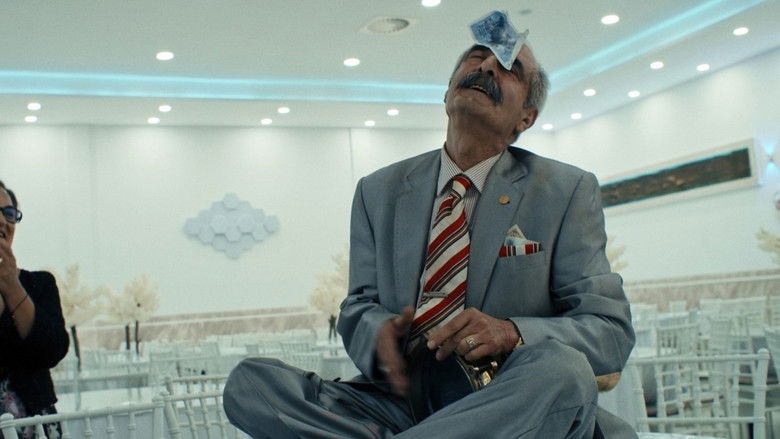
Love, Deutschmarks and Death (2022)
Cem Kaya’s dense documentary essay celebrates 60 years of Turkish music in Germany. An alternative post-war history that is at the same time a musical Who’s Who – from Yüksel Özkasap to Derdiyoklar and Muhabbet.
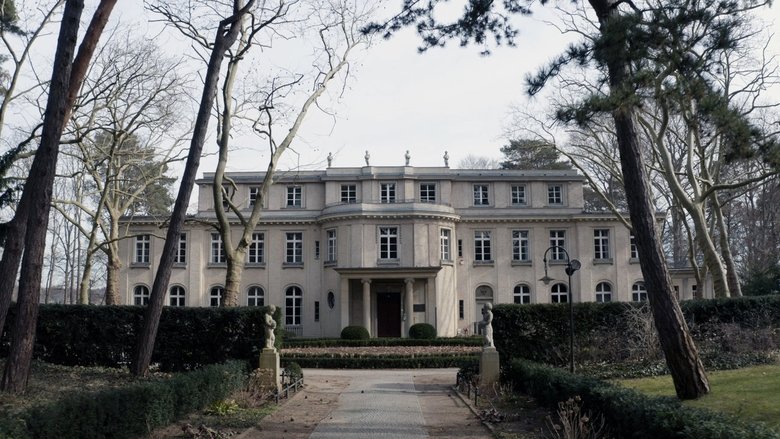
The Wannsee Conference: The Documentary (2022)
It was arguably the deadliest conference in human history. The topic: plans to murder 11 million Jews in Europe. The participants were not psychopaths, but educated men from the SS, police, administration and ministries. The invitation to the meeting at Wannsee came from Reinhard Heydrich, head of the Reich Security Main Office. The Wehrmacht's campaigns of conquest in Eastern Europe marked the beginning of the systematic murder of Jews in Poland and the Soviet Union. In mid-September 1941, Hitler made the decision to deport all Jews from Germany to the East. Although there had been transports before, Hitler's order represented a further escalation in the murderous decision-making process. Persecution and discrimination had been part of everyday life since 1933. But as a result, the living conditions for the Jews in the Third Reich became even more difficult, among them the Berlin Jew Margot Friedländer, born in 1921, and the Chotzen family.
Landauer: Gefeiert, verbannt, vergessen (2014)
Documentary about Kurt Landauer, the long-time Jewish president of FC Bayern München, who led the club to its first German championship, was persecuted and forced out of office by the Nazis, and rebuilt the club after the war.
Die Sekretäre (1999)
The film talks about the rise and fall of the two most influential protagonists in GDR-politics. In succession, over long stretches even together, Ulbricht and Honecker determined the course of the GDR, of course without ever getting out of being a satellite state to the big brother in Moscow. The film looks for the caesura and crucial points in the power game between Ulbricht and Honecker.
Last to Know (2006)
In the documentary Last To Know political prisoners, sent to jail for openly opposing the East German regime that existed until the German reunification in 1990, talk about their times of trial and their lives today. Neither they, nor their families have come to terms with what happened.