
Internal Reflections (2020)
Attempts to showcase how the creation of art directly correlates to the perception we have of ourselves and the life around us as shown through the eyes of a struggling family.
Attempts to showcase how the creation of art directly correlates to the perception we have of ourselves and the life around us as shown through the eyes of a struggling family.
Sergio SaraviaHimselfAdrian SaraviaHimselfFabian SaraviaHimselfJimena QuesadaHerselfAna María MatamorosHerselfJan SaraviaHimself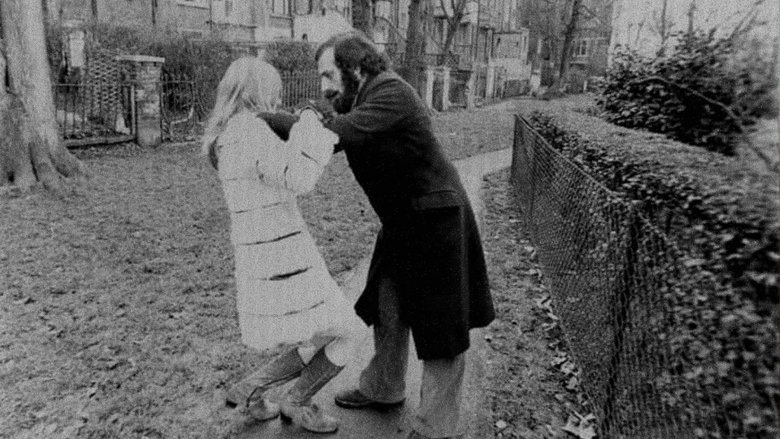
First film by Julio Bressane shot in exile, "Memoirs" is a film about a man who repeatedly kills the same type of woman in same places, the same way. Filmed on the streets of London.
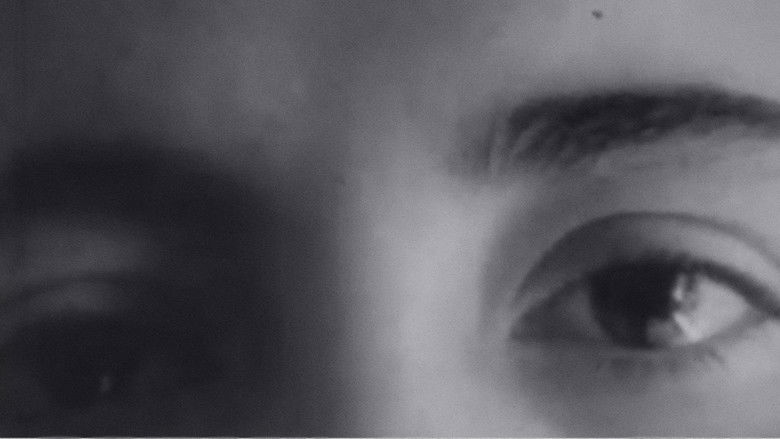
Bressane's second London film, shot in six days in his apartment. "I had seen the French avant-garde films of the 1920's and naturally the title cites Breton. But underneath it can also be read in many ways. It is a cinema that is invented on the spur of the moment, like you invent an instrument to play music and then abandon it. This film came out like an improvisation, a total risk. It is a deconstruction of meaning but not in the analytical, intellectual sense. I have always tried to lose myself with my films. There is no trace of American or French underground cinema. If anything, it is the idea of home movies, there were many ideas for digital films long before digital film existed. This film made itself, it was like a jazz improvisation. Amor Louco is a lost object, it doesn't speak any language, it has no signs, no letters, no captions. And in the scene where the cataract is cut with the razor blade, it was the adventure of the film itself that was put to the test".
Diwan, a lyric anthology, an outdoor movie with people. With people living in the surrounding precious and very beautifully photographed nature, are neither more nor less than one part of it. What Nekes manages there with landscape, as a cunning and quote many fine artist in a medium that runs in time, as he defeated the time changed, by themselves for change of scenery uses, as it interferes with the laws of chronology through the rewind ability of the camera or destroyed, which is a compelling and highly aesthetic experimental company.
An experimental movie based on a poem of the French writer and director Jean Cocteau about a servant who fantasises about killing the lady of the house.
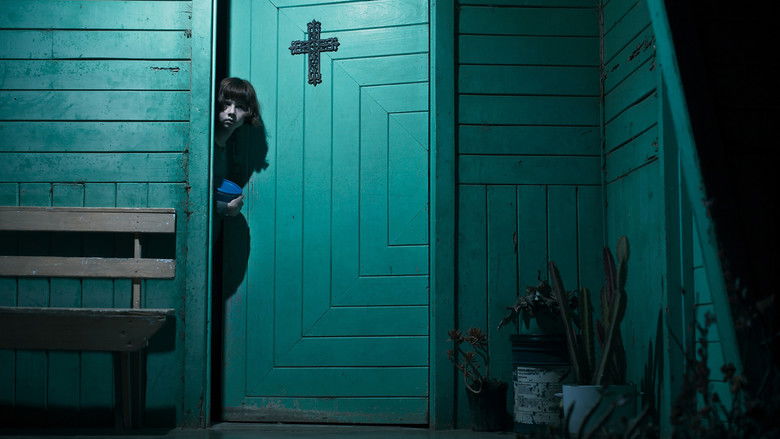
"Delirio" tells the story of Masha, an 11-year-old girl. Who suddenly moves along with her mother Elisa, to the house of her grandmother Dinia, who is beginning to lose her memory. The coexistence between these three women triggers a delusion around the presence of a man inside the house that nobody sees.
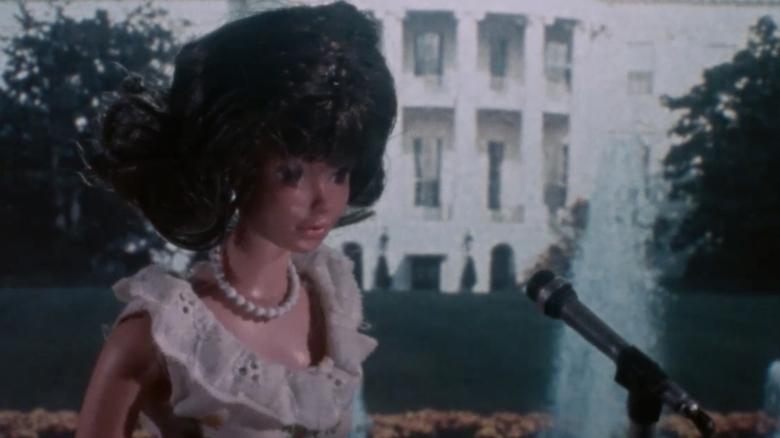
The final 17 years of American singer and musician Karen Carpenter, performed almost entirely by modified Barbie dolls.
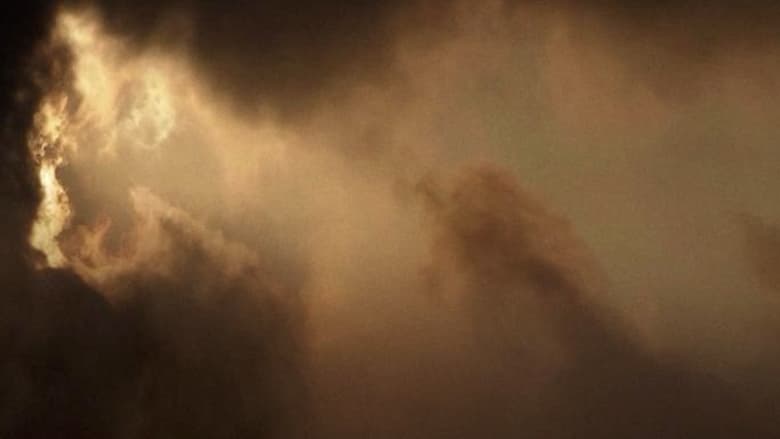
The shadows of screams climb beyond the hills. It has happened before. But this will be the last time. The last few sense it, withdrawing deep into the forest. They cry out into the black, as the shadows pass away, into the ground.
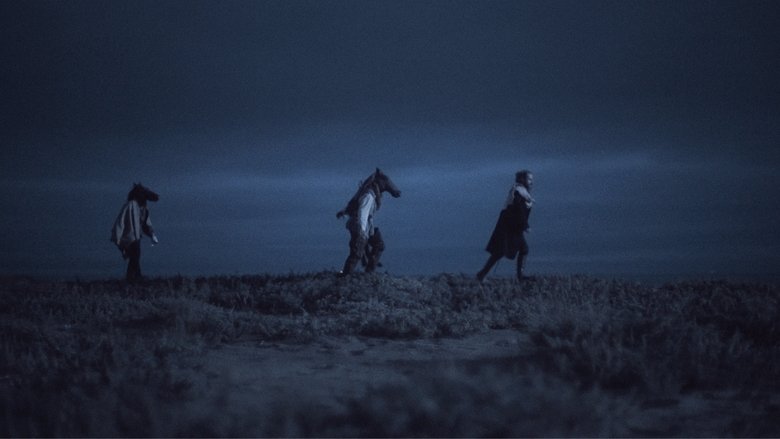
In the nineteenth century, a French adventurer sets off to establish a kingdom in the inhospitable South of Chile, uniting the feared Mapuche under him. The response of the Chilean army is devastating.
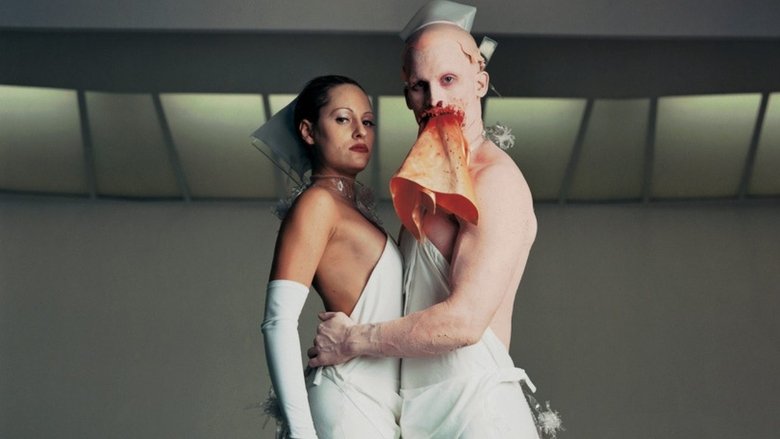
CREMASTER 3 (2002) is set in New York City and narrates the construction of the Chrysler Building, which is in itself a character - host to inner, antagonistic forces at play for access to the process of (spiritual) transcendence. These factions find form in the struggle between Hiram Abiff or the Architect ...
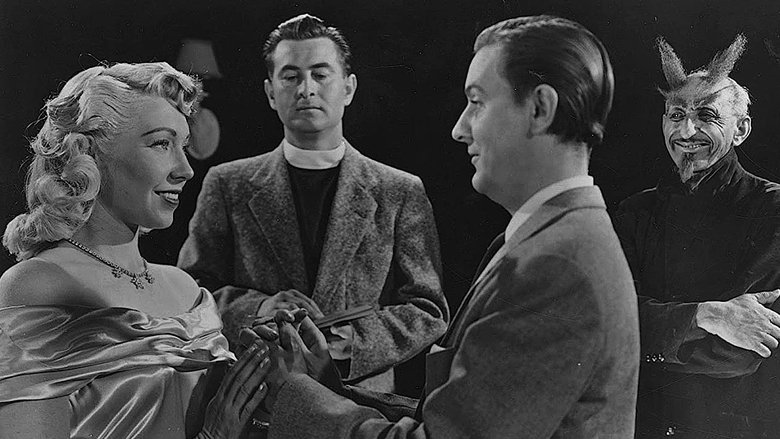
A psychiatrist tells two stories: one of a trans woman, the other of a pseudohermaphrodite.
A bereaved epileptic ditches her pills and follows a mysterious woman to the outskirts of her town, where she slips back into the fearsome yet ecstatic throes of the seizure.
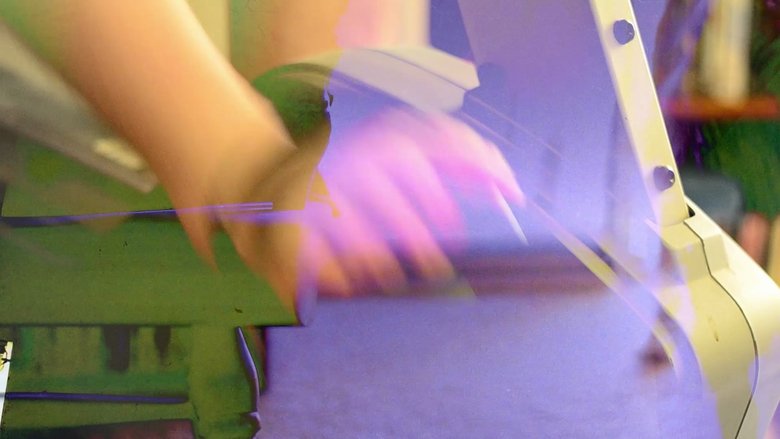
Steadily reading while/becomes treading into murky waters.
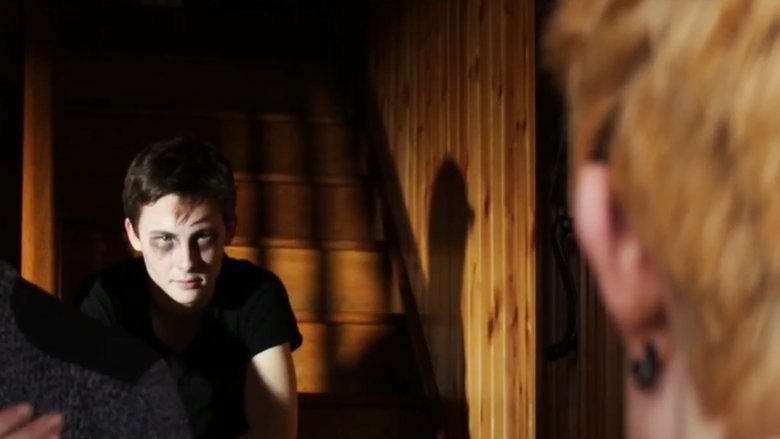
A teenager decides to shut himself off from the world around him after receiving bad news.
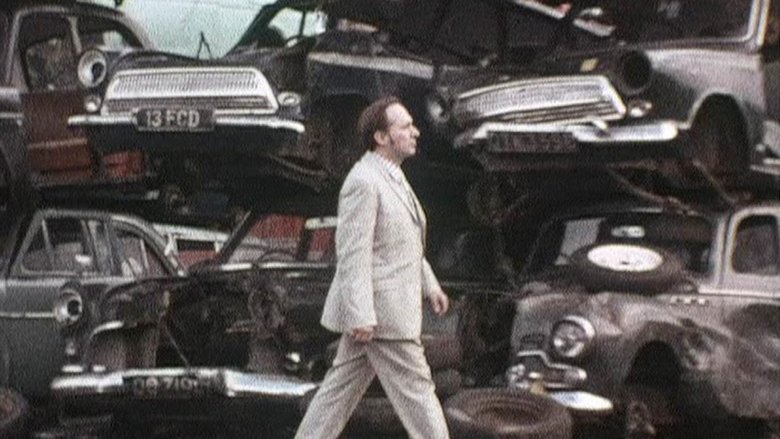
Short film produced by the BBC about JG Ballard's Crash. “The film was a product of the most experimental, darkest phase of Ballard’s career. It was an era of psychological blowback from the sudden, shocking death of his wife in 1964, an era that had produced the cut-up ‘condensed novels’ of Atrocity plus a series of strange collages and ‘advertisers’ announcements. After Freud’s exploration within the psyche it is now the outer world of reality which must be quantified and eroticised. Later there were further literary experiments, concrete poems and ‘impressionistic’ film reviews, and an aborted multimedia theatrical play based around car crashes. After that came an actual gallery exhibition of crashed cars, replete with strippers and the drunken destruction of the ‘exhibits’ by an enraged audience.” (from: http://aaaaaaaaaaaaaaaaaaaargh.blogspot.de/2013/01/short-film-adaptation-of-jg-ballards.html)
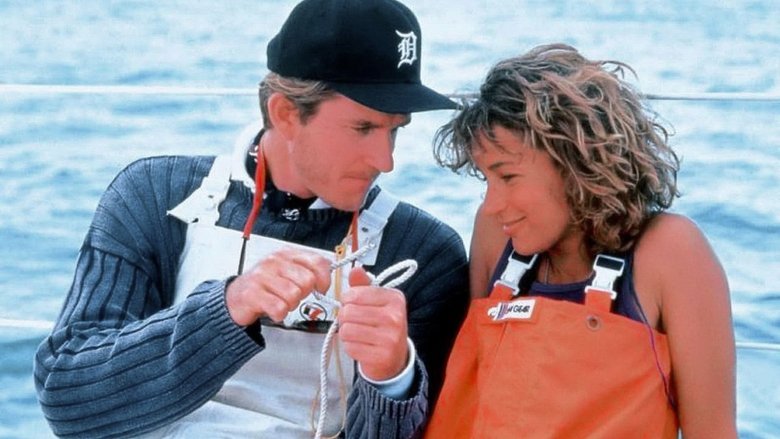
In 1983, yacht sailor Will Parker leads an American crew financed by millionaire Morgan Weld to defeat during the America's Cup race against an Australian crew. Determined to get the prize back, Will convinces Morgan to finance an experimental boat designed by his ex-girlfriend Kate's new beau, Joe Heisler. When the boat is completed, the Americans head to Australia to reclaim the cup.
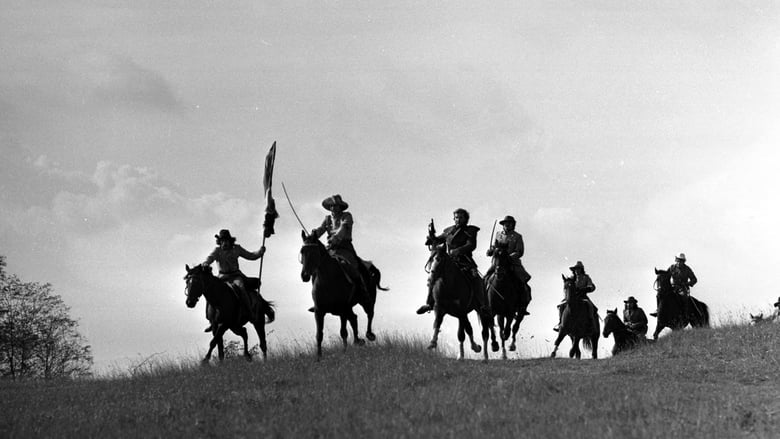
In the final days of the American Civil War, an emigre Hungarian military officer attempts to map the situation of the enemy. Many veterans of the 1848 War of Independence in Hungary fought on the northern side. Experienced Fiala, Boldogh who struggles with homesickness and the reckless Vereczky all experience their enforced emigration in different ways and news of impending peace elicits different reactions from them all.
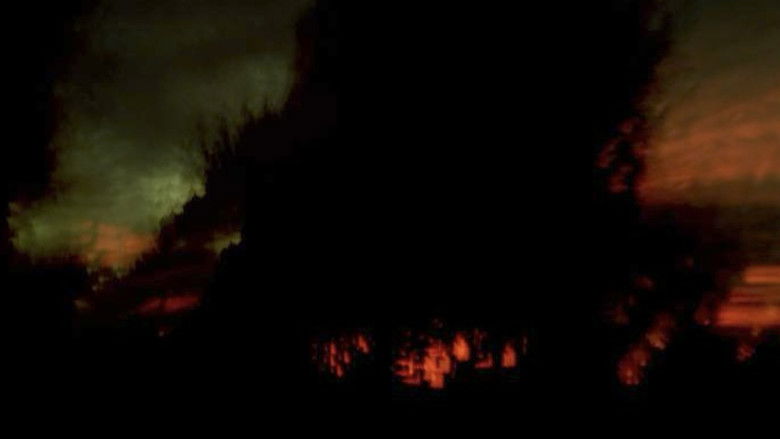
Through a structuralist and simultaneously ambiguous form, the image's reality treads closer to the abstract, leaving the sunset and trees behind. As we enter the image's gloaming, it reveals its true eye: reality's pure haptic energy, where there is nothing but sonorous light, and the dregs of the Unknown.
A taxi driver, a young girl and a backpacker simultaneously experience a wonderful journey in Tokyo, where they find connections to their own homes in Africa, Europe and Southeast Asia.Throughout their journey, they run into the same Japanese woman named Akiko. Meanwhile, a writer in Paris recalls her encounter with Akiko in Tokyo.
In mid-19th-century Costa Rica, President Juan Rafael Mora vows to defend his nation from American filibuster and slaver William Walker, who has seized nearby Nicaragua. Flashbacks trace Mora’s rise from reformist coffee planter to national leader, modernizing his family’s plantation with fair wages and new methods. Guided by love, loss, and his cautious brother-in-law, José María Montealegre, Mora builds trade ties with British merchant William Le Lacheur. In 1856, Costa Ricans defeat Walker, but cholera devastates the land. Betrayed by Montealegre, Mora is executed—like Walker—undone by ambition and history’s cruel turns.
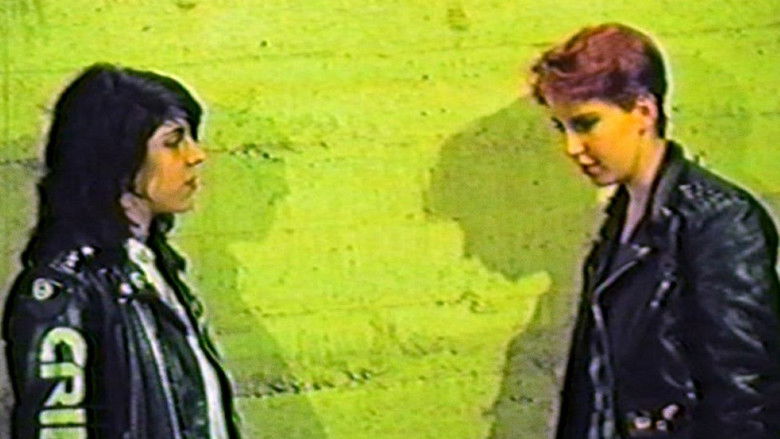
A gang of women wreak havoc in the city, killing various men who have treated women poorly. And sometimes they do it just for fun.