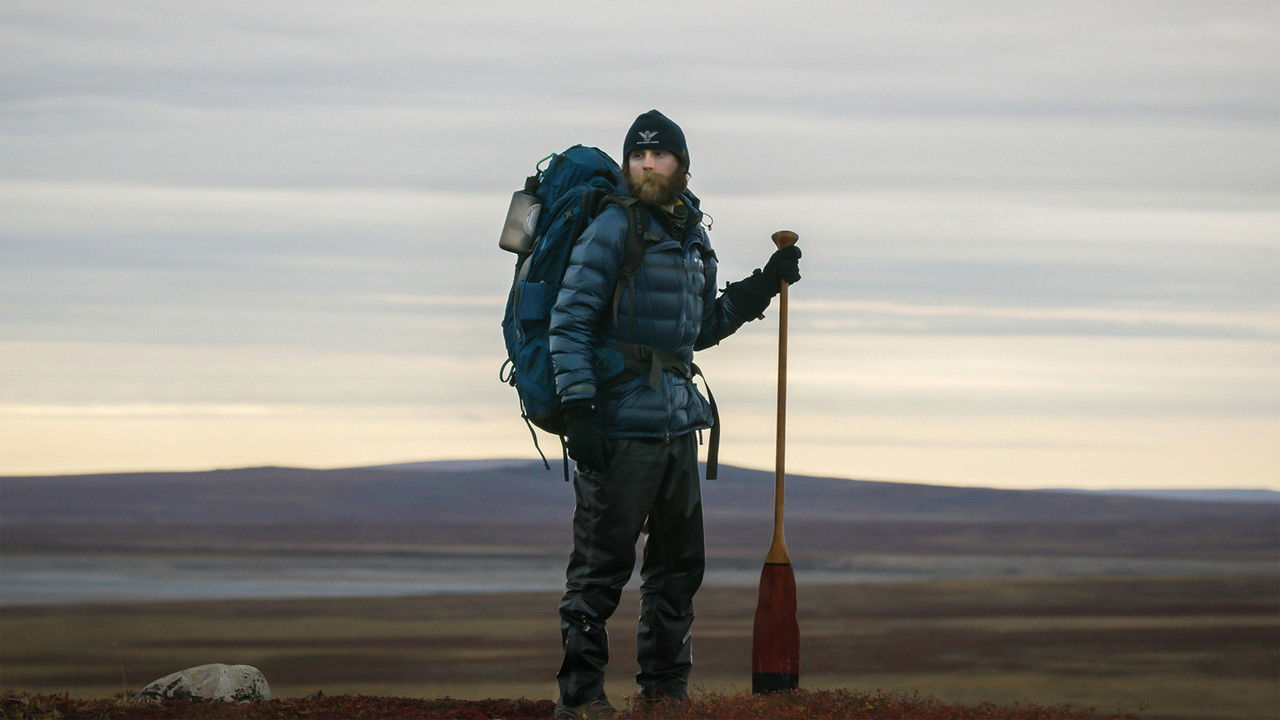
Alone Across the Arctic (2019)
Explorer Adam Shoalts embarks on an estimated 4000 km journey across the Canadian Arctic by canoe and on foot, alone.
Explorer Adam Shoalts embarks on an estimated 4000 km journey across the Canadian Arctic by canoe and on foot, alone.
 Adam ShoaltsHimself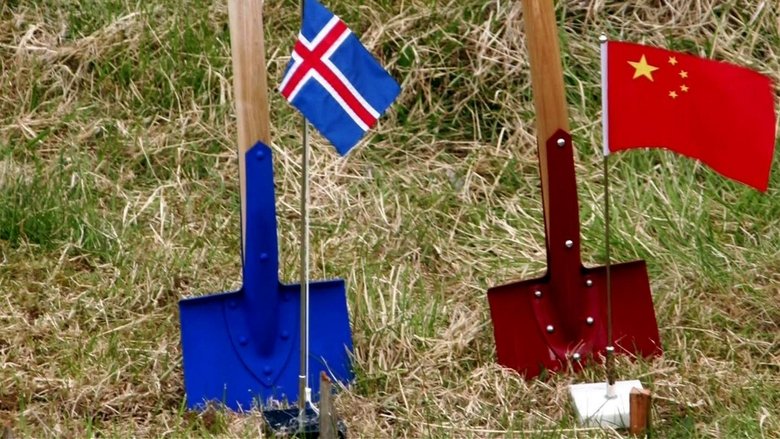
This documentary exposes the new geopolitical situation in one of the most remote regions of the planet: the Arctic. The arrival of China in this part of the world, thanks to the opening of new sea lanes, modifies the fragile balance between the superpowers that must deal with the new arrival.
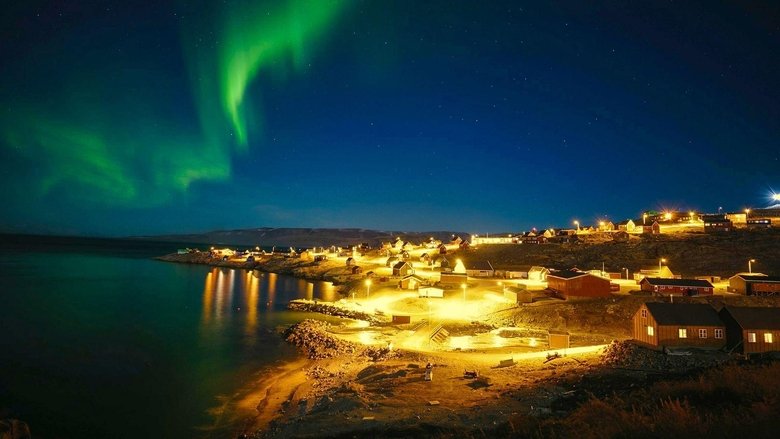
Greenland is the largest island in the world and the landmass closest to the North Pole. 80% of the country is covered by a layer of ice up to 3000 meters thick. Through the eyes of locals we get to know the authentic Greenland.
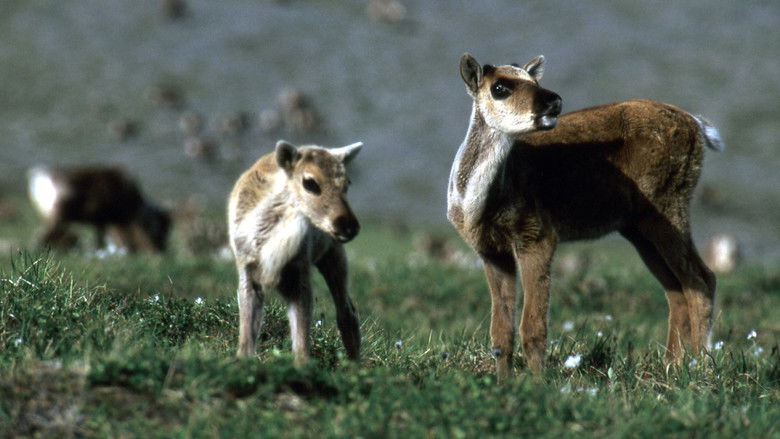
Wildlife biologist Karsten Heuer and his wife, environmentalist Leanne Allison follow a herd of 120,000 caribou on foot across 1500 km of Arctic tundra, hoping to raise awareness of the threats to the caribou's survival. Along this journey, they brave torrid conditions, dangerous wildlife and treacherous terrain all in the hopes of learning the truth about this epic migration.
This film shows the splendor, enormous scope and indescribable beauty of this untouched land far to the north of Alaska, one of the last havens for caribou herds and polar bears. Shot over a period of four years, this film offers a unique insight in the lives of the most charismatic arctic animals.
The first of two coproductions by the British Broadcasting Corporation and the National Film Board of Canada, People of the Seal, Part 1: Eskimo Summer is compiled from some of the most vivid footage ever filmed of the life of the Netsilik Inuit in the Kugaaruk region (formerly Pelly Bay) of the Canadian Arctic. The original films of the Netsilik series attempted to recreate the traditional lifestyle of Netsilingmiut living there. They show the incredible resourcefulness of the Netsilik (People of the Seal) who have adapted to one of the world's harshest environments. Part 1: Eskimo Summer shows how Inuit families prepare for winter by hunting seal, birds and caribou and by fishing for Arctic Char during the extended hours of daylight.
In Antarctica, an artist prepares his installation simultaneously with a group of scientists conducting research. An essay on the persistence and loneliness of the creative act; like the flight of a butterfly in chaos theory or a silent prayer. A sensory experience. A visual poem made of ice, snow and wind.
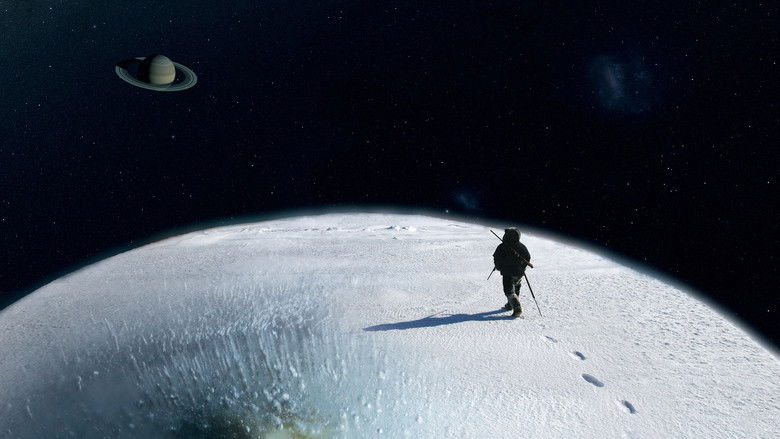
From the territories of the Arctic to the farthest reaches of the universe, Worlds of Ice shows us the astonishing omnipresence of ice.
Arktis is a poetic approach to the bizarre landscape of ice, rock, and water; a journey to the arctic ocean and surroundings, with images and sounds. Seventy one-second scenes of the arctic serve as the original material, which is then transformed in its texture, time lapse, color and light qualities to create a material reminiscent of landscape painting. The sound collage uses fragments from sounds of nature and samples from a piece of music for violin and song, which are also transformed in a manner similar to that of the visual pictures. (Jürgen Reble)
1947. The rush to the poles marked the beginning of an incredible human adventure to discover the last-remaining unknown lands. In France, Paul-E?mile Victor persuaded the government to finance expeditions to explore the Arctic and Antarctic. For the pioneers the conditions were Dantean, all in the name of science.
This feature documentary highlights the nature of Arctic sea ice, and its crucial importance to life in the Far North. Underwater photography presents rare views of some of the most spectacular wildlife, with micro- and macro-photography enhancing the world within the individual ice crystals. Footage from Inuit hunting camps at the floe’s edge illuminate the relationship between the Arctic people and their intricate ecosystem.
The documentary film “To the Arctic,” filmed by director and ethnographer Leonid Kruglov, is dedicated to the discoveries and research of the largest icy desert in the world. For the first time, the film captures all the most remote and inaccessible Arctic archipelagos of the Russian high-latitude Arctic, which are scattered over an area of more than 10,000 km. Among them are Franz Josef Land, Novaya Zemlya, Severnaya Zemlya, Ushakov Island and the New Siberian Islands archipelago, Wrangel Island and the De Long archipelago, as well as many other hidden corners of the North.
As the ice shrinks in the Arctic, polar bears are struggling to survive in a fast melting world. Although classified a marine mammal, the polar bear is not adapted to hunting in the water. And it is certainly no match for the world's greatest aquatic hunter -- the killer whale. In the last few years, scientists have noted an ever-growing number of killer whales in Arctic waters in the summer months. More and more have been attracted to these hunting grounds by the growing expanse of open water. They attack the same prey as the polar bears: seals, narwhal, belugas and bowhead whales.
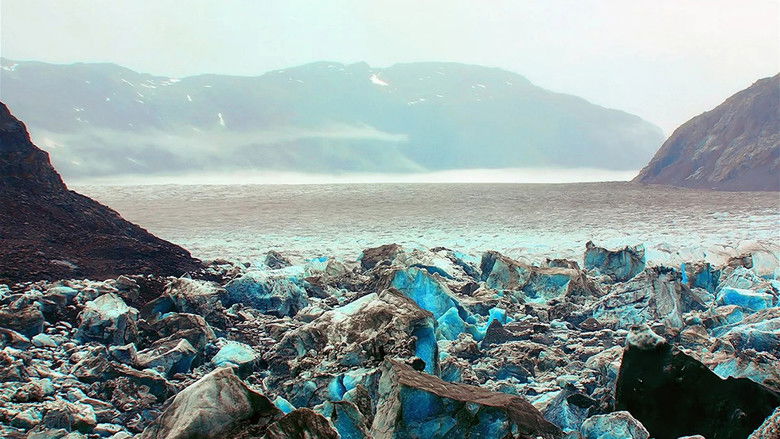
The beauty of the Arctic is breathtaking. For as long as we can remember, the Arctic has been associated with inhospitable cold. But the climate is changing, and with it the northern polar region, which begins beyond latitude 66.5 degrees north. Climate change is now happening four times faster north of the Arctic Circle than on the rest of the planet, making the future outlook dire. At the moment it is still possible for polar bears to raise their cubs, but hunting is becoming increasingly difficult on the drastically shrinking pack ice. The disappearance of the ice also affects the marine fauna. The wintry ice bridge between Canada and Greenland is threatened with collapse. The unstoppable melting of the permafrost, which has held the tundra together for thousands of years, is worrying. But the Arctic is still one of the wildest and loveliest regions on earth. A documentary visit to the Arctic - as long as it still exists.
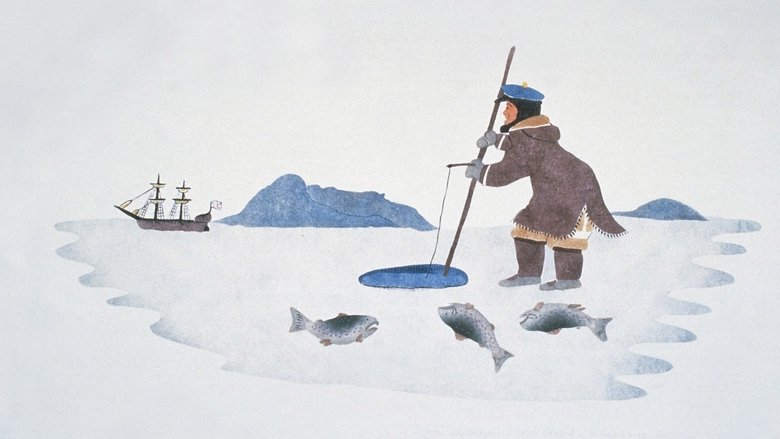
For almost a century and a half, Her Majesty's Ship Breadalbane lay wrecked and forgotten under the Arctic ice. In the spring of 1983, noted undersea explorer Dr. Joseph MacInnis led a team of twenty men on one of the most difficult, dangerous and unforgettable undersea adventures of the century--to put a diver on board the sunken vessel and recover some artifacts. This film, introduced by H.R.H. Prince Charles, provides a stunning visual account of this historic expedition.
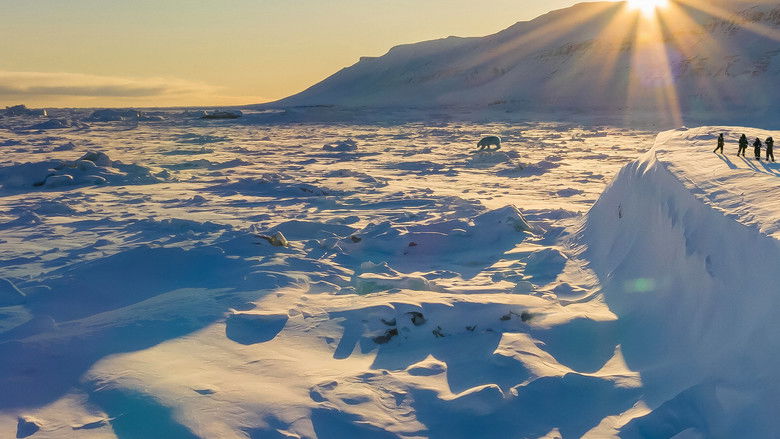
The film Journeys alongside the filmmakers behind Disneynature’s “Polar Bear” as they face profound challenges 300 miles from the North Pole. The team, who created a revolutionary arctic camp on site, navigated virtually impassible snow drifts and tenuous sea ice, garnering unprecedented footage revealing adaptive behaviors that surprised even this veteran team of filmmakers.
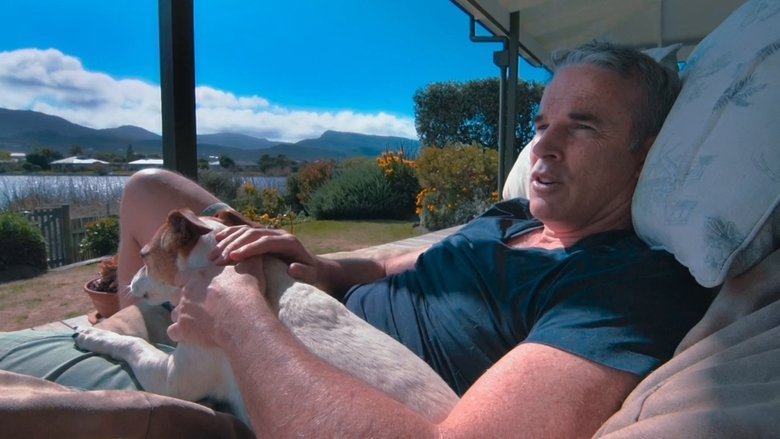
The world's most pristine and least understood ocean, the Arctic, is under threat from chemical pollutants, plastics and climate change. In the northern regions of Norway, Canada and Russia, you can see evidence of steadily warming Atlantic waters moving further north. This film explores the impact these waters are having on the diversity of organisms and ecosystems that are unique to the Arctic.
Dinosaurs are generally considered tropical animals. So what are their fossils doing north of the arctic circle? Paleontologists battle the fierce climate to find out if the arctic was warmer then than it is now, or the arctic was farther from the North Pole, or the dinosaurs were migratory animals, or if they were warm-blooded.
Comedian, actor and national treasure, Billy Connolly, travels to the wilds of Arctic Canada to spend quality time by himself , with just his thoughts and camera for company.
For more than four centuries, young Portuguese fishermen have followed their fathers to the Grand Banks of Newfoundland and in recent years to Greenland’s banks to fish the cold waters for cod. Intrepid men, set off for the Banks on schooners under full sail, then adrift in a flat-bottomed dory, they bait the hundred of hooks of their long-line, oblivious to fog, rain and Arctic wind, they labour 18 hours a day and haul up cod by the score.
In 2006, the American aluminium company ALCOA decides to build their plant in Greenland. The massive billion dollars’ project is the opportunity for Greenland to become financially independent from Denmark. The film zooms in on the isolated fishing town Maniitsoq as the years pass and the local inhabitants are put on hold – waiting for the American Dream.