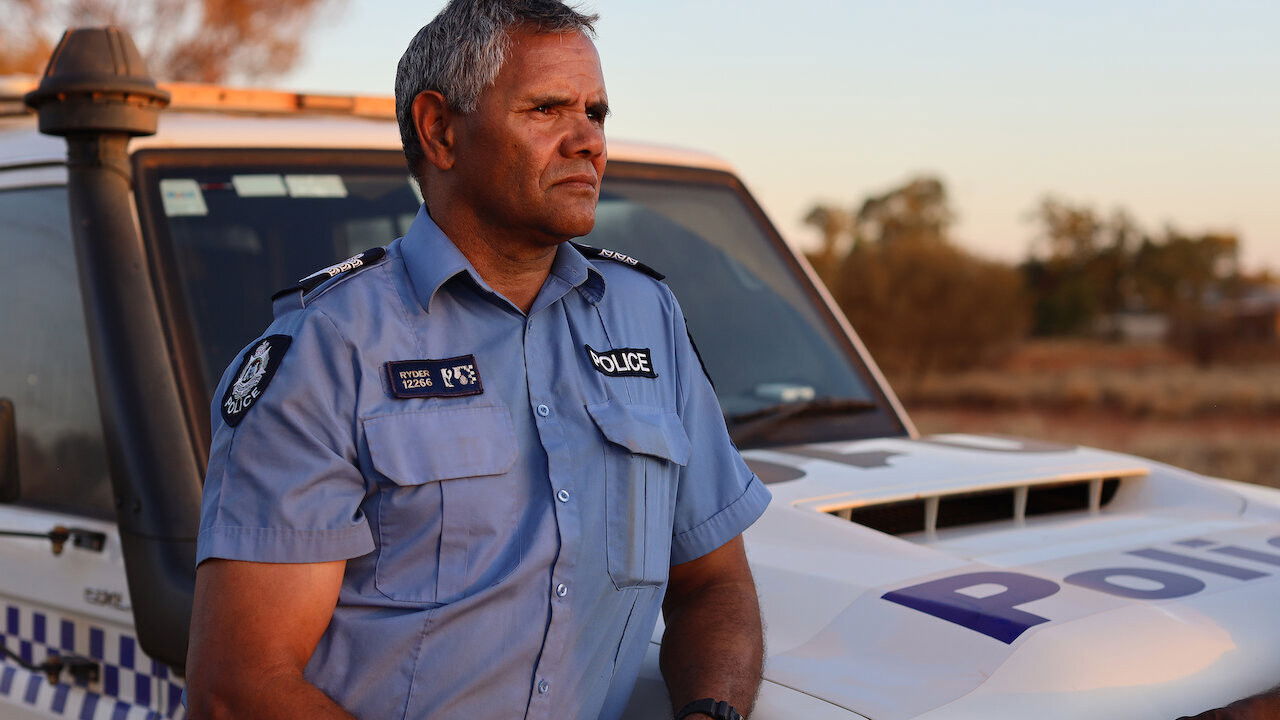
Our Law (2020)
At Western Australia’s first Indigenous-run police station, two officers learn language and culture to help them police one of the most remote beats in the world.
At Western Australia’s first Indigenous-run police station, two officers learn language and culture to help them police one of the most remote beats in the world.

Through one woman's experience as an adopted person and also as a mother who relinquished her child in 1971, this documentary highlights the many complex issues associated with adoption.
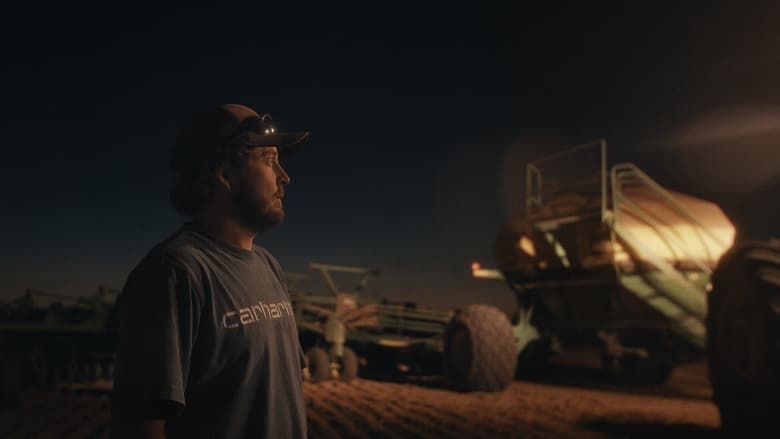
Is there a mental health crisis in agriculture in Colorado? Farming and ranching has become increasingly difficult over the years. An industry that is typically viewed as romantic, hardworking, and "salt-of-the earth" is actually a job full of tremendous stress outside of anyone's control. Combine that with the enormous generational pressure to continue the family farm, and you have a large group of people that are suffering silently. How do we take care of those that are taking care of us?
In the Bella Coola Valley, a haunting legend endures through generations as a filmmaker reckons with whether the stories of her ancestors can survive being held or if they were never meant to be captured.
This documentary follows the lives of several extraordinary people who have been diagnosed with social anxiety disorder. Through personal interviews, viewers learn about the symptoms, emotions, and challenges these people face and about the treatments available to help people on their road to recovery.
A heartwarming exploration of a community art project by photographer Tawfik Elgazzar providing free portraits for locals and passers-by in Sydney, Australia's Inner West. The film explores the nature of individuality, cultural diversity and the positive joy for the photographer of seeing his subjects smile.
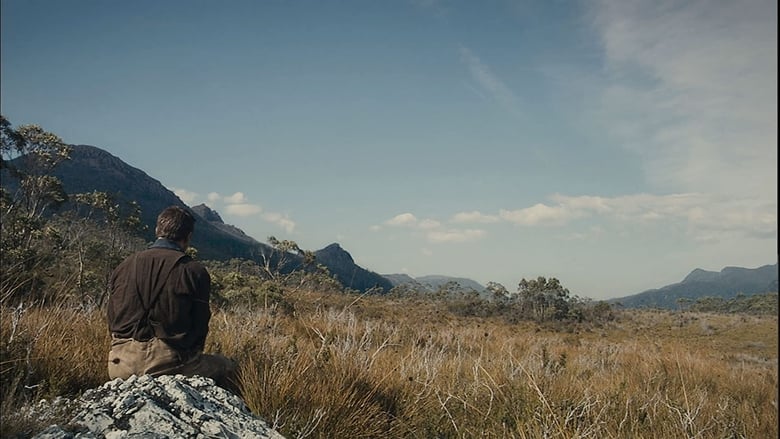
Eight men escape from the most isolated prison on earth. Only one man survives and the story he recounts shocks the British establishment to the core. This story is the last confession of Alexander Pearce.
Gil Cardinal searches for his natural family and an understanding of the circumstances that led to his becoming a foster child. An important figure in the history of Canadian Indigenous filmmaking, Gil Cardinal was born to a Métis mother but raised by a non-Indigenous foster family, and with this auto-biographical documentary he charts his efforts to find his biological mother and to understand why he was removed from her. Considered a milestone in documentary cinema, it addressed the country’s internal colonialism in a profoundly personal manner, winning a Special Jury Prize at Banff and multiple international awards.
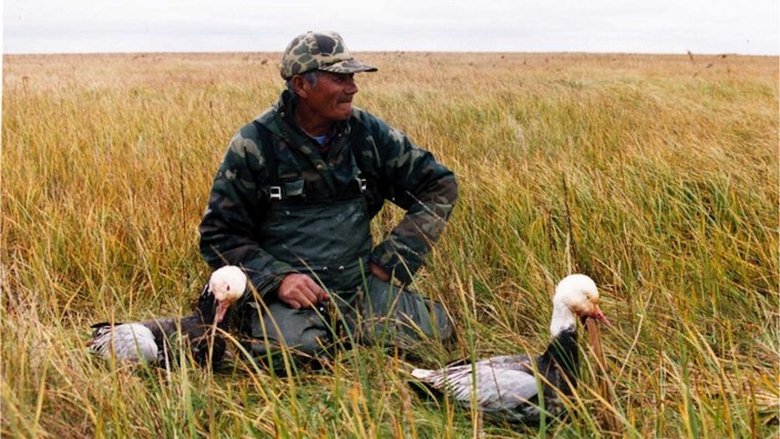
This documentary focuses on the goose hunt, a ritual of central importance to the Cree people of the James Bay coastal areas. Not only a source of food, the hunt is also used to transfer Cree culture, skills, and ethics to future generations. Filmmaker Paul M. Rickard invites us along with his own family on a fall goose hunt, so that we can share in the experience.
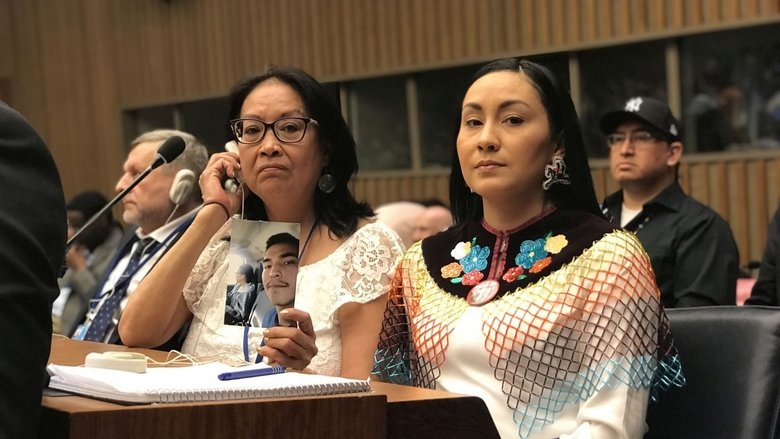
On August 9, 2016, a young Cree man named Colten Boushie died from a gunshot to the back of his head after entering Gerald Stanley's rural property with his friends. The jury's subsequent acquittal of Stanley captured international attention, raising questions about racism embedded within Canada's legal system and propelling Colten's family to national and international stages in their pursuit of justice. Sensitively directed by Tasha Hubbard, "nîpawistamâsowin: We Will Stand Up" weaves a profound narrative encompassing the filmmaker's own adoption, the stark history of colonialism on the Prairies, and a vision of a future where Indigenous children can live safely on their homelands.
Using a variety of sources, SPYRAL follows one bipolar woman and the impact it has on her family.
INAATE/SE/ re-imagines an ancient Ojibway story, the Seven Fires Prophecy, which both predates and predicts first contact with Europeans. A kaleidoscopic experience blending documentary, narrative, and experimental forms, INAATE/SE/ transcends linear colonized history to explore how the prophecy resonates through the generations in their indigenous community within Michigan’s Upper Peninsula. With acute geographic specificity, and grand historical scope, the film fixes its lens between the sacred and the profane to pry open the construction of contemporary indigenous identity.
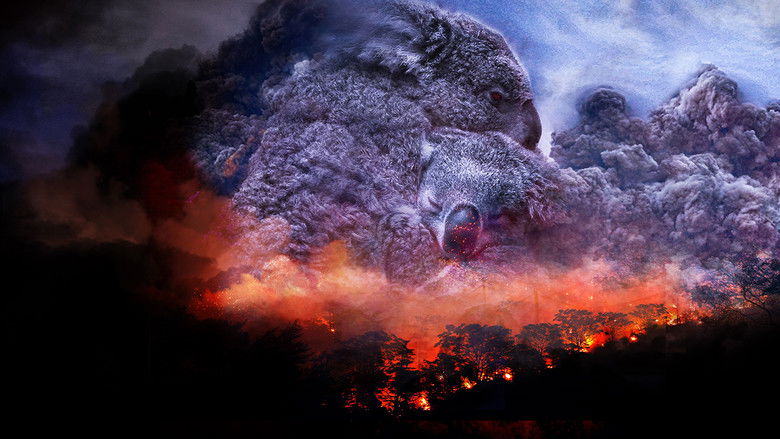
Charting the recovery of wildlife in the aftermath of Australia's catastrophic bushfires through stories of hope and resilience.
In the summer of 2000, federal fishery officers appeared to wage war on the Mi'gmaq fishermen of Burnt Church, New Brunswick. Why would officials of the Canadian government attack citizens for exercising rights that had been affirmed by the highest court in the land? Alanis Obomsawin casts her nets into history to provide a context for the events on Miramichi Bay.
The TNO (Unorganized Territory) Lac-Boisbouscache is a 150 square kilometer public forest located in the Lower St. Lawrence region of Quebec, Canada. Through the eyes of the forest's residents and users, the film paints a portrait of a territory that has long been coveted by private groups with diverse interests. Boisbouscache is a story of dispossession based on current commercial uses combined with the absence of any political will.

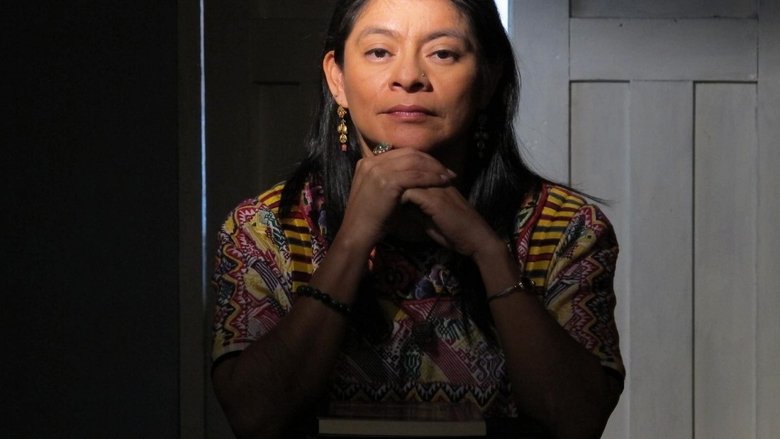
From a historic genocide trial to the overthrow of a president, the sweeping story of mounting resistance played out in Guatemala’s recent history is told through the actions and perspectives of the majority indigenous Mayan population, who now stand poised to reimagine their society.
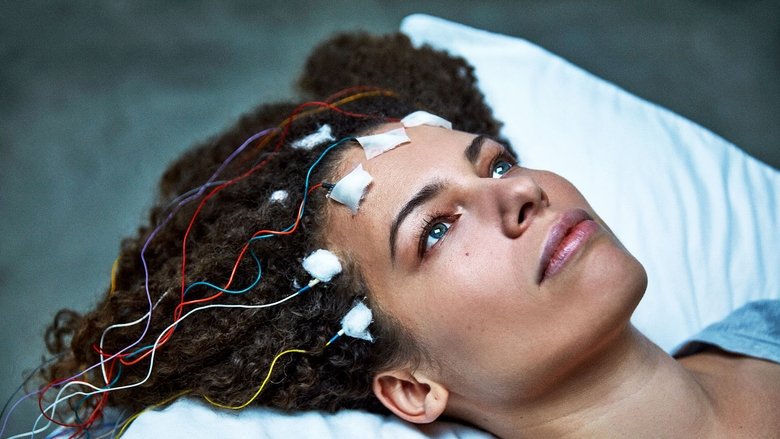
When Harvard PhD student Jennifer Brea is struck down at 28 by a fever that leaves her bedridden, doctors tell her it’s "all in her head." Determined to live, she sets out on a virtual journey to document her story—and four other families' stories—fighting a disease medicine forgot.
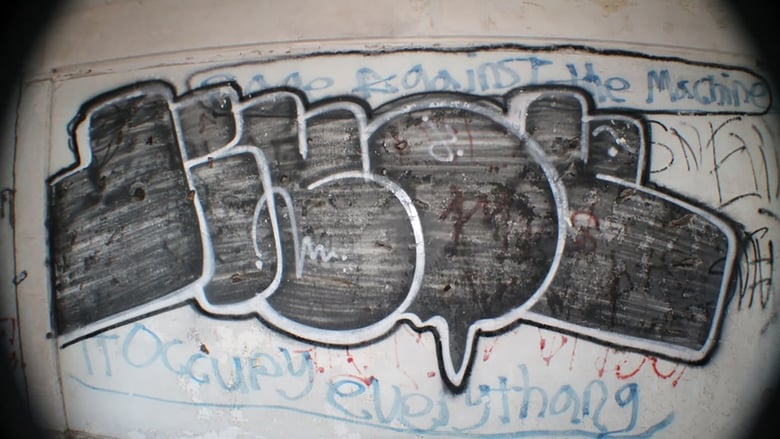
A year in the life of troubled Australian graffiti artist Justin Hughes.
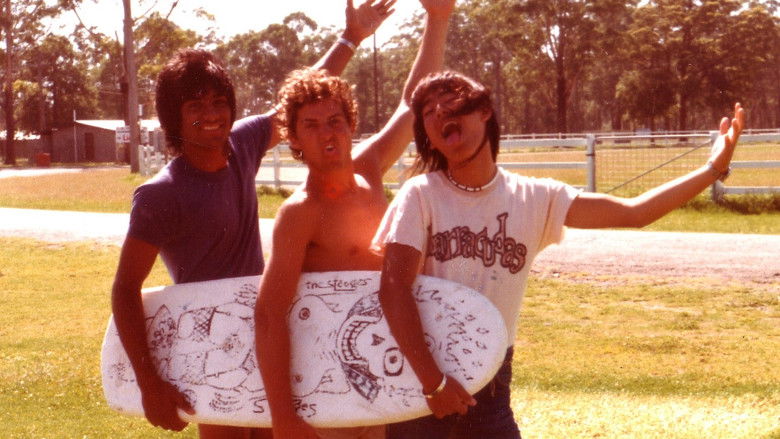
Three ethnic school kids from Sydney's western suburbs form a punk band in the 80s. The Hard-Ons fight racism, the music industry and the rise of grunge with their pop punk noise, irreverent humour and absolute commitment to just being themselves.
Eva’s being allowed to leave the psychiatric institution she’s lived in for six years. After a long year of waiting, the news arrive: an assisted living residence is found for her. Eva takes the first steps towards the "normal" life she longs for: to find a job, earn an income of her own, visit her mother... even find love. While she’s taking stock of her past and works on her self-confidence as well as her trust in the outside world, she also fixes firmly on her main goal: to reconnect with the son she lost custody of 20 years ago and ask him to forgive her. The First Woman is a film about second chances, the search for "normality" and the borderline between lucidity and darkness.