
Fires of Envy (1957)
A dramatization of Canadian author W.O. Mitchell's penetrating story about the racial prejudice encountered by a Polish immigrant farmer in a rural Saskatchewan community.
A dramatization of Canadian author W.O. Mitchell's penetrating story about the racial prejudice encountered by a Polish immigrant farmer in a rural Saskatchewan community.
Sydney BrownTony BrownJack CreleyMavor Moore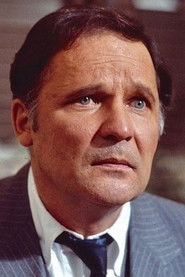 John Vernon
Shun and Nagisa first meet and fall in love during their first year of high school. While Shun is graduating from university, Nagisa tells him that he doesn't see a future for them. Despite Shun's strong feelings, they go their separate ways. Years later, Shun is now a store owner, living alone in a rural area. Out of the blue, Nagisa arrives with his six-year-old daughter, Sora. Spending time together, Shun realizes he still harbors feelings for Nagisa. Can Nagisa reconcile with his feelings for Shun, which have been there all along?
Industrialist Tam Kar-cheung knowingly puts the lives of his workers at risk so as to line his pocket with insurance payments. The chivalrous Bus Money gets into fisticuffs with Tam's chauffeur, Tam Biu, who bears a grudge against the assailant. When Money catches wind of Kar-cheung's vicious plot to set fire to a squatter area to clear the path for a property development project, she moves in and watches vigilantly for signs of arson. Soon, she saves Ah-hau, Biu's girlfriend and a young victim of drug rape, from her suicidal attempt by drowning. Money pursues fragments of clues which lead her to the victim's boss, Taipan Cheung who sucks up to his master Kar-cheung by drawing his prey to her trap. Money then organises squatter residences into fire brigade to guard against arson attacks and exposes Kar-cheung's evil. Realising he has been exploited for his blind loyalty, Biu teams up with Money to dispense justice.
Bus Money dons various disguises on public buses to protect the defenceless from the bullies and receives heroic praise. Money meets Tai Ngau, a righteous journalist, when they bear witness to the callous response of Manager Mo to the death of his servant Ah-kwai. Tai writes to redress grievances of the deceased. When visiting the family of orphans, he chances on his kindred spirit giving the eldest daughter Ah-yin a gift of gold. Money exploits the weakness of Mo and her connection with his son Sze-fu to swindle a fortune out of the lewd man for the benefits of the fatherless children. Her rage grows learning that Mo's friend Fong Hak-sang has pulled off a lucrative fraud on returned overseas Chinese and forces Ah-yin to pledge herself in paying off her father's debts. Money, who has all kinds of tricks up her sleeve, teams up with Tai and gives Mo and Fong their comeuppance before setting off on her next mission.
Hak-ming heads the Ko Family, but he and his brothers, Hak-ting and Hak-on, and the second wife of the late Master Ko quarrel. Young Cousin Mui, who has tuberculosis, is forced by to marry an older woman. Kok-sun is guilty of being unable to stop the marriage. Sun and maid Chui-wan are wary of their feelings for each other due to class difference. Cousin Mui dies of illness. Hak-ting has his eyes on Wan. His wife, Wong, complains to their daughter, Shuk-ching, who cannot take it and commits suicide. Wong blames herself for her death. Undergone these tragedies, Cousin Kam's mother let Kam have a modern wedding with Kok-man. When Ming is ill, Ting and On want to sell the ancestral home. Hak-ming dies of angst. When the fifth uncle of Sun forces Wan to be his concubine, Wan tries to kill herself but is intercepted by Sun. Pressurised by people of the house over the issue of inheritance, Sun protests by declaring his love for Wan and leaves the family, with his mother, brother Man and Wan.
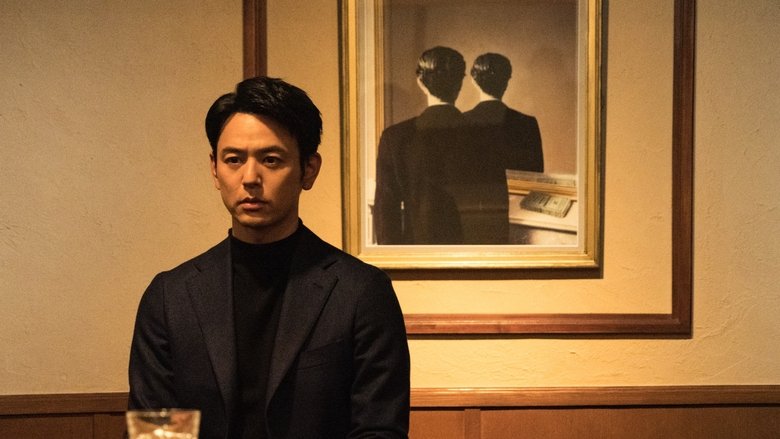
Akira works as a lawyer. One day, he meets with his former client Rie, who asks Akira to perform a background check on her late husband Daisuke.
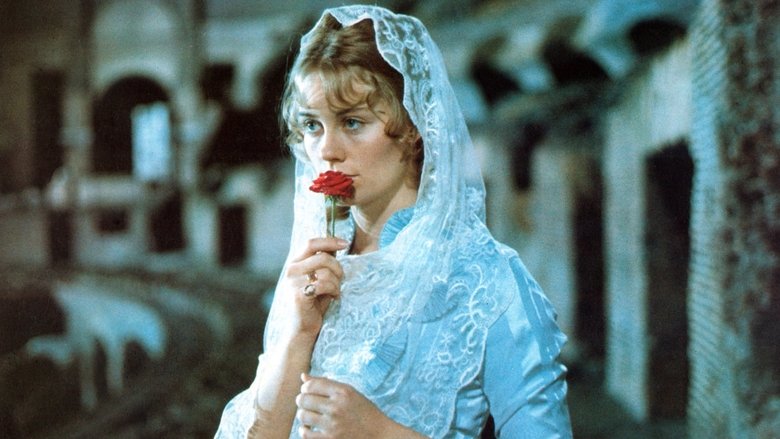
Despite mixed emotions, Frederick Winterbourne tries to figure out the bright and bubbly Daisy Miller, only to be helped and hindered by false judgments from their fellow friends.
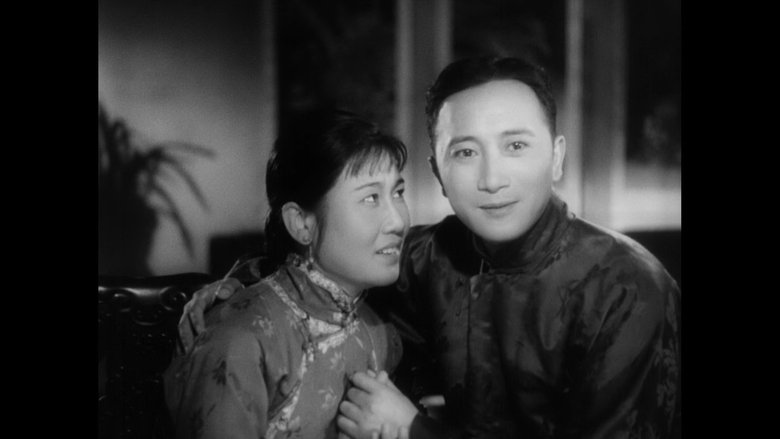
"Family" (1953), which launched the Union Film legacy, "Spring" (1953) and "Autumn" (1954) are adaptations of Ba Jin's highly regarded novel "Torrent Trilogy". In "Family", director Ng Wui skilfully condenses the voluminous first part of the novel into an emotionally powerful and intellectually focused story of youngsters struggling to survive oppression and repression in a feudalistic family. This well-received film quickly established the company's reputation.
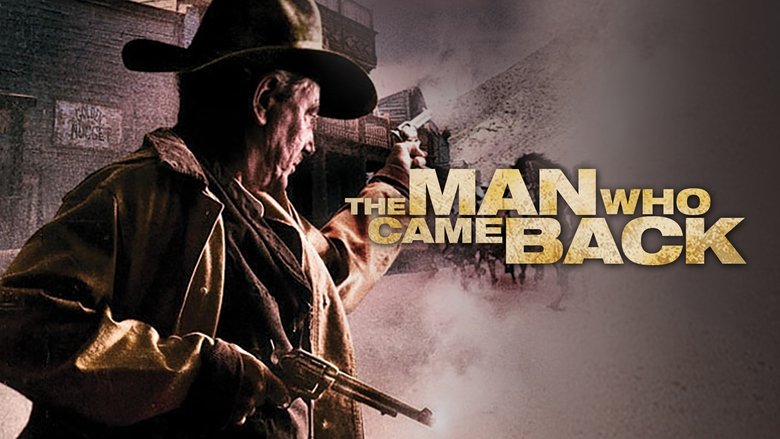
Framed for murder and left for dead, a local legend comes back to make the guilty pay as he seeks revenge on those who killed his family, in this traditional Western about one man who stood against injustice.
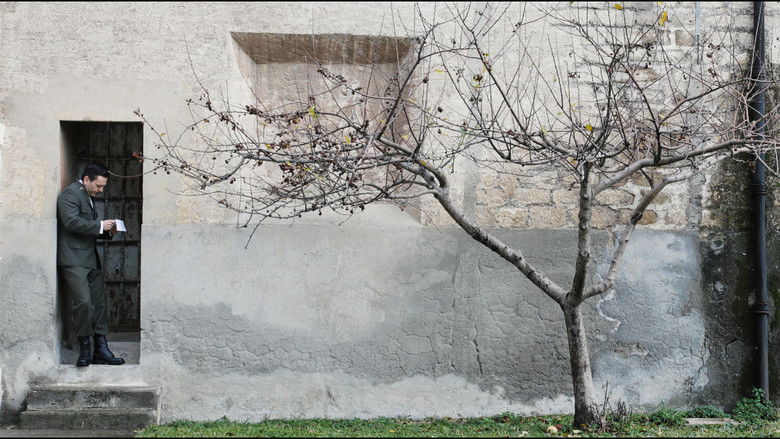
Filmed entirely inside Civitavecchia prison, with the inmates themselves as protagonists and co-authors, Fortezza is the reinterpretation of one of the most important novels of the 1900s: The Tartar Steppe by Dino Buzzati. Three soldiers arrive at a solitary military garrison which no longer serves any defensive function. Here, time is at a standstill and is marked by strict regulations, power dynamics, engrained idleness and habit. Waiting in vain for an enemy that will not arrive, the military officers are consumed by the need to give their stay meaning, and resist the attraction that this place holds for them.
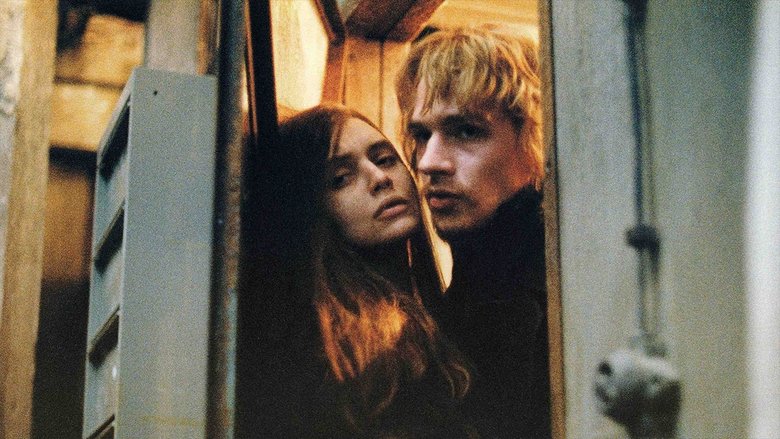
A writer leaves his upper-class life and journeys with a woman claiming to be his sister, and her two friends.
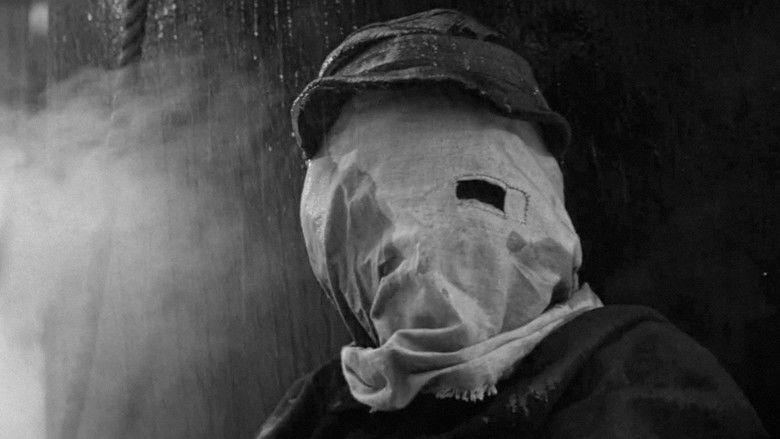
A Victorian surgeon rescues a heavily disfigured man being mistreated by his "owner" as a side-show freak. Behind his monstrous façade, there is revealed a person of great intelligence and sensitivity. Based on the true story of Joseph Merrick (called John Merrick in the film), a severely deformed man in 19th century London.
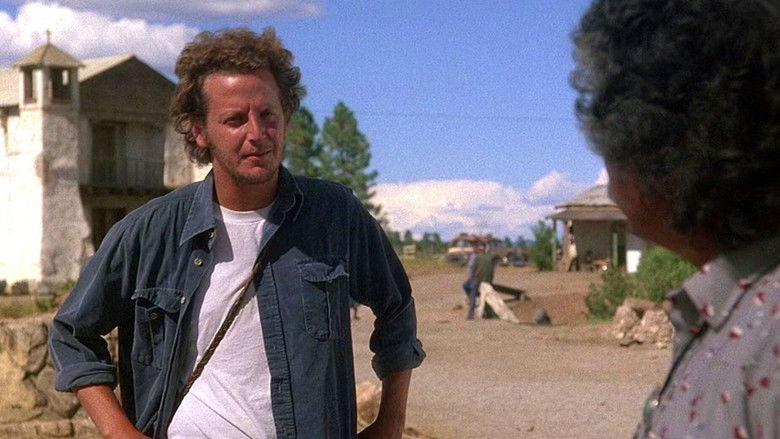
The accidental breakdown of an irrigation valve launches a hot confrontation between the mainly Latino farmers in a tiny New Mexico town and the real estate developers and politicians determined to acquire their land for a golf resort.
The true-crime story of legendary outlaw Jack Black, whose 1926 memoir became an unlikely bestseller upon its release and later inspired generations of counter-cultural writing.
Men and women caught up in a downward spiral of corruption, discrimination, poverty and death are the focus of this detective-thriller/social-drama inspired by the unsolved 1984 kidnapping of a Japanese candy company president.
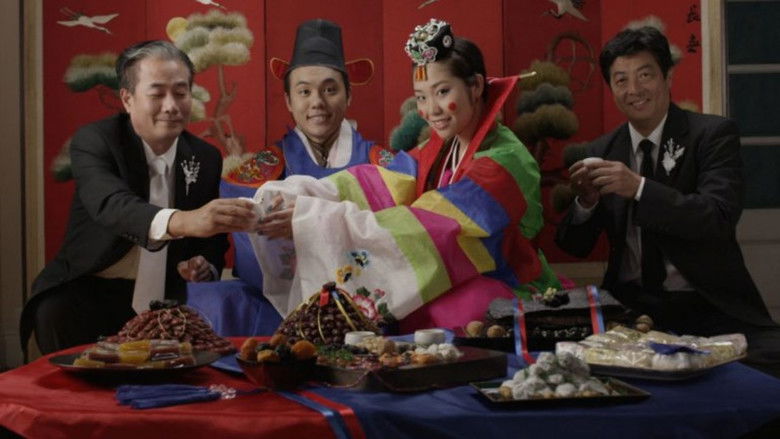
Three intertwining stories that take place in La Salada — the largest unregulated market in Buenos Aires: a Korean father prepares his daughter for an arranged marriage, a young Bolivian man searches for work, and a Taiwanese DVD seller tries to woo a young woman to be his girlfriend.
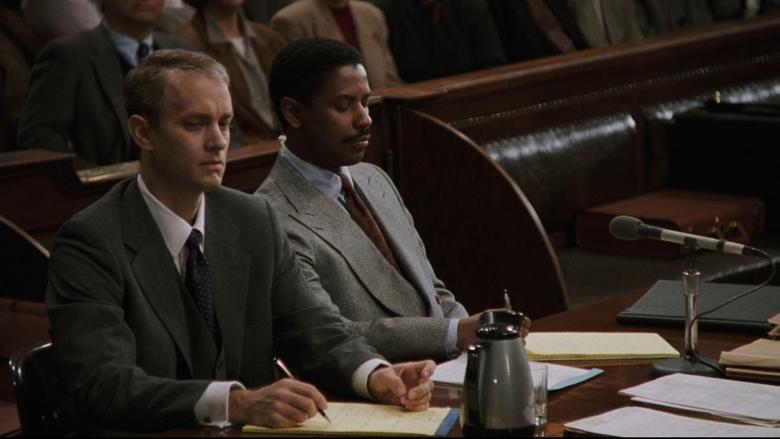
Two competing lawyers join forces to sue a prestigious law firm for AIDS discrimination. As their unlikely friendship develops, their courage overcomes the prejudice and corruption of their powerful adversaries.
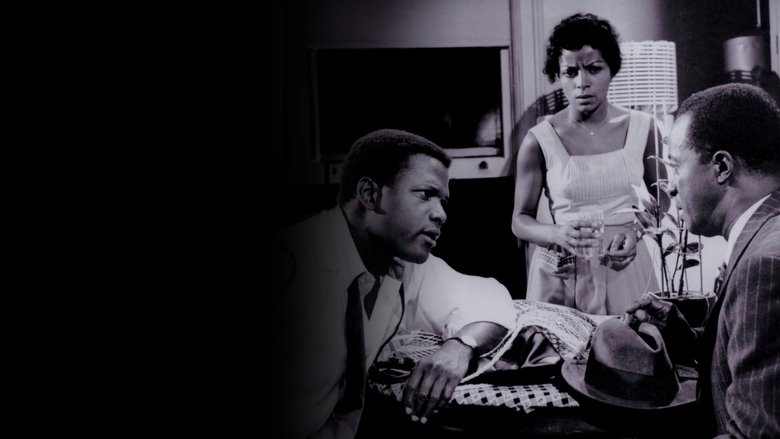
Walter Lee Younger is a young man struggling with his station in life. Sharing a tiny apartment with his wife, son, sister and mother, he seems like an imprisoned man. Until, that is, the family gets an unexpected financial windfall.
An adaptation of the J.P. Sartre story "Le Mur". What goes on in his mind and what happens outside when he has left only few more hours left to live. The existential dilemmas of a prisoner condemned to death from a repressive regime for his participation in a resistance movement and his friendship with the leader of this resistance. When all seems lost and he has already given up the most unlikely coincidence changes the course of events and his life.
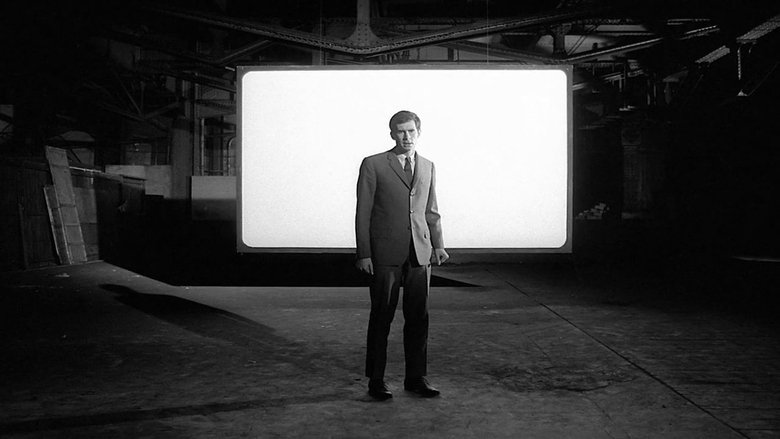
Arrested for an unnamed crime, Josef K. is trapped in a surreal bureaucratic maze where justice is unknowable and guilt is assumed.
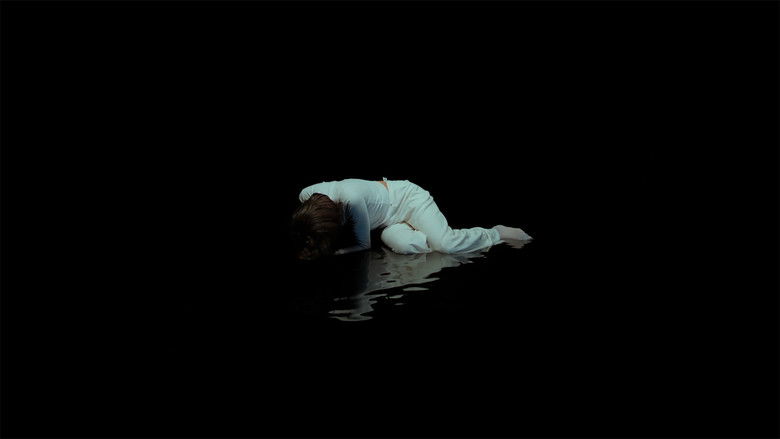
Ayana is eagerly anticipating an important relay race. Just before the start, she is confronted with discrimination and self-doubt, which shake her determination. To make it to the starting line, she must recognize her own worth and find new confidence.