
Mergui (2018)
Using nature shots with narration and a musical score, this documentary tells the story about the Moken, Myanmar's last sea nomads.
Using nature shots with narration and a musical score, this documentary tells the story about the Moken, Myanmar's last sea nomads.
Sean DahlenNarrator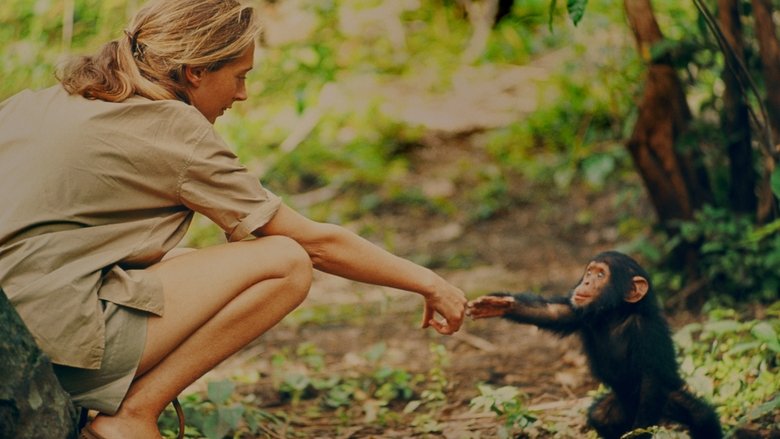
Drawing from never-before-seen footage that has been tucked away in the National Geographic archives, director Brett Morgen tells the story of Jane Goodall, a woman whose chimpanzee research revolutionized our understanding of the natural world.
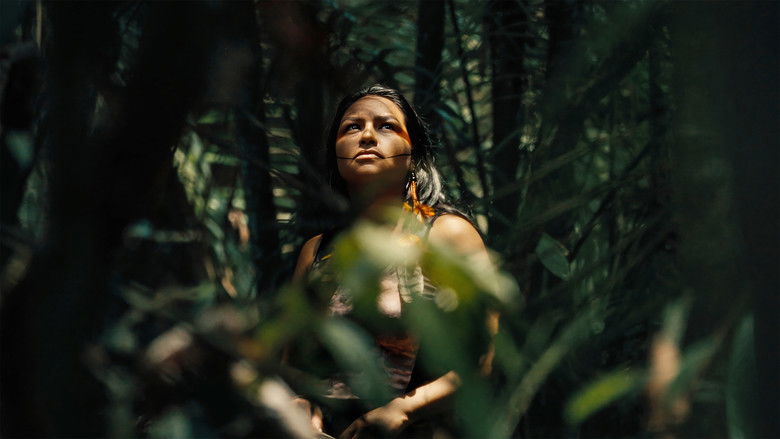
Indigenous chief Juma Xipaia fights to protect tribal lands despite assassination attempts. Her struggle intensifies after learning she's pregnant, while her husband, Special Forces ranger Hugo Loss, stands by her side.
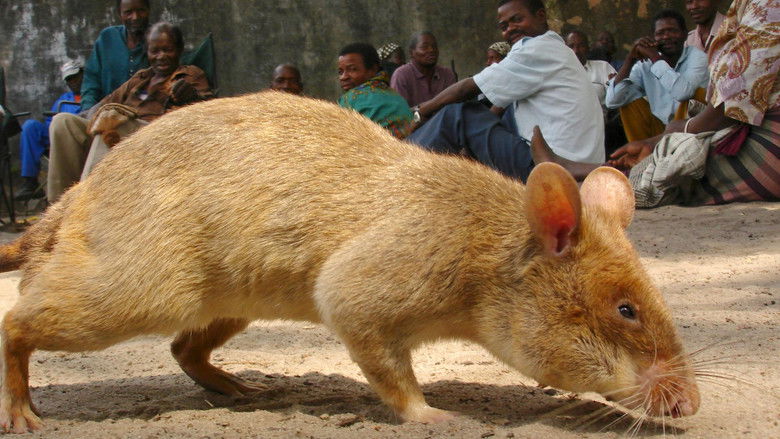
Africa's giant rats – the size of a cat – can be trained to detect land-mines by smelling them. Giant rats are clever and they learn fast. Their sense of smell is better than a dog's, they have more stamina, and they're a lot cheaper to train. This documentary follows "Miss Marple", who was born in a training lab and who goes through a year's training before being sent on her first mission to Mozambique. A shorter version (43 minutes) screened at festivals in 2009 but was never widely released.
Showcased in beautiful IMAX format, this documentary takes viewers into the hearts, minds and world of chimpanzees as it profiles legendary scientist Dr. Jane Goodall's work among the chimps at Gombe Park on Africa's Lake Tanganyka. Dr. Goodall and other researchers give us an up-close look at the daily lives of the Gombe chimp families -- Fifi and sons Freud and alpha male Frodo, along with Gremlin, Gaia and the endearing Galahad.
Journey with the musicians of the Berlin Philharmonic and their conductor Sir Simon Rattle on a breakneck concert tour of six metropolises across Asia: Beijing, Seoul, Shanghai, Hong Kong, Taipei and Tokyo. Their artistic triumph onstage belies a dynamic and dramatic life backstage. The orchestra is a closed society that observes its own laws and traditions, and in the words of one of its musicians is, “an island, a democratic microcosm – almost without precedent in the music world - whose social structure and cohesion is not only founded on a common love for music but also informed by competition, compulsion and the pressure to perform to a high pitch of excellence... .” Never before has the Berlin Philharmonic allowed such intimate and exclusive access into its private world.
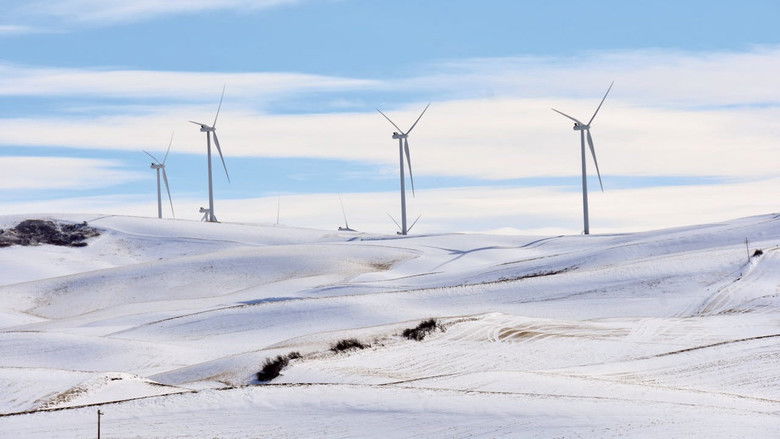
"Climate: The Movie" highlights a different perspective on the climate change debate and is supported by scientists who have signed the Clintel's World Climate Declaration. This group of researchers seeks to present an alternative narrative in the face of the dominant discourse.
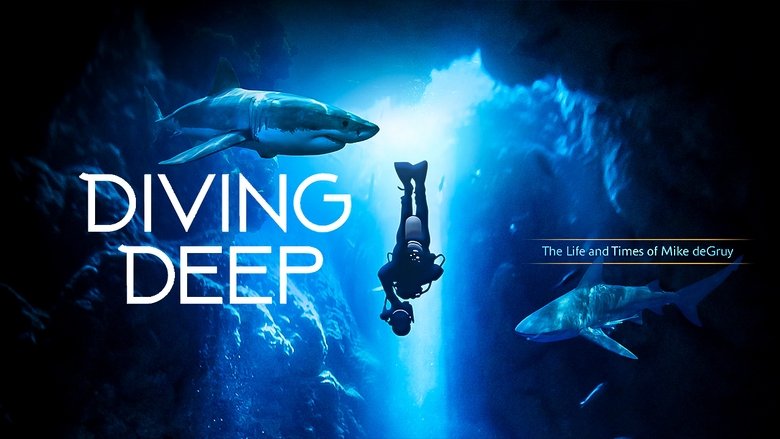
Diving Deep: The Life and Times of Mike deGruy, tells the story of Mike deGruy, an irrepressibly curious and enthusiastic underwater filmmaker who died suddenly in 2012. DeGruy filmed the oceans for more than three decades becoming as famous for his on camera storytelling as for his glorious, intimate visions of the sea and the creatures who live in it. Inspired to share his legacy as a filmmaker and storyteller, and to spread his mission for protecting the ocean, his wife and filmmaking partner Mimi deGruy returned to the edit room to produce Diving Deep: The Life and Times of Mike deGruy.
Every year, on the steppes of the Serengeti, the most spectacular migration of animals on our planet: Around two million wildebeest, Burchell's zebra and Thomson's gazelles begin their tour of nearly 2,000 miles across the almost treeless savannah. For the first time, a documentary captures stunning footage in the midst of this demanding journey. The documentary starts at the beginning of the year, when more than two million animals gather in the shadow of the volcanoes on the southern edge of the Serengeti in order to birth their offspring. In just two weeks, the animal herd's population has increased by one third, and after only two days, the calves can already run as fast as the adults The young wildebeest in this phase of their life are the most vulnerable to attacks by lions, cheetahs, leopards or hyenas. The film then follows the survivors of these attacks through the next three months on their incredible journey, a trip so long that 200,000 wildebeest will not reach the end.
"Don't go in the Water." This line bred fear in millions of people around the world. In 1975, Jaws showcased the greatest eating machine, the great white shark, on the big scren and changed the swimming habits of movie-goers everywhere. By far the most feared creature in the sea, this species is responsible for more attacks on human beings that all other sharks combined. Step outside the Hollywood hype and travel to South Australia with an expedition as they attempt to increase understanding and reduce human/shark confrontations. Observe the behavior and lifestyle of the great white shark, and see these miracles of evolution up close in this unforgettable exploration under sea.

Documentary about Japanese pearl fishers.

In this special Clarkson, Hammond and May don’t just buy three knackered old lorries and drive miles through the beautiful landscapes of Burma. Oh dear no. They actually have to use their lorries to do something useful. They have to build a real, use able bridge over the River Kwai. On their way to the river they almost bring down Burma’s power supply, encounter the world’s least relaxing truck stop, race around the streets of a deserted capital, saddle up a trio of unhelpful horses and attend a completely deranged party.
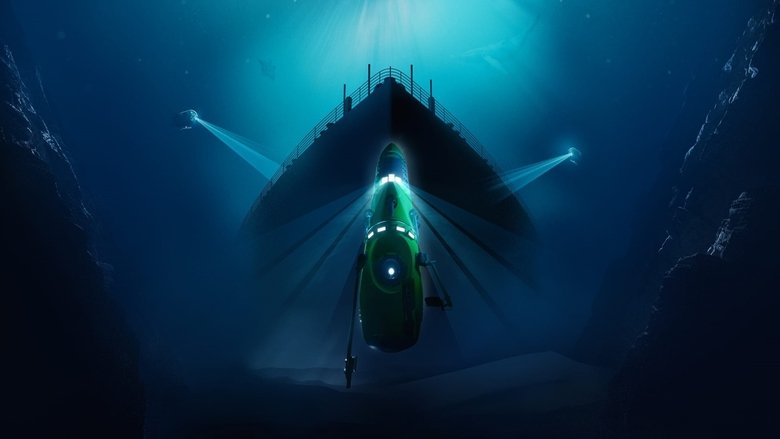
Described as being a film about determination, danger and the ocean’s greatest depths, James Cameron's "Deepsea Challenge 3D" tells the story of Cameron’s journey to fulfill his boyhood dream of becoming an explorer. The movie offers a unique insight into Cameron's world as he makes that dream reality – and makes history – by becoming the first person to travel solo to the deepest point on the planet.
David Attenborough narrates this astonishing story of a wild cheetah family. Known for being fast, captivating and extremely elusive, cameraman Kim Wolhuter offers a new insight into their remarkable lives. For nearly two years, he walked alongside a wild cheetah mother and her young family to unravel in intimate detail what it takes to turn tiny cubs into accomplished predators
Stunning beauty has been present throughout the world of Tropical Africa, offering great riches do its biodiversity controlled by thorn trees, allowing both fauna and flora to evolve in Paradise of Thorns of Africa.
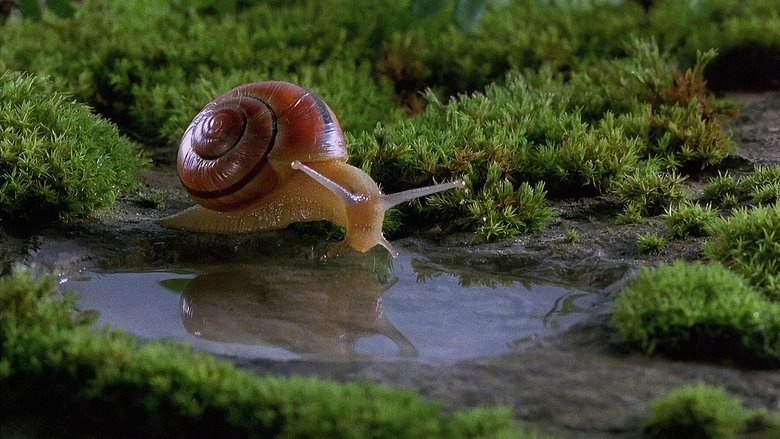
A documentary of insect life in meadows and ponds, using incredible close-ups, slow motion, and time-lapse photography. It includes bees collecting nectar, ladybugs eating mites, snails mating, spiders wrapping their catch, a scarab beetle relentlessly pushing its ball of dung uphill, endless lines of caterpillars, an underwater spider creating an air bubble to live in, and a mosquito hatching.
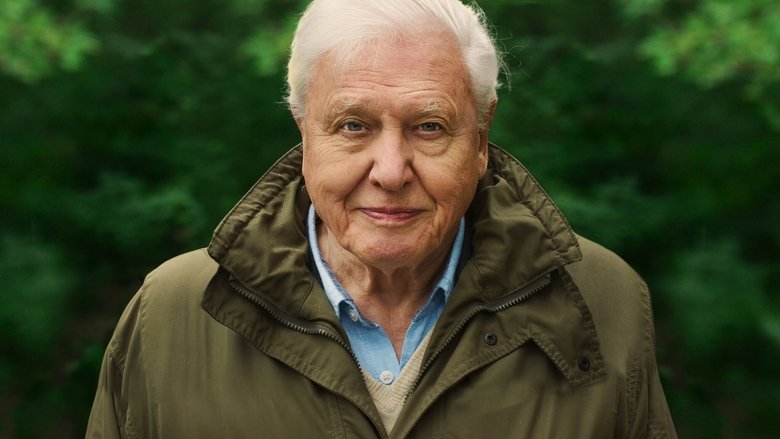
The story of life on our planet by the man who has seen more of the natural world than any other. In more than 90 years, Attenborough has visited every continent on the globe, exploring the wild places of our planet and documenting the living world in all its variety and wonder. Addressing the biggest challenges facing life on our planet, the film offers a powerful message of hope for future generations.
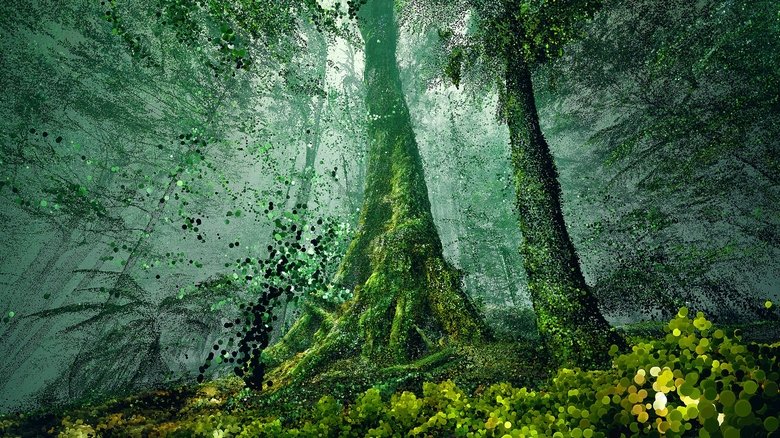
A portrait of environmental folk hero & gay icon Bob Brown, who took green politics to the center of power. His story is interwoven with the life cycle of the ancient trees he's fighting for.

Stories and music of Black artists who relied on an underground travel guide to navigate the injustices of racial segregation while on the road. The Negro Travelers’ Green Book was a directory of lodgings, restaurants, and entertainment venues where African Americans were welcomed. Features performances and interviews with vocalists, musicians, activists, historians, and others.
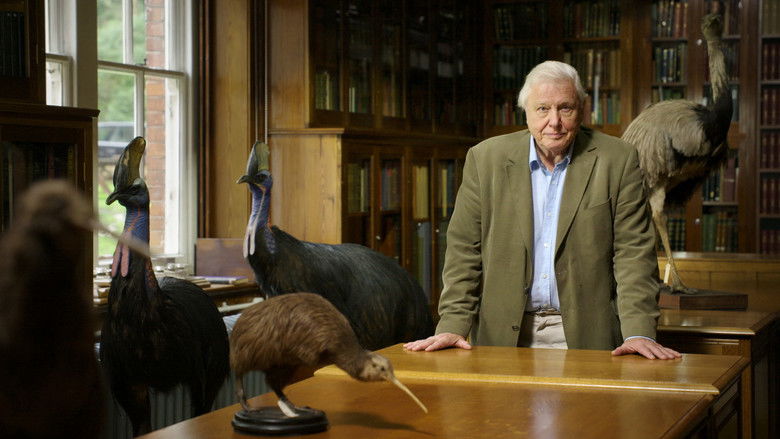
Meet the big birds, a feathered family who have never flown a day in their lives! From ostriches to kiwis, these bizarre birds appear to be nature's greatest novelty act. How they came to be and how they continue to survive is a fascinating tale that has long captivated Sir David Attenborough. It is a story of dedicated dads, enormous eggs and a serious need for speed. And far from being the court jesters of the animal world, these flightless curiosities once nearly ruled the land.
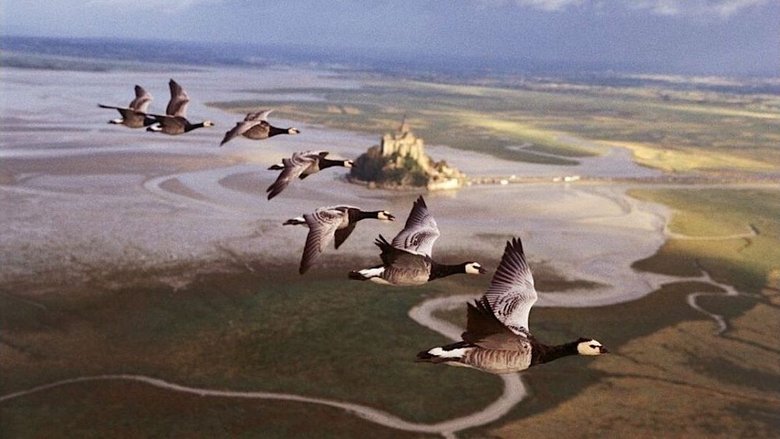
This documentary follows various migratory bird species on their long journeys from their summer homes to the equator and back, covering thousands of miles and navigating by the stars. These arduous treks are crucial for survival, seeking hospitable climates and food sources. Birds face numerous challenges, including crossing oceans and evading predators, illness, and injury. Although migrations are undertaken as a community, birds disperse into family units once they reach their destinations, and every continent is affected by these migrations, hosting migratory bird species at least part of the year.