
I fratelli miracolosi (1948)
The Legend of the Miraculous brothers according to the paintings of Beato Angelico.
The Legend of the Miraculous brothers according to the paintings of Beato Angelico.
Adlon recounts the making of the sculpture, "Kugelkaryatide" the sphere that stood in the center of Tobin Plaza between the two towers of the World Trade Center. The film follows the sculpture from its creation as the largest bronze sculpture of recent times to the aftermath, where it now stands, heavily scarred, in Battery Park.
Handbook of Movie Theaters’ History is a documentary about the history, the development in the present days and the future of movie theaters in the city of Turin, Italy. It mixes the documentary language with comedy and fiction, and is enriched by interviews to some of the most important voices of Turin cinematography. The film follows the evolution of movie theaters by enlightening its main milestones: the pre-cinema experiences in the late 19th Century, the colossals and the movie cathedrals of the silent era, the arthouse theaters, the National Museum of Cinema, the Torino Film Festival, the movie theaters system today and the main hypothesis about its future.
Functions without theaters, murals without walls, clothes without fabrics and students without schools says the necessary about the state abandonment and but also talent and creativity of Colombians, which it has nothing to lose. The documentary tells the story of the beginnings and resilience of several artist from Barranquilla in different disciplines in continuing to maintain and diversify the living culture, that remain to exist.
A video letter to Nancy Holt, made in homage to a shared interest in terminal lakes, framed views, monuments and time. Filmed on and around the Great Salt Lake, Mono Lake and Meteor Crater.
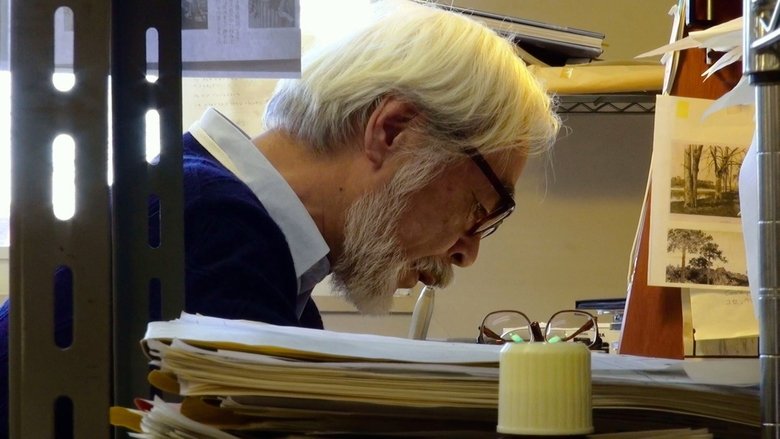
Follows the behind-the-scenes work of Studio Ghibli, focusing on the notable figures Hayao Miyazaki, Isao Takahata, and Toshio Suzuki.
Takeda is a film about the universality of the human being seen thru the eyes of a Japanese painter that has adopted the Mexican culture.
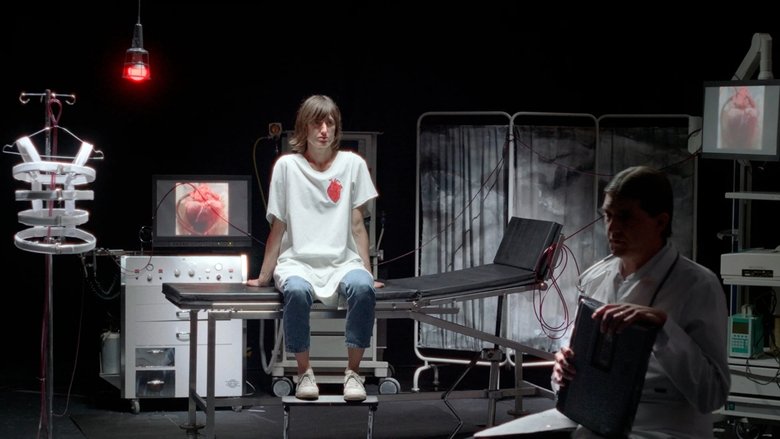
Marion is an artist with FSH, an incurable muscular myopathy. She guides us on the path she has taken to no longer identify with her illness.
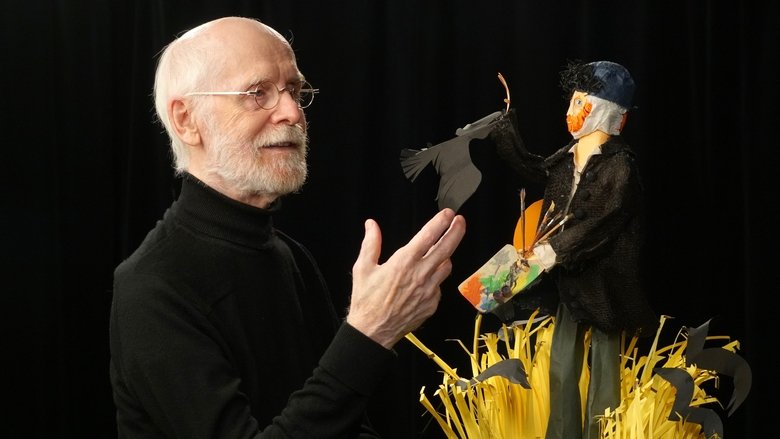
Much like Fred Rogers and Bob Ross in the United States, Claude Lafortune was a staple of French-Canadian television. The beloved children's television host inspired generations of children through his celebration of creativity, inclusivity and diversity. For over five decades, he dedicated his life to transforming mere paper into whimsical sculptures, creatures and film sets. "The Paper Man" reveals the depths of Claude Lafortune's work, as well as his continuing legacy.
An inspiring 75min DIY documentary film on new art and the young artists behind it. It was all filmed on the heat of live action of the first NOVA Contemporary Culture Festival, July and August 2010 in São Paulo, Brazil.
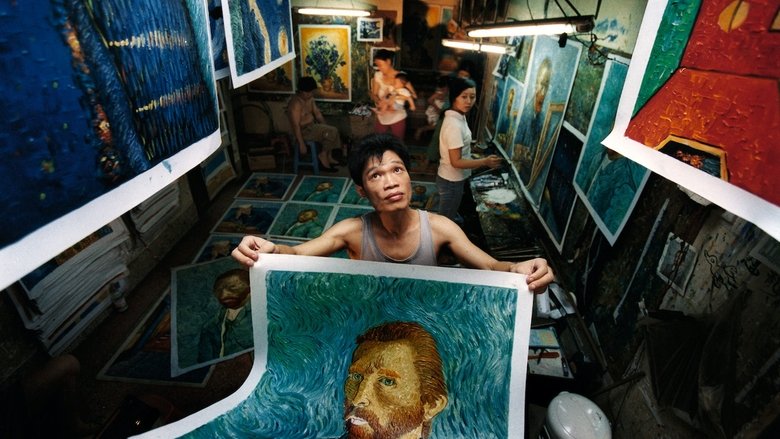
An intimate portrait of a peasant-turned oil painter transitioning from making copies of iconic Western paintings to creating his own authentic works of art.
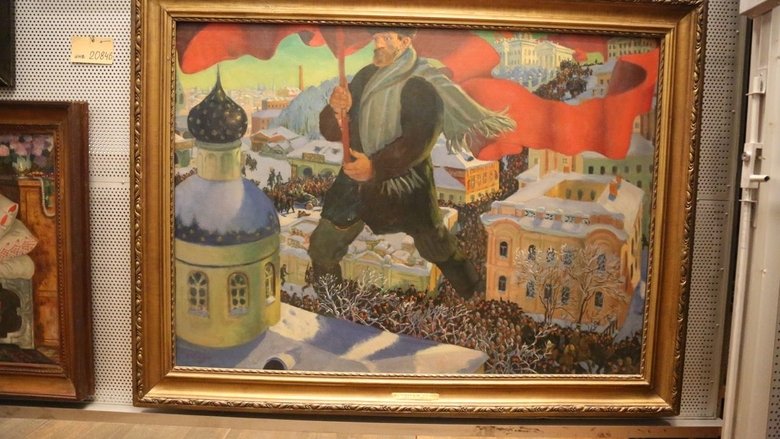
Drawing on the collections of major Russian institutions, contributions from contemporary artists, curators and performers and personal testimony from the descendants of those involved, the film brings the artists of the Russian Avant-Garde to life. It tells the stories of artists like Chagall, Kandinsky and Malevich - pioneers who flourished in response to the challenge of building a new art for a new world, only to be broken by implacable authority after 15 short years and silenced by Stalin's Socialist Realism.
Exhibition on Screen's latest release celebrates the life and masterpieces of Hieronymus Bosch brought together from around the world to his hometown in the Netherlands as a one-off exhibition. With exclusive access to the gallery and the show, this stunning film explores this mysterious, curious, medieval painter who continues to inspire today's creative geniuses. Over 420,000 people flocked to the exhibition to marvel at Bosch's bizarre creations but now, audiences can enjoy a front row seat at Bosch's extraordinary homecoming from the comfort of their own home anywhere in the world. Expert insights from curators and leading cultural critics explore the inspiration behind Bosch's strange and unsettling works. Close-up views of the curiosities allow viewers to appreciate the detail of his paintings like never before. Bosch's legendary altarpieces, which have long been divided among museums, were brought back together for the exhibition and feature in the film.
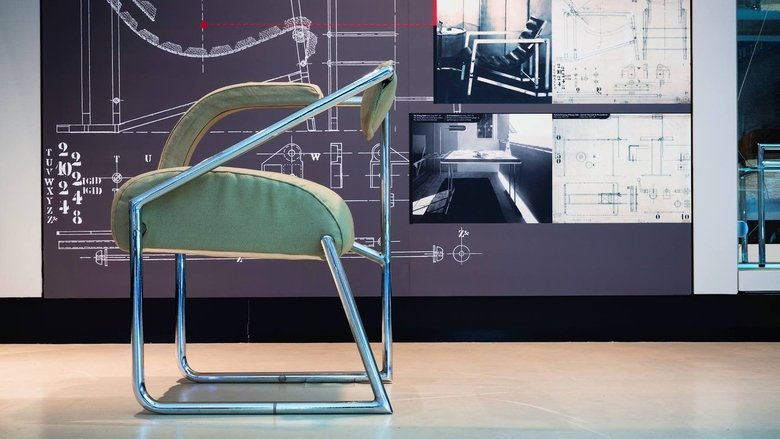
Gray Matters explores the long, fascinating life and complicated career of architect and designer Eileen Gray, whose uncompromising vision defined and defied the practice of modernism in decoration, design and architecture. Making a reputation with her traditional lacquer work in the first decade of the 20th century, she became a critically acclaimed and sought after designer and decorator in the next before reinventing herself as an architect, a field in which she laboured largely in obscurity. Apart from the accolades that greeted her first building –persistently and perversely credited to her mentor–her pioneering work was done quietly, privately and to her own specifications. But she lived long enough (98) to be re-discovered and acclaimed. Today, with her work commanding extraordinary prices and attention, her legacy, like its creator, remains elusive, contested and compelling.
For this work Alÿs purchased a gun in Mexico City then walked through the city streets with the weapon in his hand. After eleven minutes he was arrested by the police. The following day he repeated the action, this time in cooperation with the police. By presenting a record of this dramatic action alongside footage of its reenactment, Alÿs blurs the boundaries between documentation and fiction. Questioning the concept of authenticity, this work demonstrates “how media can distort and dramatize the immediate reality of a moment,” the artist has said. Gallery label from Francis Alÿs: A Story of Deception, May 8–August 1, 2011.

Immigrant residents of a “shift-bed” apartment in the heart of New York City’s Chinatown share their stories of personal and political upheaval. As the bed transforms into a stage, the film reveals the collective history of the Chinese in the United States through conversations, autobiographical monologues, and theatrical movement pieces. Shot in the kitchens, bedrooms, wedding halls, cafés, and mahjong parlors of Chinatown, this provocative hybrid documentary addresses issues of privacy, intimacy, and urban life.

Florida, 1994. Artist Mike Diana is convicted on an obscenity charge in the wake of an undercover police officer purchasing his limited edition zine Boiled Angel. Here is the very unusual story of what led to this First Amendment debacle happening for the first time in the United States.
Bas Jan Ader rides his bike into a canal in Amsterdam.
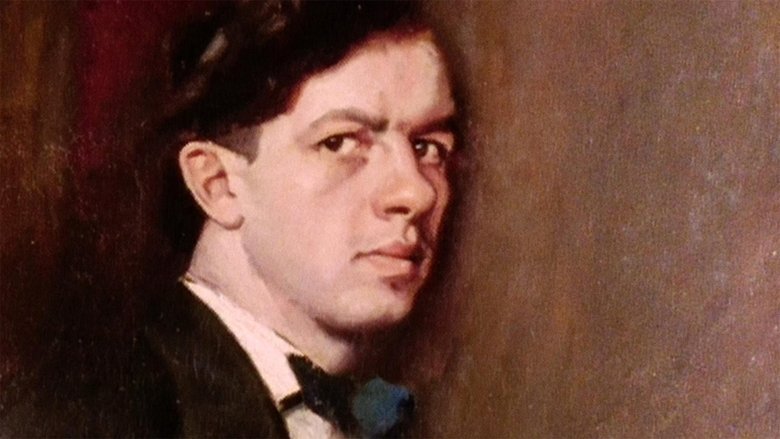
Thomas Hart Benton's paintings were energetic and uncompromising. Today his works are in museums, but Benton hung them in saloons for ordinary people to appreciate.
World-renowned Drag Queen Miz Cracker helps a Texas family that’s experiencing strange occurrences after renovating their 1892 home. As a lover of the paranormal, can Miz Cracker solve their ghost problem and help them coexist peacefully with the spirits?
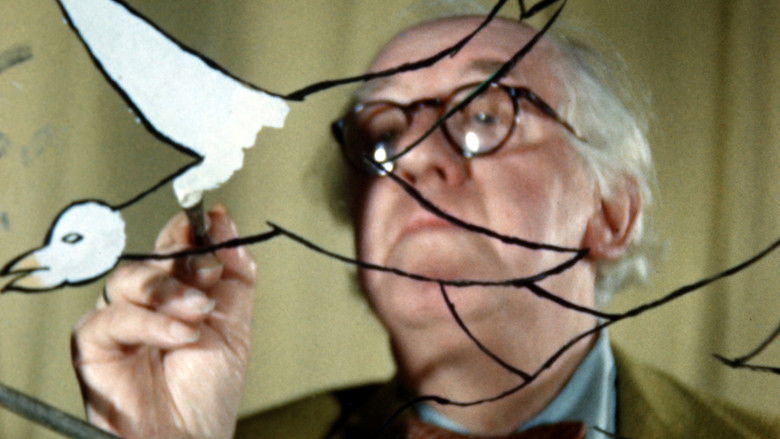
Belgian art historian and filmmaker Paul Haesaerts (1901–1974) made a significant contribution to the promotion of modern Flemish art. In the late 1940s, he started experimenting with the medium of film to practice a new form of lens-based art criticism. The understudied documentary "Quatre peintres belges au travail" (1952) presents Belgian artists Edgar Tytgat, Albert Dasnoy, Jean Brusselmans and Paul Delvaux at work in their studio. On a large sheet of glass placed in front of the camera, they each paint one of the seasons that also represent a stage in a person’s life. A close reading of this Kodachrome color film sheds light on the context of mid-century art reproductions, mass media and post-war Flemish culture. It also examines in what way this film operates as Haesaerts’s concept of cinéma critique, while raising questions as to the way Haesaerts attempted to reconcile the spatial art of painting with the temporal medium of film.