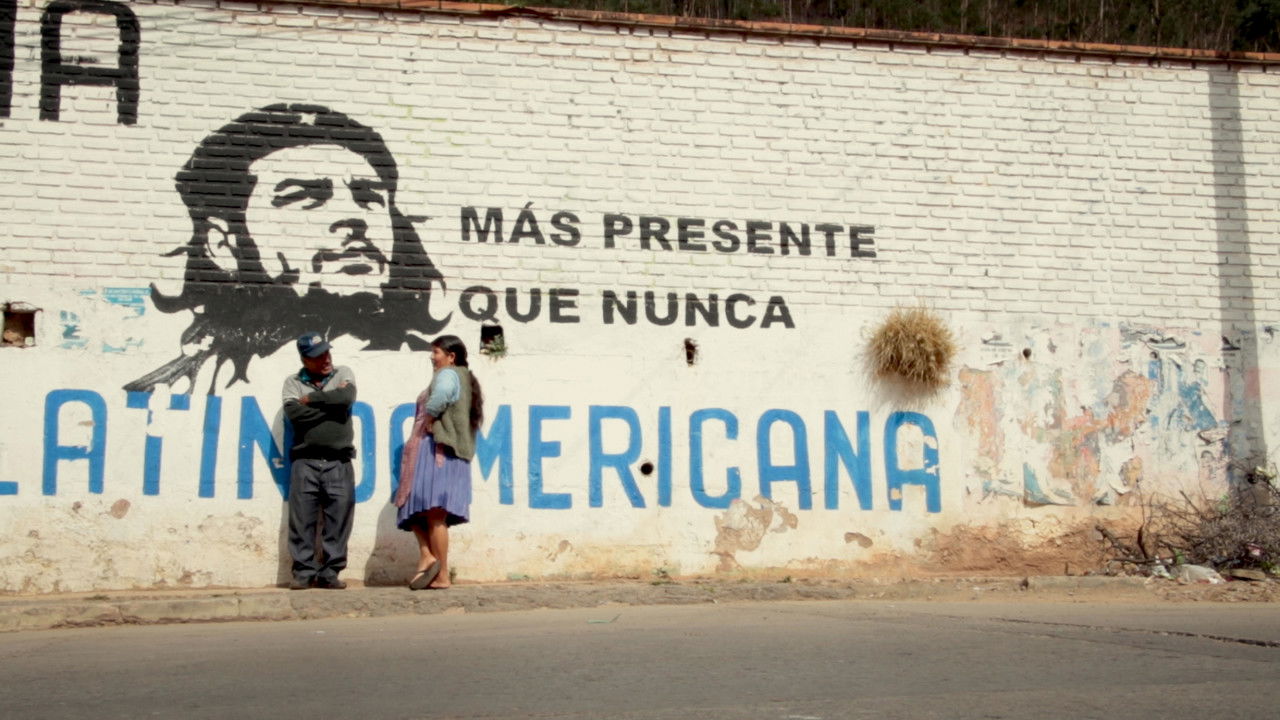
Similar to Journal de Bolivie
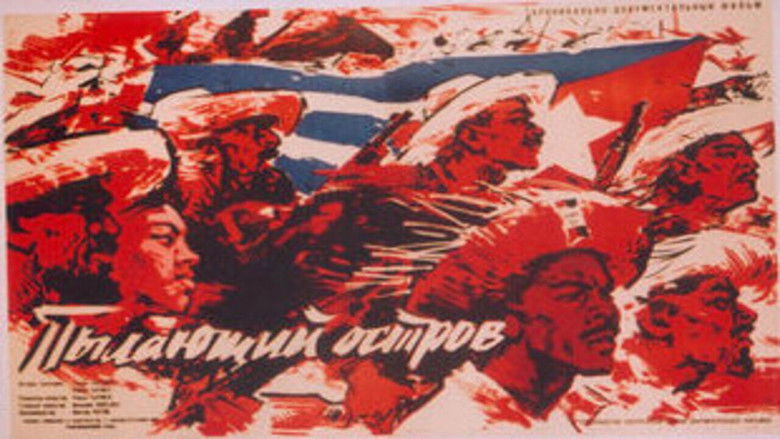
Island Ablazed (1961)
Documentary recounting the story of the Cuban Revolution and its impact on the young people of Cuba.
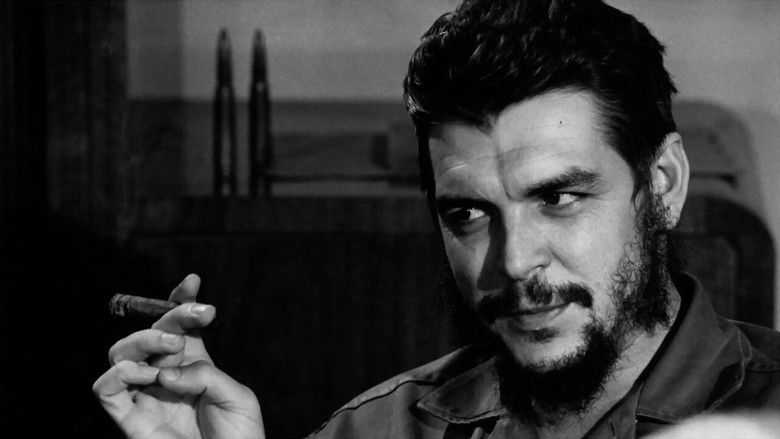
Che: A New Man (2010)
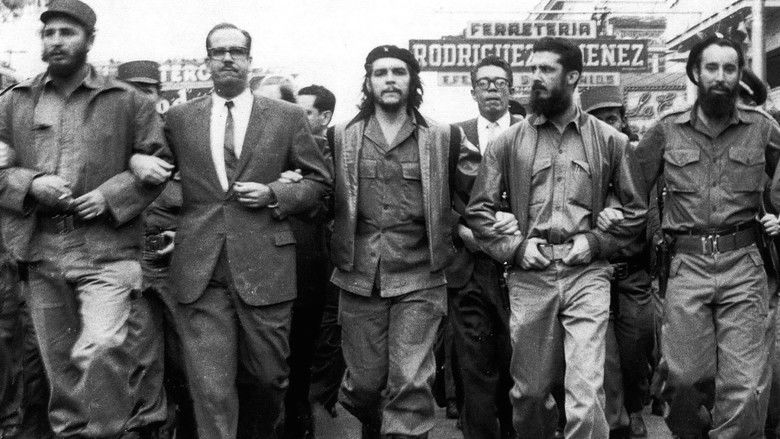
The latest documentary by Tristan Bauer took 12 years to complete. It is a unique and invaluable historical document—a jewel not to be missed—that offers us a different, more intimate and personal, perspective on the life of Ernesto Che Guevara than other films about him that have emerged recently. Presenting brilliantly edited archival material, including private documents and intimate recordings that have never been made available to the public before (including recordings of Che reading poems by Vallejo and Neruda to his wife, intimate family gatherings on 8mm, a speech given by Che in French), Bauer allows us to see the iconic figure as a hero but also as the larger-than-life passionate and idealistic human being that he was.
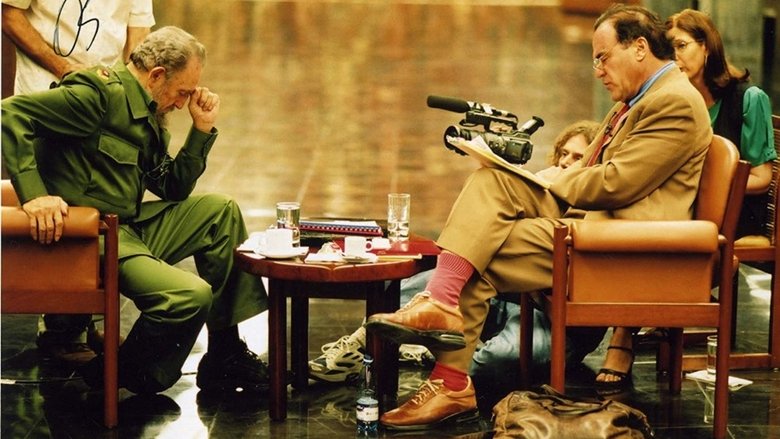
Comandante (2003)
Oliver Stone spends three days filming with Fidel Castro in Cuba, discussing an array of subjects with the president such as his rise to power, fellow revolutionary Che Guevara, the Cuban Missile crisis, and the present state of the country.

Gringo Trails (2014)
Are tourists destroying the planet-or saving it? How do travelers change the remote places they visit, and how are they changed? From the Bolivian jungle to the party beaches of Thailand, and from the deserts of Timbuktu, Mali to the breathtaking beauty of Bhutan, GRINGO TRAILS traces stories over 30 years to show the dramatic long-term impact of tourism on cultures, economies, and the environment.

Corporate Accountability (2020)
Images of Argentinian companies and factories in the first light of day, seen from the inside of a car, while the director reads out documents in voiceover that reveals the collusion of the same concerns in the military dictatorship’s terror.
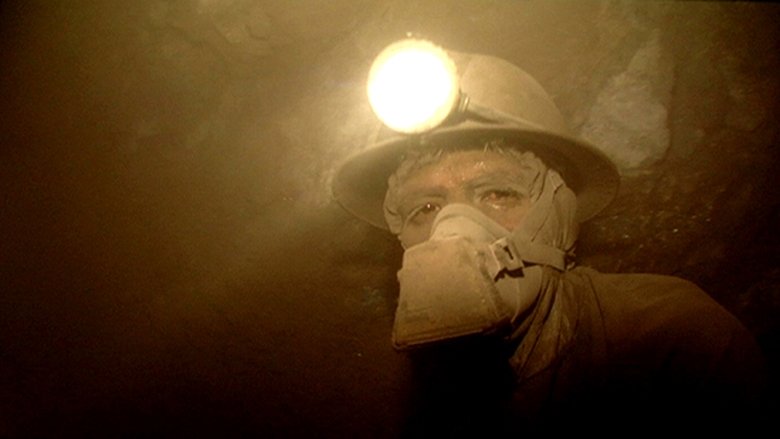
The Devil's Miner (2005)
'The Devil's Miner' tells the story of 14-year-old Basilio who worships the devil for protection while working in a Bolivian silver mine to support his family.
Our Brand Is Crisis (2005)
A documentary on American political campaign marketing tactics and their consequences.
MONTAÑAS (2019)
Bolivia's Climbing Cholitas - a group of indigenous women scaling the Andes Mountains, some of the highest peaks in the world. Shot in Bolivia for Vogue Latin America and Vogue Mexico's 20th anniversary cover story.
When the Bull Cried (2017)
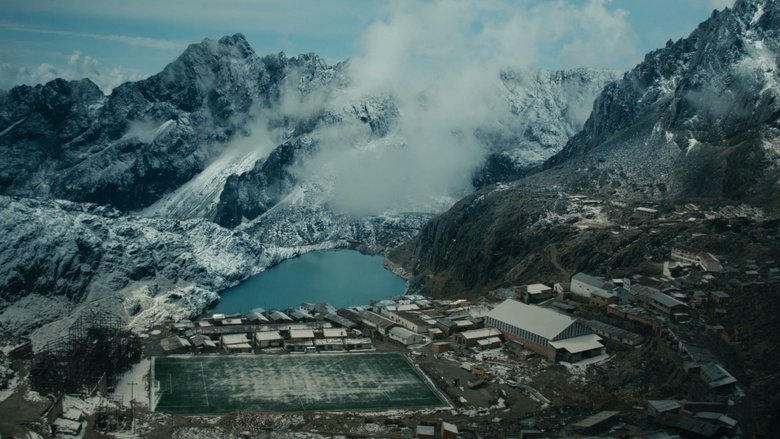
Danger, toil, and superstition pervade life in a mining town high up in the Bolivian mountains. Tin is the heartbeat of the community providing jobs and livelihoods - but at considerable cost. With deaths commonplace, people make offerings to El Tio, the devil under the earth, for protection and good fortune. But when the mountain's flow of tin ebbs, further measures must be taken...
Sacrificio: Who Betrayed Che Guevara (2001)
The two young Swedish journalist's Erik Gandini and Tarik Saleh have worked one year with Sacrificio, a film about the events surrounding the death of Che Guevara. They have traveled the world around and met among others the man who shot Che Guevara and the former CIA agent who walks around with Che's last tobacco in his pistol butt. In their attempts to find out what really happened they discover that the man who is accused of having betrayed Che Guevara as a matter of fact lives in Malmö, in the south of Sweden.
Che Guevara: The making of an icon (2014)
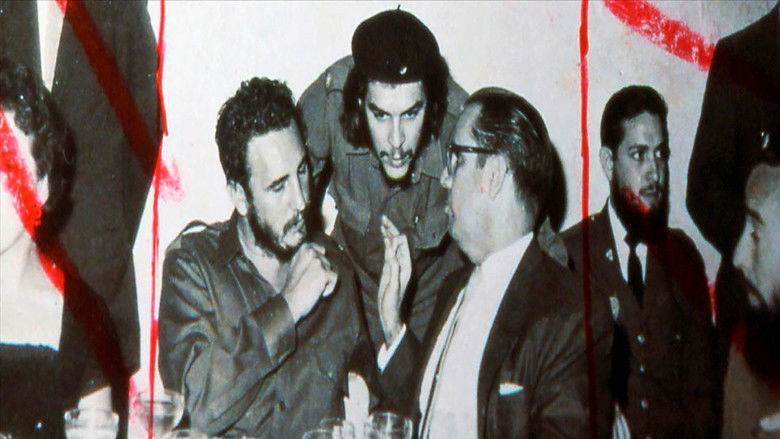
How does a politician – assassinated more than 50 years ago – gradually become a public figure? An extremely vibrant image which shows up where you least expect it. It served as figurehead for the Arab Spring revolutions, from Rabat to Sanaa, whereas we had thought it had been relegated to t-shirts and cigarette lighters. Why has this image become so universal that we are no longer surprised to find it in drawings, graffiti, tattoos and prints on all types of media in all sorts of contexts the world over? How can this image be used to advertise luxury automobiles and also be brandished angrily by indignant agitators? What is the formula that made this figure go viral? This documentary is a journey to investigate and decode a piece of iconography.
Cocalero (2007)
A documentary centered on the union formed by Bolivian farmers in response to their government's (which was urged by the U.S.) effort eradicate coca crops, and the man who would come to represent them, Evo Morales.
My Enemy's Enemy (2007)
Reveals an alternate history of the post-war world. This is a version of history where, in contrast to what we are all told, fascist ideology prevailed. The story of Klaus Barbie, Nazi torturer, American spy, tool of repressive right-wing regimes, is symbolic of the real relationship that the "Western" governments had with fascism and makes us see the world as it is today - and the politicians that inhabit it - in a different way.

Mein fremdes Land (2022)
A Bolivian by birth, who grew up with adoptive parents in the Swabian town of Mössingen, is looking for his family in the mountains of Potosí. Out of poverty, his mother gave the little boy away when he was just a few months old. The search carries a story that goes far beyond personal fate. Because Manuel was born in a region known for the ruthless exploitation of silver. It's a film about identity, homeland and equal opportunities.
Come Back, Sebastiana (1953)
The story of a poor girl who leaves her starving family and sheep for a more prosperous village. Her grandfather finds her and tries to convince her to return to her home.
The Money Lenders (1991)
Critical investigation of The World Bank and IMF. Too hot for PBS, but prime time TV everywhere else. Do the World Bank and IMF make the poor even poorer? Are the Bank and IMF democratic institutions? Why do people demonstrate against the Bank and IMF? For the first time, a documentary global investigation of major criticisms of the World Bank and the International Monetary Fund (IMF), two of the most powerful financial institutions in the world. Five country case studies are presented, each concentrating on a different aspect of critics' charges: 1. Bolivia: Debt, Drugs and Democracy 2. Ghana: The Model of Success 3. Brazil: Debt, Damage and Politics 4. Thailand: Dams and Dislocation 5. Philippines: The Debt Fighters. The charges, including those related to structural adjustment, are controversial and provocative. Some go to the heart of the power and policies of these institutions.
Jaguar's Corner (2010)
In 1946, a group of Latvian Brazilian Baptist missionaries arrived to Rincon del Tigre (“Jaguar’s Corner”), in the backwoods of Bolivia, to preach God’s word to the Ayoreo Indians. After sixty years of selfless work in a largely hostile environment, something seems to have gone terribly wrong. Habituated to living under the protective wings of the mission, the Ayoreos seem neither to be willing to support themselves and start living on their own, nor able to return to their traditional way of life in the jungle. Dressed in second-hand clothes, they are stranded in the backwoods of Western-style civilization, with no particular way to go.