
Top billed cast
 Nina WestNarrator
Similar to Lost Places - Schicksalsorte der deutschen Teilung
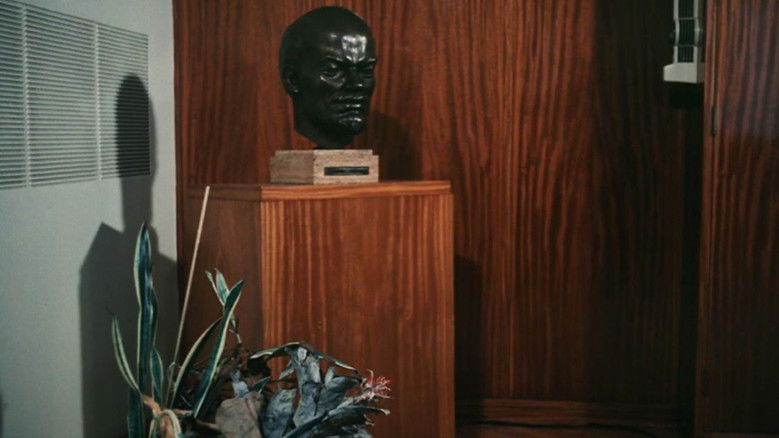
Streng vertraulich oder Die innere Verfassung (1990)
Multilayered documentary about the dissolution of the Ministry for State Security of the GDR: Half a hundred buildings, a thousand rooms, bunkers, its own prisons - the Berlin central complex of the former Ministry of State Security. Workplaces of desk jockeys, hunters, surveillance officers. A labyrinth of human alienation.
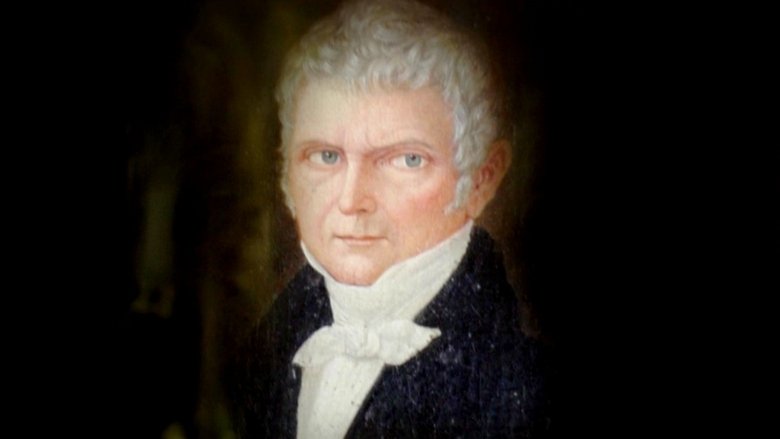
Napoleon’s James Bond (2017)
Charles Louis Schulmeister (1770-1853) was a smuggler and a revolutionary, but also a chief of police and Napoleon Bonaparte's favorite spy. A look back on his adventurous life with the purpose of unraveling the many mysteries of his unique path.
Immer bereit (1950)
Documentary (in colour) about the first youth meeting (Deutschlandtreffen der Jugend) in East Berlin in 1950.
A Hero's Death (2001)
It was the biggest escape in the history of the Berlin Wall: in one historic night of October 1964, 57 East-Berliners try their luck through a tunnel into West Berlin. Just before the last few reach the other side, the East German border guards notice the escape and open fire. Remarkably, all the refugees and their escape agents make it out of the tunnel unscathed, but one border guard is dead: 21-year-old officer Egon Schultz.
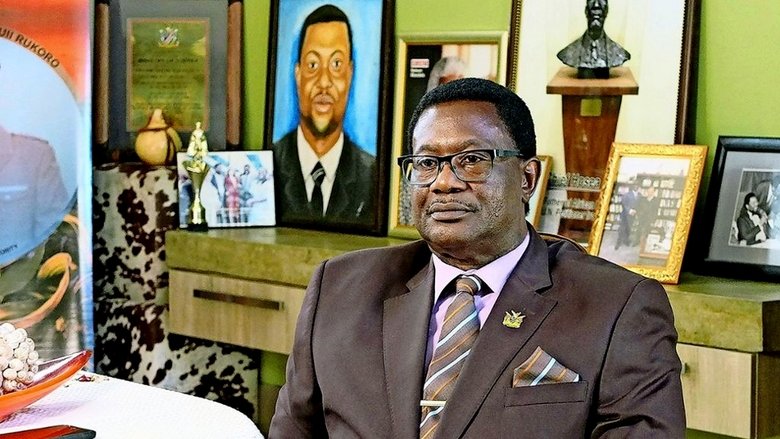
Namibia: The Story of a German Colony (2019)
Germans colonized the land of Namibia, in southern Africa, during a brief period of time, from 1840 to the end of the World War I. The story of the so-called German South West Africa (1884-1915) is hideous; a hidden and silenced account of looting and genocide.
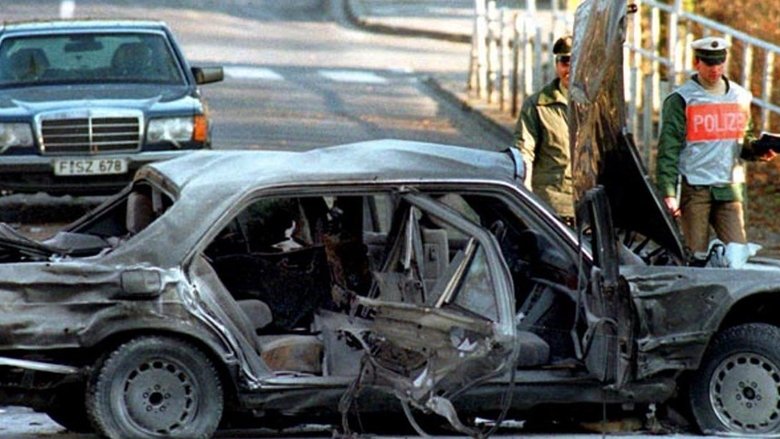
Black Box BRD (2001)
Black Box BRD steps back into German history, showing the Federal Republic of Germany of the 70s and 80s. The country is polarized due to the power struggle of the German state and the "Red Army Faction". Society is torn, the fronts are irreconcilable. The life stories of both Wolfgang Grams and Alfred Herrhausen are tragically linked to this era. Grams is the one who takes up arms for moral rigor; Herrhausen however seizes power and dies when powerful.
Auf der Oder (1970)
Documentary reports on the annual icing of the Oder in the 160-kilometer border area between the GDR and the People's Republic of Poland. Icebreakers from both countries with experienced skippers join forces to make the international waterway between Frankfurt and Szczecin navigable again. Everyone works hard as a team and even a broken-down ship cannot stop them from achieving their goal. A look back at the winter of 1947 with its flooding shows what the freezing of the river and the subsequent thaw can do if the ice floes are not drained into the Baltic Sea via Lake Dammsch in good time. The skippers from both countries have known each other for years and trust each other; the camaraderie that has developed on the Oder unites the people, they control the river in winter for the common benefit of all.
From Us To Me / Vom Wir zum Ich (1988)
This first co-production between the GDR and Great Britain is intended to contribute to an understanding of the situation and attitudes of millions of working people in opposing social orders. Using the example of shipyard workers, fishermen, the brigade and family of a trade union active cook and unemployed person of various ages and professions in Newcastle on the one hand and a brigade of crane operators of the Warnowwerft and fishermen of the Warnemünde cooperative on the other hand, insights into the way of life and attitudes of people of our time are to be conveyed.
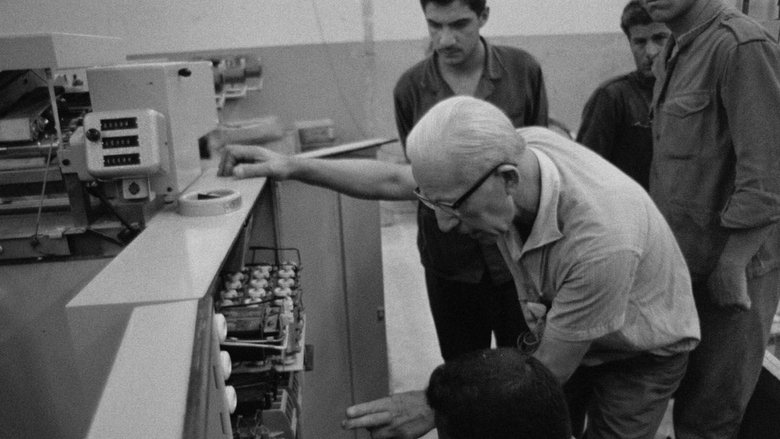
In Syrien auf Montage (1971)
The film is a reportage showing the help of workers from the GDR in the industrial reconstruction of Syria. We witness the friendly relationship between workers from both countries, who are jointly involved in the construction of the cotton spinning mill in Homs. In impressive pictures the exoticism of the environment and the mentality of the Syrian hosts is shown. At the same time it becomes clear that the workers from the GDR become 'ambassadors of the GDR' through their collegial behaviour and good work.
Berlin Hauptbahnhof (1988)
Documents the remodeling of the Ostbahnhof in Berlin Friedrichshain into the central station of the GDR.
Interkosmos (1980)
Short film about astronauts in the GDR
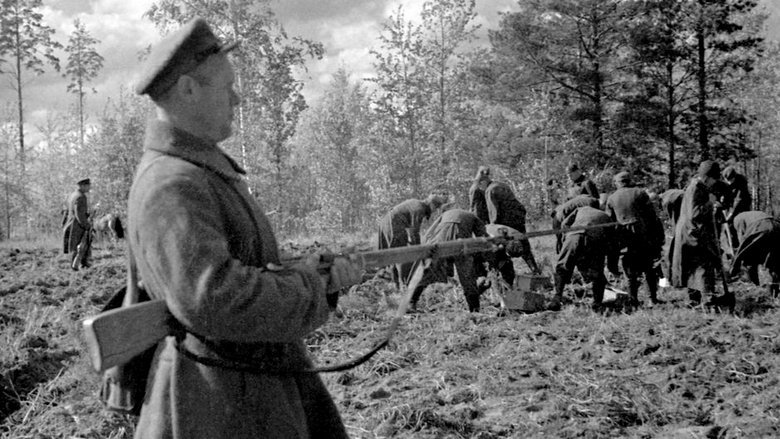
Stalin and the Katyn Massacre (2020)
The Katyn massacre, carried out by the Soviet NKVD in 1940, was only one of many unspeakable crimes committed by Stalin's ruthless executioners over three decades. The mass murder of thousands of Polish officers was part of a relentless purge, the secrets and details of which have only recently been partially revealed.
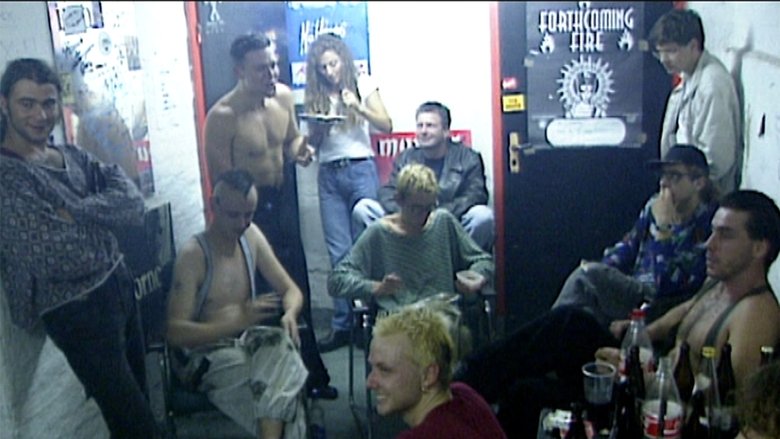
Look Out! (2003)
Hard, harder, hardest! This film orders you from the start to turn up the volume and pay attention. "Look out! We're Coming to Get You!" is a flood of images driven by a tempest of guitars. The film's creators jam 20 years of German music history into 120 minutes of film. Musicians from BLIND PASSENGERS, DIE SKEPTIKER, SANDOW and other bands explode their way through the film. Fans of the DEFA documentary "Flüstern und Schreien" ("Whisper and Shout") already know the stars of that film, Aljoscha, Paul and Flake of the band Feeling B. Here they have a chance to see how these musicians survived the period after the fall of the Berlin Wall and the "escalation of possibilities" that came with it. And you're allowed to laugh, too!
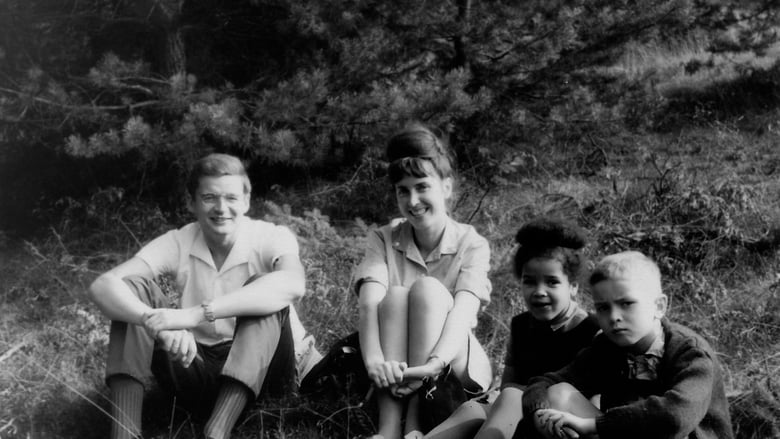
Becoming Black (2019)
In the 1960s, a white couple living in East Germany tells their dark-skinned child that her skin color is merely a coincidence. As a teenager, she accidentally discovers the truth. Years before, a group of African men came to study in a village nearby. Sigrid, an East German woman, fell in love with Lucien from Togo and became pregnant. But she was already married to Armin. The child is Togolese-East German filmmaker Ines Johnson-Spain. In interviews with Armin and others from her childhood years, she tracks the astonishing strategies of denial her parents, striving for normality, developed following her birth. What sounds like fieldwork about social dislocation becomes an autobiographical essay film and a reflection on themes such as identity, social norms and family ties, viewed from a very personal perspective.
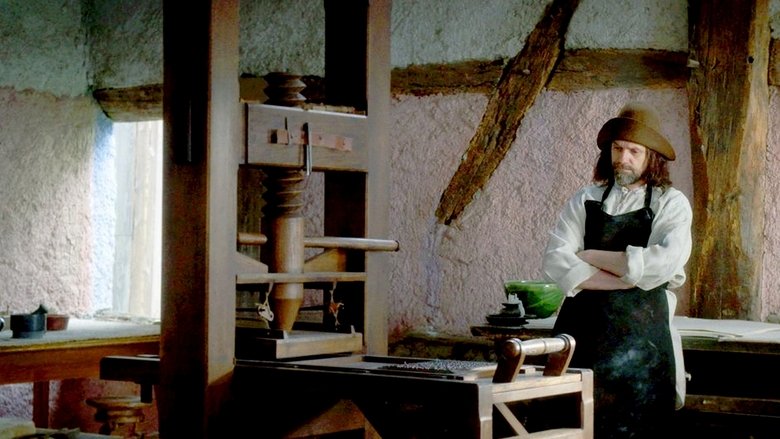
The Gutenberg Enigma (2017)
A portrait of the inventor of the letterpress, who was a key figure in the history of mankind, but also an enthusiastic inventor, a daring businessman, a tenacious troublemaker: the life of Johannes Gutenberg (circa 1400-68).

Tunnel to Freedom (2021)
13 August 1961: the GDR closes the sector borders in Berlin. The city is divided overnight. Escape to the West becomes more dangerous every day. But on September 14, 1962, exactly one year, one month and one day after the Wall was built, a group of 29 people from the GDR managed to escape spectacularly through a 135-meter tunnel to the West. For more than 4 months, students from West Berlin, including 2 Italians, dug this tunnel. When the tunnel builders ran out of money after only a few meters of digging, they came up with the idea of marketing the escape tunnel. They sell the film rights to the story exclusively to NBC, an American television station.

100 Years of the UFA (2017)
The intricate history of UFA, a film production company founded in 1917 that has survived the Weimar Republic, the Nazi regime, the Adenauer era and the many and tumultuous events of contemporary Germany, and has always been the epicenter of the German film industry.
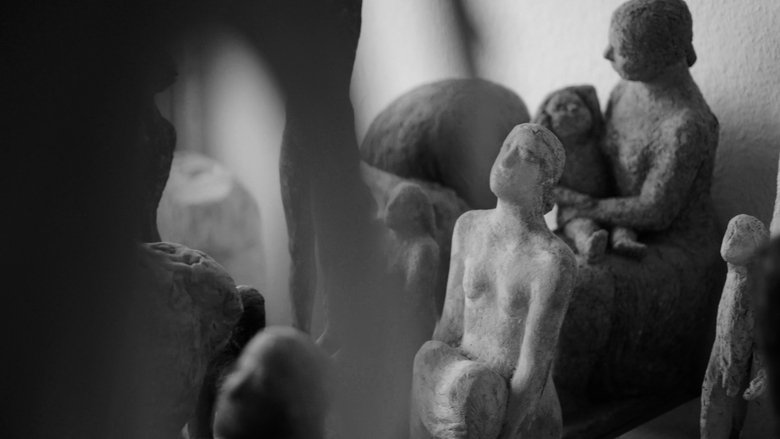
Sieg im Osten (1993)
The army of the GDR, called NVA had not survived the reunification of Germany, it was completely absorbed by the Bundeswehr and scrapped subsequently. But what apparently went on so smoothly as a peaceful unification of hostile brothers quietly left deep scars in the East German landscape.
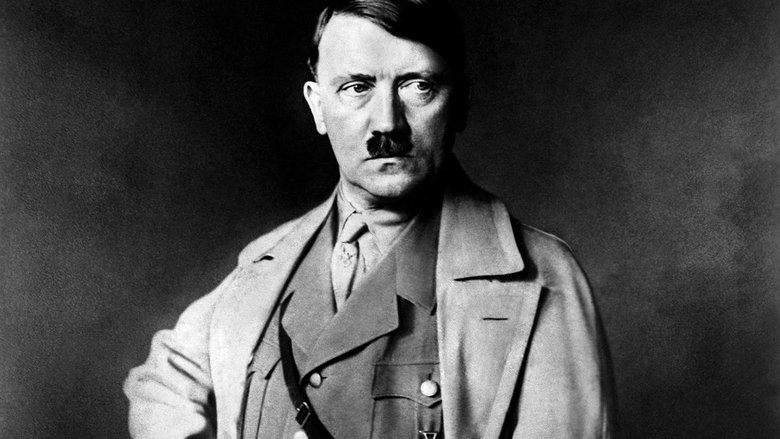
Who was Hitler (2017)
Hitler's biography told like never before. Besides brief historical localizations by a narrator, only contemporaries and Hitler himself speak: no interviews, no reenactment, no illustrative graphics and no technical gadgets. The testimonies from diaries, letters, speeches and autobiographies are assembled with new, often unpublished archive material. Hitler's life and work are thus reflected in a unique way in interaction with the image of the society in the years 1889 to 1945.