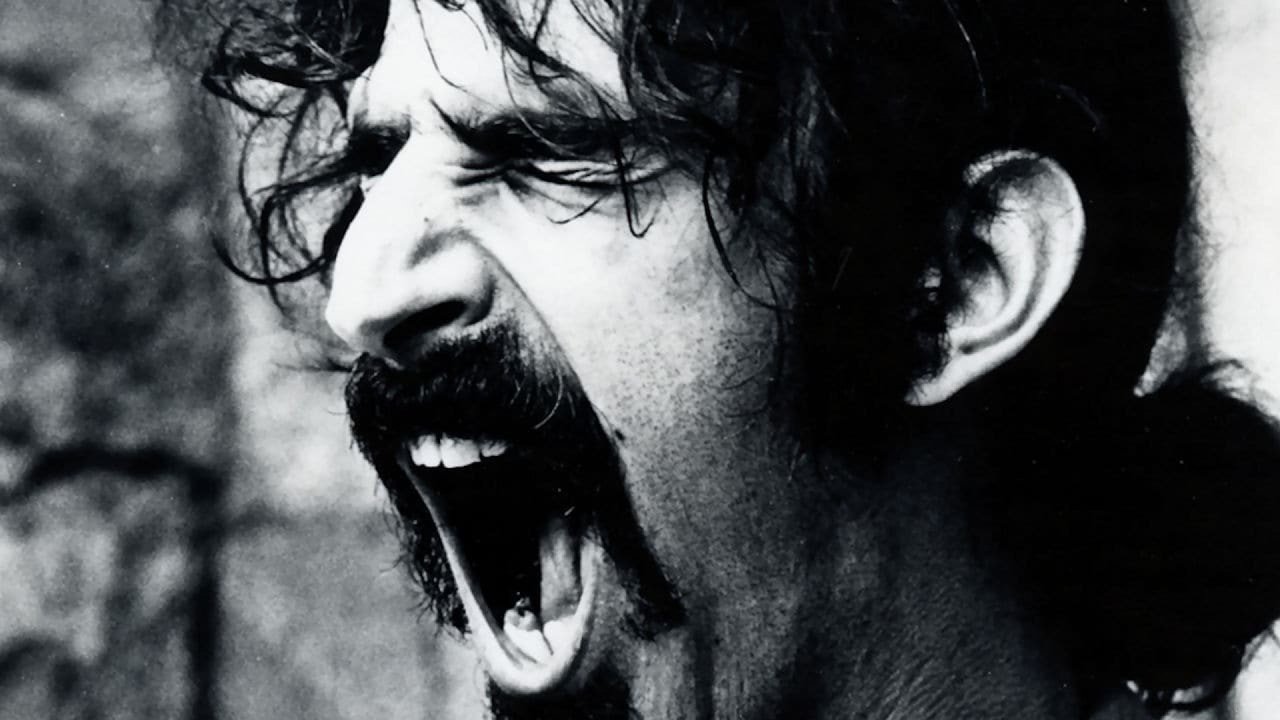
Frank Zappa: Does Humor Belong in Music? (1985)
Frank Zappa and his band in a digitally recorded live performance at "The Pier" in New York, NY on August 26, 1984.
Frank Zappa and his band in a digitally recorded live performance at "The Pier" in New York, NY on August 26, 1984.
 Frank ZappaSelf
 Ray WhiteSelf
 Ike WillisSelfBobby MartinSelf
 Allan ZavodSelfScott ThunesSelf
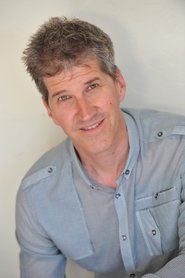 Chad WackermanSelfPablo GuzmanInterviewee: WNEW, New York CityJohn SmothersSelf
(A)lter (A)ction, 1968. Videotape, black-and-white, sound; 65 minutes (director's edit: 57 minute television version).
This DVD features performances and interviews with some of the best drummers to ever work with Frank Zappa: Terry Bozzio, Chester Thompson, Chad Wackerman, Ruth Underwood, and Ralph Humphrey.
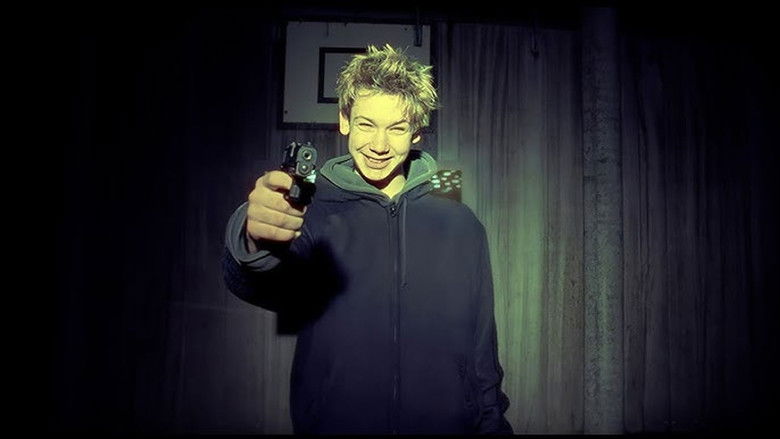
A documentary chronicling the production of British prog rock band Porcupine Tree's ninth studio album.
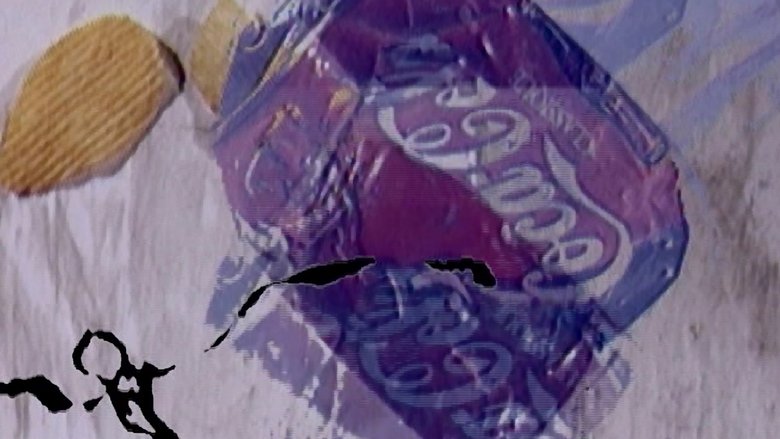
A whirlwind of improvisation combines the images of animator Pierre Hébert with the avant-garde sound of techno whiz Bob Ostertag in this singular multimedia experience, a hybrid of live animation and performance art.
A musical audiovisual journey in four parts. A young man finds himself unexpectedly taking an audiovisual odyssey into a world of surreality, slowly recounting his memories, revealing the puzzle pieces that led him to where he is, and maybe how he can get out.
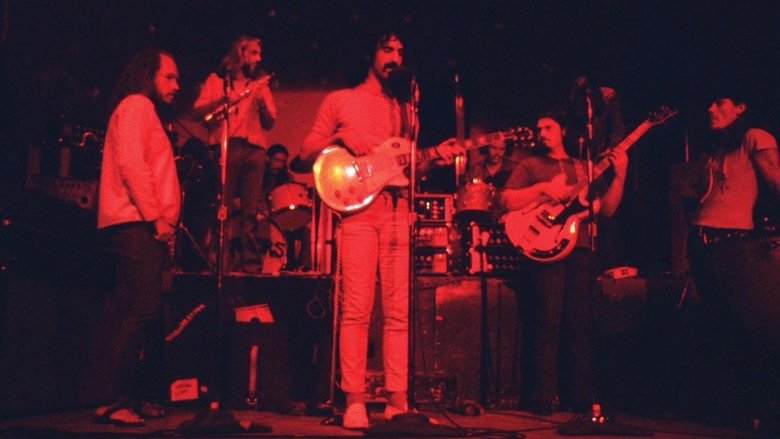
Shot on July 23, 1968, this historical 16mm footage of Frank Zappa and The Mothers of Invention at Whisky a Go Go in West Hollywood, CA has been newly restored from the Vault! The film has been newly synced to the 2023 mixes, marking the first time it's ever been seen with audio. Frank Zappa never had the opportunity to see this footage synced to the music. Now you do. The film was shot in increments and features silent performance footage of The Mothers along with scenes involving The Freaks and the premier of The GTO's (Girls Together Outrageously). In the audience were Flo & Eddie (The Turtles), John Mayall, Elliot Ingber (The Fraternity Of Man), Alice Cooper and members of the Rolling Stones.
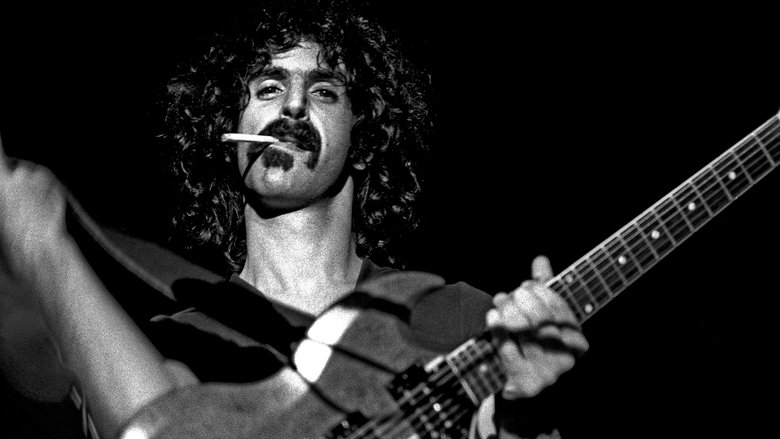
Frank Scheffer's (collage like) documentary on the American composer and rock guitarist Frank Zappa, as broadcast by VPRO in the Netherlands April 22,2007. Most of what’s on here is seen before, particularly in Roelof Kier’s 1971 documentary and/or Scheffer’s own documentary “A present day composer refuses to die”. But there is some new stuff too, particularly interviews with Denny Walley, Haskell Wekler, Elliot Ingber and Bruce Fowler.
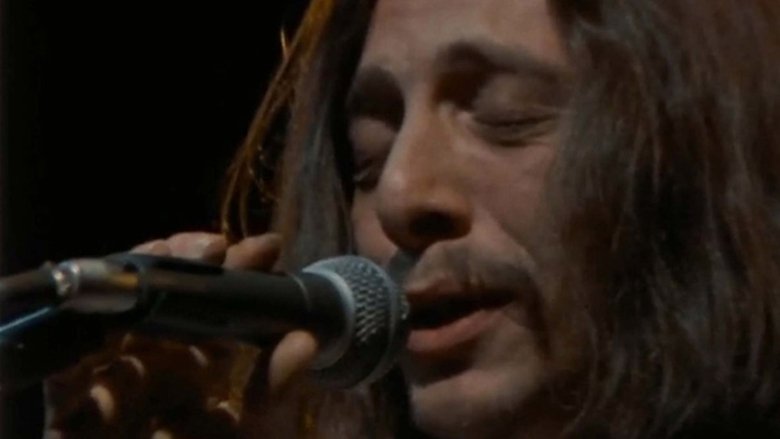
Through concerts and interviews, folk-progressive group Harmonium takes Quebec culture to California. This documentary full of colour and sound, filmed in California in 1978, recounts the ups and downs of the journey of the Quebec musical group Harmonium, who came to feel the pulse of Americans and see if culture, their culture, can succeed in crossing borders.
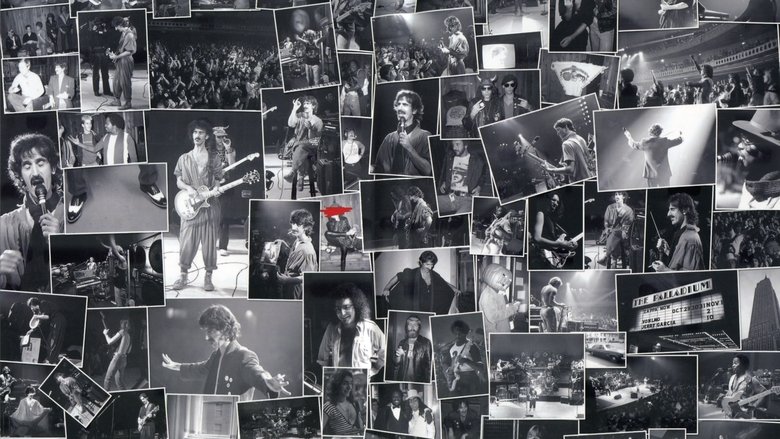
Halloween, New York City, 1981 Live at The Palladium with Ray White, Steve Vai, Bobby Martin, Tommy Mars, Ed Mann, Scott Thunes, Chad Wackerman
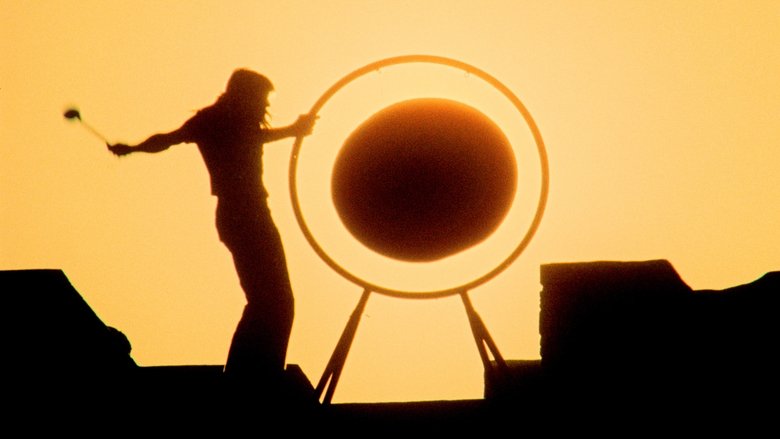
British progressive rock band Pink Floyd perform at the ancient Roman Amphitheater in the ruins of Pompeii, Italy in 1971. Although the band perform a typical live set from the era, there is no audience beyond the basic film crew.
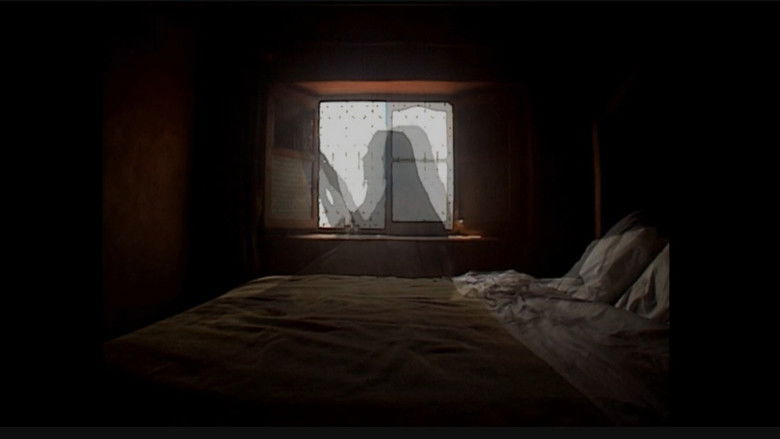
A road movie shot in Morocco, KOCHAB also serves as a long-form music video. It features five tracks from Kahimi's latest album, NUNKI.
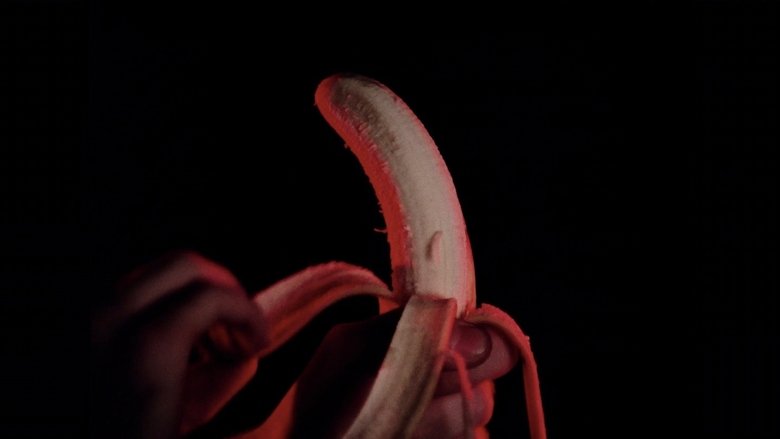
Dislocation in time, time signatures, time as a philosophical concept, and slavery to time are some of the themes touched upon in this 9-minute experimental film, which was written, directed, and produced by Jim Henson. Screened for the first time at the Museum of Modern Art in May of 1965, "Time Piece" enjoyed an eighteen-month run at one Manhattan movie theater and was nominated for an Academy Award for Outstanding Short Subject.
Meet Shavon O'Brien: Her family doesn't understand her, her church ignores her, even Jesus forgets about her. With only the spirit of Sinead O'Connor to guide her, Shavon battles institutional child abuse, narcissistic group think, a talking stomach and a singing poop bucket! Shavon goes from Catholic to Crusty Punk in this very, very, very, dark musical comedy!
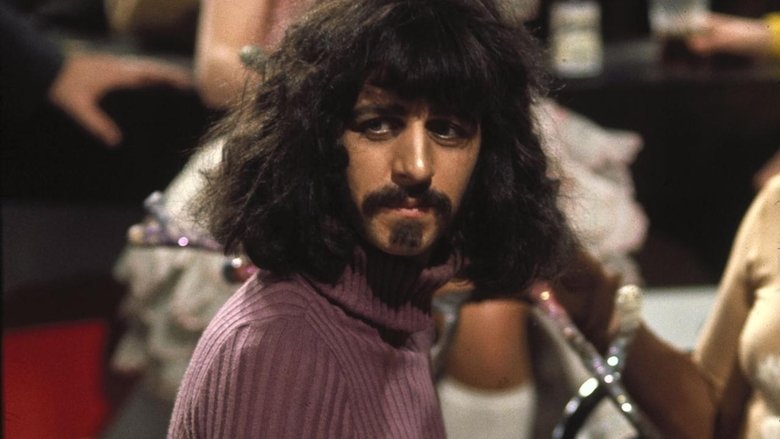
"Touring makes you crazy," Frank Zappa says, explaining that the idea for this film came to him while the Mothers of Invention were touring. The story, interspersed with performances by the Mothers and the Royal Symphony Orchestra, is a tale of life on the road. The band members' main concerns are the search for groupies and the desire to get paid.
This film traces the path Floyd took after the recording of the Animals album - an era when cracks in the band first started to show - and brings the strange story of the group and the intense relationship between Waters and Gilmour right up to date with the unexpected collaboration of these two maverick musicians at a 2010 charity event. Featuring numerous interviews.
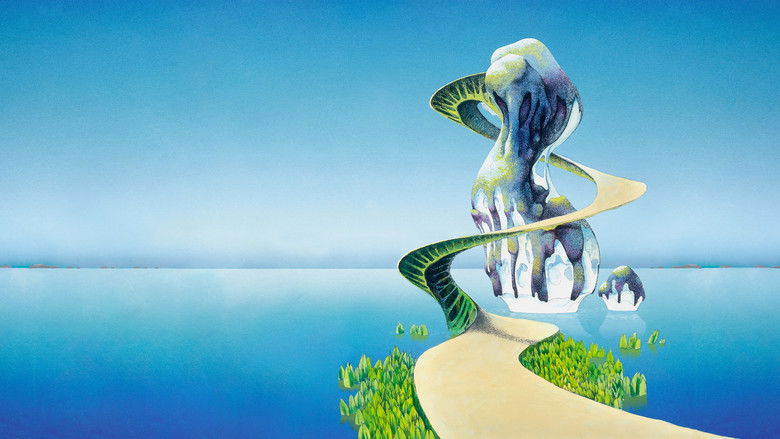
Filmed live at London's Rainbow Theatre in December 1972, the innovative group Yes performs its progressive rock symphonies -- epic compositions that influenced new trends in contemporary music. "Yessongs" provides a visual record of the concert tour that became a groundbreaking tour de force in rock music. This unique concert video of Yes was filmed during their record-breaking tour and features the talents of the five original band members. The massively popular band defined the prog rock movement with their mystical epics which infused both a Medieval and Classical sound into rock music. Titles performed include "Close to the Edge," "All Good People," and "Roundabout."
Created entirely from YouTube videos and edited in Windows Movie Maker, Lopatin recomposes outmoded video graphic landscapes via repetition and abuse.
This programme tells the story behind the conception, recording and release of this groundbreaking album. By use of interviews, musical demonstration, performance, archive footage and returning to the multi tracks with Ahmet Zappa and Joe Travers we discover how Frank Zappa and The Mothers of Invention created the album with the help of legendary African- American producer Tom Wilson.
For the past ten years Zappa in composing has turned away from Rock and Roll music - for which he first became famous - and has been working on new, contemporary, orchestral electronic music; in solitude and beyond any commercial conventions or commitments. It is the first time that Zappa has allowed a film crew to study him during compositional work, actually filming the first moments of a new compositional process. By contrast, in a staged interview Zappa gives comments on music. This film seeks to reveal the sensetivities of Zappa's personality and character also beyond narrative content.