
Round Eyes in the Middle Kingdom (1996)
Filmmaker Ronald Levaco, journeys back to China, the nation of his boyhood days, to discover what became of an old friend of his family, Israel Epstein.
Filmmaker Ronald Levaco, journeys back to China, the nation of his boyhood days, to discover what became of an old friend of his family, Israel Epstein.

After starting a family of his very own in the United States, a gay filmmaker documents his loving, traditional Chinese family's process of acceptance.
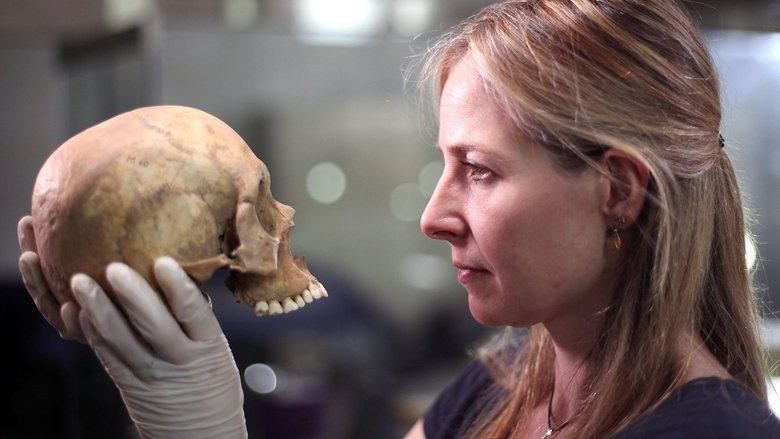
Dan Snow, Dr Alice Roberts and Dr Albert Lin investigate a series of earth-shattering discoveries at a mighty tomb guarded by the Terracotta Warriors in China.
Drawing surprising connections between market methods and CIA torture techniques developed in the 1950s, the film explores how well-known events of the recent past have been theaters for the shock doctrine, from Pinochet's coup in Chile, to the Tiananmen Square Massacre, to the war in Iraq today.
King of the Jews is a film about anti-Semitism and transcendence. Utilizing Hollywood movies, 1950's educational films, personal home movies and religious films, the filmmaker depicts his childhood fear of Jesus Christ. These childhood recollections are a point of departure for larger issues such as the roots of Christian anti-Semitism.
This documentary from 1980 depicts a factory community in China where over 6000 workers process, spin and weave raw cotton into 90 million yards of high-quality cloth per year. Also seen are the workers' residential, social, recreational and educational facilities, all located on factory property. The film presents an engrossing study of a lifestyle that is very different from that of the Western world.
Procreation is the social duty of all fertile women, was the political thinking during the 1960s and 1970s in Romania. In 1966, Ceaucescu issued Decree 770, in which he forbade abortion for all women unless they were over forty or were already taking care of four children. All forms of contraception were totally banned. The New Romanian Man was born. By 1969, the country had a million babies more than the previous average. Romanian society was rapidly changing. By using very interesting archival footage and excerpts from old fiction films and by interviewing famous personalities from that time – gynecologists or mothers who were part of the new society - the director revives this period of tremendous oppression of personal freedom. Many deaths were caused by the mere fact that women, including wives of secret Romanian agents, famous TV presenters, and actresses, had to undergo illegal abortions. Many women were jailed for having them.
The life of a female weaver is thrown onto the socio-political canvas of pre-war and post-war communist Poland through the use of expressive allegorical and symbolic imagery in this imaginative take on the documentary form.

Between 1947 and 1951, more than 80 000 Greek men, women and children were deported to the isle of Makronissos (Greece) in reeducation camps created to ‘fight the spread of Communism’. Among those exiles were a number of writers and poets, including Yannis Ritsos and Tassos Livaditis. Despite the deprivation and torture, they managed to write poems which describe the struggle for survival in this world of internment. These texts, some of them buried in the camps, were later found. «Like Lions of stone at the gateway of night» blends these poetic writings with the reeducation propaganda speeches constantly piped through the camps’ loudspeakers. Long tracking shots take us on a trance-like journey through the camp ruins, interrupted along the way by segments from photographic archives. A cinematic essay, which revives the memory of forgotten ruins and a battle lost.

China is pushing hard into German and European markets. Furthermore, Beijing is developing into an increasingly powerful military power. An investigative reporter team from BR, rbb, and SWR is investigating the impact this has on Germany's internal and external security.
Ben Stewart, the bright young musician and philosopher who brought us the sleeper hit "Esoteric Agenda", unveils his new work, Kymatica!. Kymatica will venture into the realm of Cymatics and Shamanic practices. It will offer insight into the human psyche and discuss matters of spirituality, altered states of consciousness and much more! Not to be missed!
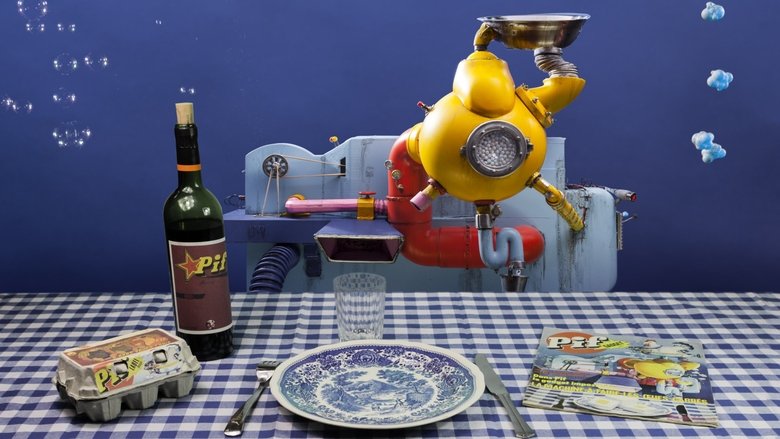
Taking stock of the extraordinary adventure of "Pif Gadget", a French publishing phenomenon of the 1970s-80s and even of the whole history of children's press. For the comic-strip magazine with the iconic dog, created in 1969 by the French Communist Party, often reached a million copies. With editions available for all of Europe (including Germany, under the title Yps), and on both sides of the Iron Curtain.
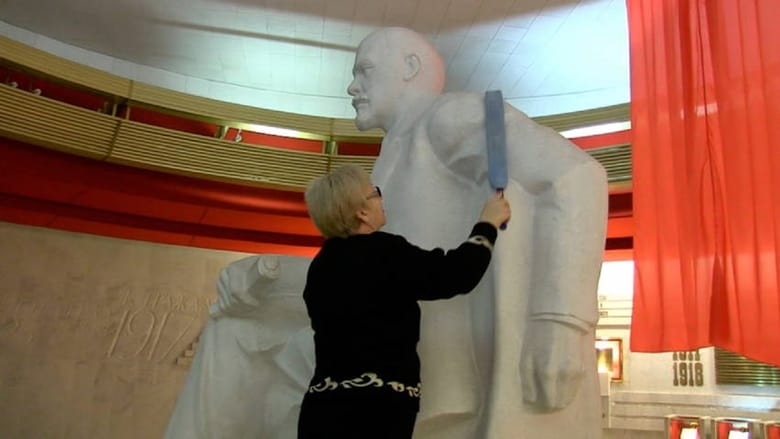
At the peak of Perestroika, in 1987, in the village of Gorki, where Lenin spent his last years, after a long construction, the last and most grandiose museum of the Leader was opened. Soon after the opening, the ideology changed, and the flow of pilgrims gradually dried up. Despite this, the museum still works and the management is looking for ways to attract visitors. Faithful to the Lenin keepers of the museum as they can resist the onset of commercialization. The film tells about the modern life of this amazing museum-reserve and its employees.
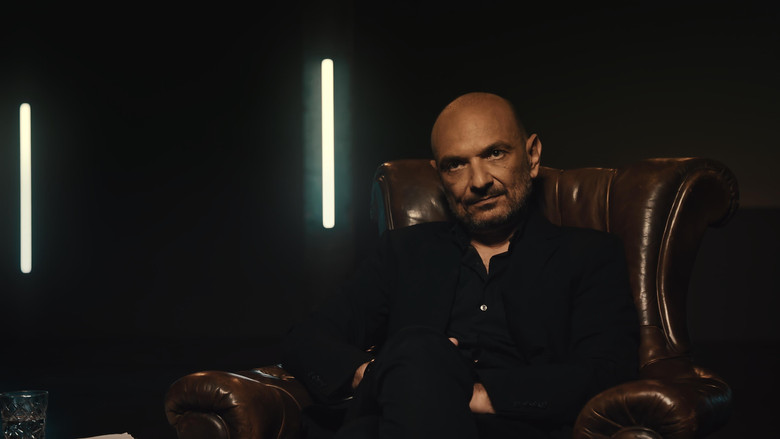
The free, almost naive view from the perspective of a child puts the "68ers" in a new, illuminating light in the anniversary year 2008. The film is a provocative reckoning with the ideological upbringing that seemed so progressive and yet was suffocated by the children's desire to finally grow up. With an ironic eye and a feuilletonistic style, author Richard David Precht and Cologne documentary film director André Schäfer trace a childhood in the West German provinces - and place the major events of those years in completely different, smaller and very private contexts.
A Life Apart: Hasidism in America, is the first in-depth documentary about a distinctive, traditional Eastern European religious community. In an historic migration after World War II, Hasidism found it's most vital center in America. Both challenging and embracing American values, Hasidim seek those things which many Americans find most precious: family, community, and a close relationship to God. Integrating critical and analytical scholarship with a portrait of the daily life, beliefs, and history of contemporary Hasidic Jews in New York City, the film focuses on the conflicts, burdens, and rewards of the Hasidic way of life.
Paul Robeson was a celebrated African-American Actor, Athlete, Singer, Writer, and Civil Rights Activist. Robeson's many achievements are chronicled in this program, ranging from playing with the NFL to graduating from Columbia Law School, performing on Broadway and in Hollywood films to founding the American Crusade against Lynching as well as Council on African Affairs. Robeson was one of the most talented performers of his time and a dedicated humanitarian who ultimately sacrificed fame and fortune for what he believed in. His association with Leftist Politics during the era of the Cold War, and frequent denouncing of American political parties led to his eventual blacklisting with other prominent writers and artists during the McCarthy Era. His talents in all areas are remarkable, and his dedication to attaining a peaceful coexistence between all the people of the world is truly admirable.
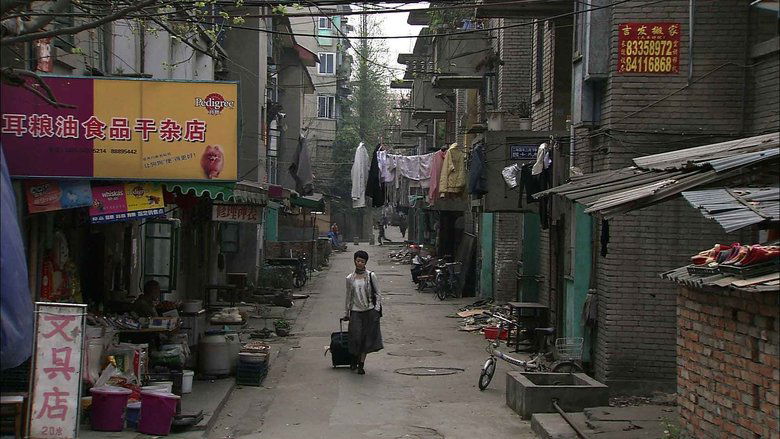
As a decades-old state-run aeronautics munitions factory in downtown Chengdu, China is being torn down for the construction of the titular luxury apartment complex, director Jia Zhangke interviews various people affiliated with it about their experiences.
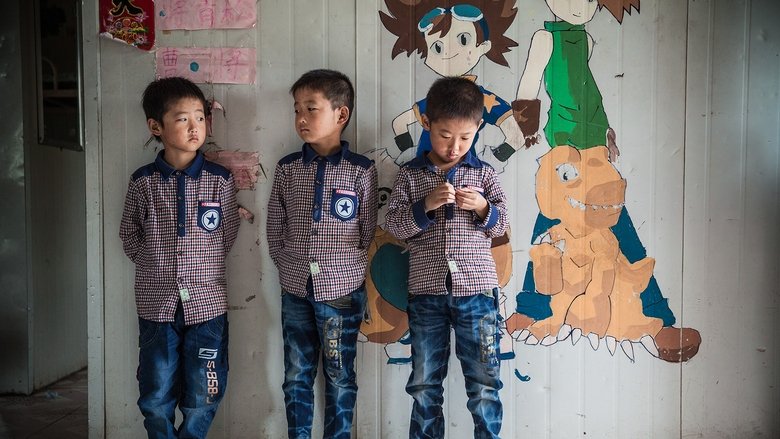
In China more people are on death row than the rest of the world combined. The children of the convicts are often left alone, stigmatized and living in the streets. Grandma Zhang, as the kids call her, is a former prison guard who has founded an orphanage in Nanzhao.