Syndrome K (2019)
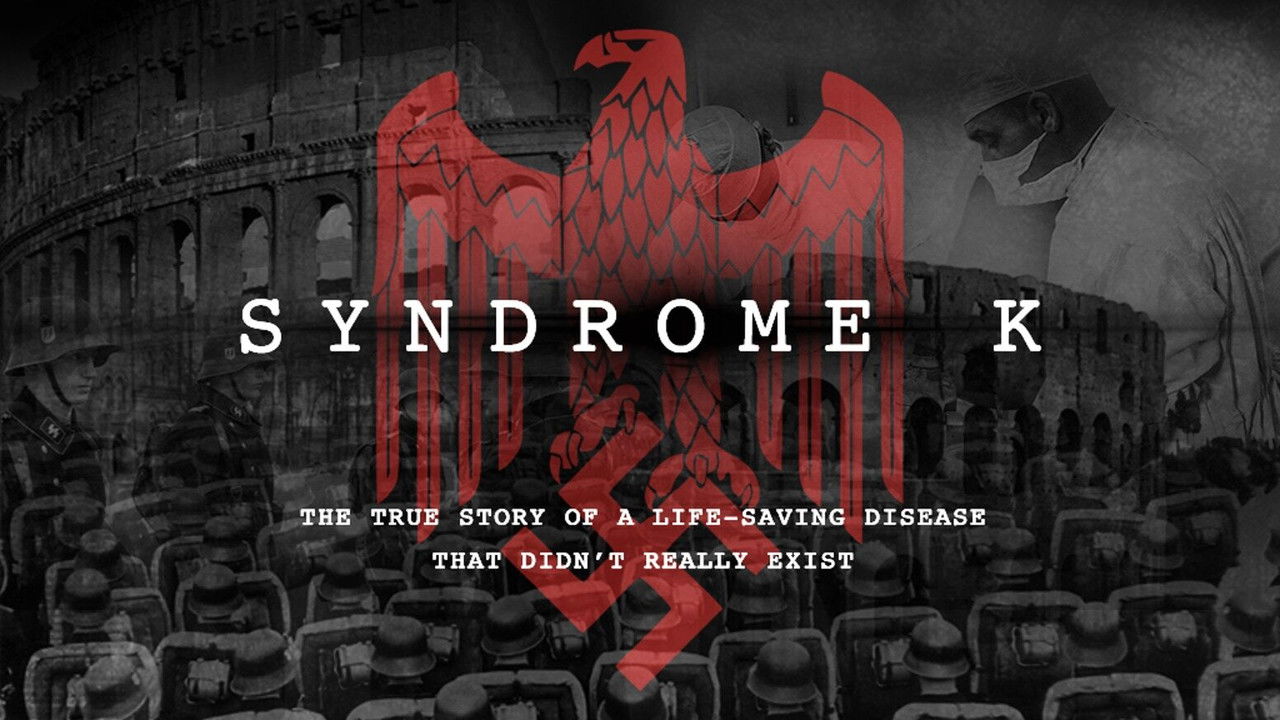
Syndrome K is the true story about a highly contagious, highly fictitious disease created by three Roman Catholic doctors during the holocaust to hide Jews in a Vatican-affiliated hospital.
Syndrome K is the true story about a highly contagious, highly fictitious disease created by three Roman Catholic doctors during the holocaust to hide Jews in a Vatican-affiliated hospital.
 Ray LiottaNarrator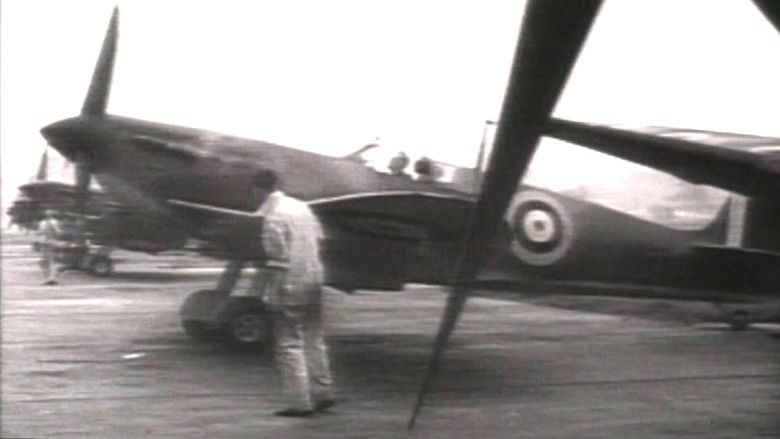
Three part documentary of the history of the Royal Air Force during World War Two. They combine actual Air Ministry films and period newsreel footage with interviews of surviving members of the air force. The first part covers the period from the 'phoney war', the invasion of Poland and the early bombing raids on enemy shipping, through to the attacks on France. Aircraft featured include the Blenheim and Wellington bombers, the Sunderland flying boat, Spitfires and Hurricanes and the opposing ME109.

A short documentary covering the conclave and election of Pope Pius XII.
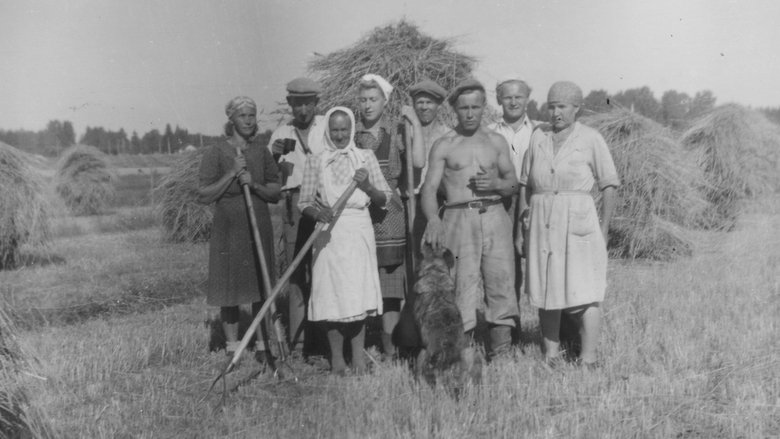
The Unknown Woman is a documentary film scripted and directed by Elina Kivihalme. It depicts the reality of Finnish agriculture and forestry during the war years, when the home front relied entirely upon the work and endurance of the women. All farm work, caring for the children, woodcutting and other forestry operations were undertaken by the civilians, as the men in their prime were on the front.
Canada: A People's History - Episode 14: 1940 to 1946 CE. Canada comes of age in the anguish of World War II, with soldiers on the beaches at Dieppe and women in the industrial work force back home. The country's military role, and the domestic, social and political consequences of the war are traced through poignant stories of Canadians on both sides of the Atlantic. The horrific global conflict steals the innocence of a generation... but brings hope for a new future.
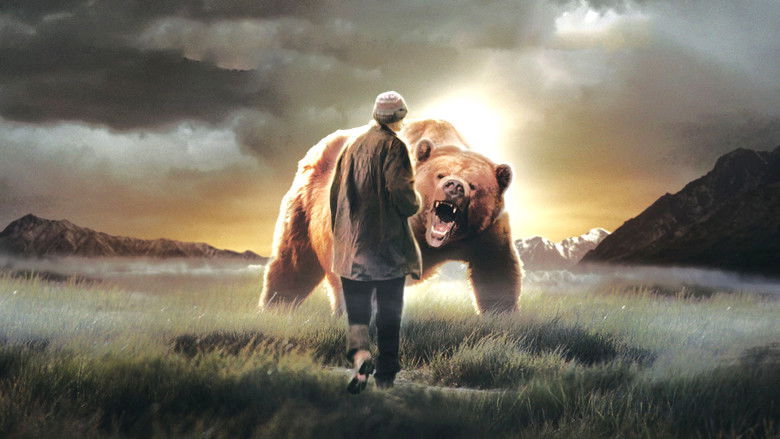
Follows the story of "Grizzly Man" Timothy Treadwell and what the thirteen summers in a National Park in Alaska were like in his attempt to protect the grizzly bears. The film is full of unique images and a look into the spirit of a man who sacrificed himself for nature.
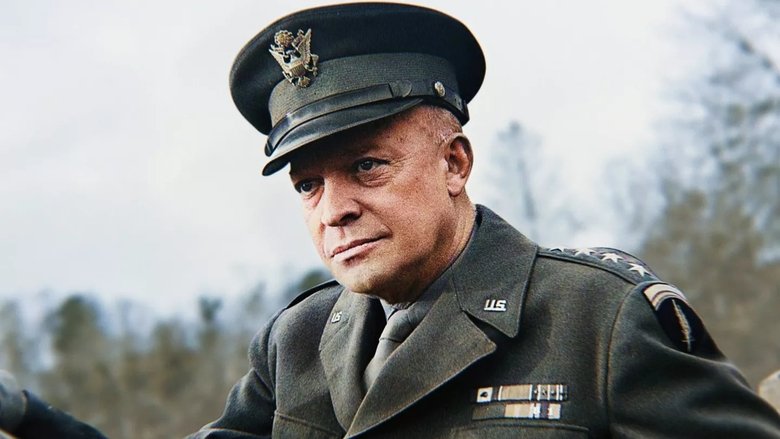
Using restored, colorized archives and testimonies from all the players in this conflict, this documentary covers the hundred days of apocalyptic fighting that wrote History. June 1944, the Allies landed in Normandy. This odyssey was meticulously prepared for months. The construction of two artificial ports, the transport of Anglo-American troops, their training cost colossal efforts, and caused many cold sweats: the secret of D-Day almost came to light several times. The documentary reveals the inner workings of Operation Overlord, it also deciphers the military operations, and evokes the choices of the high command. Placed at human level, it retraces the fate of Norman civilians subjected to deadly bombings, the attitude of the Allied soldiers and their German adversaries, as well as the aspirations of the French population, torn between fear and hope.
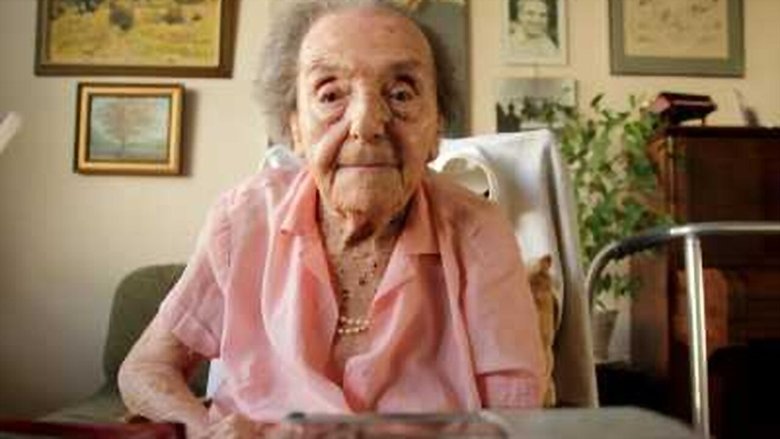
The story of Alice Herz-Sommer, a German-speaking Jewish pianist from Prague who was, at her death, the world's oldest Holocaust survivor. She discusses the importance of music, laughter, and how to have an optimistic outlook on life.
To mark the 70th anniversary of the Dunkirk evacuation, Dan Snow tells the story of the 'little ships' which made the perilous cross-channel voyage, as 50 of them return to France.
Documentary on the young builders who'll rebuild Britain after the war.
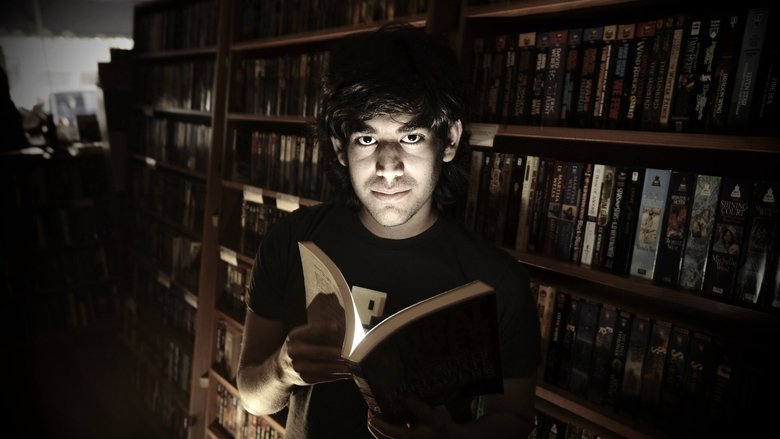
Programming prodigy and information activist Aaron Swartz achieved groundbreaking work in social justice and political organizing. His passion for open access ensnared him in a legal nightmare that ended with the taking of his own life at the age of 26.
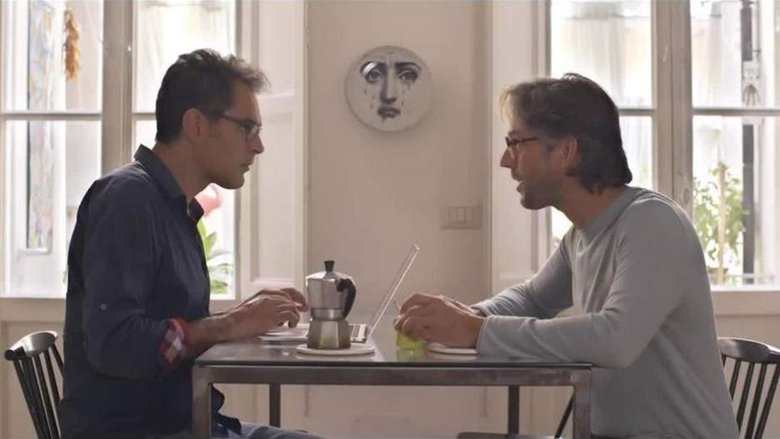
A documentary in which Luca Ragazzi and Gustav Hofer research the origins of sexism in the west and in Italy, the land of Berlusconi, Mussolini and Casanova, a nation with 887 words to say "penis".
Made in 1940 and sponsored by the Ministry of Information this film shows the food contributions supplied to Britain by various colonies and dominions. 'Food from the Empire highlights the severity of the food issue, by discussing food production as a battle (...) and offers insights into British attitudes towards its colonies and dominions. The commentary notes that the ‘free people’ of these countries are ‘anxious to send every ounce they can to the United Kingdom for they know that upon the ability of Great Britain to hold out depends their own freedom’. Britain is depicted as a dominant power, fighting to protect those within the Empire, while the colonies are loyal and ‘anxious’ to help.' - Tom Rice, on the film from colonialfilm.org.
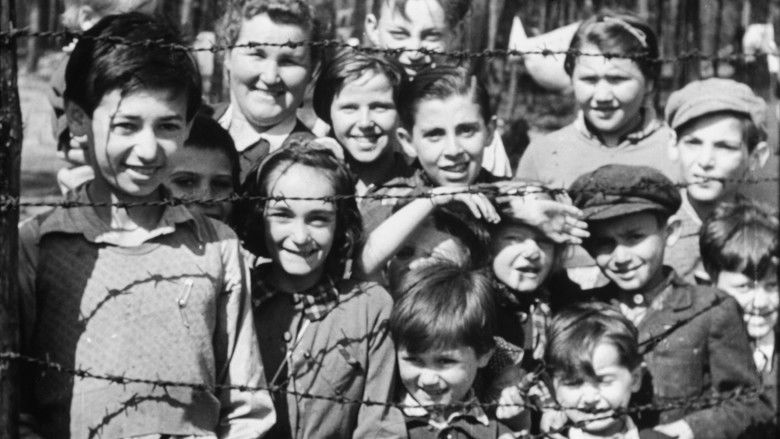
On the 29th September 1945, the incomplete rough cut of a brilliant documentary about concentration camps was viewed at the MOI in London. For five months, Sidney Bernstein had led a small team – which included Stewart McAllister, Richard Crossman and Alfred Hitchcock – to complete the film from hours of shocking footage. Unfortunately, this ambitious Allied project to create a feature-length visual report that would damn the Nazi regime and shame the German people into acceptance of Allied occupation had missed its moment. Even in its incomplete form (available since 1984) the film was immensely powerful, generating an awed hush among audiences. But now, complete to six reels, this faithfully restored and definitive version produced by IWM, is being compared with Alain Resnais’ Night and Fog (1955).
In March 1943, twenty-year-old Ovadia Baruch was deported together with his family from Greece to Auschwitz-Birkenau. Upon arrival, his extended family was sent to the gas chambers. Ovadia struggled to survive until his liberation from the Mauthausen concentration camp in May 1945. While in Auschwitz, Ovadia met Aliza Tzarfati, a young Jewish woman from his hometown, and the two developed a loving relationship despite inhuman conditions. This film depicts their remarkable, touching story of love and survival in Auschwitz, a miraculous meeting after the Holocaust and the home they built together in Israel. This film is part of the "Witnesses and Education" project, a joint production of the International School for Holocaust Studies and the Multimedia Center of the Hebrew University of Jerusalem. In this series, survivors recount their life stores - before, during and after the Holocaust. Each title is filmed on location, where the events originally transpired.
BBC TV movie about the life of the late Francesco Forgione, widely known as Padre Pio.
"Life has passed and we have achieved nothing" Thats's what Ester the youngest says. The eldest, Karola, keeps quite. Fruma, who is my mother, tries to write what she remembers. Three sisters in thier 70's, Holocaust survivors. More then 50 years have passed and still they can't talk of thier memories. This is a film about the trauma...
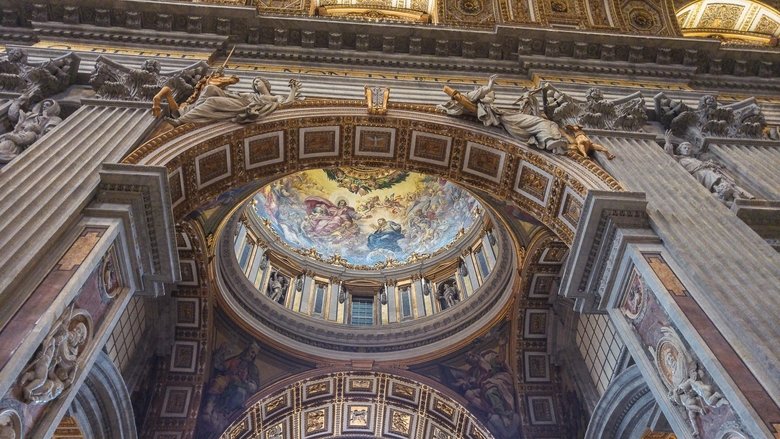
What started as a simple tomb became over a 2,000 years history the universal seat of Christendom and is today one of the most visited museum in the world with invaluable collections of Arts, Manuscripts, Maps. Using spectacular 3D modelisation and CGI to give viewers as never before a true understanding of the history of this architectural masterpiece and its extensions, the film will also use animation to tell relevant historical events. This heritage site reveals new untold secrets with the help of historians deciphering the Vatican’s rich archives and manuscripts collection and following the restorations at work (newly discovered frescoes by Raphael) and recent excavations. A story where Religion, Politics, Arts and Science meet to assert religious authority and serve as a spiritual benchmark.