
Moving City (2020)
A city person discovers twelve paths with a different sense of time. What makes us come alive? Will we go on the same way?
A city person discovers twelve paths with a different sense of time. What makes us come alive? Will we go on the same way?
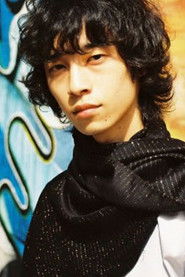 Kuniaki Nakamura
Sylvia Kristel – Paris is a portrait of Sylvia Kristel , best known for her role in the 1970’s erotic cult classic Emmanuelle, as well as a film about the impossibility of memory in relation to biography. Between November 2000 and June 2002 Manon de Boer recorded the stories and memories of Kristel. At each recording session she asked her to speak about a city where Kristel has lived: Paris, Los Angeles, Brussels or Amsterdam; over the two years she spoke on several occasions about the same city. At first glance the collection of stories appears to make up a sort of biography, but over time it shows the impossibility of biography: the impossibility of ‘plotting’ somebody’s life as a coherent narrative.
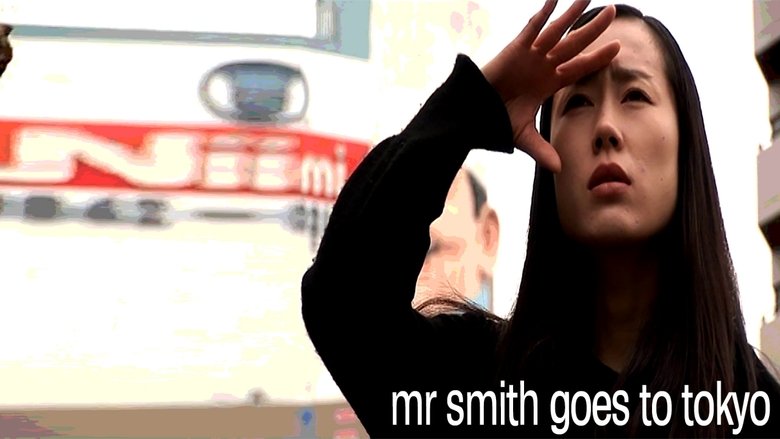
When Tomoko finds some messages for a 'Mr Smith' on a lost mobile phone, she finds herself on an 'Alice in Wonderland' journey through Tokyo's boulevards and back alleys. From the tyranny of symmetry in soaring office blocks - to buildings that look like space-ships, this creative documentary shows us the city's soul.
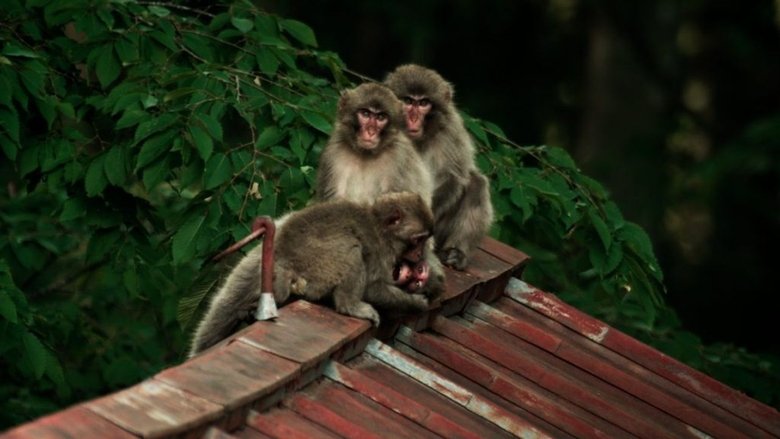
It may be the largest and most densely populated city on Earth, but Tokyo’s 14 million human residents share their home with an astonishing array of wildlife. From jewel beetles and goshawks in the city’s shrines to the forests of Okutama where bears, monkeys and tanuki feast, this film reveals the power of nature in Japan’s capital.
The film is set on September 1th, 1923 , when a huge earthquake hits Tokyo . The quake caused buildings to collapse, and the city was reduced to ashes by fire. The Great Kanto Earthquake killed more than 105,000 people. 100-year-old films recording this catastrophe have been found all over the country.But who filmed the turmoil of Tokyo, chased by raging fires?After investigating, I come across three cameramen. They turned the hand-cranked camera in a trance without being ordered by anyone.
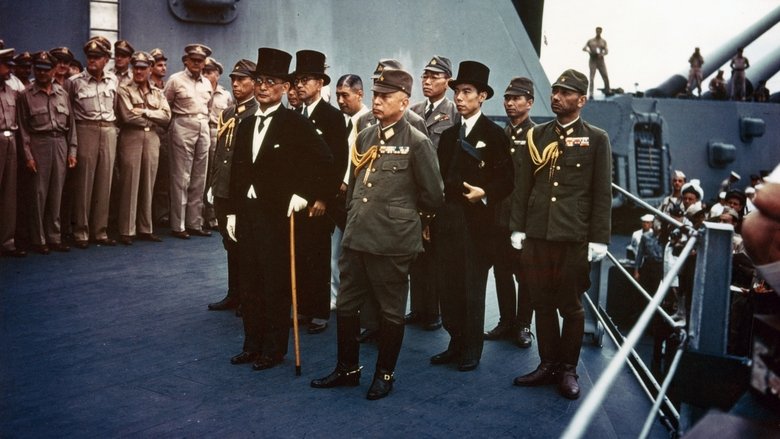
Produced by the Army Pictorial Service, Signal Corps, with the cooperation of the Army Air Forces and the United States Navy, and released by Warner Bros. for the War Activities Committee shortly after the surrender of Japan. Follow General Douglas MacArthur and his men from their exile from the Philippines in early 1942, through the signing of the instrument of surrender on the USS Missouri on September 1, 1945. Preserved by the Academy Film Archive in 2013.
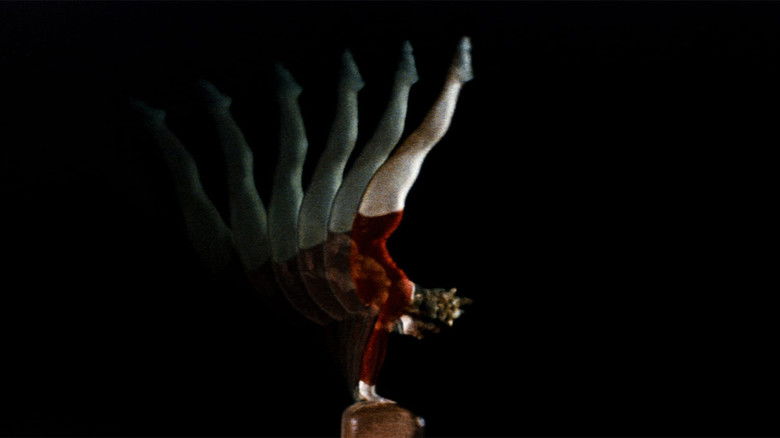
This impressionistic portrait of the 1964 Tokyo Summer Olympics pays as much attention to the crowds and workers as it does to the actual competitive events. Highlights include an epic pole-vaulting match between West Germany and America, and the final marathon race through Tokyo's streets. Two athletes are highlighted: Ethiopian marathon runner Abebe Bikila, who receives his second gold medal, and runner Ahamed Isa from Chad, representing a country younger than he is.

Three men embark on a journey in search of meaning and happiness in the autumn of their lives: Bob swaps his safe home for a camper van and tries to find himself in the barren Californian desert; Steve, drag queen and stand-up comedian, is fed up of England and makes amends with his past in Benidorm; Yamada rediscovers his smile by reading stories to children in Tokyo.
Tokyo is a fascinating city of extremes, blending the old traditions with visions of the future and an extraordinary pace of life. A shock of skyscrapers and neon, it's a gleaming example of Japan's post World War II success. Traveller Ian Wright begins his stay by experiencing the spiritual side of Tokyo at the peace loving Senso-ji temple. After a gentle introduction he throws himself into the pace of the city and discovers some incredible technology and fashion! He then heads to Mount Fuji for a crowded climb to the summit, before ending his trip experiencing the infamous Tokyo nightlife.
20 minute music documentary shot in two days of November 1984 in, and around the outskirts of, Tokyo, Japan. A large part of the music was completed during that same month and recorded over a period of three days.
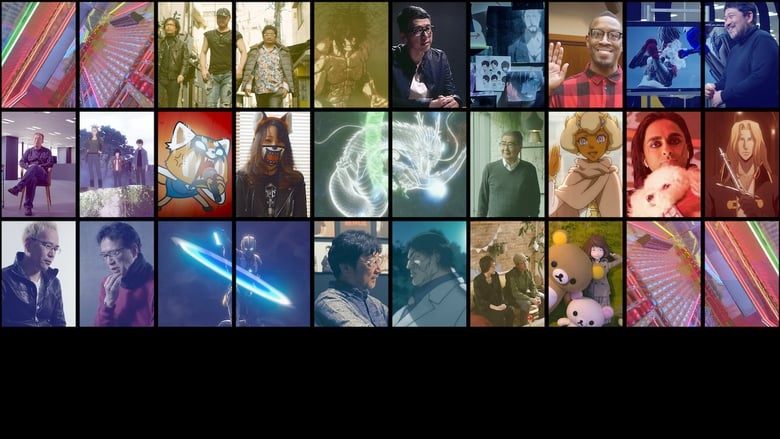
What is anime? Through deep-dives with notable masterminds of this electrifying genre, this fast-paced documentary seeks to find the answers.
A Texan begins a cross-country journey in hope of finding the empty loft she keeps seeing in visions.
In continuous motion with no end or barrier in its way.

A manufactured memory.
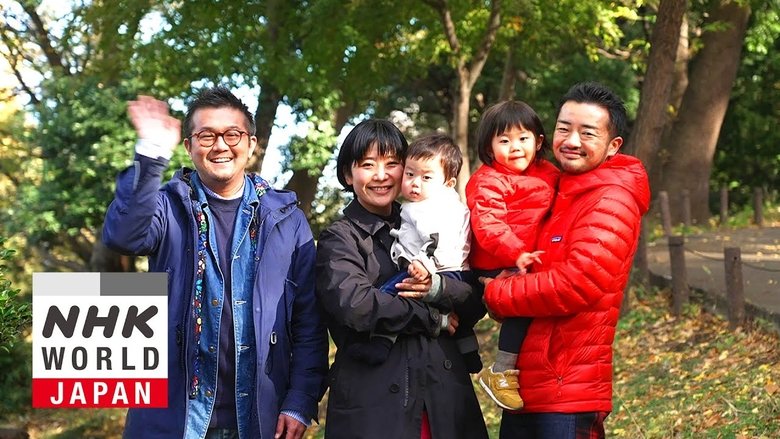
Siblings Aru, age 3, and Kino, age 1, have 3 parents: father Fumino, who is transgender; mother Honoyo, Fumino's partner who gave birth to the children; and father Gon, a close gay friend who donated his sperm. The 3 are now raising their children together, struggling repeatedly to find their own way of being a family. This program covers their first 3 years of parenting. And it asks an important question: What does it take to be a family?
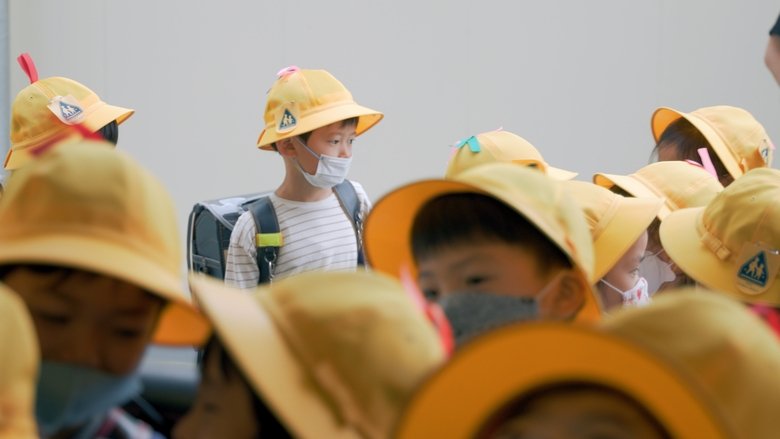
Intimately following 1st and 6th graders at a public elementary school in Tokyo, we observe kids learning the traits necessary to become part of Japanese society.
A nine-hour program that shows a man walking backwards through Tokyo – and nothing else – it appears. Ludovic Zuili, walking backwards through the capital of Japan. The video is shown back to front so that Zuili seems to be walking normally through a world moving back in time.
A modern geisha travels through Japan trying to find a job as entertainer, and ends up by finding love and a job as ama, a pearl diver.
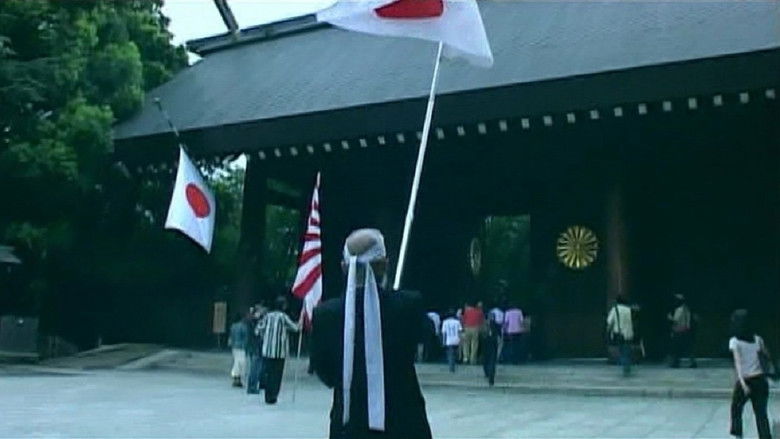
The film looks at the history of Yasukuni Shrine in Chiyoda, Tokyo, where more than 2 million of Japan's war dead are enshrined. More than 1,000 of them are war criminals convicted at the 1946–48 Tokyo tribunal, including 14 Class-A war criminals, Hideki Tōjō among them. The film shows not only the widely reported political incidents associated with the shrine, but also takes an in-depth look at the shrine's sword-making tradition, the Yasukuni sword being the film's underlying motif.
Just after midnight on 10 March 1945, the US launched an air-based attack on eastern Tokyo; continuing until morning, the raid left more than 100,000 people dead and a quarter of the city eradicated. Unlike their loved ones, Hiroshi Hoshino, Michiko Kiyooka and Minoru Tsukiyama managed to emerge from the bombings. Now in their twilight years, they wish for nothing more than recognition and reparations for those who, like them, had been indelibly harmed by the war – but the Japanese government and even their fellow citizens seem disinclined to acknowledge the past.