
British Settler Life in Kenya (1944)
This 1944 black and white silent film provides brief glimpses of the lifestyle among Kenya's white/European settlers during the Second World War.
This 1944 black and white silent film provides brief glimpses of the lifestyle among Kenya's white/European settlers during the Second World War.
In Uganda, AIDS-infected mothers have begun writing what they call Memory Books for their children. Aware of the illness, it is a way for the family to come to terms with the inevitable death that it faces. Hopelessness and desperation are confronted through the collaborative effort of remembering and recording, a process that inspires unexpected strength and even solace in the face of death.
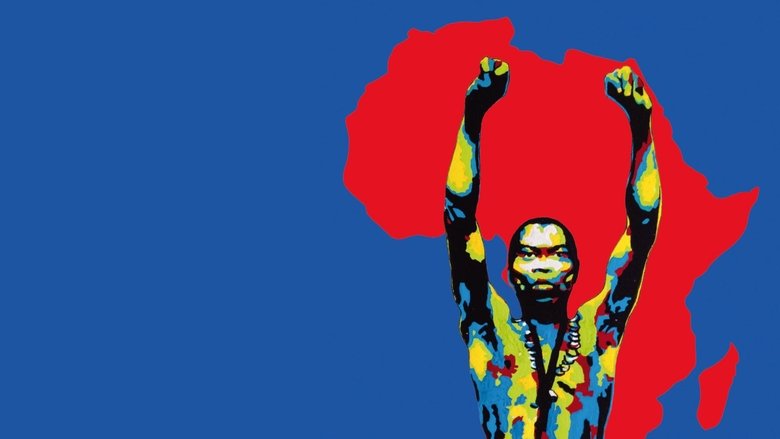
Fela Anikulapo Kuti created the musical movement Afrobeat and used it as a political forum to oppose the Nigerian dictatorship and advocate for the rights of oppressed people. This is the story of his life, music, and political importance.
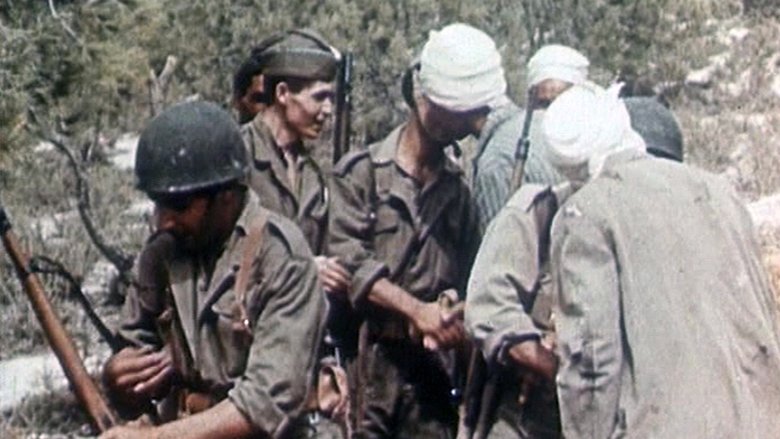
These are the first images shot in the ALN maquis, camera in hand, at the end of 1956 and in 1957. These war images taken in the Aurès-Nementchas are intended to be the basis of a dialogue between French and Algerians for peace in Algeria, by demonstrating the existence of an armed organization close to the people. Three versions of Algeria in Flames are produced: French, German and Arabic. From the end of the editing, the film circulates without any cuts throughout the world, except in France where the first screening takes place in the occupied Sorbonne in 1968. Certain images of the film have circulated and are found in films, in particular Algerian films. Because of the excitement caused by this film, he was forced to go into hiding for 25 months. After the declaration of independence, he founded the first Algerian Audiovisual Center.
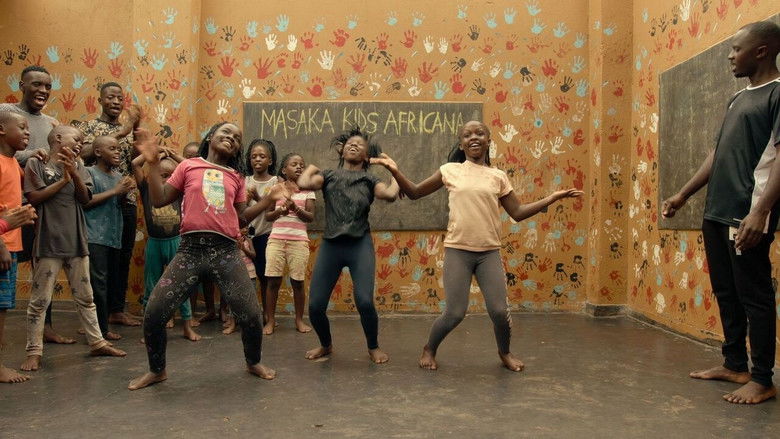
The story behind the Uganda-based YouTube dance sensations who have endured devastating personal loss from famine and war, and use the power of dance and song to overcome hardship.

At America's elite MIT, a Ghanaian alum follows four African students as they strive to graduate and become agents of change for their home countries Nigeria, Rwanda, Tanzania, and Zimbabwe. Over an intimate, nearly decade-long journey, all must decide how much of America to absorb, how much of Africa to hold on to, and how to reconcile teenage ideals with the truths they discover about the world and themselves.
First transmitted in 1961, David Attenborough travels to Meru National Park in Kenya to visit Joy and George Adamson and meet Elsa the lioness and her cubs shortly before Elsa's death.
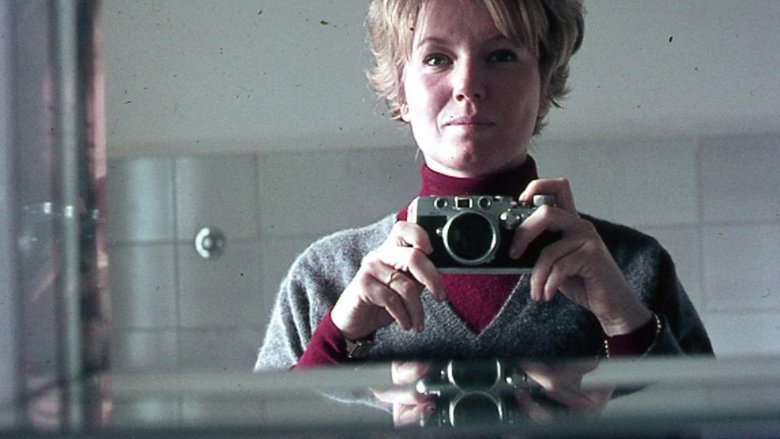
A journey back through Dacia Maraini's and her trips around the world with her close friends cinema director Pier Paolo Pasolini and opera singer Maria Callas. An in-depth story of this fascinating woman's life. Maraini's memories come alive through personal photographs taken on the road as well as her own Super 8 films shot almost thirty years ago.
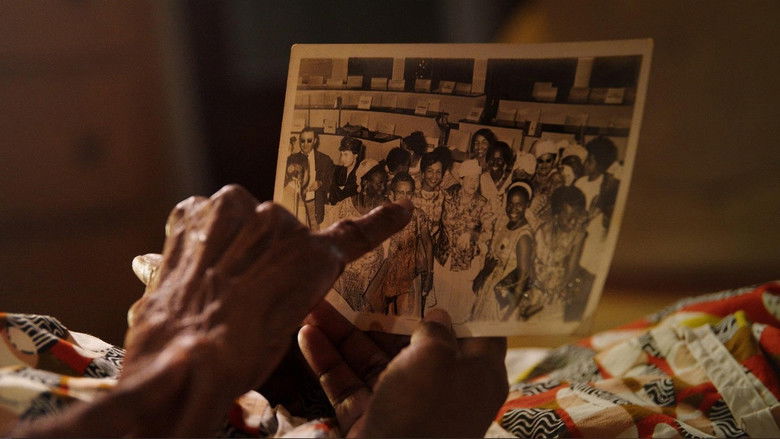
The story of a pioneer, Germaine Le Goff (1891-1986). After World War I, the Breton teacher left Douarnenez for adventure, with a journey that led her to Senegal. In 1938, she founded and directed a teacher training college in Rufisque, near Dakar, the first for primary school teachers in Africa.
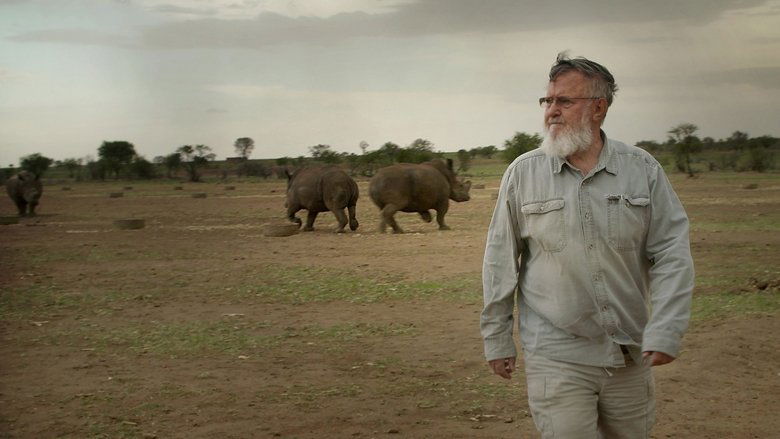
This in-depth look into the powerhouse industries of big-game hunting, breeding and wildlife conservation in the U.S. and Africa unravels the complex consequences of treating animals as commodities.

Stand-up comedian Robert Newman gets to grips with the wars and politics of the last hundred years, from WWI through to the 2003 invasion of Iraq; but rather than adhering to the history we were fed at school, this show places oil centre stage as the cause of all commotion. This innovative history programme is based around Robert Newman's stand-up act and supported by resourceful archive sequences and stills with satirical impersonations of historical figures from Mayan priests to Archduke Ferdinand.
This shocking documentary reveals the plight of young Nigerians branded as witches.
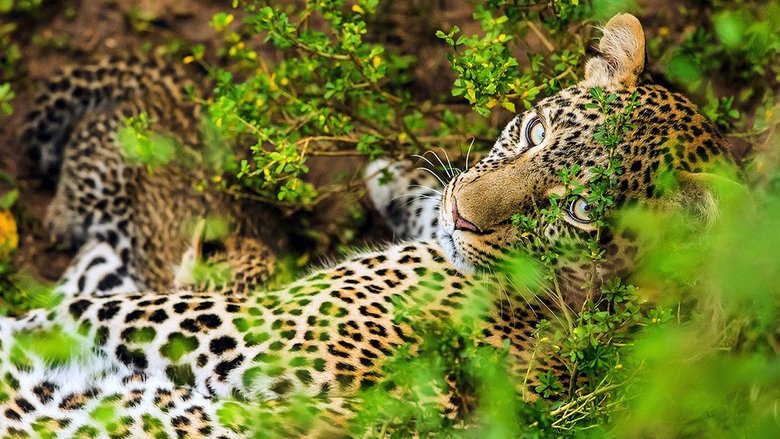
Leopards are considered to be extremely shy big cats. Only a few animals can match the elegance of these feline predators. The cautious hunters are rarely seen in the wild for more than a few seconds. The cats can be observed more extensively when they rest asleep in a tree and recover from the mostly nocturnal hunt. But a leopardess has switched to hunting in broad daylight. Its home along the brook bed of the Olare Orok offers everything a mother needs to protect and nourish its offspring: picturesque rocks and dense bush, a landscape in which the big cat can disappear in seconds to sneak up on potential prey, which includes warthogs and antelopes. But hyenas and lions are always ready to contest for its territory and nourishment. The renowned wildlife filmmaker Reinhard Radke managed to capture astonishing insights into the social life and hunting tactics of the ambush hunters in the Maasai Mara.
An Austrian director followed five successful African music and dance artists with his camera and followed their lives for a year. The artists, from villages in Ghana, Gambia and Congo, were the subjects of Africa! Africa! touring across Europe, but they have unbreakable roots to their homeland and their families. Schmiderer lovingly portrays his heroes, who tell their stories about themselves, their art and what it means to them to be African with captivating honesty. The interviews are interwoven with dance scenes and colourful vignettes set to authentic music.

Mountain Gorilla takes us to a remote range of volcanic mountains in Africa, described by those who have been there as ""one of the most beautiful places in the world"", and home to the few hundred remaining mountain gorillas. In spending a day with a gorilla family in the mountain forest, audiences will be captivated by these intelligent and curious animals, as they eat, sleep, play and interact with each other. Although gorillas have been much-maligned in our popular culture, viewers will finally ""meet the legend"" face to face, and learn about their uncertain future.
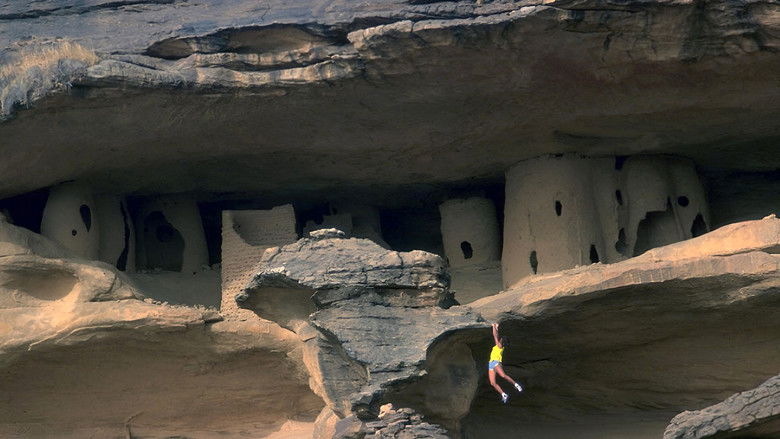
The film shows Catherine Destivelle's trip to Dogon Country, in Mali, where she will make spectacular free solo rock climbing ascents in the sun-warmed cliffs of Bandiagara. Destivelle is accompanied on this trip by a friend climber, Lucien Abbet. A film by Pierre-Antoine Hiroz produced in 1987 by Paradoxe and also featuring Tidjani Koné, Ibrahim Dolo, and the Dogon inhabitants of the Bandiagara Escarpment. The film won the Genziana D'argento for best free climbing film at the Trento Film Festival in 1987.

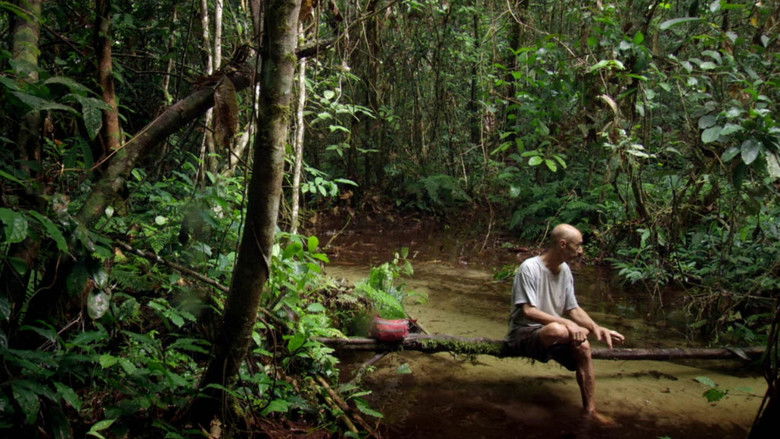
25 years ago, Louis Sarno, an American, heard a song on the radio and followed its melody into the Central Africa Jungle and stayed. He than recorded over 1000 hours of original BaAka music. Now he is part of the BaAka community and raises his pygmy son, Samedi. Fulfilling an old promise, Louis takes Samedi to America. On this journey Louis realizes he is not part of this globalized world anymore but globalization has also arrived in the rainforest. The BaAka depend on Louis for their survival. Father and son return to the melodies of the jungle but the question remains: How much longer will the songs of the forest be heard?
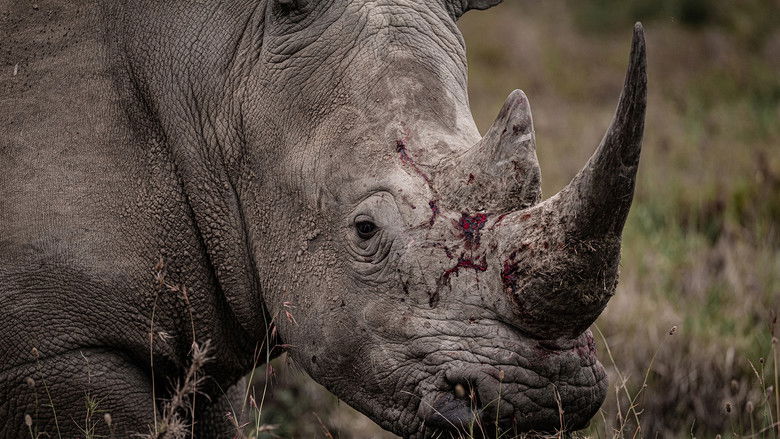
A dedicated park ranger has protected his population of critically endangered black rhinos so well that they have run out of space. Cornered by ruthless poachers, the rhinos are at risk of turning on each other. His team must implement a daring plan to move 21 rhinos across the country and open a new safe haven.
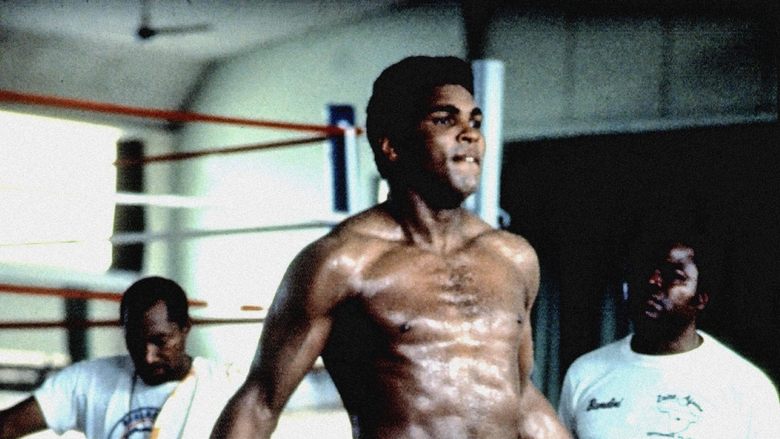
It's 1974. Muhammad Ali is 32 and thought by many to be past his prime. George Foreman is ten years younger and the heavyweight champion of the world. Promoter Don King wants to make a name for himself and offers both fighters five million dollars apiece to fight one another, and when they accept, King has only to come up with the money. He finds a willing backer in Mobutu Sese Suko, the dictator of Zaire, and the "Rumble in the Jungle" is set, including a musical festival featuring some of America's top black performers, like James Brown and B.B. King.

The history of Europeans in North America, from the arrival of Columbus in 1492 to the business success of German immigrants such as Heinz, Strauss or Friedrich Trumpf, Donald Trump's grandfather. During the 19th century, thirty million people — Germans, Irish, Scots, Russians, Hungarians, Italians and many others — left the old continent, fleeing poverty, racism or political repression, hoping to make a fortune and realize the American dream.