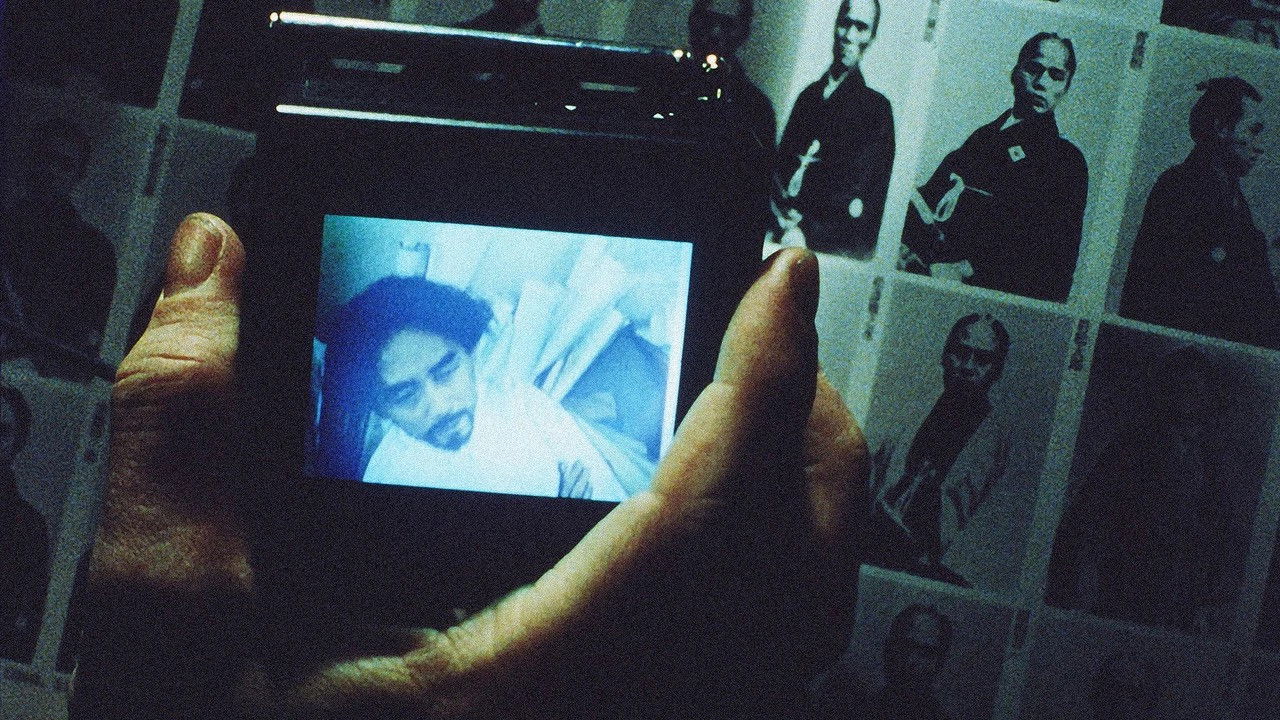
Notebook on Cities and Clothes (1989)
Wim Wenders talks with Japanese fashion designer Yohji Yamamoto about the creative process and ponders the relationship between cities, identity and the cinema in the digital age.
Wim Wenders talks with Japanese fashion designer Yohji Yamamoto about the creative process and ponders the relationship between cities, identity and the cinema in the digital age.
 Wim WendersSelf
 Yohji YamamotoSelf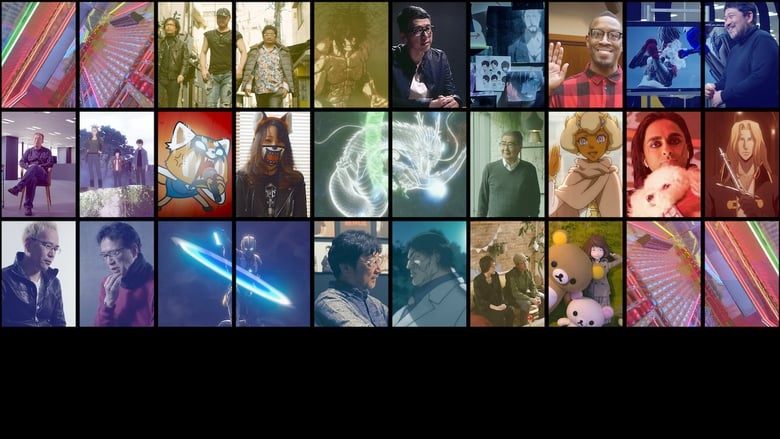
What is anime? Through deep-dives with notable masterminds of this electrifying genre, this fast-paced documentary seeks to find the answers.

M2M's first original long-form documentary, Battle at Versailles, follows an event in 1973 at Palace of Versailles where top French designers such as Yves Saint Laurent and Pierre Cardin faced of against American newcomers Oscar de la Renta, Bill Blass, Anne Klein and Halston. That pitted France’s best designers against the best America had to offer. It was the first time the fashion world's gaze was fixated on American design.

It may be the largest and most densely populated city on Earth, but Tokyo’s 14 million human residents share their home with an astonishing array of wildlife. From jewel beetles and goshawks in the city’s shrines to the forests of Okutama where bears, monkeys and tanuki feast, this film reveals the power of nature in Japan’s capital.
Rick Owens' Spring/Summer 2026 menswear collection, titled Temple, was a theatrical exploration of legacy, transformation, and raw sensuality. Staged at Paris' Palais de Tokyo, the show featured models descending a towering scaffold into a fountain, immersing themselves in water before ascending again—symbolizing rebirth and resilience. The collection showcased Owens' signature elements: slashed Tuscan leathers, studded straps, voluminous flight jackets, and towering platform boots, all rendered in a monochrome palette. This presentation coincided with his Temple of Love retrospective at the Palais Galliera, offering a poignant reflection on his career and the enduring themes of love and mortality.
A modern geisha travels through Japan trying to find a job as entertainer, and ends up by finding love and a job as ama, a pearl diver.
The film is set on September 1th, 1923 , when a huge earthquake hits Tokyo . The quake caused buildings to collapse, and the city was reduced to ashes by fire. The Great Kanto Earthquake killed more than 105,000 people. 100-year-old films recording this catastrophe have been found all over the country.But who filmed the turmoil of Tokyo, chased by raging fires?After investigating, I come across three cameramen. They turned the hand-cranked camera in a trance without being ordered by anyone.
20 minute music documentary shot in two days of November 1984 in, and around the outskirts of, Tokyo, Japan. A large part of the music was completed during that same month and recorded over a period of three days.

Three men embark on a journey in search of meaning and happiness in the autumn of their lives: Bob swaps his safe home for a camper van and tries to find himself in the barren Californian desert; Steve, drag queen and stand-up comedian, is fed up of England and makes amends with his past in Benidorm; Yamada rediscovers his smile by reading stories to children in Tokyo.
Jonathan Anderson's debut Dior Summer 2026 collection reimagines menswear by blending historical elegance with modern utility. Showcased at Paris's Hôtel des Invalides, the collection featured couture-level cargo shorts, Bar jackets paired with chinos, and French silk vests with jeans and sneakers, reflecting Anderson's fusion of formality and materiality. Drawing inspiration from 18th-century painter Jean Siméon Chardin, the designs emphasized sincerity and everyday beauty, avoiding nostalgic over-reliance. The show concluded with a standing ovation, affirming Anderson's transformative vision for Dior.
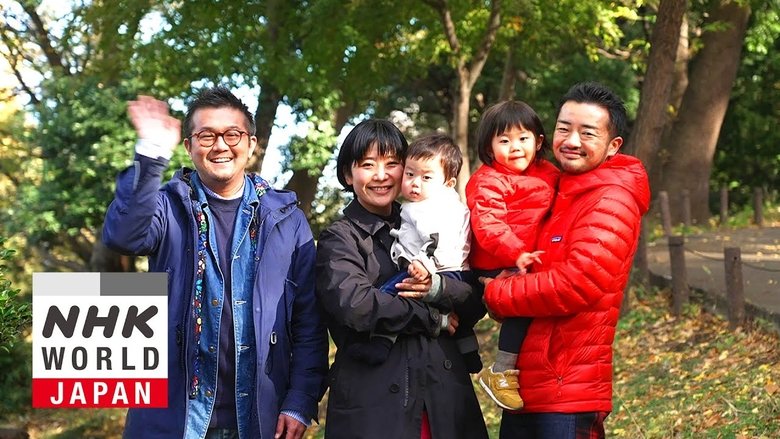
Siblings Aru, age 3, and Kino, age 1, have 3 parents: father Fumino, who is transgender; mother Honoyo, Fumino's partner who gave birth to the children; and father Gon, a close gay friend who donated his sperm. The 3 are now raising their children together, struggling repeatedly to find their own way of being a family. This program covers their first 3 years of parenting. And it asks an important question: What does it take to be a family?
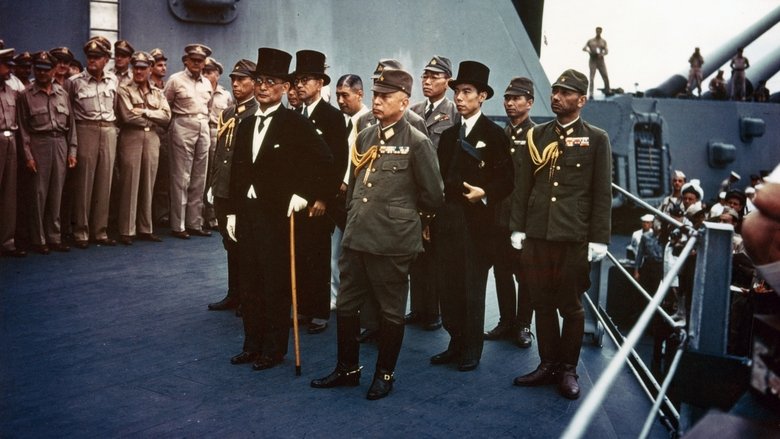
Produced by the Army Pictorial Service, Signal Corps, with the cooperation of the Army Air Forces and the United States Navy, and released by Warner Bros. for the War Activities Committee shortly after the surrender of Japan. Follow General Douglas MacArthur and his men from their exile from the Philippines in early 1942, through the signing of the instrument of surrender on the USS Missouri on September 1, 1945. Preserved by the Academy Film Archive in 2013.
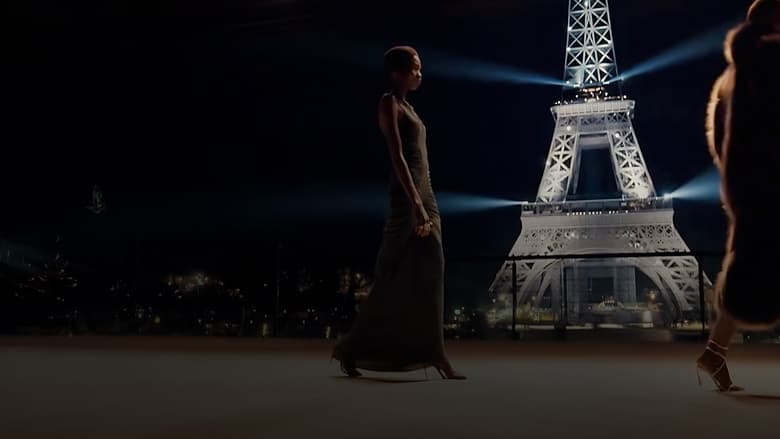
The year 2024 marks the 50th anniversary of Paris Fashion Week. To mark the occasion, Loïc Prigent looks back on half a century of fashion design and evolution in Paris. The 1970s, with the arrival of a new generation such as Kenzo and Sonia Rykiel, changed the game by simplifying and democratizing collections. The 1980s saw the emergence of personalities with a great appetite for spectacle: Jean Paul Gaultier, Christian Lacroix, Thierry Mugler, and Karl Lagerfeld.
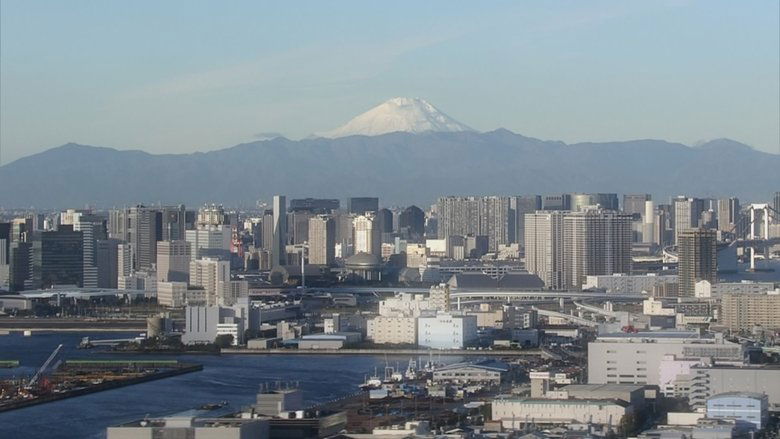
In 150 years, twice marked by total destruction —a terrible earthquake in 1923 and incendiary bombings in 1945— followed by a spectacular rebirth, Tokyo, the old city of Edo, has become the largest and most futuristic capital in the world in a transformation process fueled by the exceptional resilience of its inhabitants, and nourished by a unique phenomenon of cultural hybridization.
World War II comes to an end. Tokyo is a destroyed place, without law, driven by hunger and greed. From over 100,000 pages of declassified CIA documents and hours of newly discovered footage, recorded by American occupation charges and private individuals, the documentary shows Tokyo during this crucial year, Year Zero. Observed from the point of view of a young man who finds himself transported in time, the NHK documentary uses color images and state-of-the-art video techniques to reveal how a desperate population is published as the foundations of today's megalopolis.
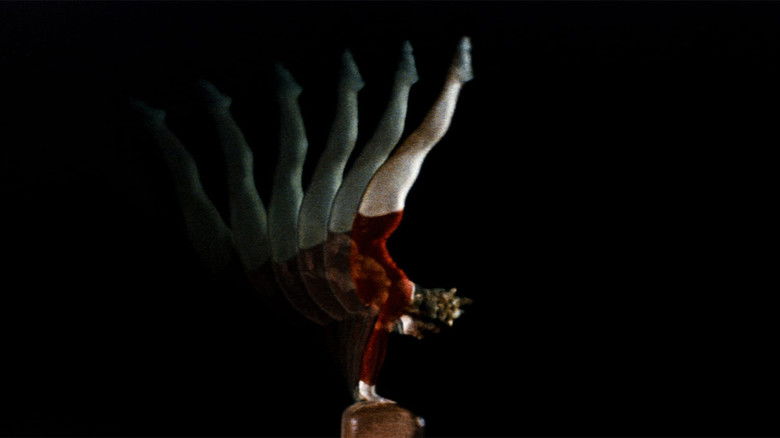
This impressionistic portrait of the 1964 Tokyo Summer Olympics pays as much attention to the crowds and workers as it does to the actual competitive events. Highlights include an epic pole-vaulting match between West Germany and America, and the final marathon race through Tokyo's streets. Two athletes are highlighted: Ethiopian marathon runner Abebe Bikila, who receives his second gold medal, and runner Ahamed Isa from Chad, representing a country younger than he is.
A nine-hour program that shows a man walking backwards through Tokyo – and nothing else – it appears. Ludovic Zuili, walking backwards through the capital of Japan. The video is shown back to front so that Zuili seems to be walking normally through a world moving back in time.
Made in Japan is the remarkable story of Tomi Fujiyama, the first female Japanese country music star. From playing the USO circuit throughout Asia to headlining in Las Vegas and recording 7 albums for Columbia records, Tomi’s career culminates in a 1964 performance at The Grand Ole Opry where she followed Johnny Cash and received the only standing ovation of the night. Forty years later, Tomi and her husband set out on a journey through Japan and across the United States to fulfill a dream of performing at The Opry one more time. Made in Japan is a funny yet poignant multi-cultural journey through music, marriage, and the impact of the corporate world on the dreams of one woman.
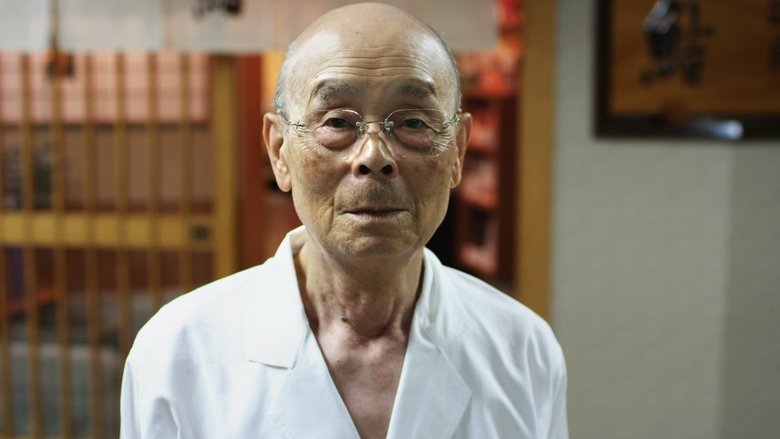
Revered sushi chef Jiro Ono strives for perfection in his work, while his eldest son, Yoshikazu, has trouble living up to his father's legacy.

A Day in TOKYO in 1968, Nostalgic bygone era. Planned by Japan National Tourism Organization. Produced by Koga Production. This film was produced to explain Tokyo for foreign tourists.
TOKYO Ainu features the Ainu, an indigenous people of Japan, living in Greater Tokyo (Tokyo and its surrounding areas), who are and actively in promoting their traditional culture in a metropolitan environment away from their traditional homeland, Hokkaido. Shedding a common assumption that all Ainu live in Hokkaido, the film captures the feelings, thoughts and aspirations of Ainu people that who try to follow the Ainu way no matter where they live.