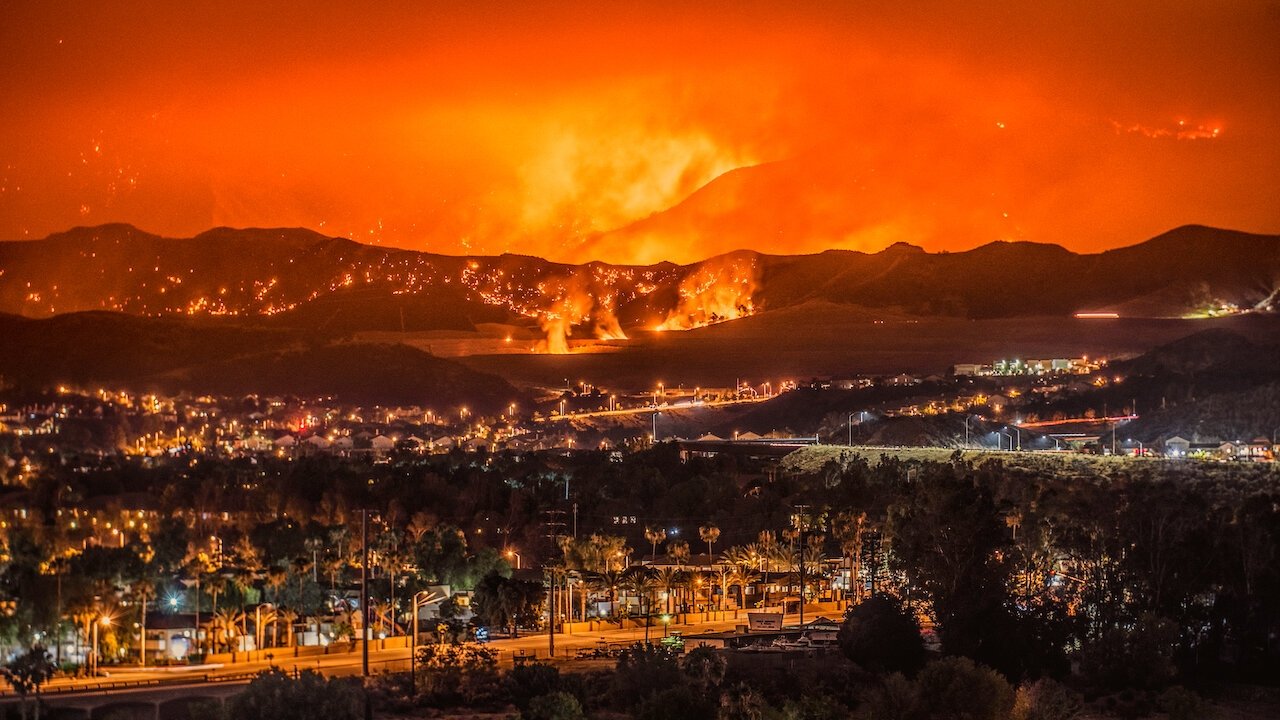
Bring Your Own Brigade (2021)
An investigation into our landscape's hidden fire stories and on-the-ground experiences of firefighters and residents struggling through deadly fires.
An investigation into our landscape's hidden fire stories and on-the-ground experiences of firefighters and residents struggling through deadly fires.
 Marily WoodhouseSelf
Theory of Light is a documentary centred on the climate emergency through a climate justice lens. It's committed to uplifting the perspectives of communities already being impacted by climate change and representing those who feel excluded from the climate movement.
This one-hour documentary film tells the story of "Storm of the Century: The Blizzard of '49" - the worst series of storms in Wyoming's history. But for all the tragedy and loss, suffering and death, there was also hope and heroism, unselfish sacrifice and generosity. The blizzard brought out the best in people. Wyoming citizens from all walks of life cooperated together and demonstrated exceptional ingenuity in the face of dire circumstances. There were extraordinary acts of kindness, with people generously giving their time and resources. The public worked together to overcome seemingly insurmountable obstacles and ultimately won in the end.
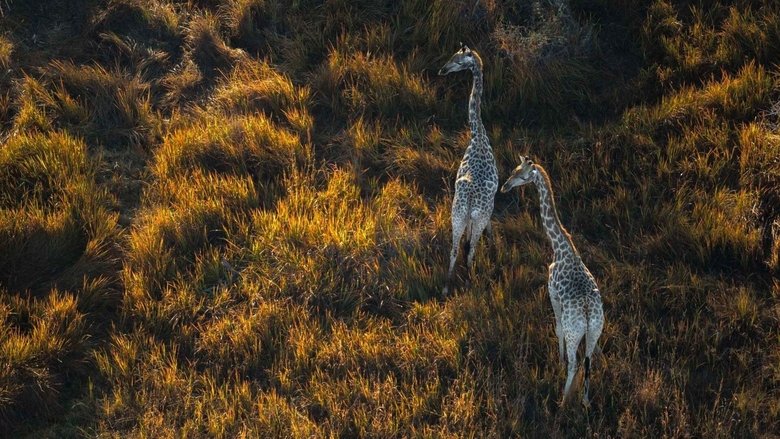
Ten years after the film Home (2009), Yann Arthus-Bertrand looks back, with Legacy, on his life and fifty years of commitment. It's his most personal film. The photographer and director tells the story of nature and man. He also reveals a suffering planet and the ecological damage caused by man. He finally invites us to reconcile with nature and proposes several solutions

"Trouble the Water" takes you inside Hurricane Katrina in a way never before seen on screen. The film opens the day before the storm makes landfall--just blocks away from the French Quarter but far from the New Orleans that most tourists knew. Kimberly Rivers Roberts, an aspiring rap artist, is turning her new video camera on herself and her Ninth Ward neighbors trapped in the city. Weaving an insider's view of Katrina with a mix of verité and in-your-face filmmaking, it is a redemptive tale of self-described street hustlers who become heroes--two unforgettable people who survive the storm and then seize a chance for a new beginning.
Jim Geiger, a retired forest ranger and amateur mountaineer, attempts to become the oldest American and first great grandfather to summit Mt. Everest, aged 68. His transformation from a weekend hiker to attempting one of the most extreme and physically demanding feats known to man is driven by a desire to prove that age is just a number. What ensued, however, forever changed Jim's life.
Filmmaker Judith Helfand's searing investigation into the politics of “disaster” – by way of the deadly 1995 Chicago heat wave, in which 739 residents perished (mostly Black and living in the city’s poorest neighborhoods).
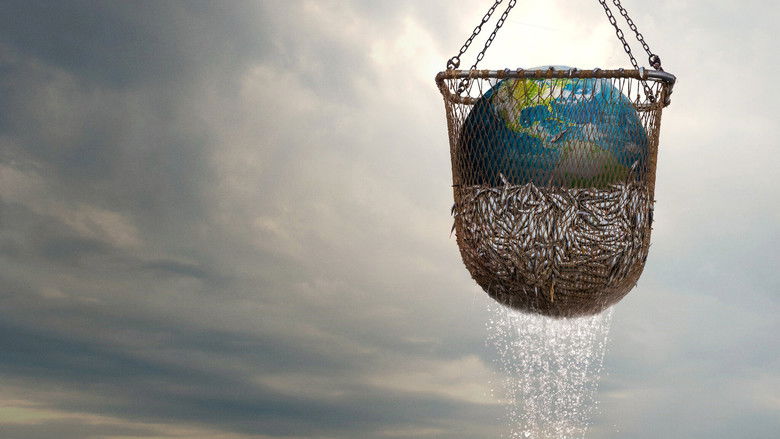
Passionate about ocean life, a filmmaker sets out to document the harm that humans do to marine species — and uncovers an alarming global conspiracy.

Thirty years after the Chernobyl disaster, which occurred on the night of April 26, 1986, its causes and consequences are examined. In addition, a report on efforts to strengthen the structures covering the core of the nuclear plant in order to better protect the population and the environment is offered.
This video presents a look at the forces of nature in their most devastating mode: lightning storms, tornadoes, flash floods, tidal waves, and hurricanes. The film, made for The Discovery Channel, accompanies professional storm chasers as they ride into the eye of a category five hurricane to gather data and get a close-up view. There is footage of a tornado with 300-mile-per-hour winds, as well as 100-foot tidal waves hurtling towards shore at 500 miles per hour. The viewer witnesses a flash flood and hears an interview with a lightning strike survivor.
As co-created by environmentalists Stephan Poulle and Nicolas Koutsikas, the documentary Gulf Stream and the Next Ice Age argues and provides evidence for the idea that mankind is wreaking permanent and potentially irreversible damage on the ecosystem by interfering with the natural course of the Gulf Stream. Koutsikas and Poulle suggest that this interference, in turn, will prompt a new Ice Age that virtually destroys the modern world.
Tar Creek is an environmentally devastated area in northeastern Oklahoma with acidic creeks, stratospheric lead poisoning and enormous sinkholes. Nearly 30 years after being designated as a Superfund cleanup program, residents are still struggling.
Global warming in context. What the climate of the past tells us about the climate of the future.

A look at the state of the global environment including visionary and practical solutions for restoring the planet's ecosystems. Featuring ongoing dialogues of experts from all over the world, including former Soviet Prime Minister Mikhail Gorbachev, renowned scientist Stephen Hawking, former head of the CIA R. James Woolse
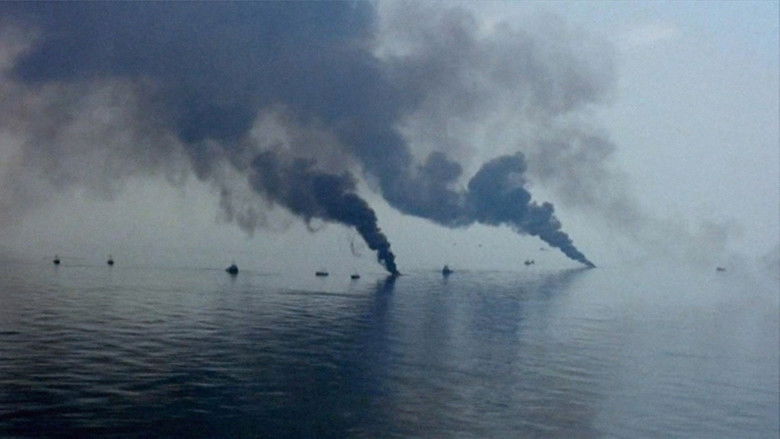
Penetrating the oil industry's secretive world, The Great Invisible examines the Deepwater Horizon disaster through the eyes of oil executives, explosion survivors and Gulf Coast residents who were left to pick up the pieces when the world moved on.

Takes us to locations all around the US and shows us the heavy toll that modern technology is having on humans and the earth. The visual tone poem contains neither dialogue nor a vocalized narration: its tone is set by the juxtaposition of images and the exceptional music by Philip Glass.
A compilation of various accidents, disasters, executions, and other acts of mayhem and human feats caught on film.
An account of the devastating 1906 San Francisco earthquake and the subsequent effort to rebuild.
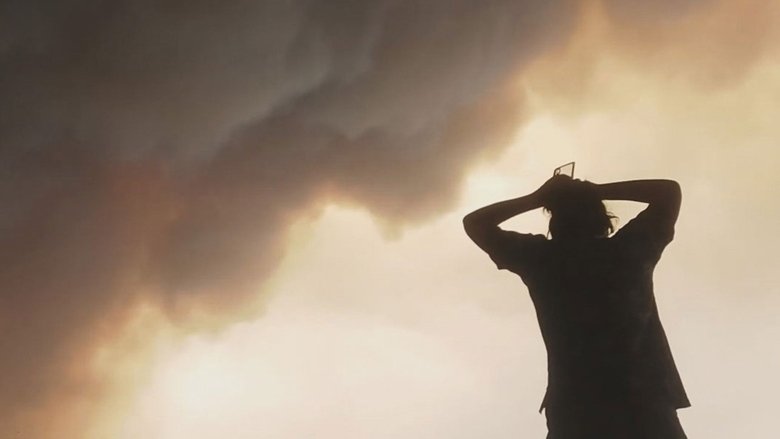
Leading Australian documentarian Eddie Martin puts viewers on the frontlines of the deadly 2019–2020 bushfires, capturing the catastrophe with a perspective and scale never before seen. 24 million hectares were burnt, 3000 homes were destroyed, 33 people died, and nearly three billion animals perished or were displaced. Fire Front is a powerful account of that calamitous antipodean summer, told from the ground where climate change took on the face of hell.
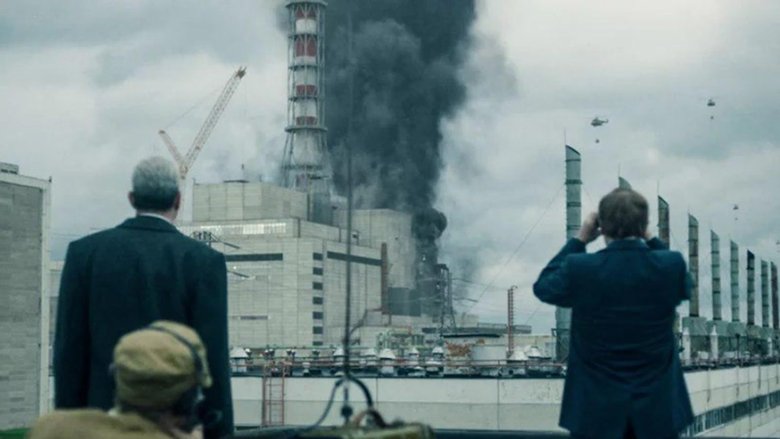
Three decades after the nuclear explosion, almost everything has been said about this ecological and sanitary disaster that made Pripiat a part of History. How did the greatest industrial disaster change the course of History, disrupt global geopolitics and, directly or indirectly, redistribute the balances and power relations of the twentieth century? The world will never be the same again. By retracing the incredible battle waged by the Soviet Union against radiation, this film proposes to retrace and enlighten an extraordinary story, while exploring the historical stakes in the medium and long-term…
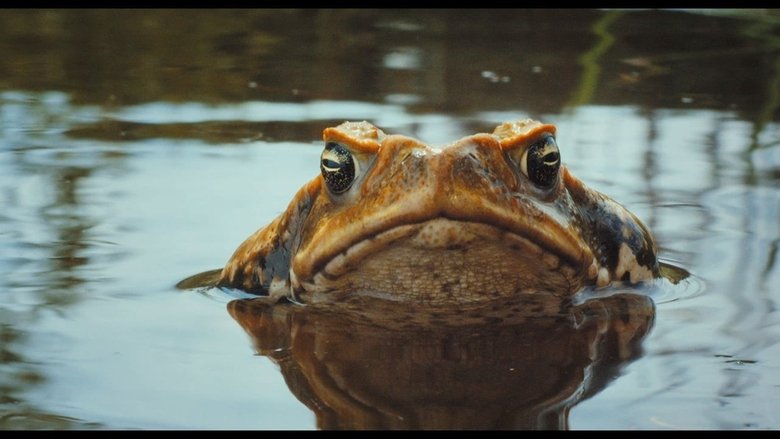
Cane Toads: The Conquest is a comic yet provocative account of Australia’s most notorious environmental blunder from filmmaker Mark Lewis. Shot against the harsh and beautiful landscape of northern Australia, Cane Toads: The Conquest tracks the unstoppable journey of the toad across the continent. Director Mark Lewis (Cane Toads: An Unnatural History, The Natural History of the Chicken) injects his trademark irreverence and humor into the story as he follows a trail of human conflict, bizarre culture and extraordinary close encounters. Filmed with high-resolution 3D technology, Cane Toads is the first Australian digital 3D feature film. Custom designed equipment allows viewers to get up close and personal with these curious creatures like never before. The unique viewing experience is like being immersed in the world of the toad.