
The Boys of H Company (2004)
This documentary follows the steps of the boys of H Company as they fight on the island of Iwo Jima.
This documentary follows the steps of the boys of H Company as they fight on the island of Iwo Jima.
Christopher ClawsonCharlie Bond Anthony D. CallNarrator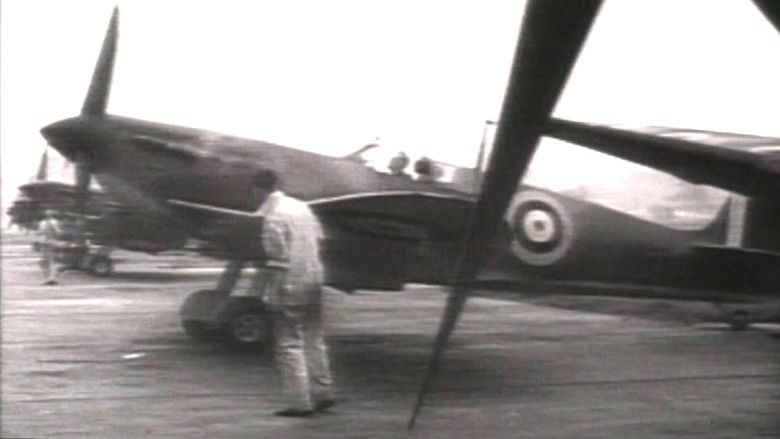
Three part documentary of the history of the Royal Air Force during World War Two. They combine actual Air Ministry films and period newsreel footage with interviews of surviving members of the air force. The first part covers the period from the 'phoney war', the invasion of Poland and the early bombing raids on enemy shipping, through to the attacks on France. Aircraft featured include the Blenheim and Wellington bombers, the Sunderland flying boat, Spitfires and Hurricanes and the opposing ME109.
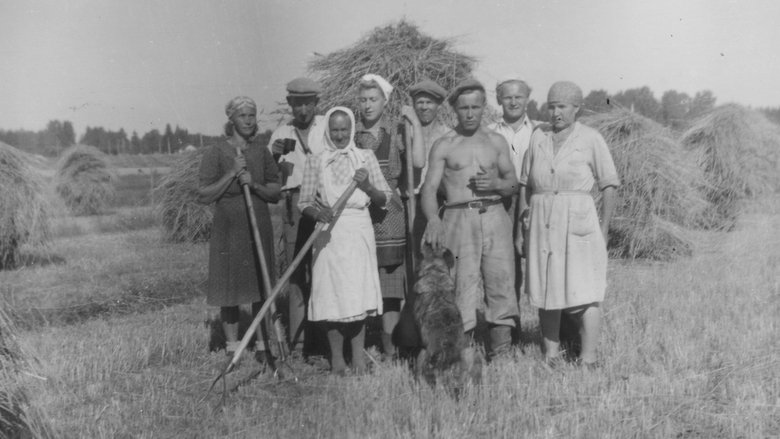
The Unknown Woman is a documentary film scripted and directed by Elina Kivihalme. It depicts the reality of Finnish agriculture and forestry during the war years, when the home front relied entirely upon the work and endurance of the women. All farm work, caring for the children, woodcutting and other forestry operations were undertaken by the civilians, as the men in their prime were on the front.
Canada: A People's History - Episode 14: 1940 to 1946 CE. Canada comes of age in the anguish of World War II, with soldiers on the beaches at Dieppe and women in the industrial work force back home. The country's military role, and the domestic, social and political consequences of the war are traced through poignant stories of Canadians on both sides of the Atlantic. The horrific global conflict steals the innocence of a generation... but brings hope for a new future.
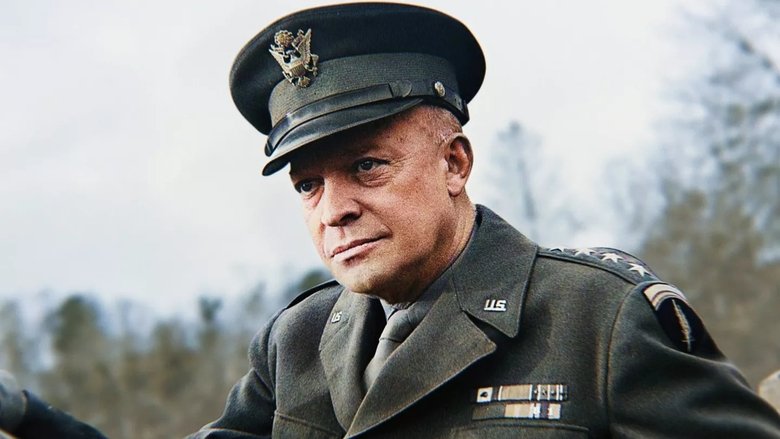
Using restored, colorized archives and testimonies from all the players in this conflict, this documentary covers the hundred days of apocalyptic fighting that wrote History. June 1944, the Allies landed in Normandy. This odyssey was meticulously prepared for months. The construction of two artificial ports, the transport of Anglo-American troops, their training cost colossal efforts, and caused many cold sweats: the secret of D-Day almost came to light several times. The documentary reveals the inner workings of Operation Overlord, it also deciphers the military operations, and evokes the choices of the high command. Placed at human level, it retraces the fate of Norman civilians subjected to deadly bombings, the attitude of the Allied soldiers and their German adversaries, as well as the aspirations of the French population, torn between fear and hope.
To mark the 70th anniversary of the Dunkirk evacuation, Dan Snow tells the story of the 'little ships' which made the perilous cross-channel voyage, as 50 of them return to France.

Documentary on the young builders who'll rebuild Britain after the war.
The Russian invasion of Ukraine created an avalanche of abandoned dogs and cats that are now multiplying causing unforeseen consequences.
Made in 1940 and sponsored by the Ministry of Information this film shows the food contributions supplied to Britain by various colonies and dominions. 'Food from the Empire highlights the severity of the food issue, by discussing food production as a battle (...) and offers insights into British attitudes towards its colonies and dominions. The commentary notes that the ‘free people’ of these countries are ‘anxious to send every ounce they can to the United Kingdom for they know that upon the ability of Great Britain to hold out depends their own freedom’. Britain is depicted as a dominant power, fighting to protect those within the Empire, while the colonies are loyal and ‘anxious’ to help.' - Tom Rice, on the film from colonialfilm.org.
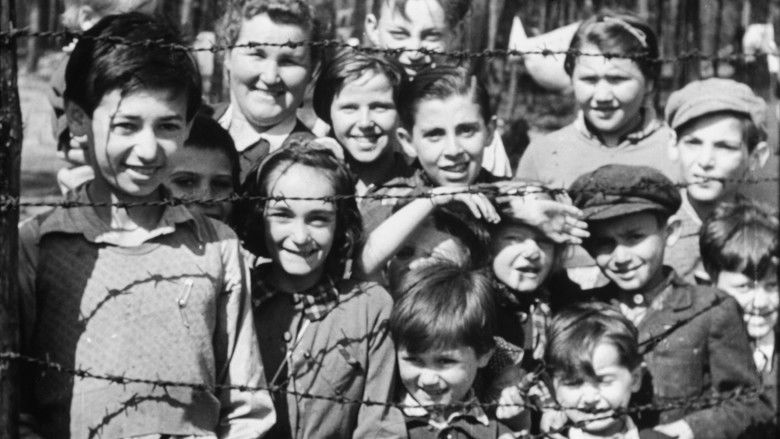
On the 29th September 1945, the incomplete rough cut of a brilliant documentary about concentration camps was viewed at the MOI in London. For five months, Sidney Bernstein had led a small team – which included Stewart McAllister, Richard Crossman and Alfred Hitchcock – to complete the film from hours of shocking footage. Unfortunately, this ambitious Allied project to create a feature-length visual report that would damn the Nazi regime and shame the German people into acceptance of Allied occupation had missed its moment. Even in its incomplete form (available since 1984) the film was immensely powerful, generating an awed hush among audiences. But now, complete to six reels, this faithfully restored and definitive version produced by IWM, is being compared with Alain Resnais’ Night and Fog (1955).
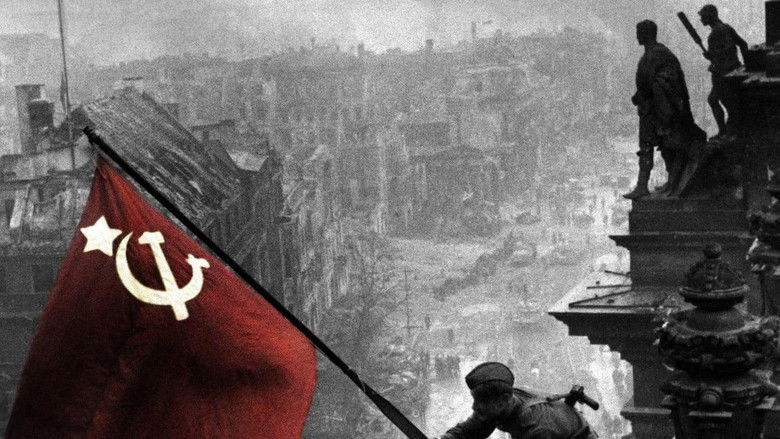
A documentary that tells the tale that the victors still do not want you to know. Learn the terrible truth about the rape, torture, slavery, and mass murder inflicted upon the German people by the Allied victors of World Word II.

The village of Yahidne in northern Ukraine is coming back to life. Dogs are running around. Gardens and crops are green again. People support one another and families have reunited. In a movement of solidarity, local youth help rebuild what was devastated a year ago when Russian troops occupied the village imprisoning the villagers in the school's basement for a month. The villagers' attitudes alternate between their desire to move forward an remembering the horrors of the past. A heartwarming tribute to resilience and unity.
"Life has passed and we have achieved nothing" Thats's what Ester the youngest says. The eldest, Karola, keeps quite. Fruma, who is my mother, tries to write what she remembers. Three sisters in thier 70's, Holocaust survivors. More then 50 years have passed and still they can't talk of thier memories. This is a film about the trauma...
One of the key works in creating the American social documentary film, this 1934 newsreel compilation crams a lot of information into just 11 minutes. Skillfully edited, the picture captures a panorama of international events centered on the labor movement. Scenes include Mussolini, Hitler and FDR preparing for war, Nazi soldiers persecuting German Jews, a political strike in Paris, the Scottsboro demonstration in Washington, DC, police violence against striking steelworkers in Pennsylvania and union members stopping scab workers from delivering milk during a dairy farmers strike in Wisconsin. Under the direction of pioneering documentarian Leo Hurwitz, the images are edited together to create a powerful image of a world that, in his view, desperately needed radical change.

Made famous by the 1957 Hollywood movie, the bridges of the River Kwai emblematize one of the most misunderstood events in history. Contrary to the romanticized film version, the structures represent a period of terror, desperation, and death for over 16,000 POWs and 100,00 local slaves. The Thailand - Burma Railway was the vision of the Japanese Imperial Army: a 250-mile track cut through dense jungle that would connect Bangkok and Rangoon. To accomplish this nearly impossible feat, the fanatical and ruthless Japanese engineers used POWs and local slaves as manpower. Candid interviews with men who lived through the atrocity - including Dutch, Australian, British, and American POWs - illuminate the violence and horror of their three-and-a-half-year internment. From Britain's surrender of Singapore the enduring force of friendship, The True Story Of The Bridge On The River Kwai narrates a moving and unforgettable account of a period in history that must be remembered.
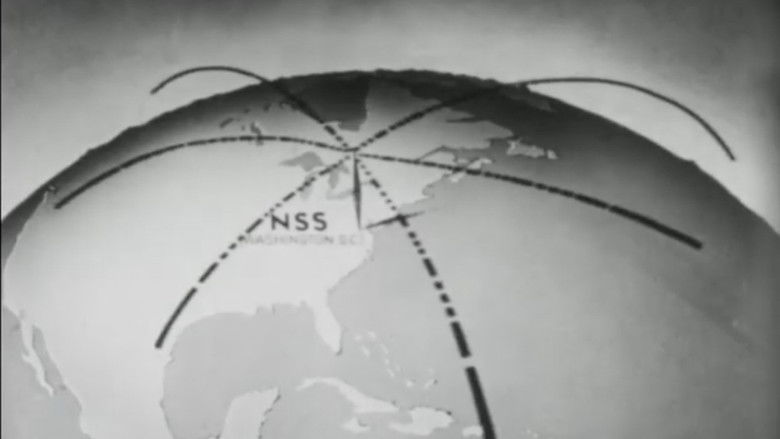
An unclassified US Navy introductory training film detailing the duties and training required of radio operators (aka radiomen).
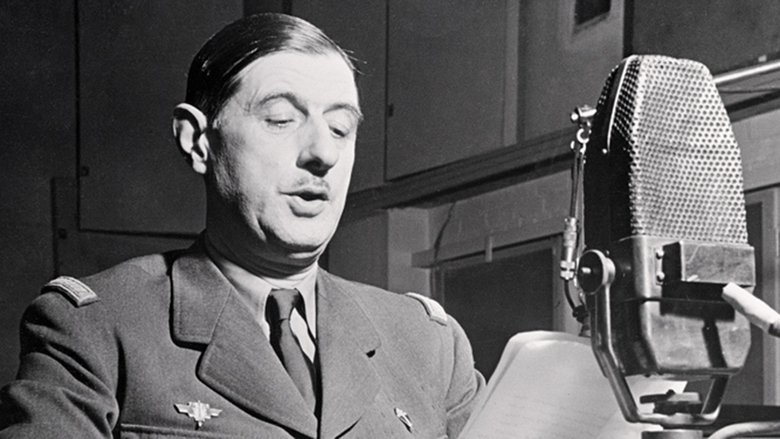
In June 1940 nothing was written. The appeal of June 18 by General de Gaulle was a hope but also a start. The start for an essential page of the History of France, written by De Gaulle and his followers, without whom nothing would have existed in the Resistance to the German tyranny and this film wishes to honor their memory.
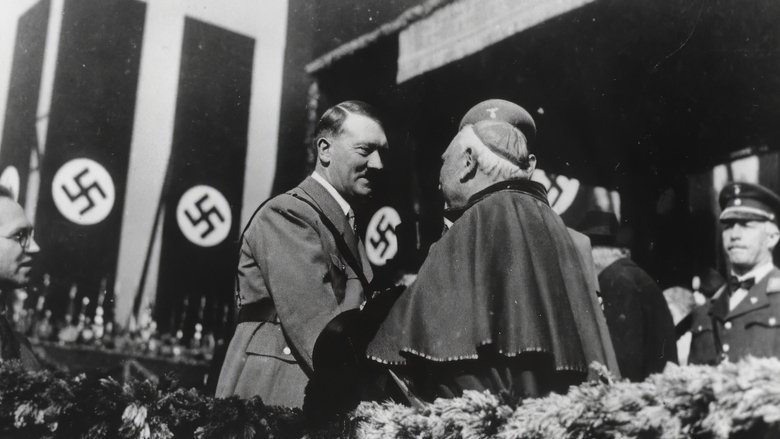
As World War II looms, Pope Pius XI calls on a humble American priest to help him challenge the evils of Nazism and anti-Semitism. But death intervenes, and Pope Pius XII now carries out a very different response to Hitler and the Holocaust.
Ralph Rush, a Scout in General George S. Patton's World War II Intelligence & Reconnaisance Platoons went from digging up German mines to being the first American to enter the Ohrdruf Concentration Camp; the first concentration camp liberated by the Allies.