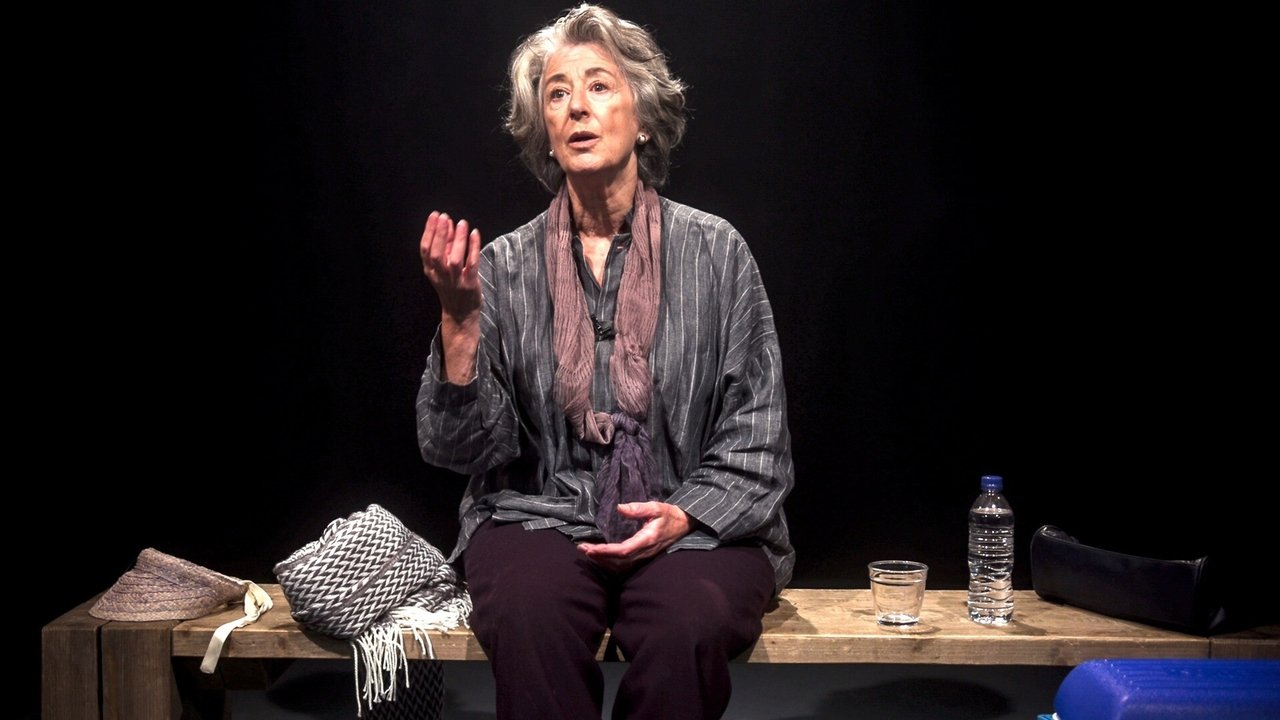
Rose (2021)
"Rose" is a filmed one-woman theatrical performance. A moving reminder of some of the harrowing events that shaped the century. It remains sadly relevant today as racial tensions escalate, and allegations of antisemitism are rife.
"Rose" is a filmed one-woman theatrical performance. A moving reminder of some of the harrowing events that shaped the century. It remains sadly relevant today as racial tensions escalate, and allegations of antisemitism are rife.
 Maureen LipmanRose
As World War II rages on, Villi and Colette are captured and sent to Auschwitz concentration camp. Imprisoned within separate compounds, the lovers must risk their lives to be together again.

Kurt Gerstein—a member of the Institute for Hygiene of the Waffen-SS—is appalled to discover that a poison gas he helped discover is being used to kill Jews. Driven by his conscience to alert the rest of the world, Gerstein teams up with a young Jesuit priest, Riccardo Fontana, but their protestations fall on deaf ears in the Vatican.

A boy under the influence of his neonazi-brother witnesses the power of truth when listening to an old survivor of the Shoah.

At the Wannsee Conference on January 20, 1942, senior Nazi officials meet to determine the manner in which the so-called "Final Solution to the Jewish Question" can be best implemented.
Budapest in the thirties. The restaurant owner Laszlo hires the pianist András to play in his restaurant. Both men fall in love with the beautiful waitress Ilona who inspires András to his only composition. His song of Gloomy Sunday is, at first, loved and then feared, for its melancholic melody triggers off a chain of suicides. The fragile balance of the erotic ménage à trois is sent off kilter when the German Hans goes and falls in love with Ilona as well.
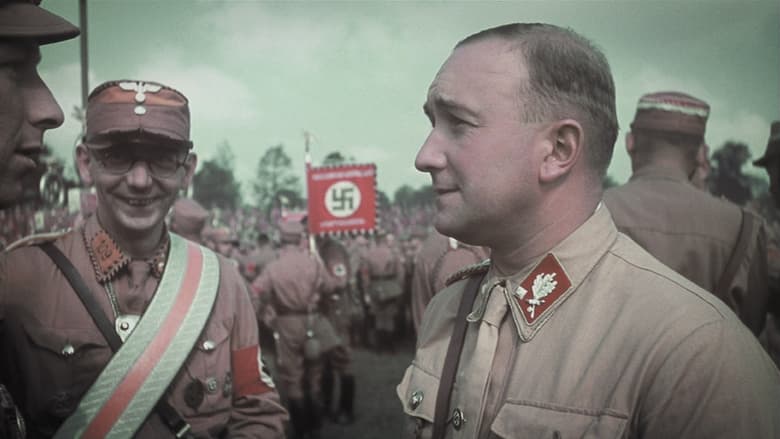
What would your family reminiscences about dad sound like if he had been an early supporter of Hitler’s, a leader of the notorious SA and the Third Reich’s minister in charge of Slovakia, including its Final Solution? Executed as a war criminal in 1947, Hanns Ludin left behind a grieving widow and six young children, the youngest of whom became a filmmaker. It's a fascinating, maddening, sometimes even humorous look at what the director calls "a typical German story." (Film Forum)

A young teacher inspires her class of at-risk students to learn tolerance, apply themselves, and pursue education beyond high school.
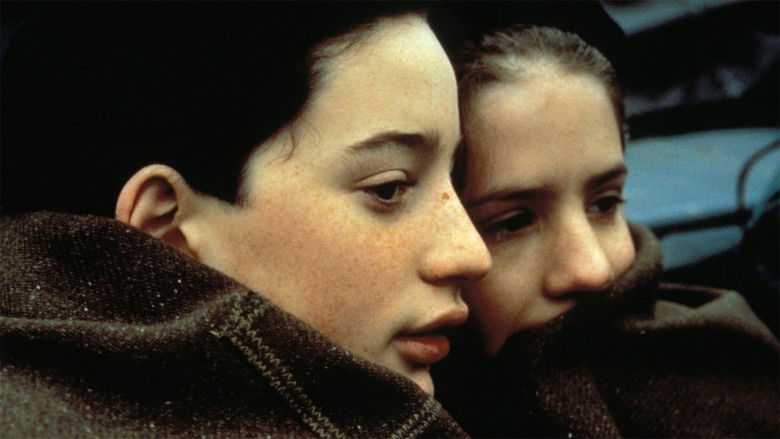
Au revoir les enfants tells a heartbreaking story of friendship and devastating loss concerning two boys living in Nazi-occupied France. At a provincial Catholic boarding school, the precocious youths enjoy true camaraderie—until a secret is revealed. Based on events from writer-director Malle’s own childhood, the film is a subtle, precisely observed tale of courage, cowardice, and tragic awakening.
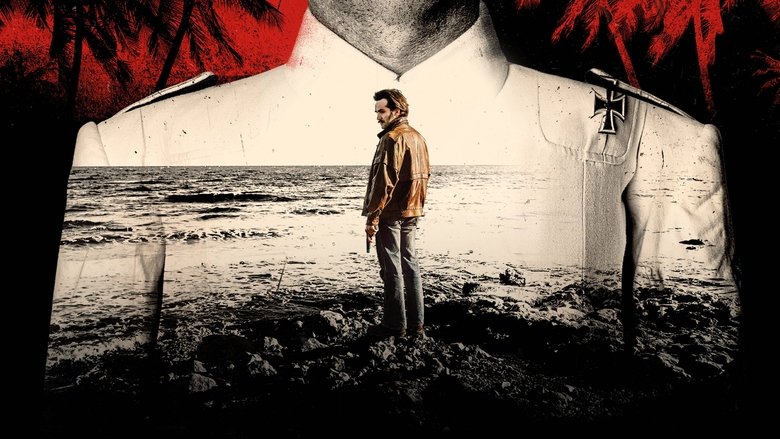
Spain, 1982. Andrés Expósito, a young police inspector, accepts a posting in Denia, a small town on the Mediterranean coast, in the hope of leading a quieter life and that the natural environment will help improve the fragile health of his daughter; but once in his new post he becomes involved by chance in the investigation of the strange death of the inspector he has come to replace.
Fabric of a Man is about a boutique owner who dreams of being a designer, but her insecure man doesnt believe in her abilities so puts her down every chance he gets. she meets a young drycleaner named joshua who also wants to be designer and falls for him, now she struggles to choose between security with her man or take a chance and go for what she really wants.
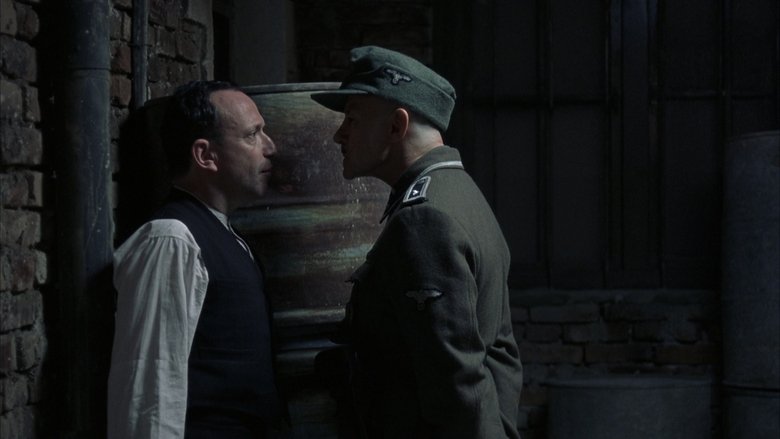
The story of Auschwitz's twelfth Sonderkommando — one of the thirteen consecutive "Special Squads" of Jewish prisoners placed by the Nazis in the excruciating moral dilemma of assisting in the extermination of fellow Jews in exchange for a few more months of life.
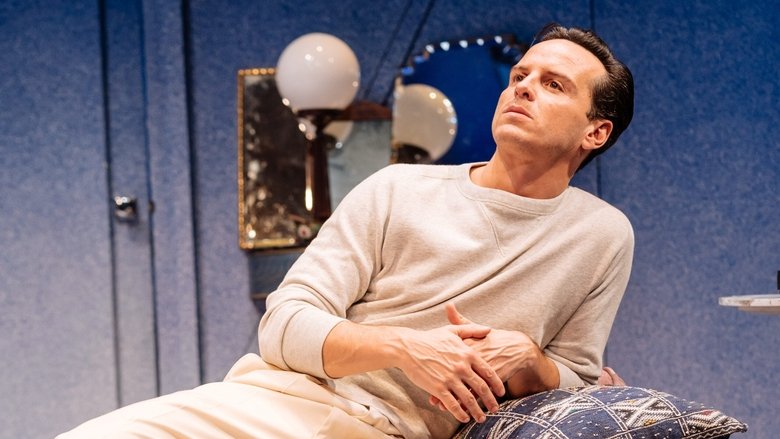
As he prepares to embark on an overseas tour, star actor Garry Essendine’s colourful life is in danger of spiralling out of control. Engulfed by an escalating identity crisis as his many and various relationships compete for his attention, Garry’s few remaining days at home are a chaotic whirlwind of love, sex, panic and soul-searching.
Shortly before the end of the war in 1945, the Allies can already be heard in Nesselbühl in Swabia when three freight cars are uncoupled at the station. The screams of the starving concentration camp prisoners inside can be heard throughout the village, but nobody dares to help them. Only the innkeeper's daughter Anna takes heart...
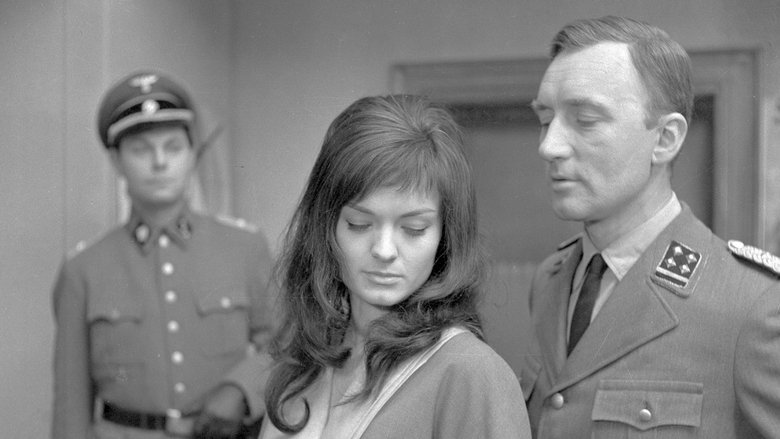
A group of wealthy American Jewish businessmen have been captured by the SS and are told that they are to be traded to the American army for several SS officers. However, these hostages are being required to pay bribes for their "transportation costs." In order to ensure that the businessmen will be more cooperative in paying up, a beautiful female singer is placed in their midst as a bargaining chip. The group of hostages are then placed on a train which is supposed to take them to the ship that will deliver them to freedom, but a series of "mishaps" delays their escape.
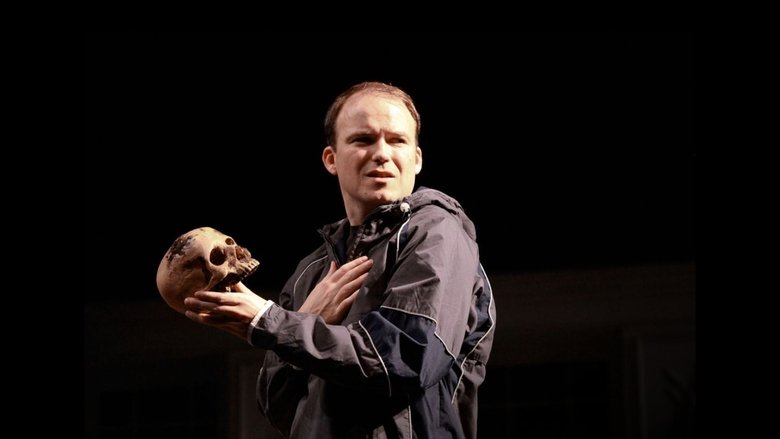
A 2010 broadcast of Hamlet returns to cinemas as part of the NT's 50th anniversary celebrations. Following his celebrated performances at the National Theatre in Burnt by the Sun, The Revenger's Tragedy, Philistines and The Man of Mode, Rory Kinnear plays Hamlet in a dynamic new production of Shakespeare’s complex and profound play about the human condition, directed by Nicholas Hytner. He is joined by Clare Higgins (Gertrude), Patrick Malahide (Claudius), David Calder (Polonius), James Laurenson (Ghost/Player King) and Ruth Negga (Ophelia).

Stingo, a young writer, moves to Brooklyn in 1947 to begin work on his first novel. As he becomes friendly with Sophie and her lover Nathan, he learns that she is a Holocaust survivor. Flashbacks reveal her harrowing story, from pre-war prosperity to Auschwitz. In the present, Sophie and Nathan's relationship increasingly unravels as Stingo grows closer to Sophie and Nathan's fragile mental state becomes ever more apparent.
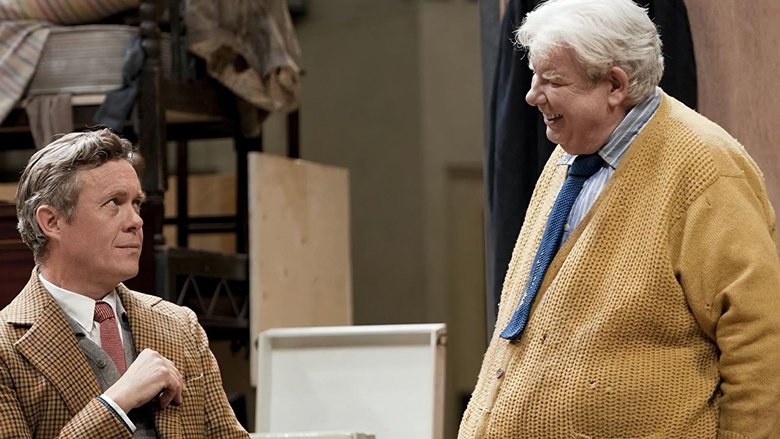
National Theatre Live’s 2010 broadcast of Alan Bennett’s acclaimed play The Habit of Art, with Richard Griffiths, Alex Jennings and Frances de la Tour, returns to cinemas as part of the National Theatre's 50th anniversary celebrations. Benjamin Britten, sailing uncomfortably close to the wind with his new opera, Death in Venice, seeks advice from his former collaborator and friend, W H Auden. During this imagined meeting, their first for twenty-five years, they are observed and interrupted by, amongst others, their future biographer and a young man from the local bus station. Alan Bennett’s play is as much about the theatre as it is about poetry or music. It looks at the unsettling desires of two difficult men, and at the ethics of biography. It reflects on growing old, on creativity and inspiration, and on persisting when all passion’s spent: ultimately, on the habit of art.
A ghostly visitor with a shocking secret, a daughter devastated by loss, a deadly duel – and the most famous question in all of drama. Just some of the reasons why Shakespeare’s iconic tragedy will hold you spellbound.
Two families, related by friendship and love, face up to the consequences of greed and avarice in the post-war years. Love and death play equal roles in determining the outcome of events.
Duda and Bia, two long-term friends, haven't seen each other in 12 years. They both have a disturbing memory of Duda's 15th birthday party. The party ended in heartbreak and alcohol abuse. Now, in their 30s, the two meet again, in the same house where the party took place, to review their lives, facing all the twists and surprises from all the transformations they went through during the years they were apart.