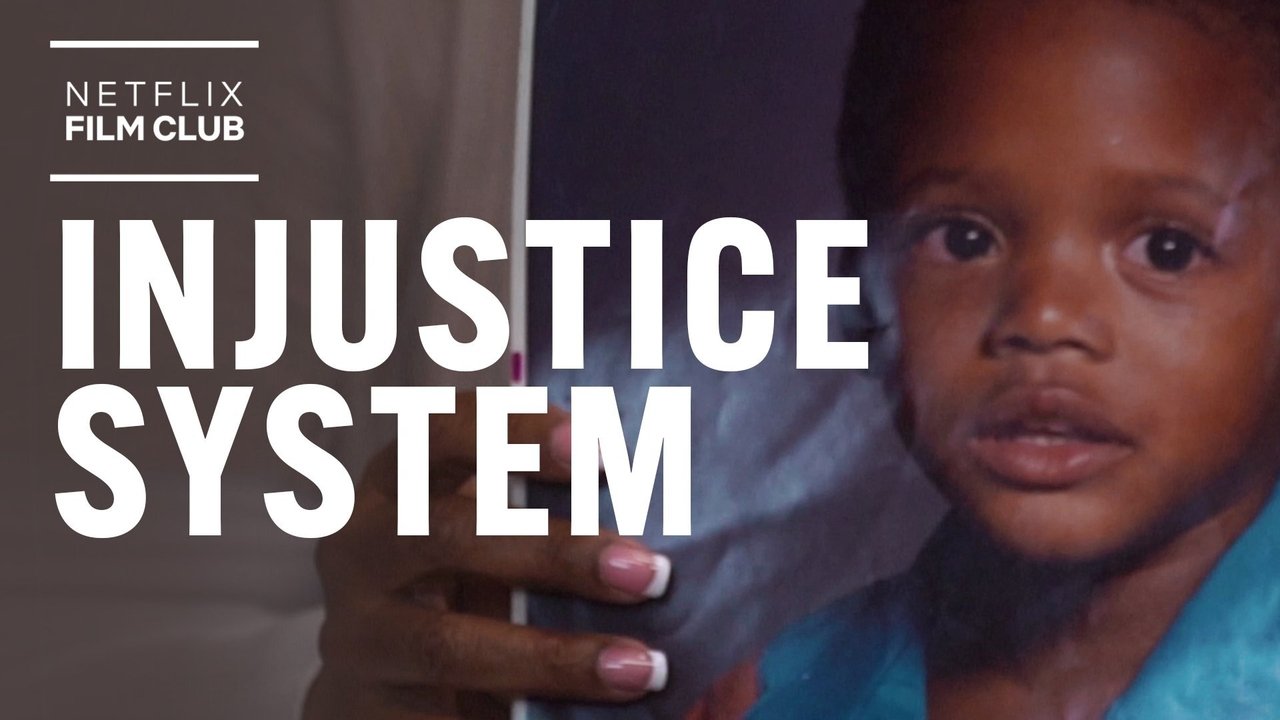
Injustice System (2021)
A Mother struggles to deal with the unknown condition of her incarcerated son during the worst pandemic in over 100 years.
A Mother struggles to deal with the unknown condition of her incarcerated son during the worst pandemic in over 100 years.
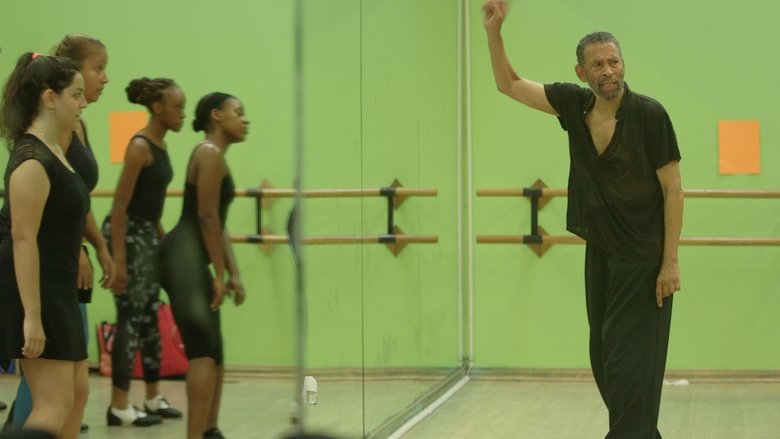
Maurice Hines -- actor, director, singer, and choreographer -- navigates the complications of show business while grieving the loss of his more famous, often estranged younger brother, tap dance legend Gregory Hines.
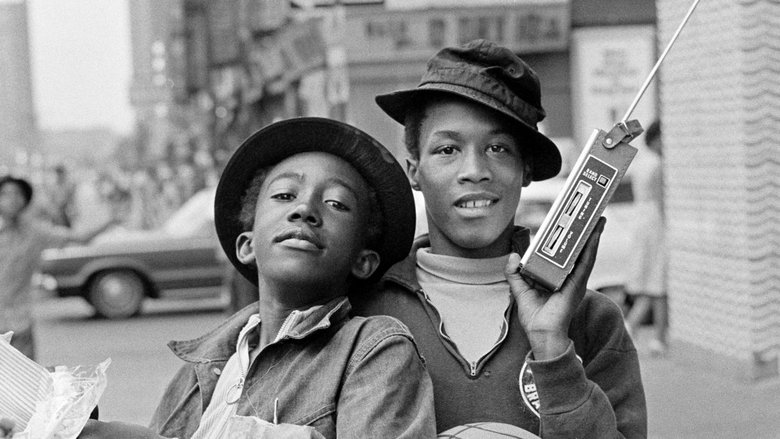
More than 60,000 of Ernest Cole’s 35mm film negatives were inexplicably discovered in a bank vault in Stockholm, Sweden. Most considered these forever lost, especially the thousands of pictures he shot in the U.S. Told through Cole’s own writings, the stories of those closest to him, and the lens of his uncompromising work, the film is a reintroduction of a pivotal Black artist to a new generation and will unravel the mystery of his missing negatives.
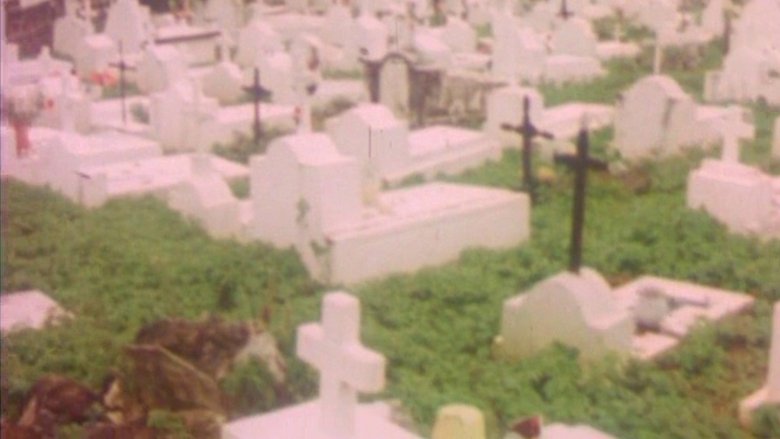
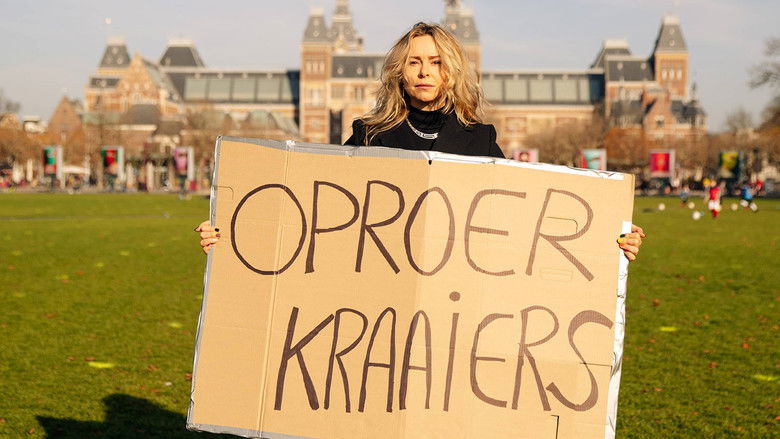
For 'Et les chiens se taisaient' Maldoror adapted a piece of theatre by the poet and politician Aimé Césaire (1913–2008), about a rebel who becomes profoundly aware of his otherness when condemned to death. His existential dialogue with his mother reverberates around the African sculptures on display at the Musée de l'Homme, a Parisian museum full of colonial plunder whose director was the Surrealist anthropologist Michel Leiris.
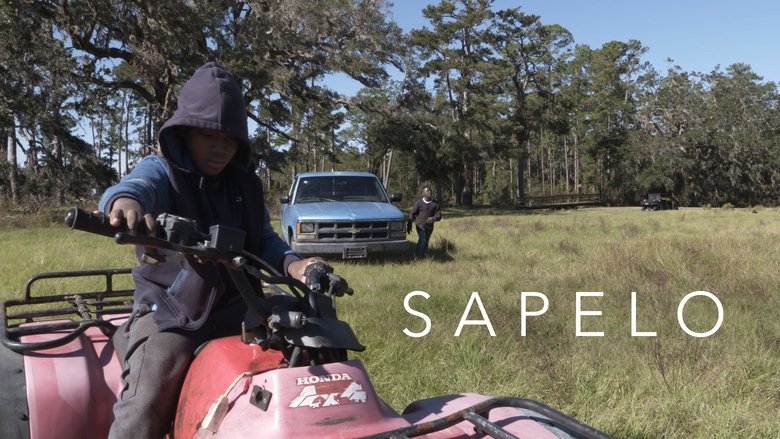
Sapelo is a feature-length documentary film that journeys within a unique American island to tell the story of two young brothers, their adoptive mother, and the last remaining enclave of the Saltwater Geechee people.

Rob Williams was an African-American living in Monroe, North Carolina in the 1950s and 1960s. Living with injustice and oppression, many African-Americans advocated a non-violent resistance. Williams took a different tack, urging the oppressed to take up arms. Williams was stripped of his rank as leader of the local NAACP chapter, but he continued to encourage local African-Americans to carry weapons as a means of self-defense. Wanted on a kidnapping charge, Williams and his wife fled to Cuba. His radio show Radio Free Dixie could be heard in some parts of the United States.
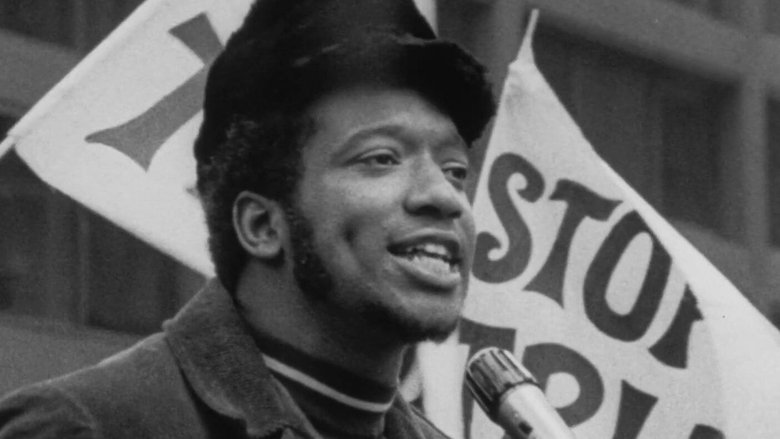
Fred Hampton was the leader of the Illinois Chapter of the Black Panther Party. This film depicts his brutal murder by the Chicago police and its subsequent investigation, but also documents his activities in organizing the Chapter, his public speeches, and the programs he founded for children during the last eighteen months of his life.
It’s been widely reported that Detroit is making a comeback, but long-term residents of Detroit’s mostly black neighborhoods aren’t seeing much benefit. Crime, lack of opportunity and infrastructure problems still persist. Community Patrol explores neighborhood self-policing through the eyes of Minister Malik Shabazz, a long-time Detroit activist and community organizer. Determined that more black men don’t end up in jail or killed, the minister confronts drug offenders directly rather than reporting them to the police.
Documentary film on events that happened on August 28th in African-American history, shown at the Smithsonian African-American History Museum.
When the Civil War ended in 1865, more than four million slaves were set free. Over 70 years later, the memories of some 2,000 slave-era survivors were transcribed and preserved by the Library of Congress. These first-person anecdotes, ranging from the brutal to the bittersweet, have been brought to vivid life in this unique HBO documentary special, featuring the on-camera voices of over a dozen top African-American actors.
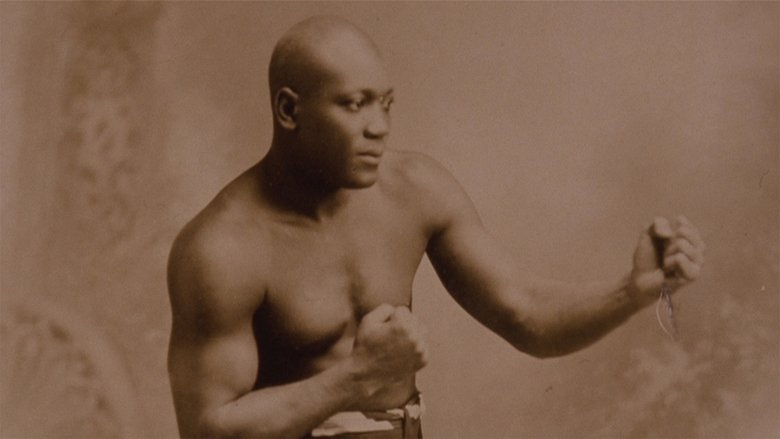
The story of Jack Johnson, the first African American Heavyweight boxing champion.
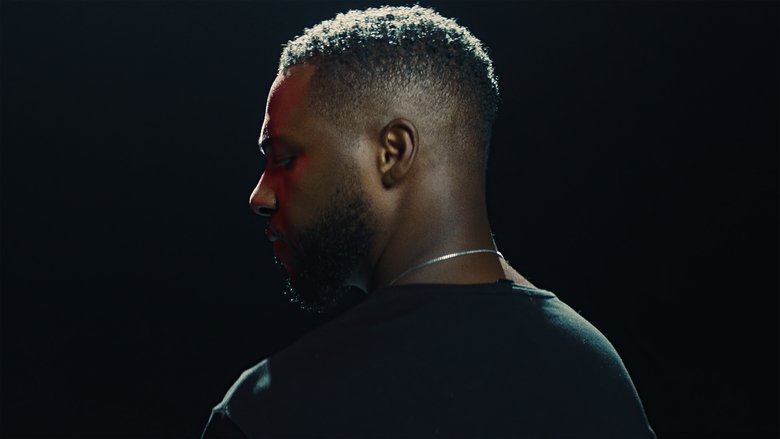
A man that is a stranger, is an incredibly easy man to hate. However, walking in a stranger’s shoes, even for a short while, can transform a perceived adversary into an ally. Power is found in coming to know our neighbor’s hearts. For in the darkness of ignorance, enemies are made and wars are waged, but in the light of understanding, family extends beyond blood lines and legacies of hatred crumble.
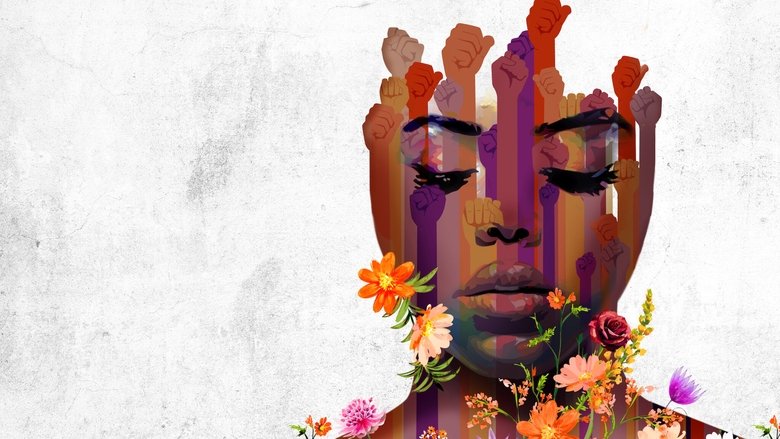
Using innovative animation and expert insights, this documentary based on Ibram X. Kendi's bestseller explores the history of racist ideas in America.
75% of all enslaved Africans coming to America came in through Beaufort and the sea islands of South Carolina. This beautiful and picturesque tourist destination, by its unique history is the epicenter of the Gullah culture and the foundation of African American history; the result of the mingling of West African slaves with the plantation culture awaiting them in America.
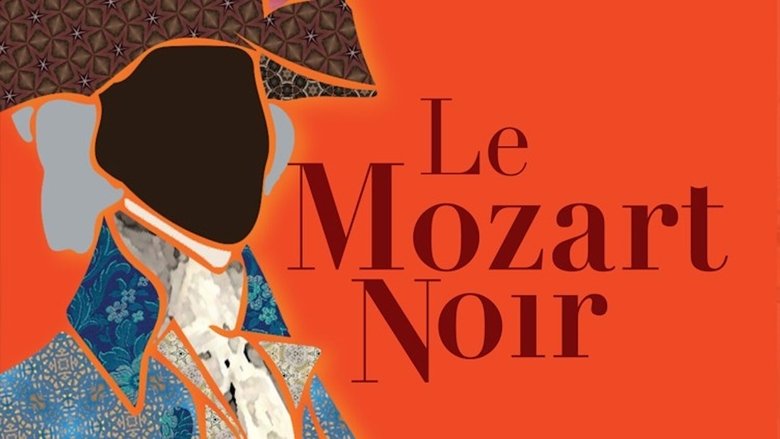
Le Chevalier de Saint-Georges overcame class and race prejudices in 18th century France to become a musical genius who would inspire Mozart.
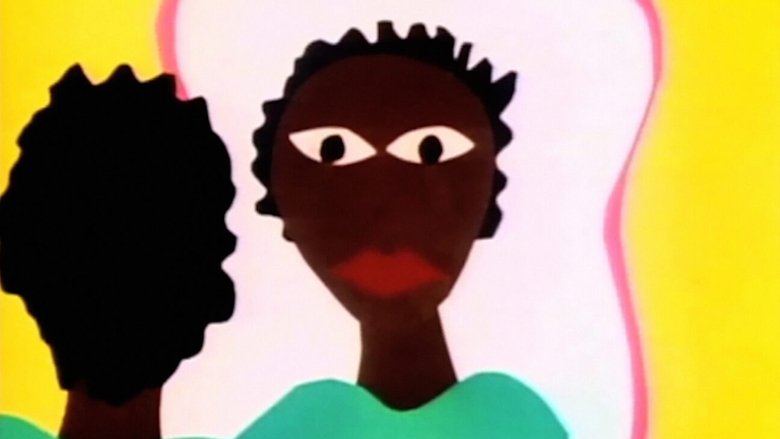
An animated satire on the question of self-image for African American women living in a society where beautiful hair is viewed as hair that blows in the wind and lets you be free. Lively tunes and witty narration accompany a quick-paced inventory of relaxers, gels, and curlers. This short film has become essential for discussions of racism, African American cinema, and empowerment.
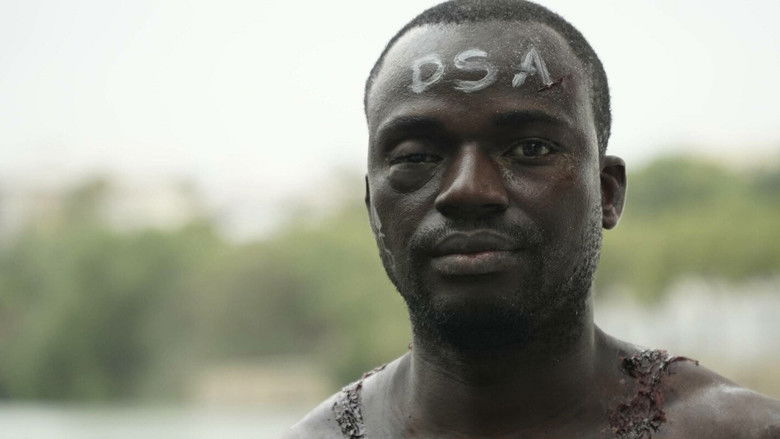
Seville, Spain, 14th century. A group of black slaves brought from Africa form the Hermandad de los Negros, a Holy Week brotherhood that has survived over the centuries, despite the opposition of the powerful; still active, it is one of the oldest institutions in Europe.
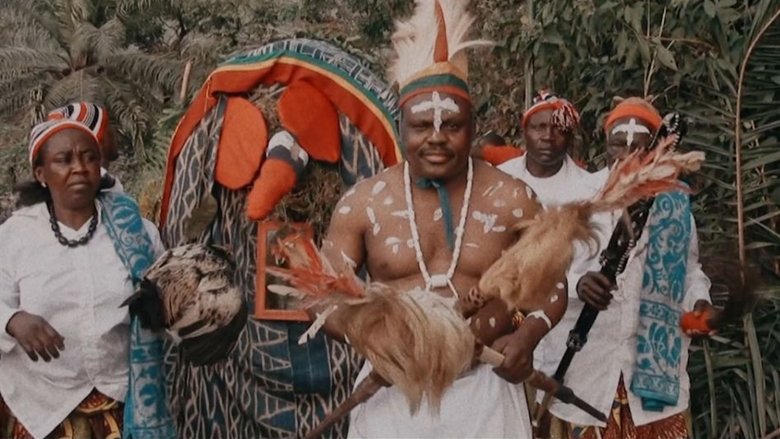
A rare close-up of the Abakuá —an Afro-Cuban religious brotherhood that has been hidden from outsiders until recently. A symbol of resistance for over 200 years, the Abakuá society has managed to survive slavery, the Spanish domination and the Revolution, spite of all the bias and misunderstandings about their traditions and rituals.
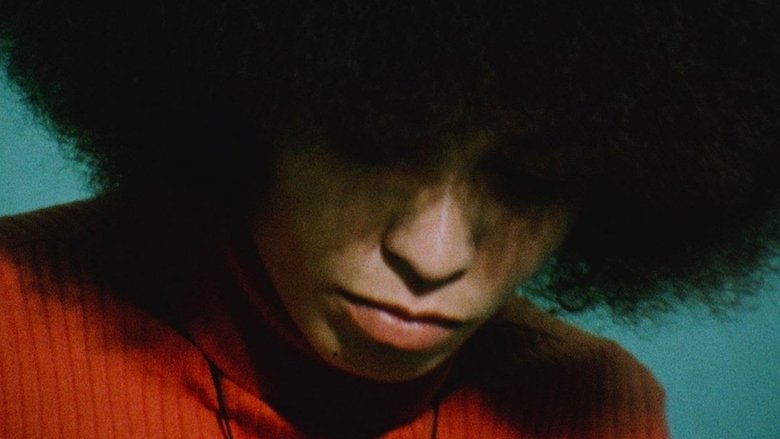
Examines the evolution of the Black Power Movement in US society from 1967 to 1975. It features footage of the movement shot by Swedish journalists in the United States during that period and includes the appearances of Angela Davis, Bobby Seale, Huey P. Newton, Eldridge Cleaver, and other activists, artists, and leaders central to the movement.
Country music has always been Black music. For Love & Country examines the genre's past through the lens of a new generation of Black artists claiming space in Nashville, and transforming country music in the process.