Flooded Tombs of the Nile (2021)
Outside the Sudanese capital Khartoum, the remains of an ancient city stand in the desert. Are you ready to dive beneath the pyramids of Sudan's black pharaohs?
Outside the Sudanese capital Khartoum, the remains of an ancient city stand in the desert. Are you ready to dive beneath the pyramids of Sudan's black pharaohs?
 Devin E. HaqqNarrator
 Pearce Paul CreasmanSelfKristin RomeySelfFakhri Hassan AbdallahSelfJustin SchneiderSelfHenrik BraheSelfSami ElaminSelfGeoff EmberlingSelfDavid DunnSelf
Professor Bettany Hughes takes viewers on a journey of discovery as she investigates 10 of the greatest and most intriguing Egyptian mummies - and the secrets that lie beneath the bandages. Having remained in their tombs for thousands of years, wrapped, embalmed and buried with treasure, each mummy tells the story of the criminals, priests, children and pharaohs of Ancient Egypt.
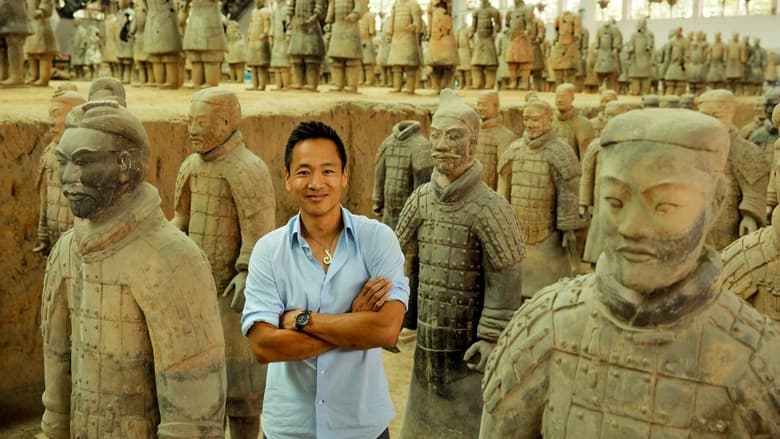
Albert Lin and National Geographic Channel unearth the terrible secrets that lie hidden in the tomb of China's first Emperor. The Terracotta Warriors are just the tip of the iceberg in this mausoleum the size of Manhattan, that has gone largely unexcavated…until now. These silent statues guard explosive, macabre findings that rewrite history and paint a very different picture of the ancient world from what we thought we knew.
Come back with us to Ancient Greece, 2,500 Years ago to the original Olympic Games. The ancient Games, like our modern Olympics, included champions and cheaters, glory and scandals, bitter rivalries and contests of strength, speed and savage combat. Set in 448 BC when the pounding of horse's hooves and the brutal hand-to-hand combat could be heard and seen by the crowds that filled the Olympic stadium. This one-hour special event follows the glory and corruption of the arc of a single, five-day Olympiad. The competitions include chariot racing, running, jumping, discus, javelin and two man-to-man combat finals-boxing and pankration, a form of extreme fighting in which death was not uncommon. With the help of sports historians and great athletes such as George Chuvalo and Olympic medallists Donovan Bailey and Angela Schneider, viewers travel back to a very different life-in a very different world.
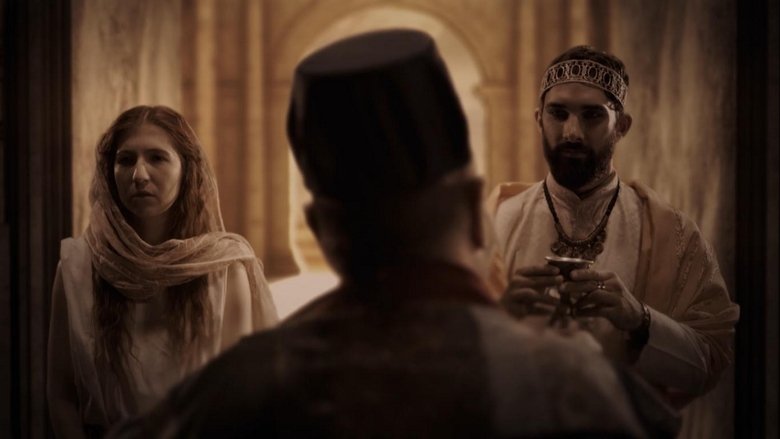
An account of the reign of Herod the Great, king of Judea under the rule of the Roman Empire, remembered for having ordered, according to the Gospel of Matthew, the murder of all male infants born in Bethlehem at the time of the birth of Jesus, an unproven event that is not mentioned by Titus Flavius Josephus, the main historian of that period.
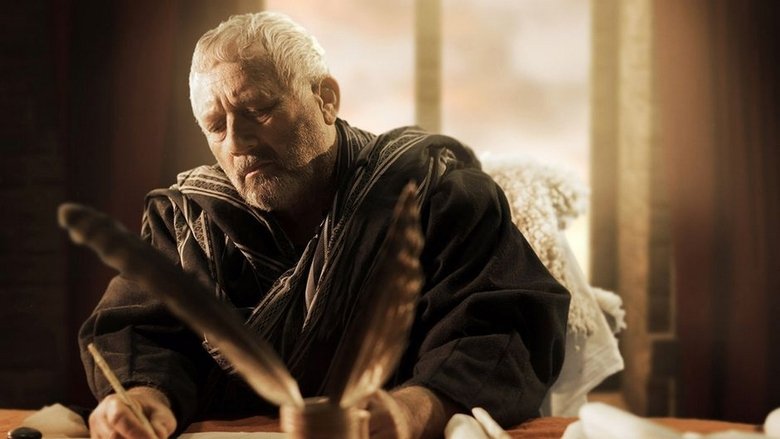
In the first century, after the death of Herod the Great, Judea goes through a long period of turbulence due to the actions of the corrupt Roman governors and the internal struggles, both religious and political, between Jewish factions, events that soon lead to the uprising of the population and a cruel war that lasts several years and causes thousands of deaths, a catastrophe described in detail by the Romanized Jewish historian Titus Flavius Josephus.
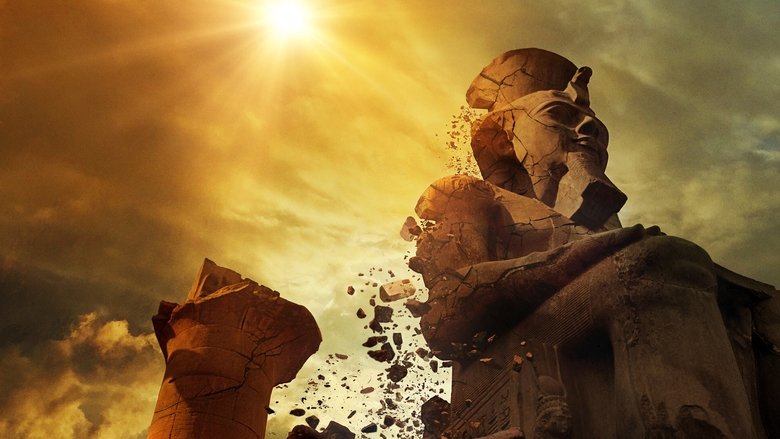
This explores the mysterious and catastrophic collapse of ancient civilizations during the late Bronze Age, from the Hittites to the Mycenaeans and the Egyptians, revealing the tumultuous events that brought an end to a thriving era of human history, and warns we may be facing similar threats today.
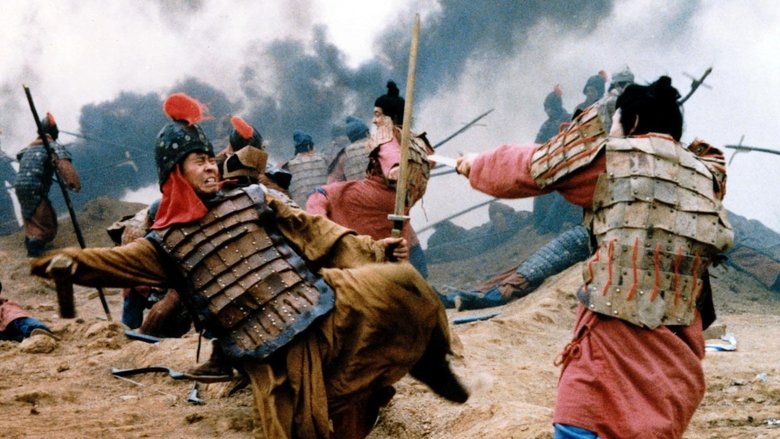
This historical drama tells the story of Qin Shihuang, who unified China's vast territory and declared himself emperor in 221 B.C. During his reign, he introduced sweeping reforms, built a vast network of roads and connected the Great Wall of China. From the grandiose inner sanctum of Emperor Qin's royal palace, to fierce battles with feudal kings, this film re-creates the glory and the terror of the Qin Dynasty, including footage of Qin's life-sized terra cotta army, constructed 2,200 years ago for his tomb.
A new exploration of familiar places located in the region of Rhône and Isère throught an reinvention of digital nuances, a study of perceptions and fluidity around the nature of motion in landscapes and human interactions.
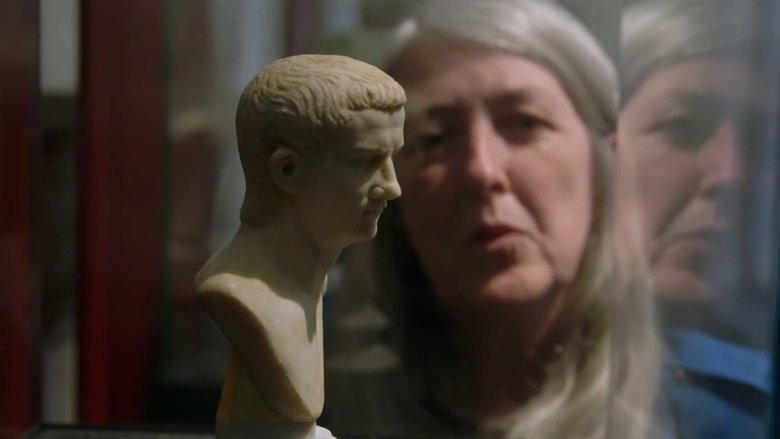
What is true and what is false in the hideous stories spread about the controversial figure of the Roman emperor Gaius Julius Caesar Augustus Germanicus (12-41), nicknamed Caligula? Professor Mary Beard explains what is accurate and what is mythical in the historical accounts that portray him as an unbalanced despot. Was he a sadistic tyrant, as Roman historians have told, or perhaps the truth about him was manipulated because of political interests?
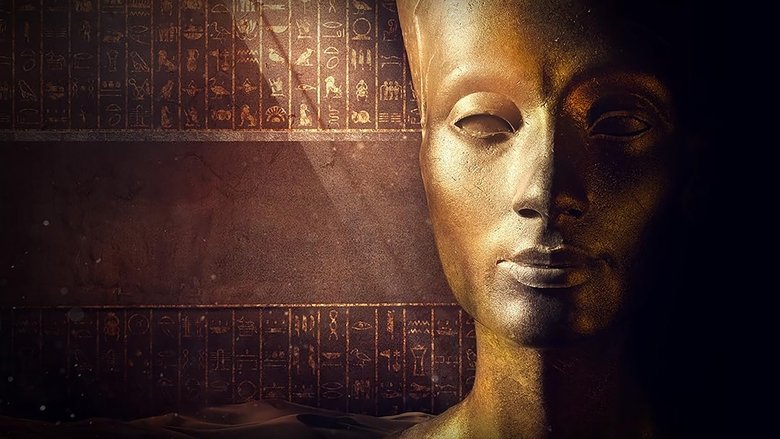
The film chronicles the last 3 years of Akhenaten -called "the heretic pharaoh"- and his wife Queen Nefertiti, their mysterious and convulse reign in the context of the profound political and theological reform they promoted.
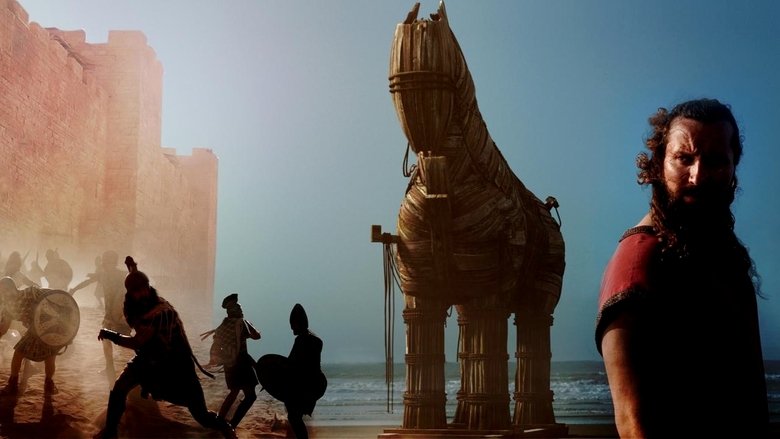
The story of the Trojan Horse is probably one of the most famous stories ever told: after ten years of bloody war, the Greek coalition decides to lift the siege and depart, but not before leaving at the gates a huge wooden horse, which the Trojans confidently lead into the city. A few hours later, the once invincible Troy goes up in flames. What exactly happened? Is this myth true or false?
An examination of how Africa's mythological stories have served as the basis for the world religions that came after, especially in Western civilization.
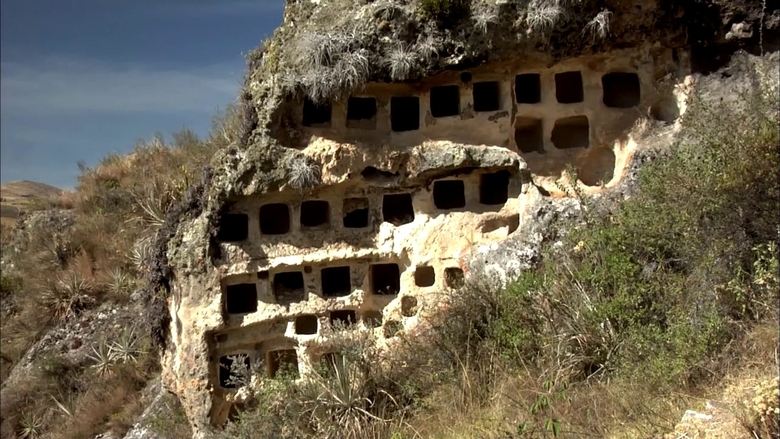
In the Formative Period 4,000 years before the Incas and the arrival of the Conquistadors, Peru’s earliest civilizations - the Chavín, Caral, Ventarrón, Sechin, Cupisnique, and Cajamarca cultures - built centers of learning and technological achievements, including the largest work of hydrological engineering in the ancient Americas: the Cumbemayo canals.
With over 60 tombs, the Valley of the Kings is the most-famous burial ground on Earth. In the biggest Egyptian excavation ever, a team of archaeologists led by Zahi Hawass heads into the Western Valley to hunt for evidence of an undiscovered tomb.
In 16th century feudal Japan the war between the Iga clan and the Kouga clan continues unabated. Typically for such violent disputes it is the women who suffer the most – in this case lowly castrated Kouga clan ninjas are kidnapping woman from their rivals’ lands and transporting them back to their own, with the intent to use them as concubines. Unfortunately for a trio of inept Kouga ninjas, one of the women they’ve kidnapped is Kisaragi (Rina Takeda), a skilled ninja with a long standing vendetta since her mother was kidnapped when she was just a baby.
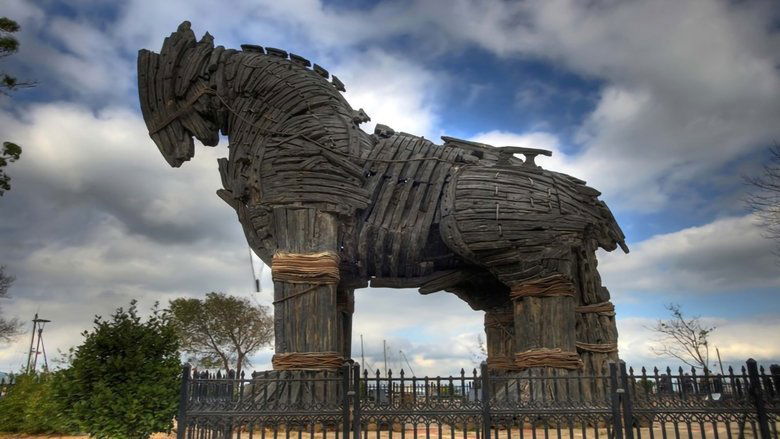
For centuries Troy was believed to be a mythical city. Now, a leading team of American archaeologists have discovered an ancient thriving city, and evidence of a real Trojan War.
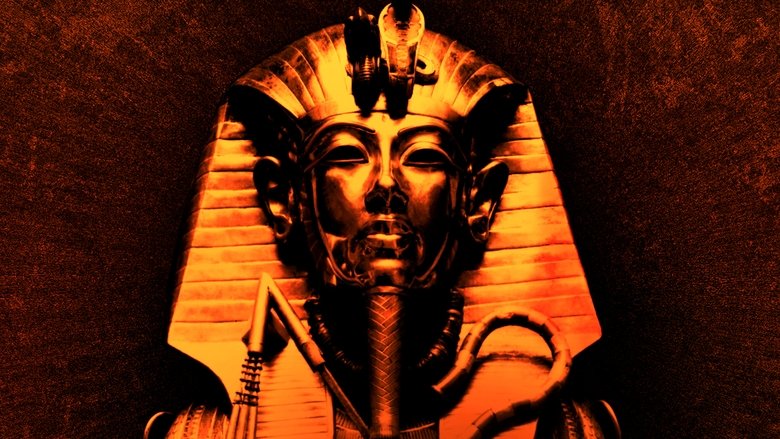
The discovery of Tutankhamun’s tomb is revealed for the first time in color, thanks to colorization of black-and-white newsreel and photographs.
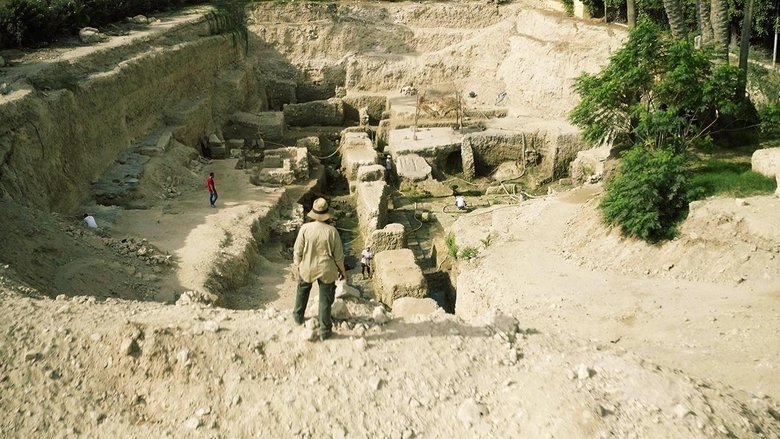
In this gripping investigation, archaeologist Pepi Papakosta is on a hunt for Alexander the Great's lost tomb, and she makes an extraordinary discovery.
5000 years ago the ancient Elamites established a glorious civilization that lasted about three millennia. They created marvelous works in architecture and craftsmanship. These works of art depict the lifestyle, thoughts, and beliefs of the Elamites.
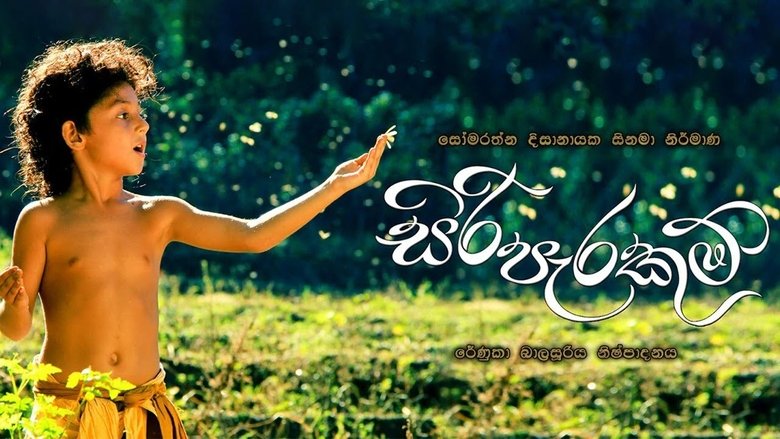
The 1st queen of the king dies in child birth, the prince survives. After the 2nd queen, gives birth to a new prince, she plots to kill the 1st prince, so that her son would get the crown after the king. A soldier senses this danger and ousts the prince to a rural village for survival. The village headman adopts the child without knowing the origin of the child. The prince gradually forgets his royalty, and grows up as a skillful and handsome farmer. After the death of the king, the soldier and religious leaders plan to bring the real prince to the crown.