
Revza (2016)
While the film focuses on a mother and son’s relationship, it investigates the long-term effects of the immigration of the filmmaker’s family from Bulgaria to Turkey and the life of a widow in a patriarchal culture.
While the film focuses on a mother and son’s relationship, it investigates the long-term effects of the immigration of the filmmaker’s family from Bulgaria to Turkey and the life of a widow in a patriarchal culture.
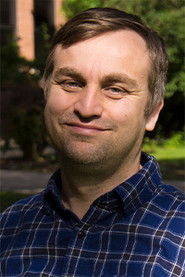 Emir CakarozRevza's sonRevza CakarozMother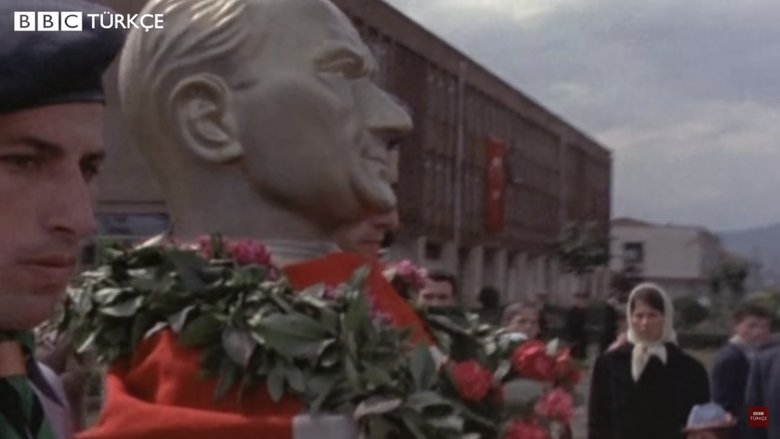
In the documentary, the life of Mustafa Kemal Atatürk, the last period of the Ottoman Empire, the War of Independence and the developments in the first years of the Republic of Turkey are told in parallel. The documentary prepared by Michael Adams consists of recordings made by the BBC in 1970 in Çanakkale, Samsun, Amasya, Sivas and Ankara, as well as historical footage.
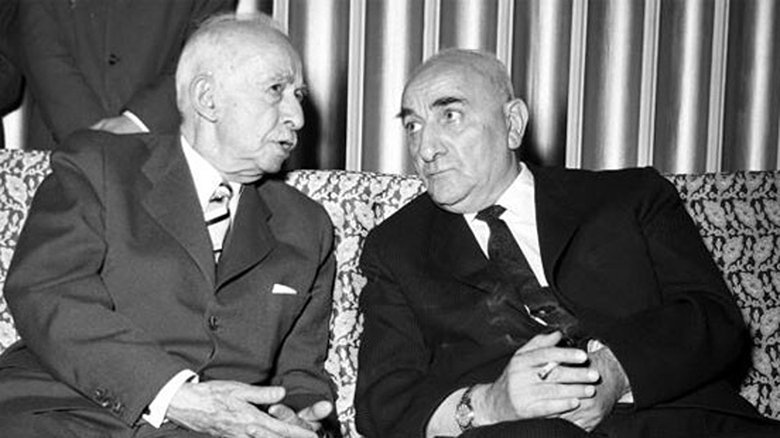
Staff Colonel Talat Aydemir... Aydemir's February 22 rebellion was the first revolutionary attempt in Turkey that faced resistance. But it was also the most dangerous... The thing the army feared most happened to him. The most undesirable possibility of the commanders in charge came true and friction broke out between the armies. At that time, the commander of 27 May, Cemal Aga, was appointed to the presidency, but the discomfort did not end. A group led by Colonel Talat Aydemir sought to intervene again. However, a part of the army, especially the Air Force, left Aydemir alone at the last moment. Talat was still strong in Ankara. In order to break this power, Prime Minister İnönü found the formula to dismiss the leaders of the rebel officers and appoint them to the East. Here is February 22, the day when these appointments will be announced to the rebels. The apocalypse was expected that day. And it broke that day...
In Turkey far too many women are still unable to read and write, and all they see in their life span is being forced into early marriage and relegation to the home, where they look after extended families and more children than they can feed. The girls are portrayed in their homes, together with the strongest supporters of their emancipation through education: their mothers. Girls of Hope portrays five girls who struggle for their education and, despite all the difficulties, try to hold on to their hope for a better future.
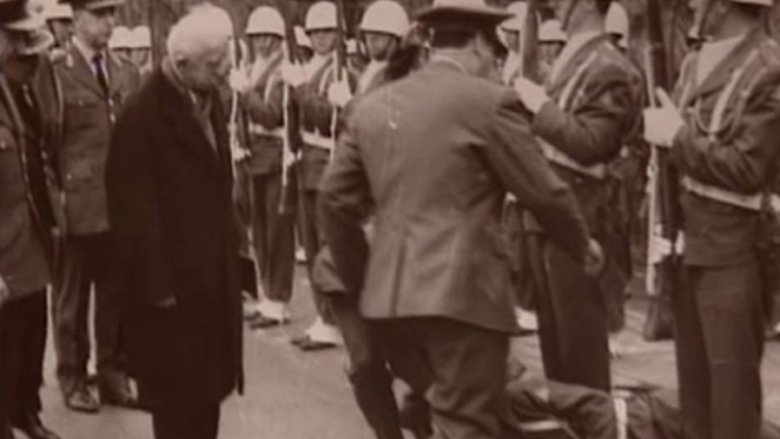
In the words of those days, "The first parliament of the Second Republic opened in its new building at 15:00 on a Wednesday. At that moment, the National Unity Committee, which had been ruling the country since 27 May, vanished into history. Now there was an Assembly and a Senate. The old Members of the Committee of National Unity had been "senators of course" for life. The country was finally getting its parliament again after a year and a half hiatus. After many painful days and nights, the biggest share in this success belonged to İsmet İnönü...
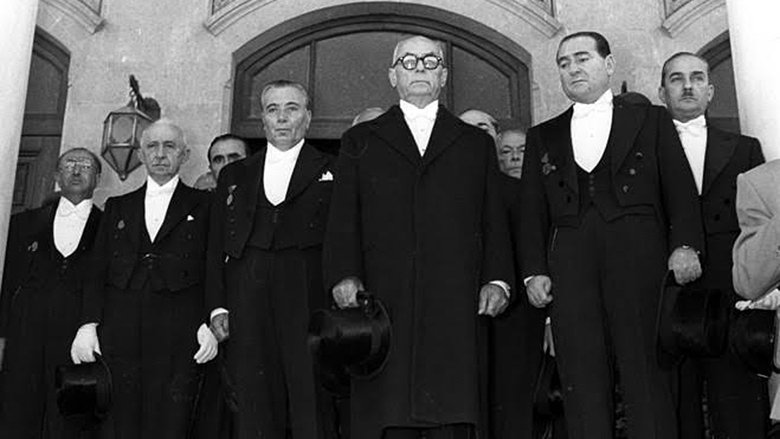
It's easy to say... After 23 years of single-party rule, Turkey decided to try democracy once again in 1946. In every attempt up to that time, the regime had been turned upside down and given up in a short time. Now a new one was coming. Would he be able to reach the multi-party regime that has been pursued since Atatürk this time? The calendar of democracy began to run on the morning of Monday, January 7, 1946. That day was a turning point in Turkish political history. The Republic of Turkey woke up with a single party in the morning, it was now multi-party...
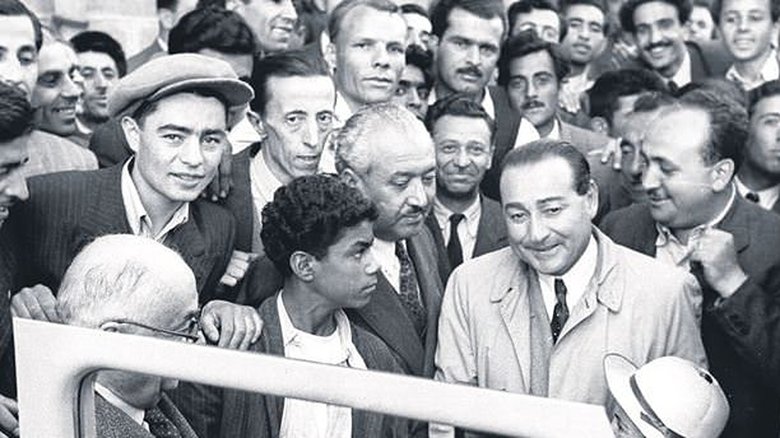
Societies, like people, have turning points in their histories. These milestones sometimes silently and spontaneously knock on the door, and sometimes they explode like a terrifying thunderclap. The year 1950 was such a turning point for Turkey. A simmering social reaction against 27 years of power erupted in the spring of 1950. Society has cracked its quarter-century shell. Not by shedding blood in the streets, but by voting at the ballot boxes. "Demirkırat" was reared by the general vote. That's why the 14 May 1950 elections were always called the "White Revolution"...
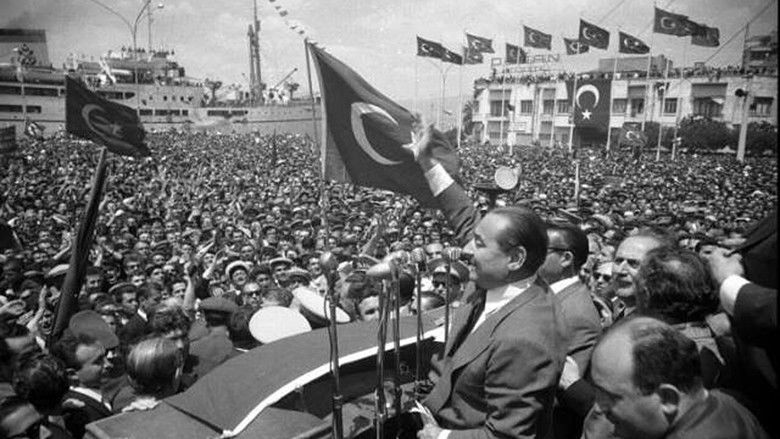
The spring of 1950 was also the spring of the multi-party regime in Turkey. A new 10 years, a new regime, a new government. The first test of democracy was beginning. The National Chief of the single-party period had returned to his Pink Mansion. The address of the opposition was clear now. When it comes to power... Power was shared by a tripartite trivet from the first day: DP Group in the Parliament. Celal Bayar in the Mansion and Adnan Menderes in the Prime Ministry..
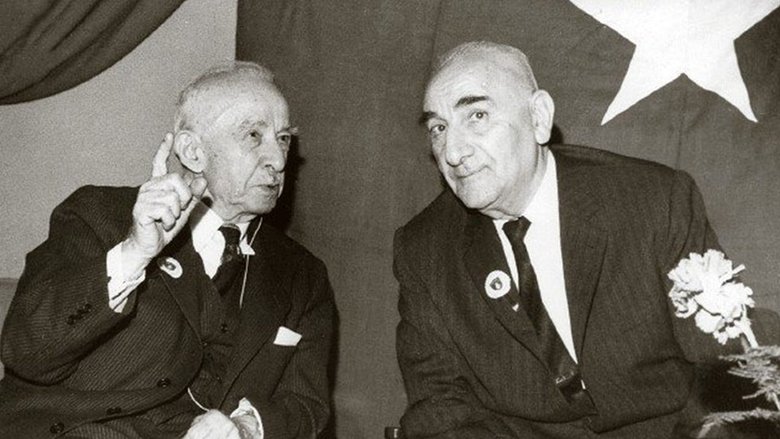
In the past, when spring came, there was a spring atmosphere in politics. But the spring of 1959 brought the CHP's spring offensive on the contrary. Seeing that the opportunity for a dialogue was completely lost after Menderes' plane crash, İsmet Pasha put on his boots in April and took his 46 deputies with him to the expedition. The chosen route was the route of the Great Offensive in the War of Independence. Uşak, where İnönü took the Greek Commander-in-Chief Trikupis prisoner, was the first stop...
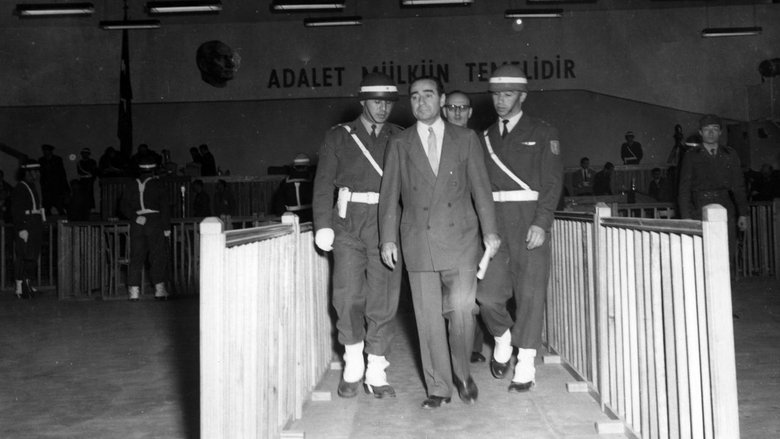
It is a famous saying: "One can come to power with a bayonet, but not sit on it." The organization, which carried out 27 May, came to power with a bayonet. Moreover, these young officers seized power that night by breaking the traditional chain of command. In the morning, a 10-year DP period was over, the support of the public was gained at first hand, and a brand new phase was reached. Now, the days that would mark the future of Turkey were beginning. Now, as those days put it, the "second republic period" was beginning.
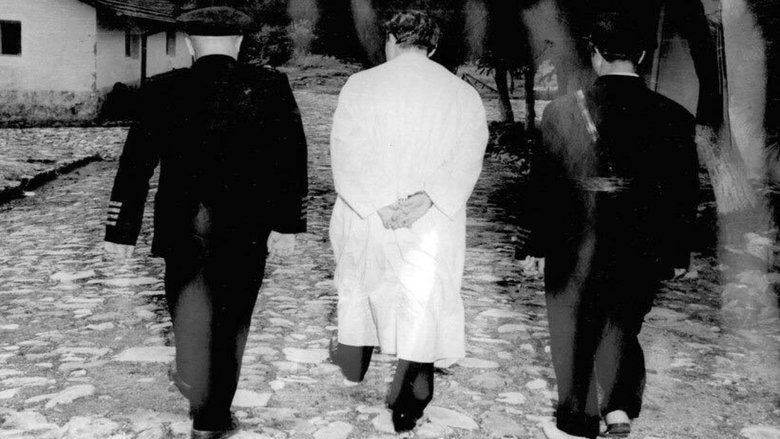
We came to the end of the road. We told you the story of the establishment of a democracy throughout 9 episodes... We witnessed the collapse of a one-party regime. We witnessed the disappearance of the national chiefdom. Together we experienced the holding of the first free general elections and the raising of democracy in pain. And finally, we told you about the birth, rise and fall of a new power. Where we ended up was a military intervention. Whatever the reasons, the storm of revolution had blown once. Now the task of the officers who seized power on the morning of May 27 was to contain that storm. But it didn't. After a while, the storm started to drag the revolutionaries in front of it. The historical scenario was repeated. The Revolution ate some of their children. The revolution was now speaking its own language...
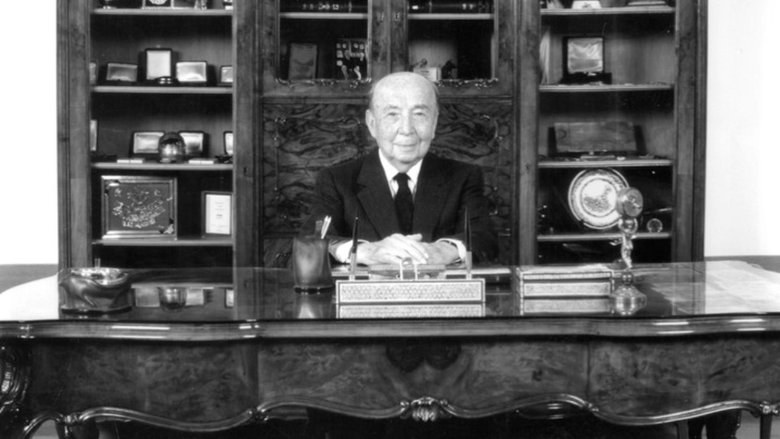
Some people have zeros, make big bucks. He becomes rich like the wives. Everyone talks about their money. As long as they are alive, they are always talked about. But then? Then they are forgotten... The idea of talking to you about a completely different person in this documentary. His life is like a history book. It opened its eyes with the Ottomans, took its first steps with the Young Turkish Republic, grew with the growing Turkey, became a giant, but did not show its giantness. He said that if the state exists, I exist too. It has become a symbol, an institution on its own. He writes down the establishment and development process of the Turkish private sector in detail. This person's name is Koçzade Vehbi Efendi...
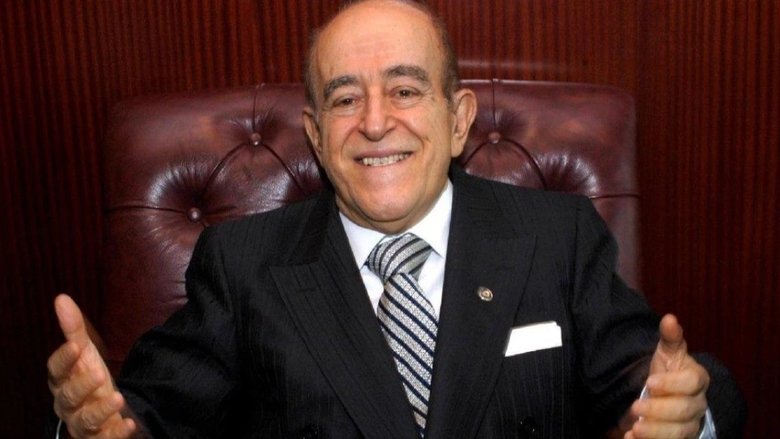
Working, working, working... Here are the words that make up a contemporary Turkish fairy tale. In fact, this fairy tale is not just the story of one person or a family. It is also the story of a country...
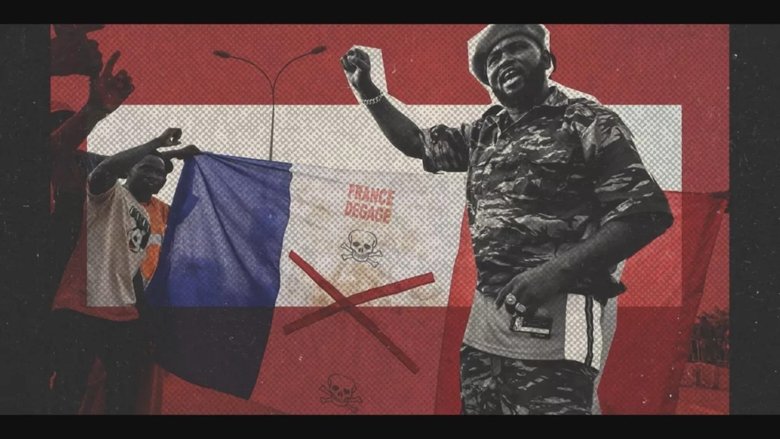
At a time when French flags are being burned and French embassies targeted, this documentary delves into the growing disaffection between French-speaking Africa and the former colonial power. Through the voices of African leaders, pan-African activists, and committed young people, the film questions the persistence of a relationship marked by the aftermath of colonization, the opaque agreements of "Françafrique," and a military presence deemed paternalistic.
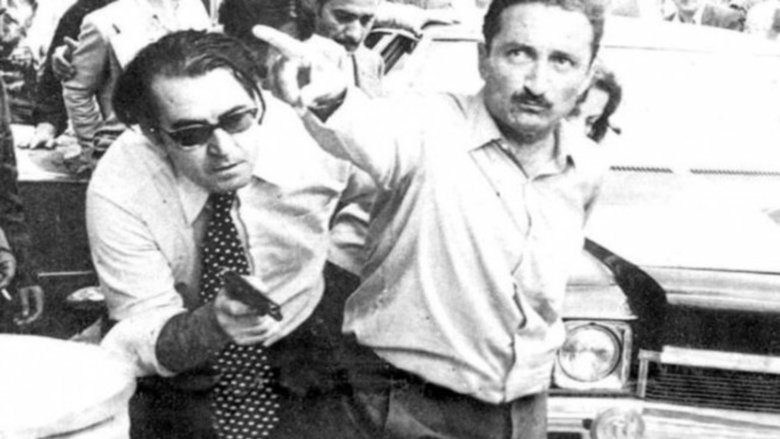
A political amateur who was kneaded with art in the first half of the 1950s and was enthused with the idealism of politics in the second half, was now a person who was dealing with politics and state affairs 24 hours a day, gradually getting hotter and broadening his goals and horizons. In this section, you will follow the milestones of the poet's hopeful arrival in the 1970s, not a dream that the poet remembers with longing, but is no longer left behind. Contrary to the poem, you will recognize the struggle of a stubborn, belligerent missionary who is incompatible with the world. You will witness how it changed in that struggle and how this change affected a country...
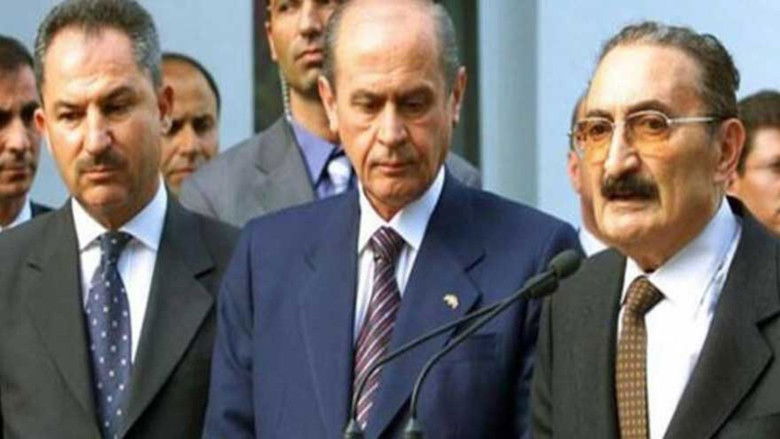
A political adventure that started with a modest membership ceremony in the Çankaya District Building of the CHP in 1954 and ended in 2004, covering exactly 50 years. Bülent Ecevit was the name that left his mark on Turkey's multi-party years. The politics he said goodbye to was his way of life. No politician has ever been written on the mountains and stones like him... No politician has ever been as critical of the future of the left as he was. His name was sometimes referred to as a "divisive" and sometimes "honest politician. Bülent Ecevit was engraved in history as the memory of the multi-party period and as an example of a politician's exit from the ballot box and his exhaustion...
INTENT TO DESTROY embeds with a historic feature production as a springboard to explore the violent history of the Armenian Genocide and legacy of Turkish suppression and denial over the past century.
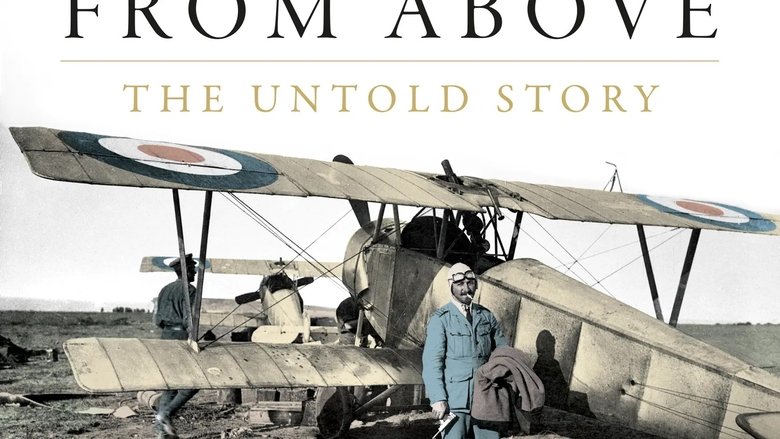
Gallipoli from Above: The Untold Story is the true story of how a team of Australian officers used aerial intelligence, emerging technology and innovative tactics to plan the landing at Anzac Cove. It is now nearly 100 years since the landing and hundreds of books, movies and documentaries have failed to grasp the significance of the ANZAC achievement. Instead, the mythology has clouded the real story of how these two influential Australian officers took control of the landing using every innovation they could muster to safely land their men on Z beach.
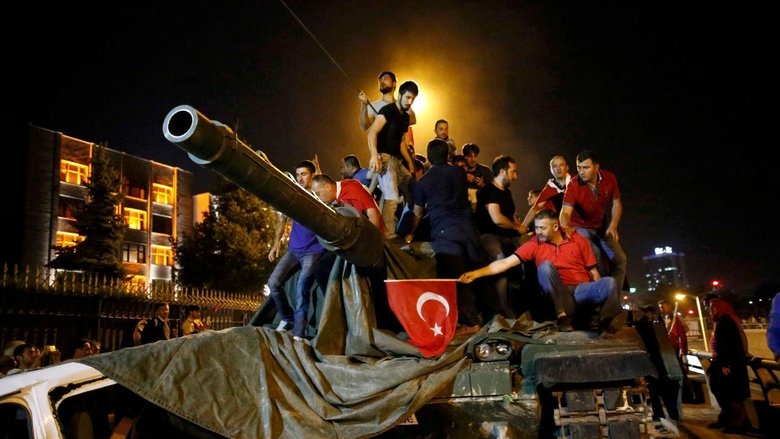
The night of July 15, 2016 changed the history of Turkey. On that day there were coordinated attacks by parts of the Turkish army, among others in Istanbul. The aim of the military: a coup against the government. The decisive confrontation occurred on the Bosporus Bridge. While President Erdogan was still on vacation, live at TV he called on the people who were devoted to him to stand against the military. As an enemy for the masses, he presented his adversary Fethullah Gülen, whom he branded as the coup leader. He also urged the imams of the country's mosques to condition the population to resist. And so it happens that at night thousands of agitated people take to the streets to oppose the armed insurgents. The death toll was high. 352 people died across Turkey during the attempted coup. The consequences are even more serious: Erdogan used this gift, as he called it himself, to undermine democracy, to arrange mass arrests of dissidents and to transform Turkey into a dictatorship.
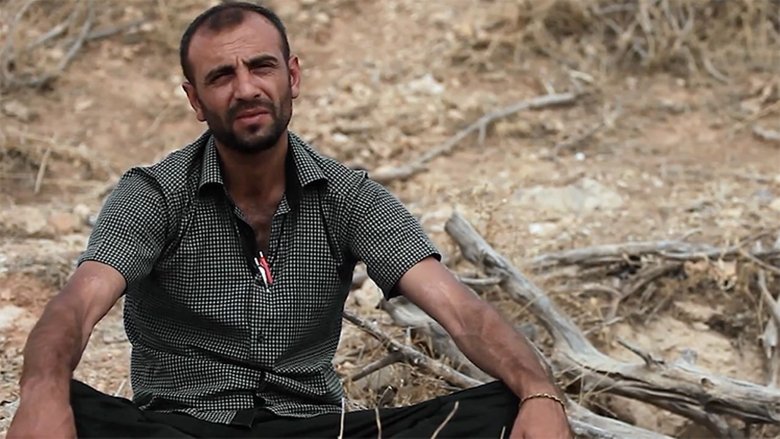
In the 1990s many people in Kurdistan were taken into custody and interrogated under torture; their killers disposed of the bodies by throwing them out of helicopters, or burying them in acid-filled wells. Thousands were murdered/disappeared by paramilitary forces—such as Jitem and Hizbul-Kontra—that were financed and supported by the state, though they have always stuck to the line: “We didn’t do it.” The documentary looks at the case of seven people, including four children, who were disappeared from the town of Kerboran [Dargeçit] in 1995, and tells the story of their families’ tireless search for their bones
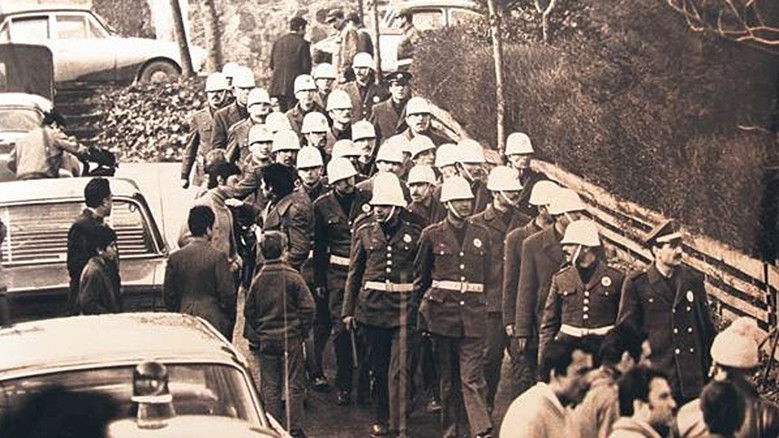
We are now saying goodbye to the 1960s. The 60's started eventfully on May 27. It ended as eventfully as it began. The '70s inherited escalating violence, student riots, and rumors of intervention. Prime Minister Demirel was trying to put out the fire in the street and to calm the increasingly restless army on the other. The October 1969 elections were held in this atmosphere and the Justice Party came out of the ballot box again. May 27 came by overthrowing the DP government, but the AP, which declared that three of the three elections held since the 1960s, were the continuation of the DP, emerged successfully. Demirel was about to roll up his sleeves for a new era. He felt that no one could stop him now. He was wrong. As he was dizzy from victory, he fell at Caesar's fault. Forgot about Brutus...