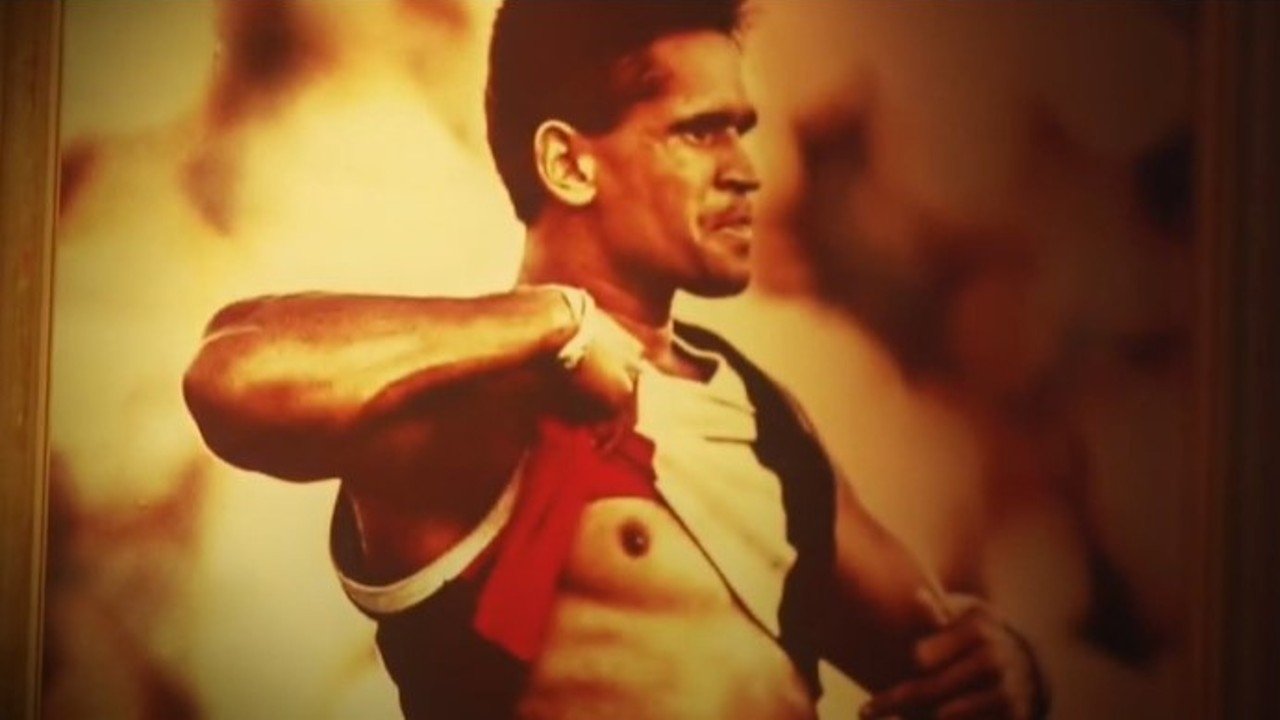
The Ripple Effect (2021)
The Ripple Effect is a powerful documentary primarily centred around St Kilda legend and proud Noongar Nicky Winmar's generation-defining stand against racism at Victoria Park in 1993.
The Ripple Effect is a powerful documentary primarily centred around St Kilda legend and proud Noongar Nicky Winmar's generation-defining stand against racism at Victoria Park in 1993.
 Nicky WinmarSelfNathan Lovett-MurraySelf
 Nova PerisSelfOtis Hope CareySelfBen LongSelfBachar HouliSelfAkec Makur ChuotSelfJosh Addo-CarrSelfWayne LudbeySelfTanya HirvonenSelf
Former professional footballer Anton Ferdinand explores the issue of racial abuse in the game from a personal perspective. Following a sharp rise in reported incidents of racial abuse in football, Anton talks for the first time about his own highly publicised 2011 incident with the former England captain John Terry. Anton wants to understand his own story and find out what needs to be done to address the problem of racism in the game today. He also confronts the online abuse he has experienced since, which has affected his mental health, his career and the lives of his loved ones
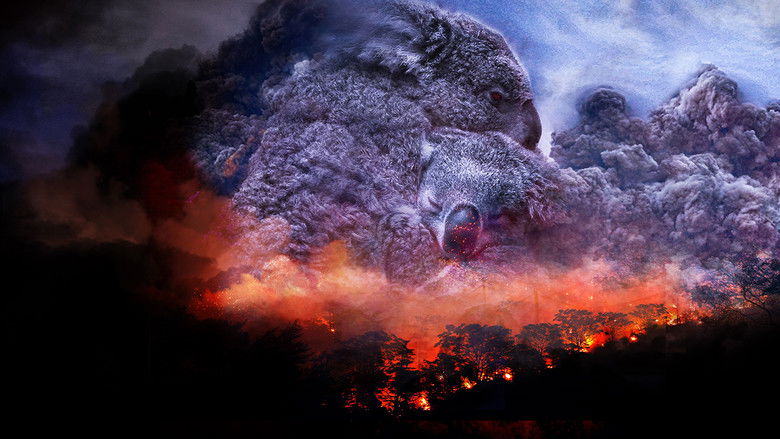
Charting the recovery of wildlife in the aftermath of Australia's catastrophic bushfires through stories of hope and resilience.
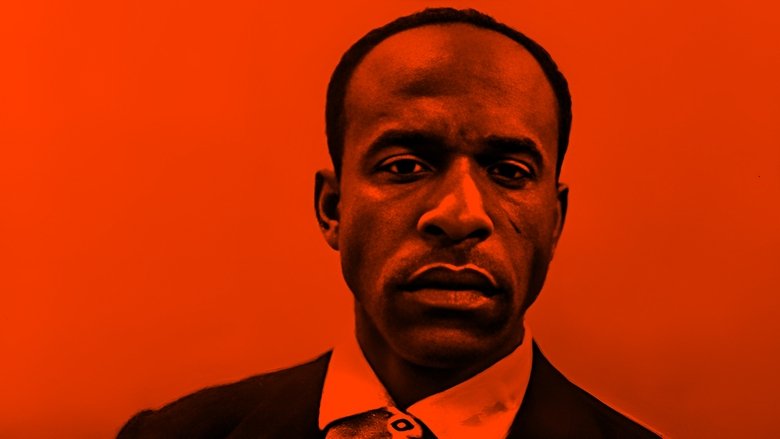
It is the evocation of a life as brief as it is dense. An encounter with a dazzling thought, that of Frantz Fanon, a psychiatrist of West Indian origin, who will reflect on the alienation of black people. It is the evocation of a man of reflection who refuses to close his eyes, of the man of action who devoted himself body and soul to the liberation struggle of the Algerian people and who will become, through his political commitment, his fight, and his writings, one of the figures of the anti-colonialist struggle. Before being killed at the age of 36 by leukemia, on December 6, 1961. His body was buried by Chadli Bendjedid, who later became Algerian president, in Algeria, at the Chouhadas cemetery (cemetery of war martyrs ). With him, three of his works are buried: “Black Skin, White Masks”, “L’An V De La Révolution Algérien” and “The Wretched of the Earth”.
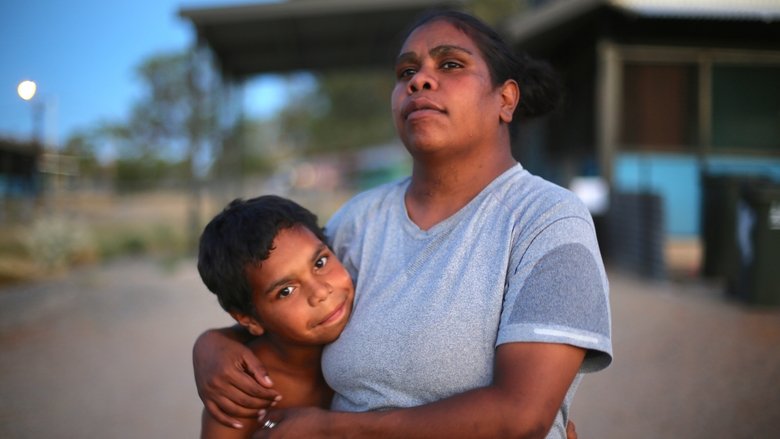
The story of Dujuan, a 10-year-old Aboriginal boy living in Alice Springs, Australia, who is struggling to balance his traditional Arrernte/Garrwa upbringing with a state education.
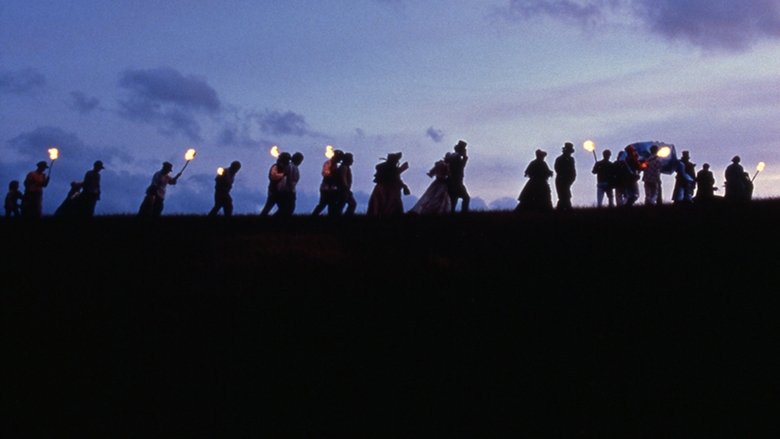
In 1832 the government of Van Diemen’s Land sent the last Aboriginal resistance fighters into exile at Wybalenna on Flinders Island, bringing an end to the Black War and opening a new chapter in the struggle for justice and survival by Tasmanian Aboriginal people. Black Man’s Houses tells a dramatic story of the quest by Aboriginal people to reclaim the graves of their ancestors against a background of racism and denial. Documenting a moving memorial re-enactment of the funeral of the great chief Manalargenna, the film also charts the cultural strength and resilience of his descendants as they are forced to fight for recognition in a society that is not ready to remember the terrible events of the past.
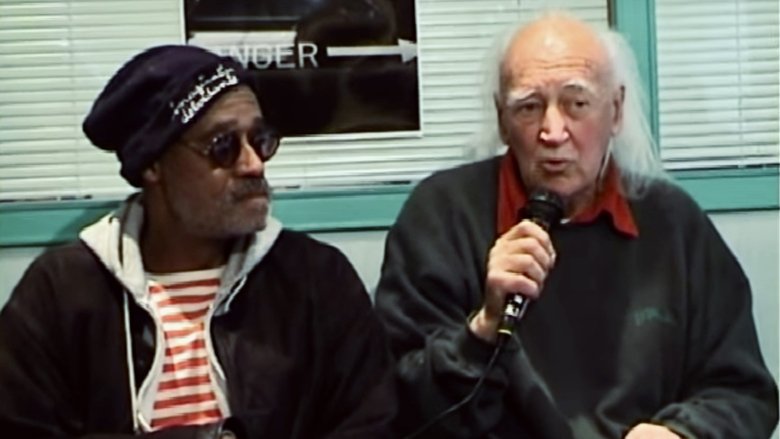
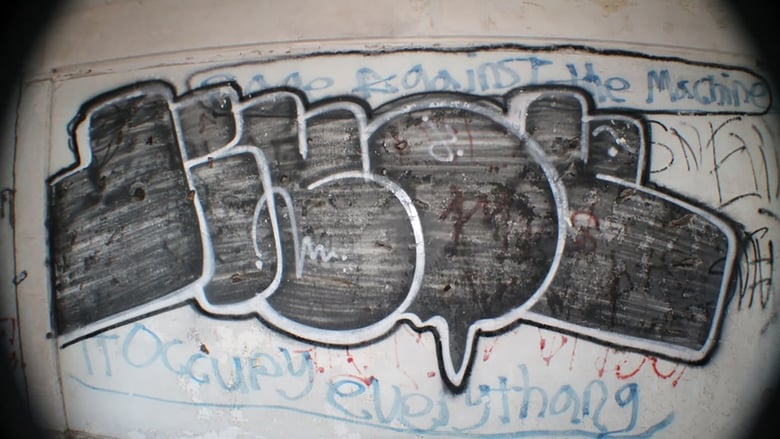
A year in the life of troubled Australian graffiti artist Justin Hughes.
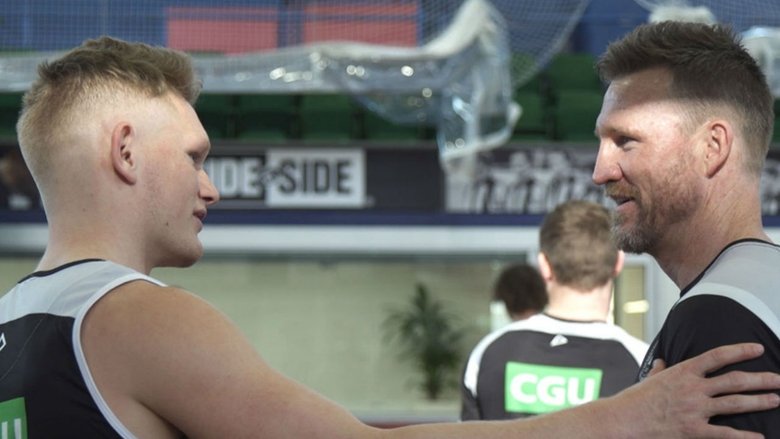
An intimate look at Collingwood Football Club as it rebuilds itself and aims for glory over the course of the 2018 season.
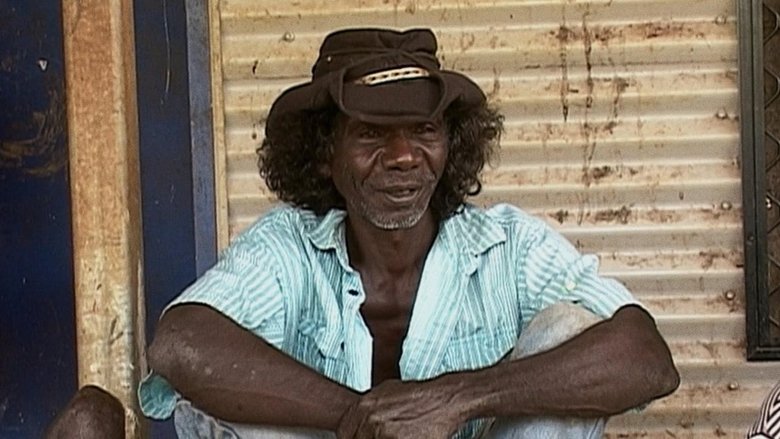
An hour-long documentary on the life and career of actor David Gulpilil.
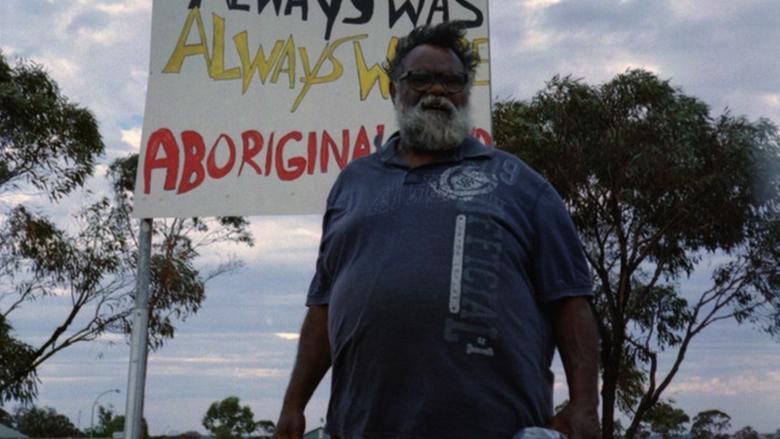
In June 1893, European prospectors unlawfully took claim to ‘The Golden Mile’ on Aboriginal land. In little over a hundred years the natural landscape has been transformed into the industrial hellscape of Kalgoorlie-Boulder. As incumbent Mayor John Bowler starts to campaign for a second term, independent prospector John ‘General Hercules’ Katahanas decides to run against him on an anti-corruption ticket. What starts out as a quirky David-vs-Goliath political battle, unravels into a portrait of a man, a town and a country sent mad by the timeless cycles of exploitation, racism and greed.
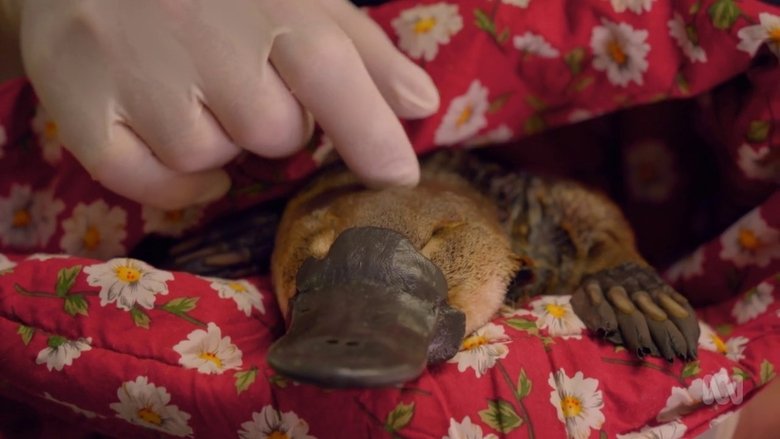
In a time of hardship, Hobart resident Peter Walsh turns to the secretive platypus for solace, only to discover it is the platypus that need his help to survive in a habitat under threat.
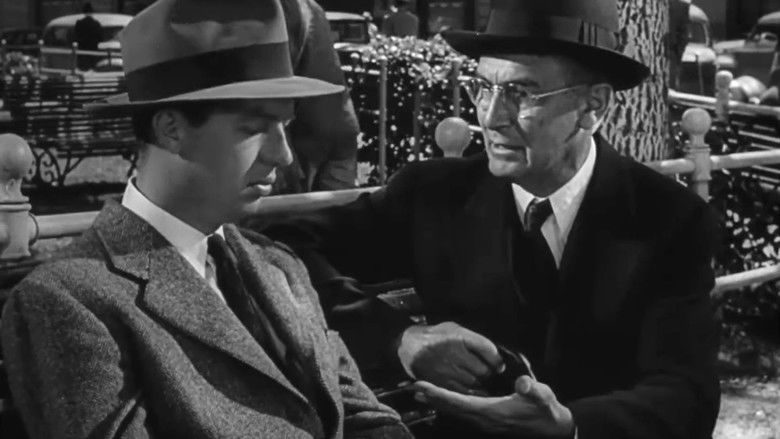
Propaganda short film depicting the rise of Nazism in Germany and how political propaganda is similarly used in the United States. The film was made to make the case for the desegregation of the United States armed forces.
With a national vote approaching to enshrine Indigenous peoples voice in the constitution, a dynamic Indigenous youth group travel on a pilgrimage across Australia to commemorate a historic civil rights victory. Buoyed by the imminent referendum, the group voyage through ephemeral Australian landscape in the microcosm of a minibus, sharing the rich, multilayered stories of their personal histories, as they dream up a hopeful new vision for Australia. As the results of the vote are counted, it’s impact on their future offer two paths – a hopeful breakthrough or another chapter in the long fight for recognition.
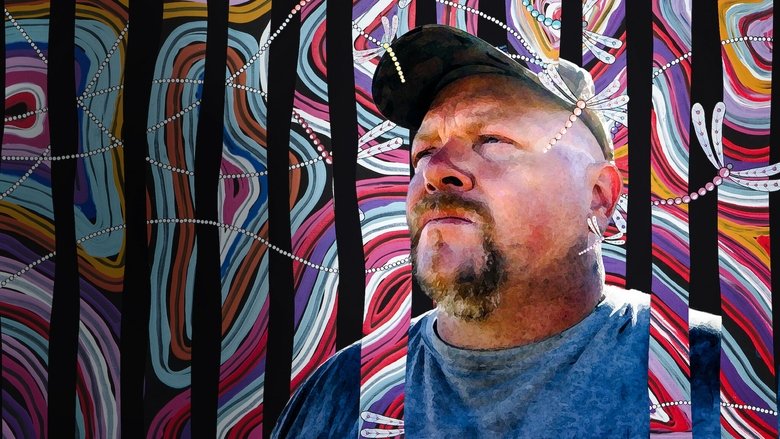
Narrated by Uncle Jack Charles and seen through the eyes of Indigenous prisoners at Victoria’s Fulham Correctional Centre, this documentary explores how art and culture can empower Australia's First Nations people to transcend their unjust cycles of imprisonment.
A film dedicated to Australia and travel around it.
Bikes for Africa is an entertaining, insightful and moving documentary following the life adventures of Hap Cameron and Mandy Todd, and their attempt to help implement a self sustainable bike workshop in rural Namibia with a container load secondhand donated bikes from Melbourne. The film investigates how a bicycle can fundamentally change the lives of rural Africans, and brings to focus the great works of two-wheeled charities Bicycles for Humanity and the Bicycling Empowerment Network Namibia.
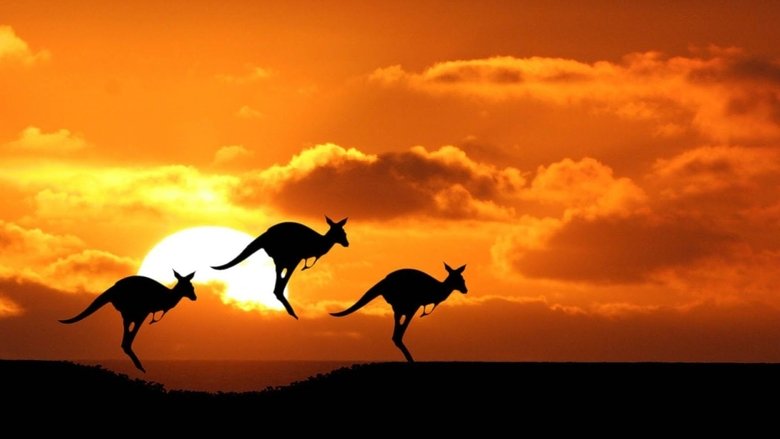
Australia: Land Beyond Time takes viewers on a breathtaking journey back in time to witness the birth and evolution of a mysterious land that harbors remnants of Earth's earliest life and many of it's strangest creatures that exist nowhere else on the planet.
This Traveltalk series short visits Australia.
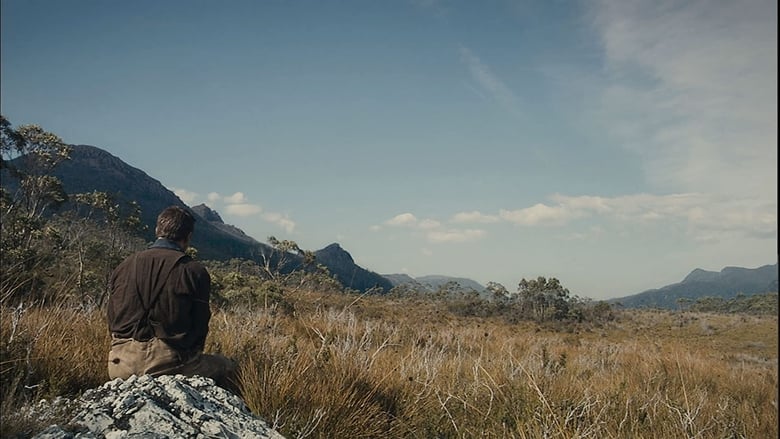
Eight men escape from the most isolated prison on earth. Only one man survives and the story he recounts shocks the British establishment to the core. This story is the last confession of Alexander Pearce.
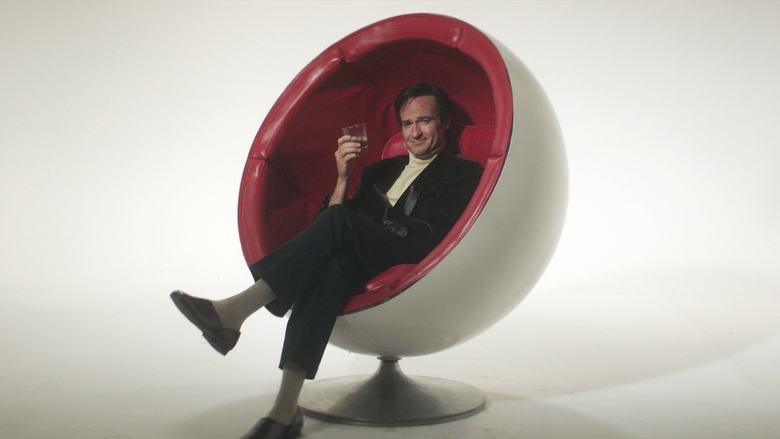
The stranger-than-fiction true story of George Lazenby, a poor Australian car mechanic who, through an unbelievable set of circumstances, landed the role of James Bond despite having never acted a day in his life.