
Similar to Brigadistas
Album(s) d'Auschwitz (2012)
Recently, two photo albums with photos from Auschwitz were found in 1944. One belongs to Officer Karl Höcker and the other prisoner Lili Jacob, who survived the concentration camp. The pictures taken during the same months show completely different worlds. A documentary that once again tells this important and awful part of Europe's history.
Art of War (2009)
Documentary on the main principles of Sun Tsu "Art of War" illustrated with examples from the second world war, the Vietnam war and the American civil war.
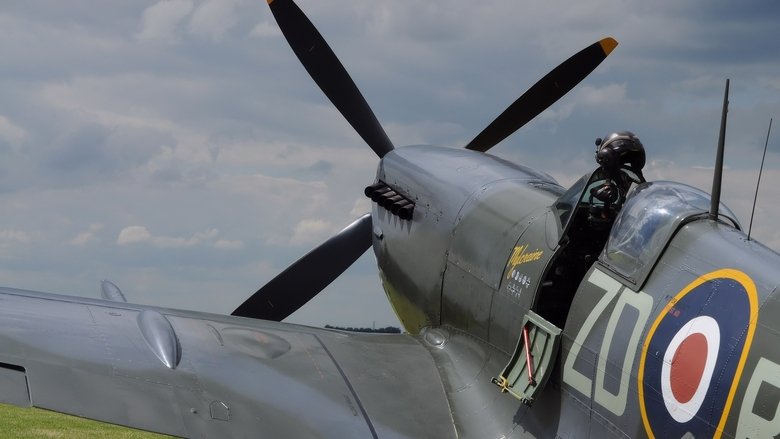
Guy Martin's Spitfire (2014)
Guy Martin joins the two-year restoration of a Spitfire that was buried in a French beach for decades, and tells the Boy's Own-style story of its pilot, Squadron Leader Geoffrey Stephenson
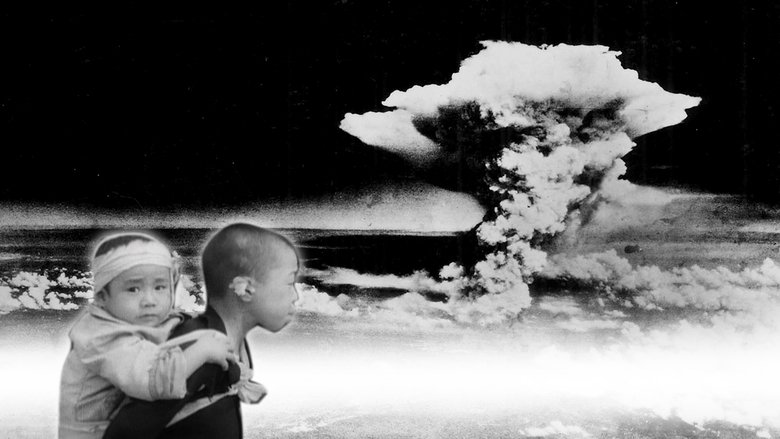
White Light/Black Rain: The Destruction of Hiroshima and Nagasaki (2007)
Steven Okazaki presents a deeply moving look at the painful legacy of the first -- and hopefully last -- uses of nuclear weapons in war. Featuring interviews with fourteen atomic bomb survivors - many who have never spoken publicly before - and four Americans intimately involved in the bombings, White Light/Black Rain provides a detailed exploration of the bombings and their aftermath.
Equí y n'otru tiempu (2014)
Between October 1937 and November 1952 hundreds of Republican supporters took to the mountains of Asturias with two main objectives: to save their lives, and to continue their armed resistance against Franco. Many of them would die in those mountains. This film is centered on filming the places in the present where the major figures of the Asturian Guerrilla Group were killed.
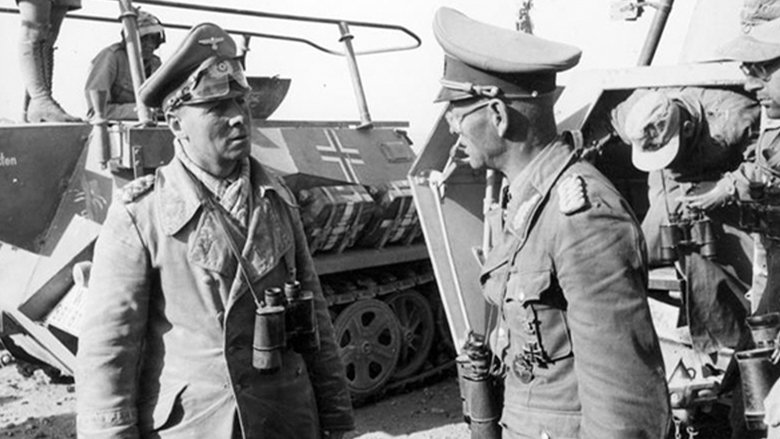
A Propos of the Truce with Finland (1944)
A rare documentary that shows how Soviet war propaganda presented the events of the Finnish front in 1941–1944. The main emphasis is on the resolution of the war. The film contains plenty of unique footage of the final stages of the Continuation War.
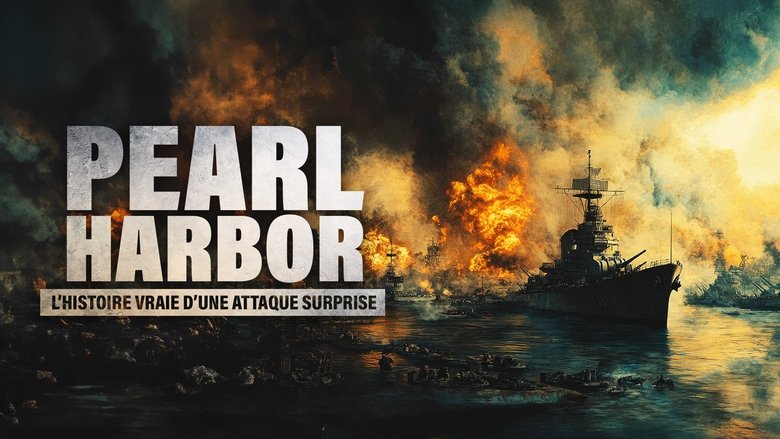

Spy from a Distance (2024)
The secret past of a World War II-era intelligence officer comes to light when his grandson, actor Joonas Saartamo, begins to investigate his grandfather's activities as the leader of a long-range reconnaissance patrol. Meeting various experts along the way, Saartamo discovers a new insight into the crucial role of long-range reconnaissance patrols in war. He also realizes how strongly the weight of his grandfather's war experiences has been passed down from generation to generation, affecting him directly.
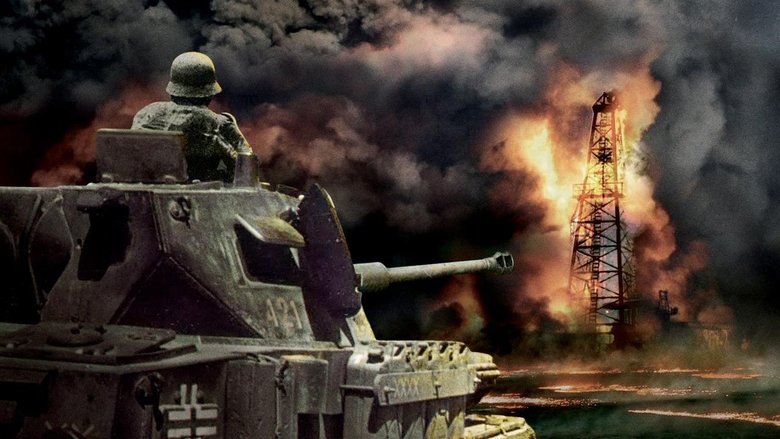
Hitler's War on Oil: Objective Baku (2015)
This film tells the story of World War II as experienced by the inhabitants of Baku, the capital of Azerbaijan, at the time a satellite of Moscow. The very rich oil deposits of the region aroused the covetousness of Hitler who needed the oil from Baku to carry out his program of world domination. His entire campaign of 1942-1943 was aimed at seizing them. But the Soviets and the Allies were determined to prevent him from doing so, by all means, including the most radical, even if it meant wiping the city off the map.
In Time's Shadow (1995)
Drawing upon eye-witness accounts from survivors and participants in the bombing of Hiroshima, this programme shows how both Japan and the United States are still facing enormous problems in coming to terms with the legacy of that fateful August day.
Rain of Ruin: The Bombing of Nagasaki (1995)
Scholars and eyewitnesses provide a picture of the 75 hours between the atomic bombings of Hiroshima and Nagasaki and document the contradictions, interrelationships, and ambiguities of politics and military strategy in time of war.
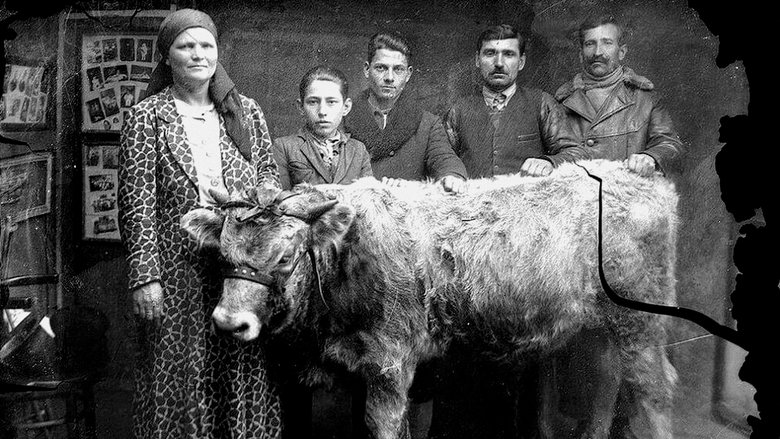
The Dead Nation (2017)
A documentary-essay which shows Costică Axinte's stunning collection of pictures depicting a Romanian small town in the thirties and forties. The narration, composed mostly from excerpts taken from the diary of a Jewish doctor from the same era, tells the rising of the antisemitism and eventually a harrowing depiction of the Romanian Holocaust.
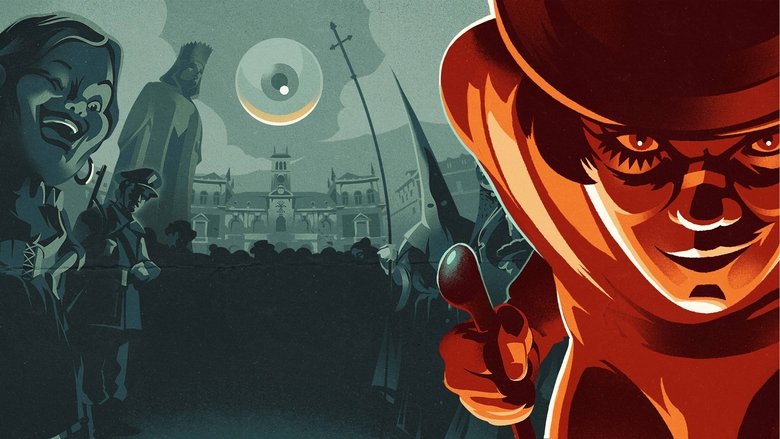
A Forbidden Orange (2021)
Spain, 1970s. A Clockwork Orange, a film considered by critics and audiences as one of the best works in the history of cinema, directed by Stanley Kubrick and released in 1971, was banned by the strict Franco government. However, the film was finally premiered, without going through censorship, during the 20th edition of the Seminci, the Valladolid Film Festival, on April 24, 1975. How was this possible?
Comprehensive Annual Financial Reports Exposed (2001)
Alex Jones interviews Walter Burien, commodity trading adviser (CTA) of 15 years about the biggest game in town. There are over 85,000 federal and regional governmental institutions: school districts, water and power authorities, county and city governments – and they own over 70 percent of the stock market.
Police State II: The Take Over (2000)
Alex Jones exposes the problem-reaction-solution paradigm being used to terrorize the American people into accepting a highly controlled and oppressive society. From children in public schools being trained to turn in their peers and parents, to the Army and National Guard patrolling our nation's highways, Police State: The Takeover reveals the most threatening developments of Police State control
Police State III: Total Enslavement (2003)
Total Enslavement is the third installment in the critically-acclaimed Police State series and is a must-see for all who leve freedom. This film documents the nightmare rise of the Homeland Security dictatorship, Patriot Acts 1 and 2, the Total Information Awareness Network, government-run white slavery rings, the new prison surveillance economy and much more.
The Masters of Terror (2004)
The Masters of Terror details the execution of the September 11th attacks and the ensuing whitewash, the cashless society control-grid, implanted microchips, mind-control, militarization of police, concentration camps, foreign troops massing on US soil, the USA Patriot Act, and Homeland Security taking over the states.
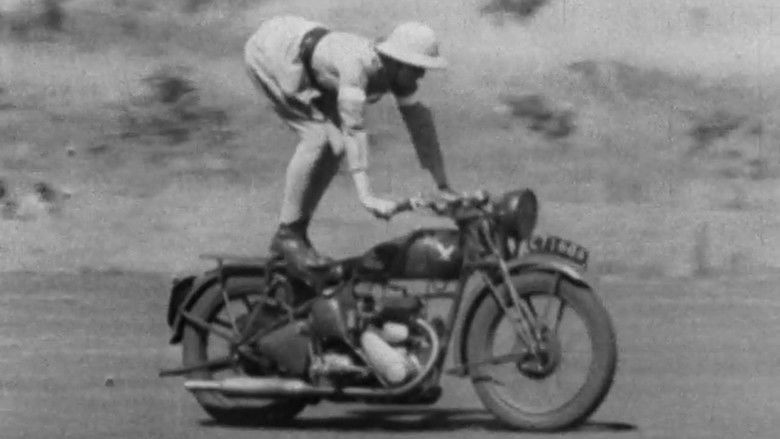
Women at War (1941)
Documentary shows the variety of tasks assumed by British women since the outbreak of war, and thanks America for sending relief bundles to the victims of the London Blitz. Made for an American audience, the film is edited, narrated and written by three women, with no director credited.