
Luis García Berlanga: pasado, presente y futuro del cine español (2021)
A conversation about the work of Spanish filmmaker Luis García Berlanga (1921-2010) and his perdurance in contemporary Spanish cinema.
A conversation about the work of Spanish filmmaker Luis García Berlanga (1921-2010) and his perdurance in contemporary Spanish cinema.
 Santos ZunzuneguiSelf - Host / Film HistorianJosetxo Cerdán Los ArcosSelf - Spanish Film Archive Director
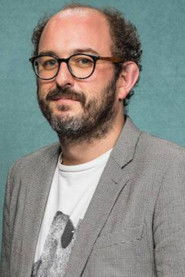 Borja CobeagaSelf - FilmmakerJuan Estelrich ReveszSelf - Filmmaker
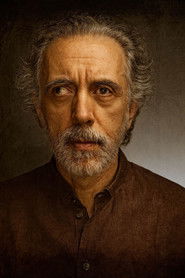 Fernando TruebaSelf - Filmmaker
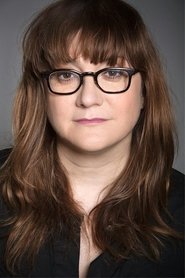 Isabel CoixetSelf - FilmmakerAnna R. CostaSelf - Screenwriter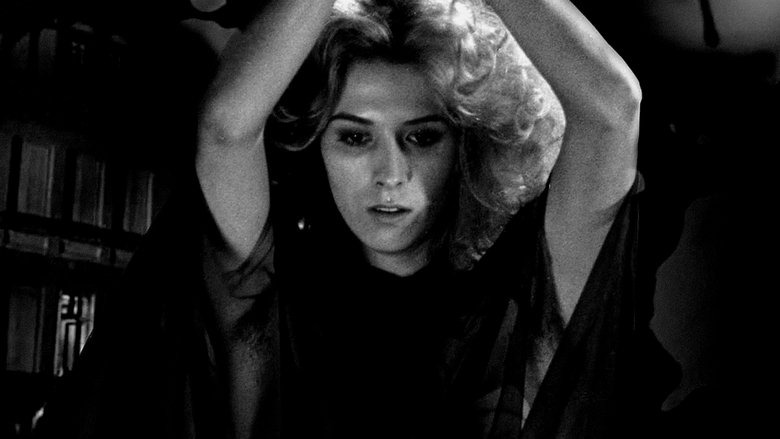
The story of the shooting of Satan's Blood (Escalofrío), a film directed by Carlos Puerto in 1978.
Three college students start a social experiment to prove that reality changes according to the words we use to describe it. Through research, activist actions, and artistic interventions, they analyze the importance of language in the way we understand the world. The documentary includes analysis from more than 20 international experts and leaders in the fields of political communication and information.
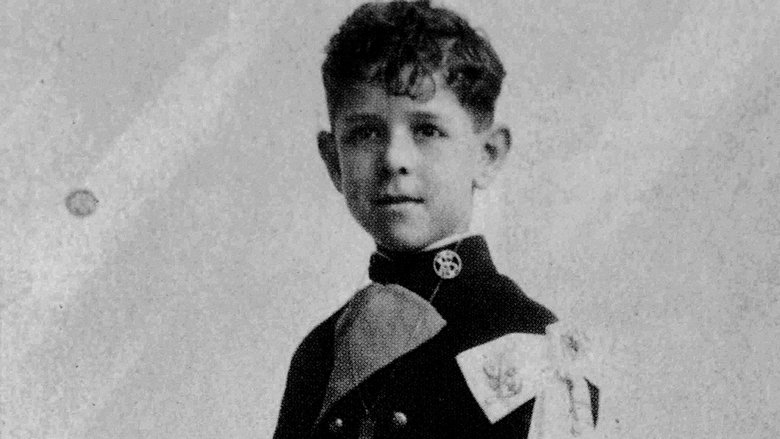
The early days of the future genius of Spanish cinema Luis García Berlanga, from his birth in Valencia in 1921 to his departure to Madrid in 1947 to become a filmmaker.
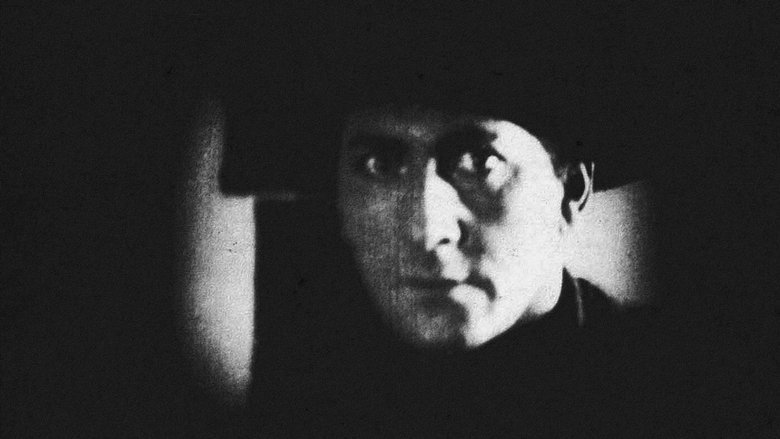
The life and professional career of the Spanish filmmaker Florián Rey (1894-1962), a brilliant artist who began his career in silent films and had great commercial success during the Second Republic (1931-1936): a journey to the early days of Spanish cinema.
The story of the creation of The Spirit of the Beehive, a film directed by Víctor Erice in 1973.
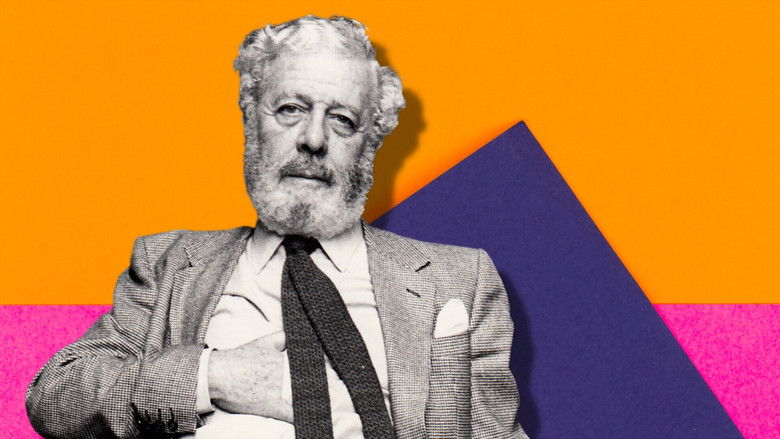
A journey through the life, work and many artistic miracles of the brilliant Spanish filmmaker Luis García Berlanga (1921-2010).
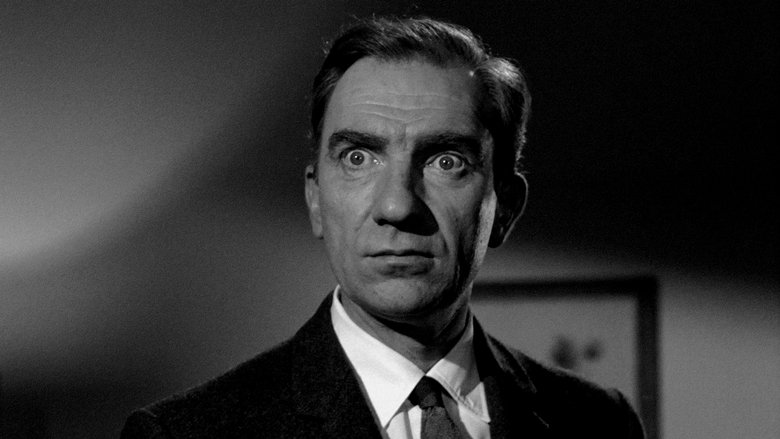
An experimental portrait of Fernando Fernán Gómez, one of the most renowned Spanish artists of all time.
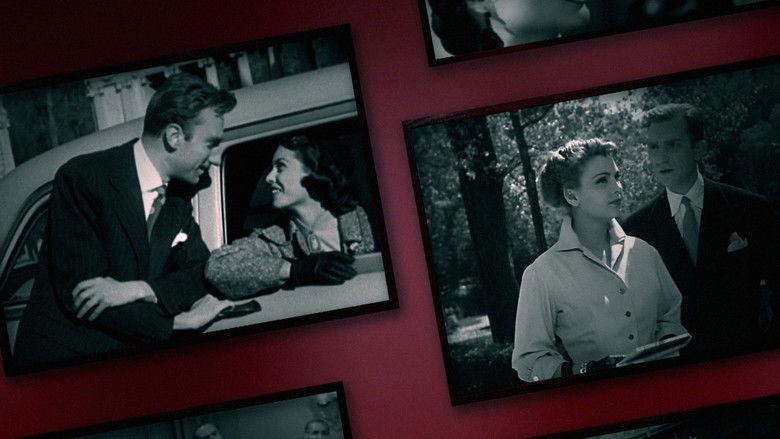
Fernando Fernán Gómez (1921-2007), actor, writer, playwright and film director, was for decades one of the most important figures in Spanish culture. His close friends and relatives reveal another facet in which he stood out above all: that of being an excellent conversationalist, capable of hypnotizing and seducing those who listened to him.
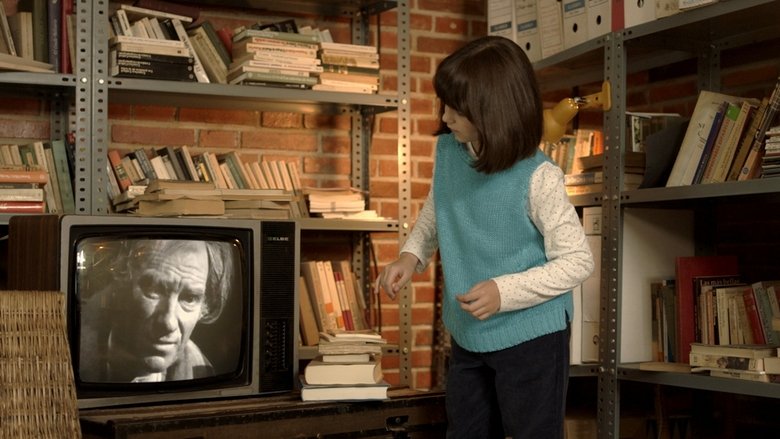
A young woman, who has inherited her grandparents' huge house, a fascinating place full of amazing objects, feels overwhelmed by the weight of memories and her new responsibilities. Fortunately, the former inhabitants of the house soon come to her aid. (An account of the life and work of Fernando Fernán Gómez [1921-2007] and his wife Emma Cohen [1946-2016], two singular artists and fundamental figures of contemporary Spanish culture.)

The personal and professional story, told in first person, of Spanish actress Carmen Maura, director Pedro Almodóvar's first muse and a brilliant artist in her own right.
Emilio Pascual, a historical figure of Andalusian cinema from the early 1900s, appears in today's Malaga with the mission of bringing the first documentary filmed in Andalusia to its first screening.

How does the vision of the brilliant Spanish filmmaker Luis García Berlanga (1921-2010) remain relevant in a time whose popular culture has little to do with his own? Since to understand the secrets of an artist it is essential to know the person behind, his family, his friends, his collaborators, as well as prestigious filmmakers and actors trace a collective portrait of a creator as singular as he is universal.
Documentary by Juan Francisco de Lasa about a pioneer of Spanish cinema. Gelabert attended one of the first sessions of the Lumière's cinématographe in Barcelona. Briefly after, he built a contraption based on this invention. He produced his first picture, "Dorotea", in 1897. His film "Riña en un café" is considered the first Spanish film to feature a plot.
This short documentary film captures the natural movement of the moon mixed with an experimental musical track that accompanies the rhythm of the "walk" on the stage that the protagonist occupies, the sky.
With humor, prolific director Víctor Matellano tells the story of one of the most iconic and problematic cult films of Spain's "fantaterror": Los resucitados by Arturo de Bobadilla. A story of ambition, frustration and the everlasting will of the most passionate cinephiles.

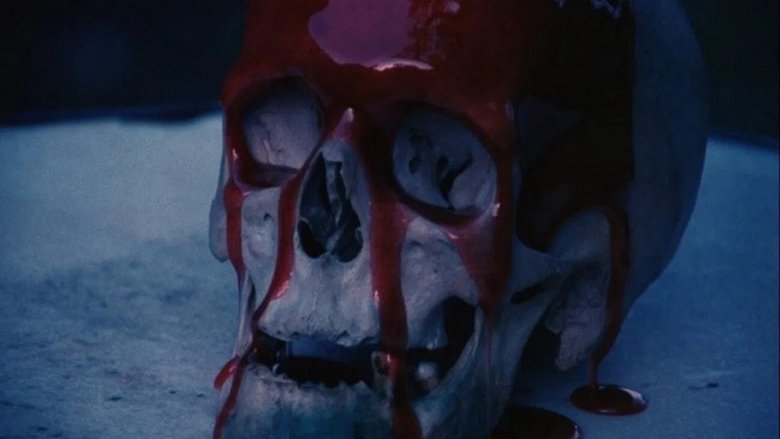
Spain, 1975. Franco's death opens the door to the possibility of uncensored cinema. After two years of relaxed censorship, it is abolished in 1977, and the “S” rating is created to protect viewers from films that may “offend their sensibilities.”
A journey through the work of Spanish filmmaker Juan Piquer Simón (1935-2011).