
Top billed cast
 Otomar KorbelářCommentary (voice)
Similar to Díváme se do vody
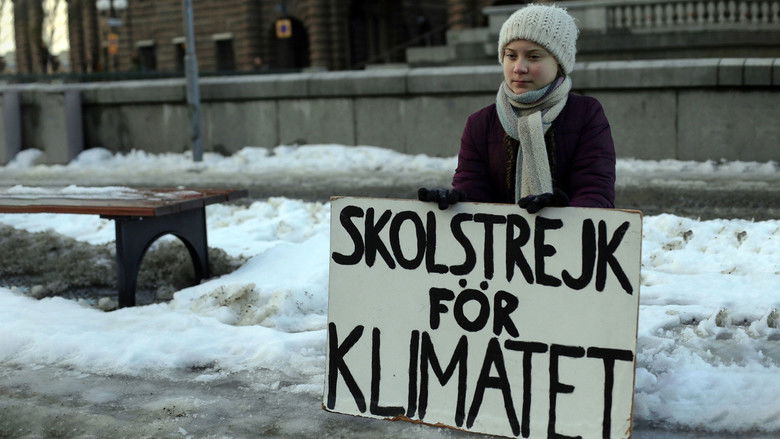
Climate Change: The Facts (2019)
After one of the hottest years on record, Sir David Attenborough looks at the science of climate change and potential solutions to this global threat. Interviews with some of the world’s leading climate scientists explore recent extreme weather conditions such as unprecedented storms and catastrophic wildfires. They also reveal what dangerous levels of climate change could mean for both human populations and the natural world in the future.
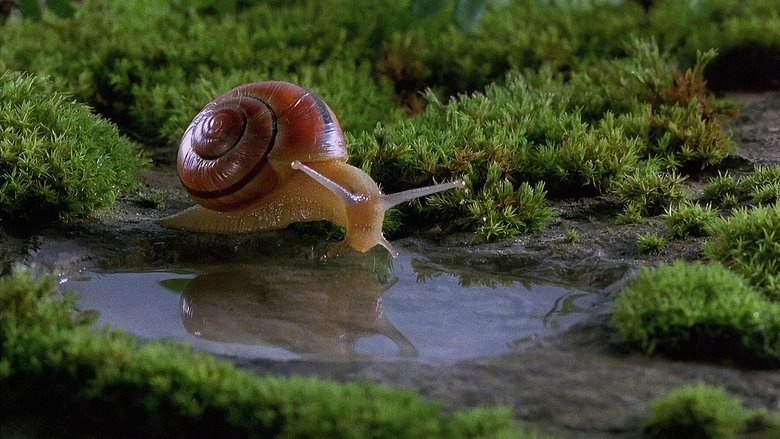
Microcosmos (1996)
A documentary of insect life in meadows and ponds, using incredible close-ups, slow motion, and time-lapse photography. It includes bees collecting nectar, ladybugs eating mites, snails mating, spiders wrapping their catch, a scarab beetle relentlessly pushing its ball of dung uphill, endless lines of caterpillars, an underwater spider creating an air bubble to live in, and a mosquito hatching.
Pumas: Legends of the Ice Mountains (2021)
Travel to the ice mountains of Chile to discover the secrets of the puma (aka panther, mountain lion and cougar) the area's largest predator. Discover how this elusive cat survives and follow the dramatic fate of a puma and her cubs.
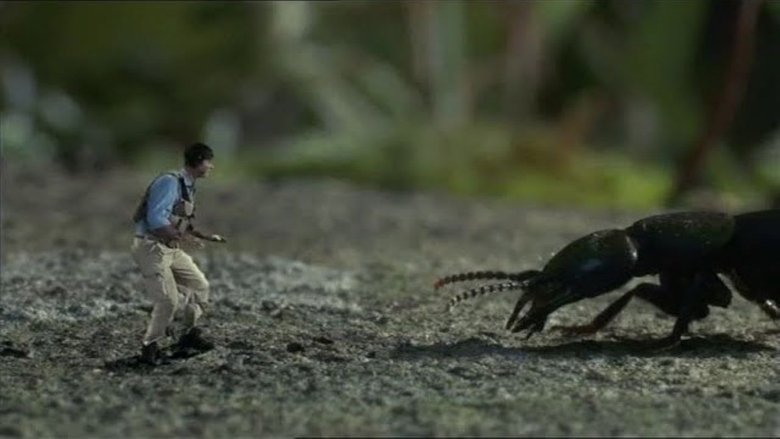
Help! I'm No Bigger Than a Bug (2008)
ITV Naturalist Nigel Marven stars in this drama-documentary in which he explores his own back garden, in all its intricate detail. Shrunk to the size of an ant, he and his two companions - technical assistant Laura Green (Sarah Matravers) and driver Doug Kruger (Robin Lawrence) - embark on a mission to cross Nigel's back garden in just 24 hours. Along the way they meet some of the many thousands of creatures that fight for survival every day in these urban jungles .
A Little Fish in Deep Water (1996)
Lake Tanganyika is an 'Ocean' in Africa. Millions of years ago it was colonized by a little fish called 'Cichlid'. Otters, crocodiles, cobras and cormorants all hunt the fish in clear water. How the Cichlid survived and evolved is an incredible story for, millions of years later, there are over 200 new species - all found only in Lake Tanganyika. Incredibly, they have evolved to look like coral reef fish. There are cichlid equivalents of tuna, snapper, gobies and goatfish. They have evolved bizarre methods of breeding with mouth-incubation, lekking and, unique amongst fish, there is even a cuckoo. Despite all their specialization over millions of years, if an opportunity presents itself, the little fish can behave like their unspecialized ancestor. In the climax of the film, they bang together to feast on a hatch of sardine fry. This is the story of how one little fish has conquered a lake.
Tale of the Tides (1998)
In Africa there is a fable that explains the creation of the tides. When a hyaena challenged a mudskipper to a drinking contest to decide who should own the shore, the god Mungu tilted the earth so the sea flowed inland, and neither could win.
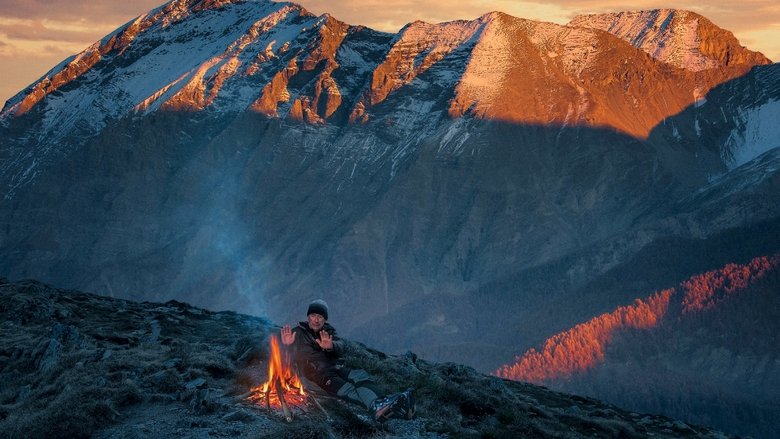
La vallée des loups (2017)
Secret territories still exist in France today. This film is a personal quest, the story of a crazy gamble taken by a passionate dreamer, an anti-hero capable of breaking all barriers to achieve his goal: to meet wild wolves in their natural habitat. After three years in the field, bivouacking in the wilderness in all weathers, the director managed to track down the wolves. Little by little, he observes, gets closer and ends up being accepted by the pack. Against all odds, the magnificent predators offer a little of their intimacy to this strange character. But the film also raises the question of the limits of this intimacy.

Wild in the City (1986)
This short documentary films some of the wild animal species that have adapted to the city of Vancouver, from the familiar pigeons and starlings to the less familiar herons nesting in Stanley Park and a coyote in a farmer's field.
Kakadu: Land of the Crocodile (1988)
Val Plumwood, environmental philosopher returns to Kakadu, where she was the victim of a crocodile attack. Against the backdrop of the steamy, intensely beautiful Kakadu National Park, she shares her thoughts on wilderness and wildlife.
Kea: The Smartest Parrot (2005)
Sir David Attenborough narrates a documentary about the Kea, the world's only alpine parrot. Playful and destructive, it attacks cars, starts landslides and terrorises New Zealand ski resorts but behind the bad behaviour there's a sharp mind at work. David tries to play chess with a kea and discovers how its cheeky character is the key to its survival.
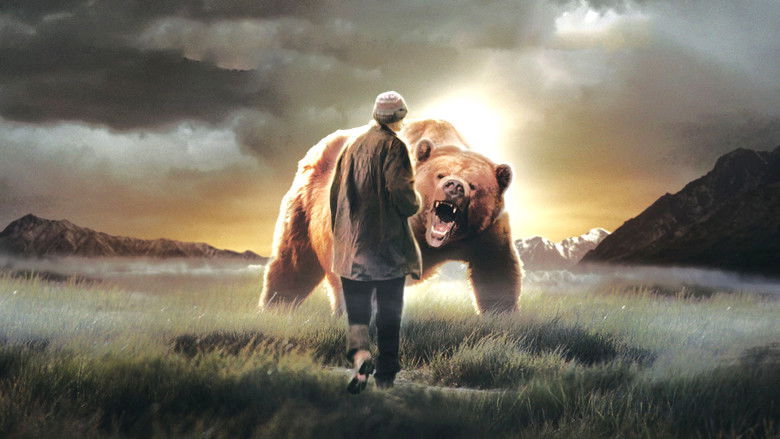
Grizzly Man (2005)
Follows the story of "Grizzly Man" Timothy Treadwell and what the thirteen summers in a National Park in Alaska were like in his attempt to protect the grizzly bears. The film is full of unique images and a look into the spirit of a man who sacrificed himself for nature.
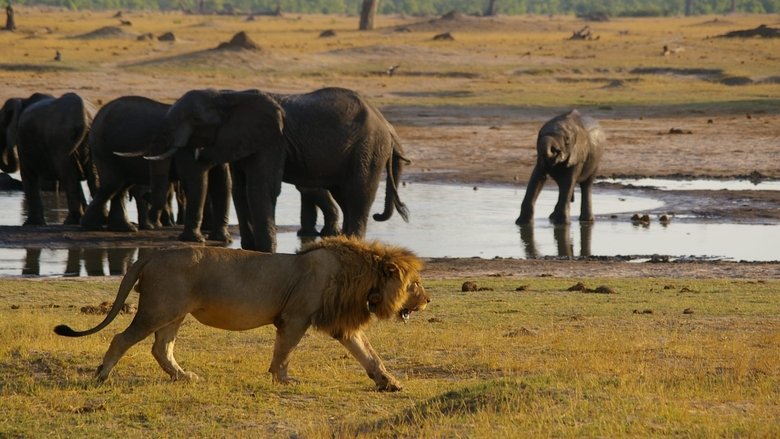
Ultimate Enemies: Revealed (2022)
National Geographic filmmakers, Dereck and Beverly Joubert, explore how some animals are thrust together by the forces of nature-sometimes through a millennium of evolution or even last year’s drought. In the aftermath of strange elephant deaths, they piece together a visually stunning story that confirms their theory that lions were hunting elephants. Narrated by Jeremy Irons.
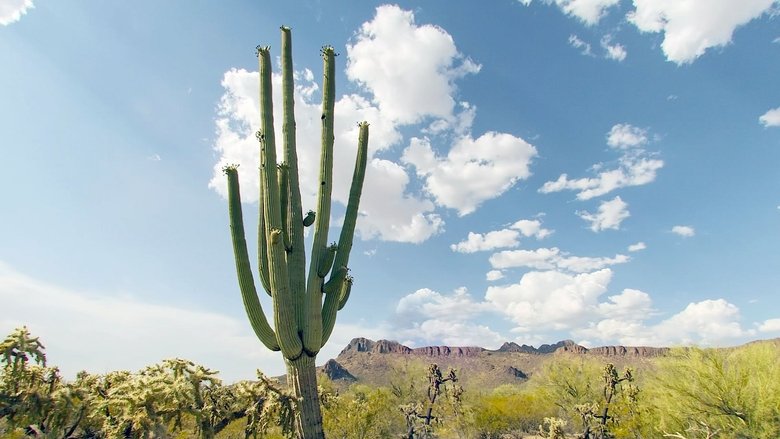
Cactus Hotel (2023)
Told by an old Sagauro cactus, of the many guests which live in its "hotel," from ants to owls nestling in its bark and unlikely co-habitants such as a rattle snake and next door, protected by a barrier of thorn balls, a desert rat.
Zoo Quest to West Africa (1955)
In September 1954, David Attenborough, cameraman Charles Lagus, Jack Lester and Alf Woods, both from the Zoological Society of London, set out for Sierra Leone. They spent three months intently surveying the landscapes of Sierra Leone in search of nature’s rarest animals. Although predominantly searching for Picathartes gymnocephalus (the White-necked Rockfowl) they hoped to take back to London a representative collection of the whole of animal life in this part of Africa.
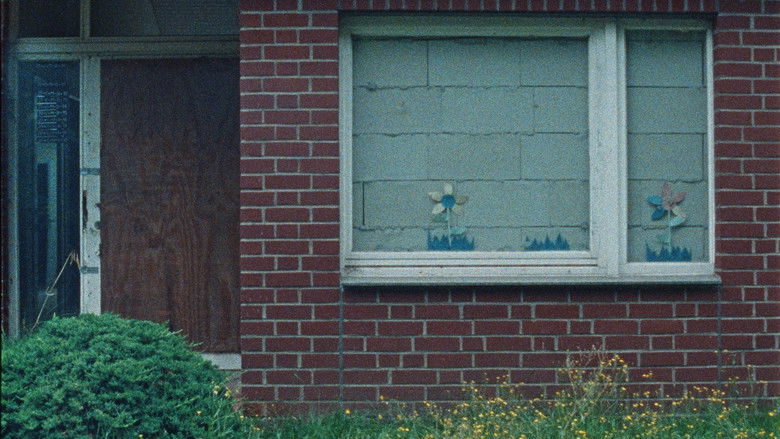
Leaning on the tree (2025)
An apocalyptic sound of roaring machines incessantly intrudes into the habitats of man and nature. Barren landscapes and deserted villages linger in hypnotic restlessness. A self-destructive system meets resistance.
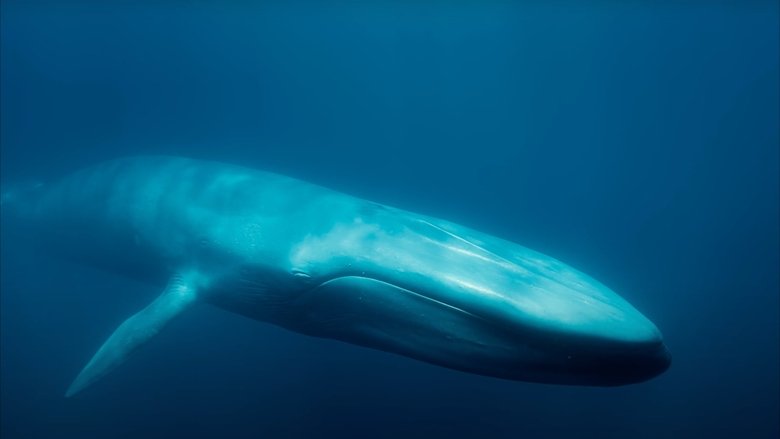
Blue Whales: Return of the Giants (2023)
Blue Whales: Return of the Giants 3D takes viewers on a journey of a lifetime to explore the world of the magnificent blue whale, a species rebounding from the brink of extinction. Following two scientific expeditions—one to find a missing population of blues off the exotic Seychelles Islands, the other to chronicle whale families in Mexico’s stunning Gulf of California—the film is an inspirational story that transforms our understanding of the largest animal ever to have lived.
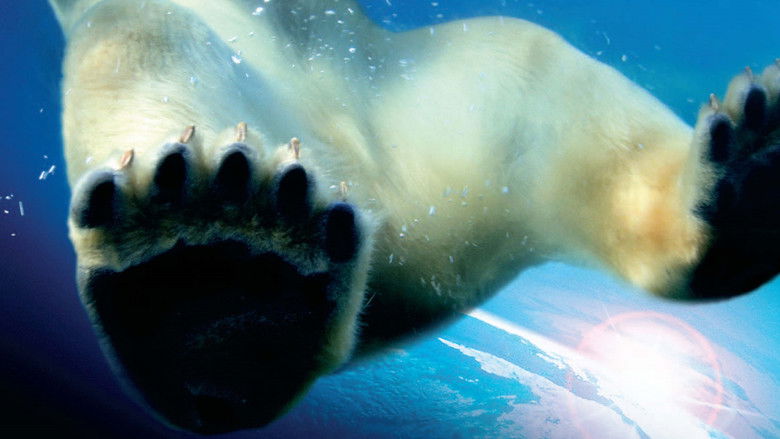
Earth (2007)
An epic story of adventure, starring some of the most magnificent and courageous creatures alive, awaits you in EARTH. Disneynature brings you a remarkable story of three animal families on a journey across our planet – polar bears, elephants and humpback whales.

Deep Blue (2003)
Deep Blue is a major documentary feature film shot by the BBC Natural History Unit. An epic cinematic rollercoaster ride for all ages, Deep Blue uses amazing footage to tell us the story of our oceans and the life they support.
Inside the Perfect Predator (2010)
Four top predators are compared, each champion in a type of environment, with key adaptations. On the ground, the cheetah outruns prey (approached in masterly stealth) and enemies. In the air, the peregrine falcon is a flight and diving machine. In sweet water, the Nile crocodile survives since the Dino age, without natural enemies, with several amazing metabolism stunts. Lurking under water, it snaps blindly at migrating wildebeest, then waits underground. In the oceans, the equally ancient shark, notably the great white, migrates seasonally to find abundant prey, such as young seals around South Africa.