
Rallye saharien (1930)
A motorized trip through the Sahara desert.
A motorized trip through the Sahara desert.
Some of the most amazing cars ever built race across Spain and head south into Africa in the 6th Annual Gumball 3000 Rally. This film captures the 2004 race, which featured Ferrari Enzos, Hummers, Caterhams, Aston Martins and other rare autos driven by an eccentric mix of skateboard pros, supermodels, Saudi royals and billionaires. The thrills abound as racers evade the law to be the first to cross the finish line at the Cannes Film Festival.
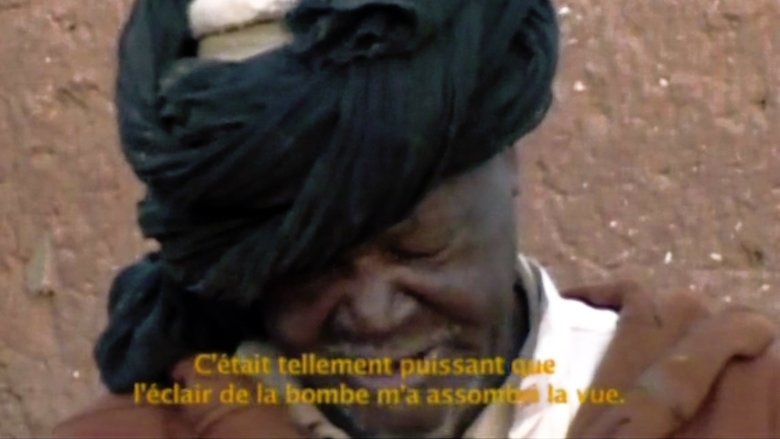
"Gerboise bleue", the first French atomic test carried out on February 13, 1960 in the Algerian Sahara, is the starting point of France's nuclear power. These are powerful radioactive aerial shots carried out in areas belonging to the French army. Underground tests will follow, even after the independence of Algeria. From 1960 to 1978, 30,000 people were exposed in the Sahara. The French army was recognized recognized nine irradiations. No complaint against the army or the Atomic Energy Commission has resulted. Three requests for a commission of inquiry were rejected by the National Defense Commission. For the first time, the last survivors bear witness to their fight for the recognition of their illnesses, and revealed to themselves in what conditions the shootings took place. The director goes to the zero point of "Gerboise Bleue", forbidden access for 47 years by the Algerian authorities
Takes place in the Saharawi refugee camps in Algeria against the historical backdrop of Spanish colonialism and the Moroccan invasion of the Western Sahara. The Saharawi women, who make up 80% of the adult refugee population, provide a powerful voice as they reveal how they came to assume primary responsibility for the survival of the remains of their families and in turn the entire refugee population.
Thirty years after the end of Group B rallying, film-maker Helmut Deimel has launched his latest film on rallying’s wildest era. For “Riding Balls of Fire”, the Austrian legend behind the hugely popular “Evolution of Rallying” has gathered together the finest archive footage of the 500 bhp Group B supercars in their prime. Watching this film really shows the extreme pace of evolution of the cars and the sport in the three short years from 1983 to 1986.
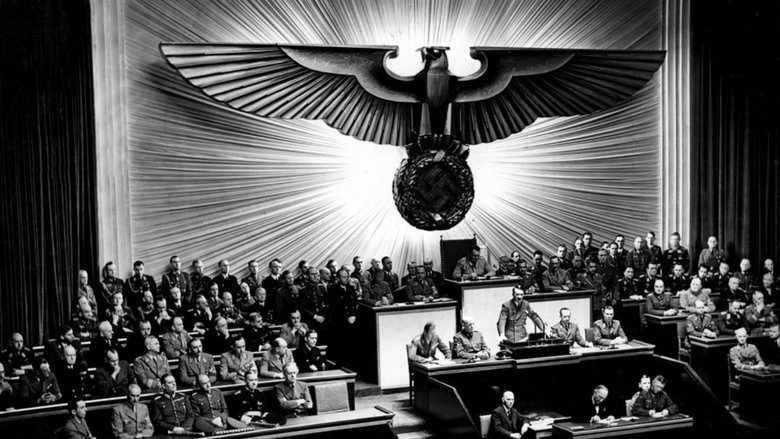
A showcase of German chancellor and Nazi Party leader Adolf Hitler at the 1934 Nuremberg Rally.
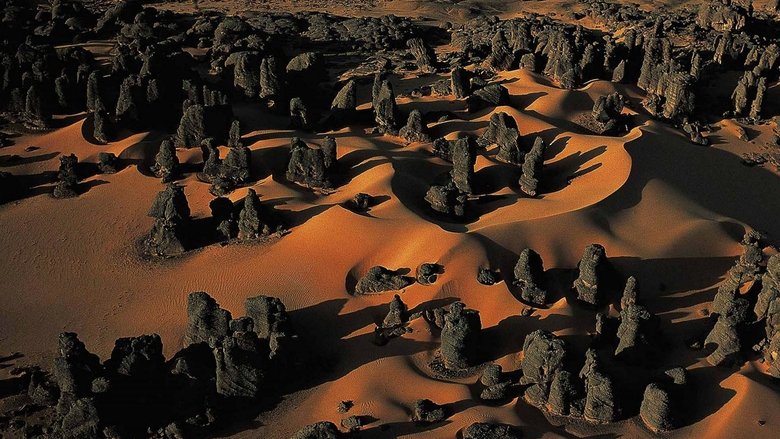
Algeria from above is the first documentary made entirely from the sky on Algeria. Through the eye of the famous Yann Arthus-Bertrand this documentary vividly depicts this great country, and its vibrant cultural and natural treasures. From North to South and from West to East, it shows us the entirety of Algeria, lives in the large hectic coastal cities, Atlas mountains, oases of the Sahara or gentle hills of the Sahel. With a rich past that seems to have crossed all civilizations, and a territory where all natural environments amalgamate, Algeria appears here in all its diversity and its unity.
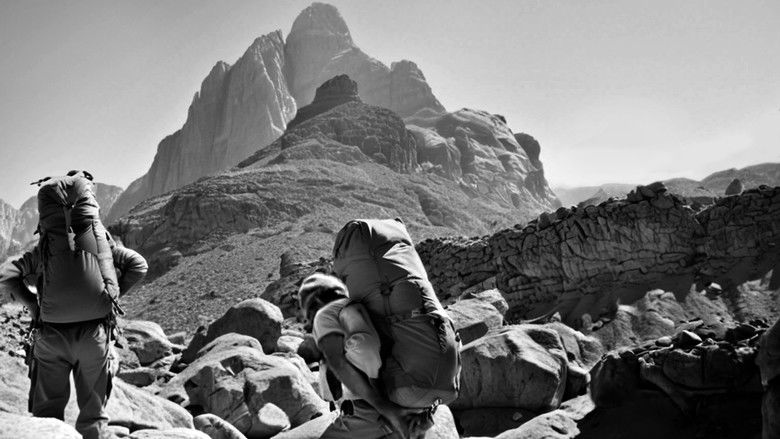
In February 1966, Pierre Mazeaud and Lucien Berardini traveled to the Atakor massif, in the Hoggar mountain range of the Sahara in southern Algeria. There, they attempted a challenging first ascent: the Takouba spur, one of the peaks adjacent to Garet El Djenoun, a legendary mountain in the Hoggar massif, first climbed by Roger Frison-Roche and Raymond Coche in 1935. The documentary, superbly filmed by Jacques Ertaud, won the Grand Prize at the Trento International Mountain Film Festival in 1966.
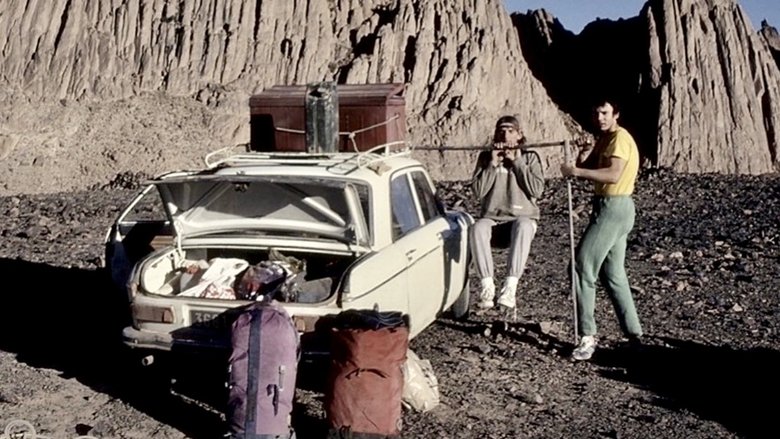
Oversand is one of the first films about free climbing, the third film in a series of three with "Overdon" and "Over-Ice". Directed by Jean-Paul Janssen, the film was shot in 35mm in Algeria, in the Sahara Desert, in the Tamanrasset region, on the walls of the majestic peaks of the Atakor massif, central sub-region of Hoggar, mountainous heart of Hoggar, a volcanic plateau of almost circular shape, whose average altitude is 2000 meters, and which culminates at Mount Tahat (2918m), the highest point in Algeria. The Atakor is distinguished by its spectacular volcanic peaks, its needles, and its rugged landscapes, resulting from the erosion of ancient volcanic chimneys, which make it the most emblematic summits of the Hoggar, such as the Assekrem, the Ilamane, or the Tizouyag, where climbers Patrick Edlinger, Patrick Bérhault, Bernard Gorgeon, Hugues Jaillet, Jacques Perrier, Stéphane Troussier and Odette Schoënleb evolve under the watchful eye of the Tuareg caravans.
Defiance is in the air in this evocative newsreel footage of anti-fascist solidarity rallies, after the Battle of Cable Street.
An undercover documentary film produced and directed by British filmmaker Dominic Brown, about the struggle of the indigenous Sahrawi people of Western Sahara. The documentary covers the current human rights and political situation of the Sahrawi. There are several interviews recorded with human rights victims including an elderly lady who had been attacked in her home the previous day by Moroccan security forces. There is also a focus given to the alleged vested interests of countries in the region, particularly France. The film states that the French Government's close relationship with Morocco, their trade deals and their use of veto over the terms of the UN mission in Western Sahara are major factors.
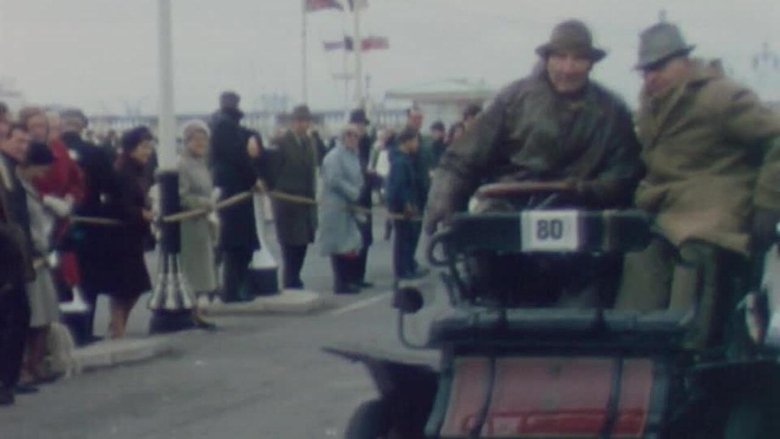
Vintage vehicles on parade in this amateur film record of the longest-running motor event in the world.
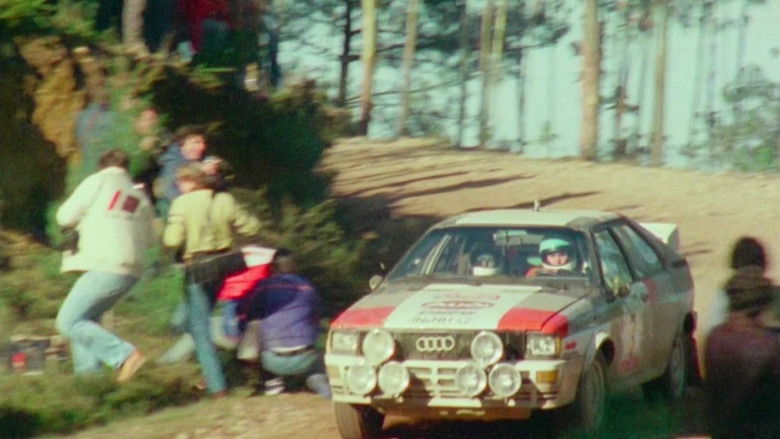
A documentary on the life of rally driver Michèle Mouton.
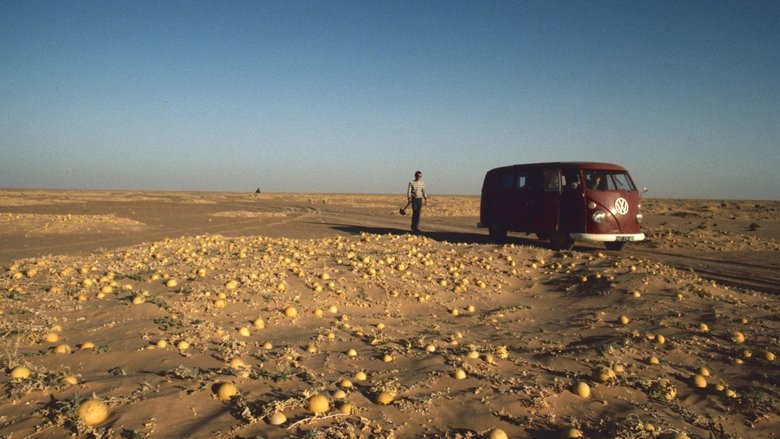
A look at the turbulent social upheaval of the early 1970s which follows an idealistic writer and his soon-to-be-married photographer friend as they set out to find their purpose via a terrifying road trip across the Sahara Desert.
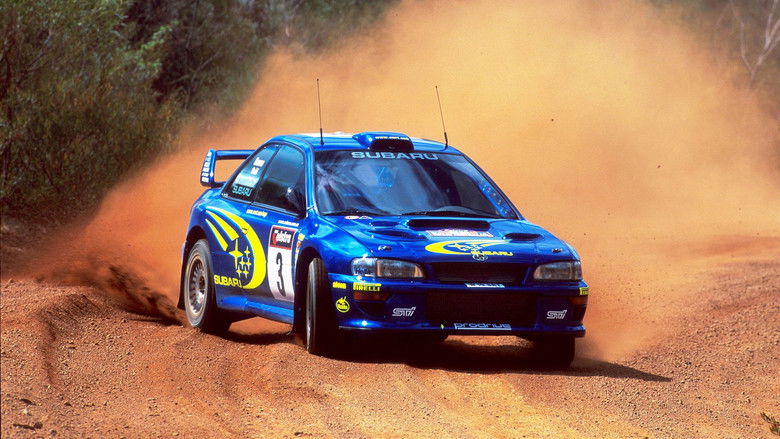
A jam-packed overview of the cars that have transformed the world rally scene! Ace driver Colin McRae talks about the modern giants of the sport, while Markku Alen, Stig Blomqvist, Hannu Mikkola and Bjorn Waldegaard demonstrate the awesome Group B cars of the Eighties. Action footage of the Audi Quattro, Lancia Stratos, Monte Carlo 037 and Delta Integrale plus Ford’s RS200, Escort MkI and II, Cosworth and Focus - and the mighty Subaru Impreza and Mitsubishi Evo feature. Extras exclusive to DVD include info on over 25 rally cars, fact files on famous drivers and an absolutely stunning rally on-board experience that will leave you gasping!.
Compilation of rally crashes
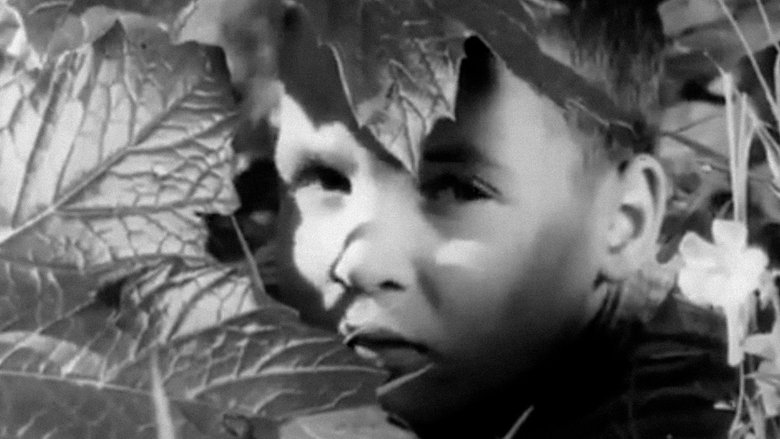
A sublime documentary on childhood and bereavement that’s one of several shorts the filmmaker completed while working in Algeria for Georges Derocles’s company Les Studios Africa, for whom he would shortly make his breakthrough feature The Olive Trees of Justice.
"Two Million Motorcycles - 24 hours of Sturgis" is a unique video log of what a typical 24 hour day at the Sturgis Bike Rally is all about! From early pre-dawn rides through the Black Hills, to main street mania, to side trips to Spear Fish Canyon and Devil's Tower, to seeing first hand the 900 HP Drag Bikes, to the world's best hillclimb riders and much, much more... this Sturgis [documentary] has it all.
50 Years of Rallying Five decades of rallying, from the early endurance and regularity tests of well-to-do but slightly bored aristocrats in the mid-fifties, via the first sprints on cordoned-off Scandinavian gravel roads with stars like Tom Trana or Erik Carlsson, to monstrous long distance races and today’s high-tech events in the dust. This movie tells it all over 90 gripping minutes, compiled largely from the archives of Austria’s legendary rally filmmaker, Helmut Deimel. The milestones of this spectacular journey through time are the groundbreaking cars, the great personalities, magnificent places, and the most wonderful moments of the sport. Using special features, Deimel spotlights the dynamism, the magic, the uniqueness of rallying. Interviews with the most important drivers and team bosses add colour and authenticity to the story – from enthusiasts’ intrepid adventures to the merciless sprints of today’s professionals. The movie was conceived and directed by Helmut Deimel.