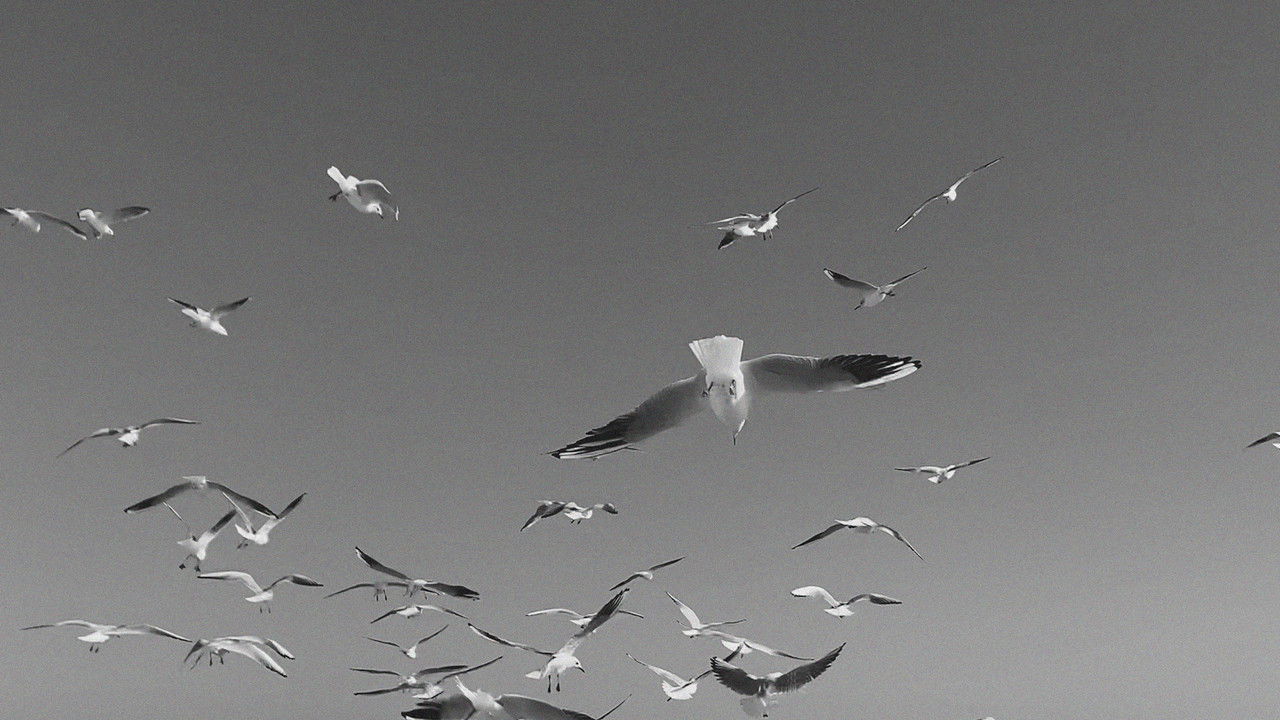
Stones in Cold Water (2023)
Filmed throughout Ukraine just months before the full-scale Russian invasion, this vérité visual ethnography explores the overlaps of memory, hope, progress, and nostalgia at the scale of everyday life.
Filmed throughout Ukraine just months before the full-scale Russian invasion, this vérité visual ethnography explores the overlaps of memory, hope, progress, and nostalgia at the scale of everyday life.

In a candid and unflinching portrait of Palestinian prisoners, Shimon Dotan takes viewers inside the highest security prisons in Israel where thousands of Palestinians fill these detention facilities.
Filmmaker Steve York explores the controversial 2004 Ukrainian presidential election, during which candidate Viktor Yushchenko suffered a near-fatal poisoning and his unpopular opponent, Viktor Yanukovych, was declared the winner. In the aftermath, more than a million people -- including the ailing Yushchenko -- took to the streets of Kiev, protesting the results that contradicted exit polls showing Yushchenko with an impressive lead.
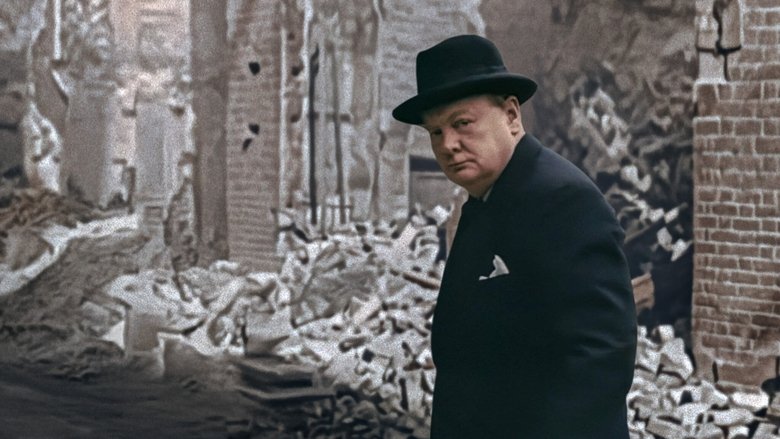
Documentary looking back at a Britain during the darkest days of WWII using stunning new archived footage and interviews with people who lived through it.
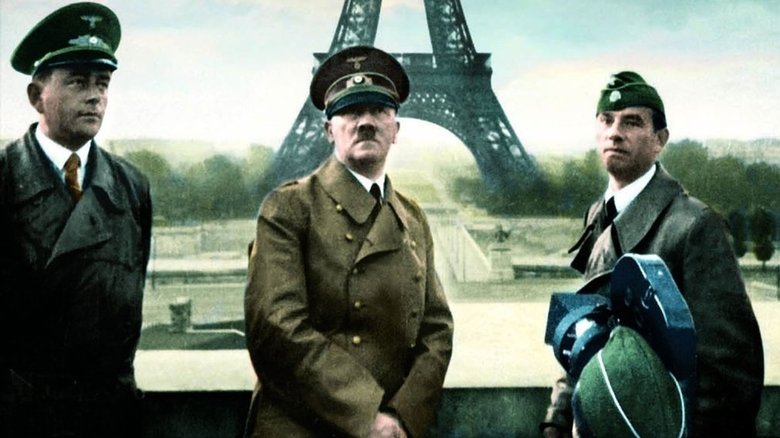
From May 10, 1940, France is living one of the worst tragedies of it history. In a few weeks, the country folds, and then collapsed in facing the attack of the Nazi Germany. On June 1940, each day is a tragedy. For the first time, thanks to historic revelations, and to numerous never seen before images and documents and reenacted situations of the time, this film recounts the incredible stories of those men and women trapped in the torment of this great chaos.
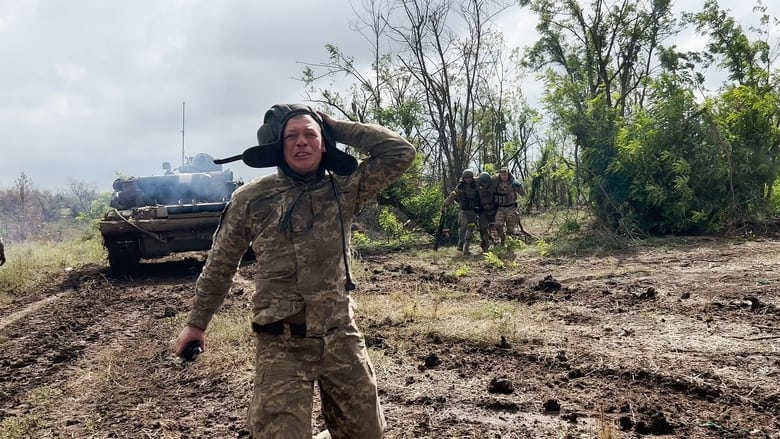
On February 24, 2022, Yevhen, together with his friends, volunteered to join the first aid squad on the front line. They provided life-saving support and evacuation of the wounded. This film reveals the experiences of these young men for six months full of drama, despair, fear, hatred, bitterness, love, and, most importantly, faith in victory.
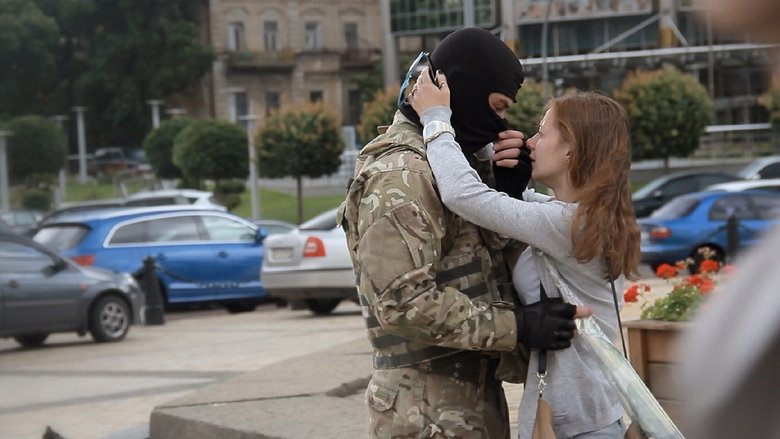
The story of war, love and death that was documented by the immediate participants of events. Off screen and later on it are the two - a boy and a girl. He volunteered for the front; she went to the place just after the battle. He got into Ilovaysk cauldron, lost his closest brother-soldiers. She, while travelling along the ruined towns, strives to understand the essence of war and love. Both tell openly one another about their feelings during the war, escaping the cauldron, a try to live together after, and a common trip to the frontline.
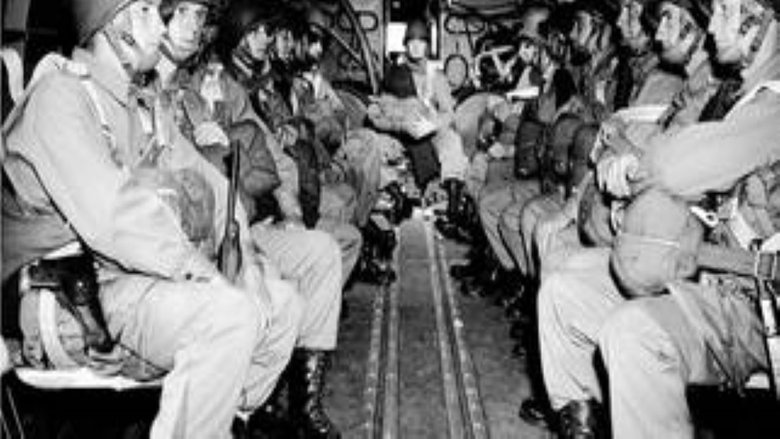
Easy Company, the 2nd Battalion of the 506th Parachute Infantry Regiment of the 101st Airborne Division, fought their way through Europe, liberated concentration camps, and drank a victory toast in April 1945 at Hitler's hideout. Veterans from Easy Company, along with the families of three deceased others, recount their horrors and victories, bonds they made and the friends they lost.
A Documentary film, following a group of friends going through their college life. with 3 months of filming starting in August 25th to November 1st 2024. most of everything was filmed in Boston. the purpose of the movie isn't to look amazing and have great story telling, but instead its meant to stamp a period in time. so that in 50 years we can look back and notice the human growth in a movie format. I hope you like the movie and thank you for watching :)
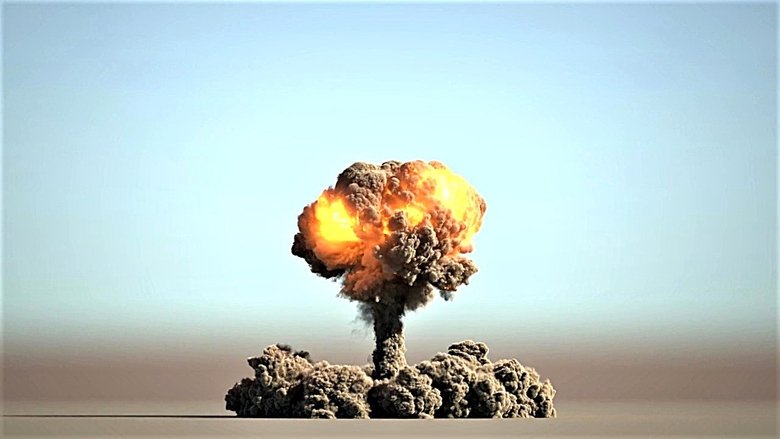
The smallest of sparks can lead to the largest of explosions. Such is the case of the Atomic Bomb and the minds who have conceived of the deadliest force the world has ever known. This new documentary Atomic: The History of the A-Bomb follows this weapon of mass destruction from inception to detonation.
In 2014, the war begins. Immediately, a system of evacuation of the wounded and killed is being built, the outpost of which is the Dnieper - it is here that the first will be delivered, it is here that they are still received. Tatiana Guba has been coordinating the evacuation for 5 years. She is called "Mom Tanya". Thousands of people are grateful to her for her life. Serhiy Kryvorotchenko, director of the Dnipro Airport, has deployed a helicopter evacuation system since the beginning of the war. Eugene Titarenko, the film's director, in 2014-2015 was part of a volunteer medical battalion, communicates with the heroes of the film about the evacuation system. The viewer will see the whole way of saving lives, will be directly in the vortex of events and will understand how many people are involved in the process of saving one person.
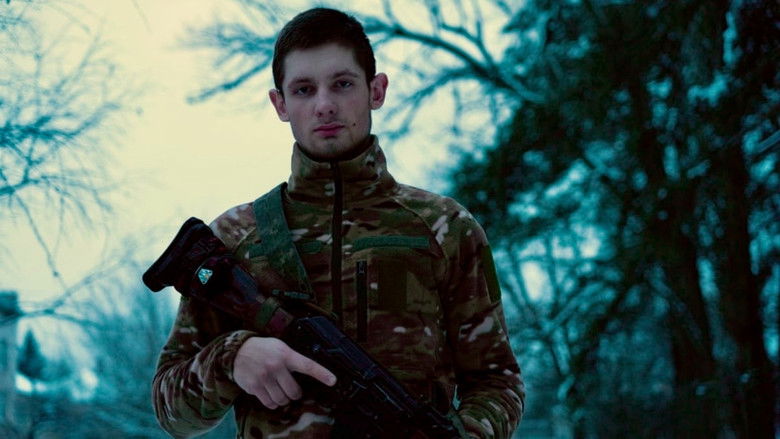
A revealing and moving portrait of lives compromised by war, filmed exclusively by Ukrainian soldiers with extraordinary access to a tightly-controlled frontline.
At the risk of a 5-year prison term, Francesco Da Vinci struggles with his Virginia draft board to be recognized as a sincere conscientious objector to the Vietnam war.
After twenty years, Wiam Al Zabari starts a conversation with his father. Why did they flee from Iraq? Why was that never discussed? Will he be able to let go of the past and embrace a Dutch future?
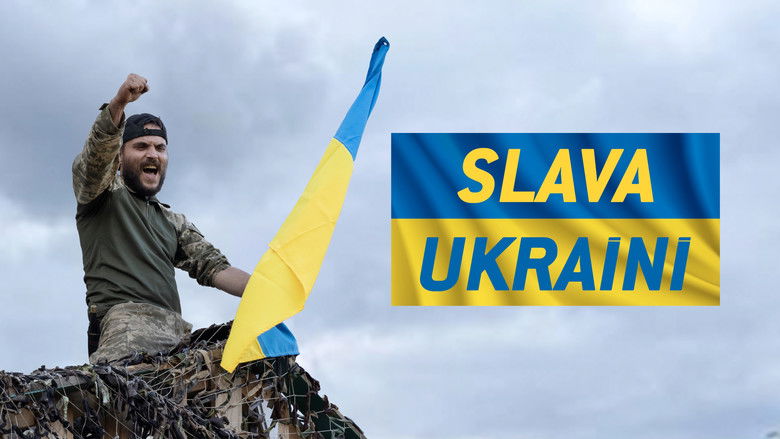
One year after the beginning of the full-scale Russian invasion of Ukraine, philosopher Bernard-Henri Lévy takes us to the heart of the combat through this war diary made during the second half of 2022. From Kharkiv and Bakhmut to Kherson, in the aftermath of the city’s liberation, this documentary bears witness to the ravages of war through the testimonies of soldiers, chronicles of the front and portraits of civilians, and shares with us the struggle of the Ukrainian people.
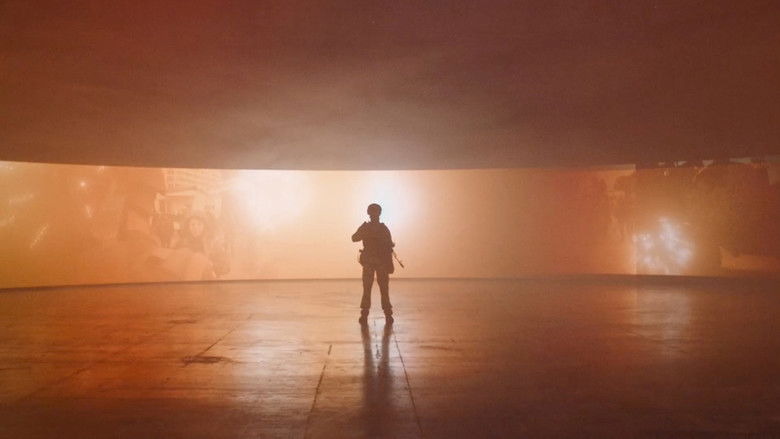
From the Revolution of Dignity to full-scale war: successful Ukrainian film producers took up arms to defend the country and cameras to record the gruesome reality. From the fragments of memories and their own film archive, veterans Pavlo and Yurko assemble a mosaic of the causes and consequences of today's Russian-Ukrainian war - from the end of 2013 to today. The authors went to the front as volunteers, visited the hotspots of Donbas, created the home-made drone "Furia", which is now named after one of the best air reconnaissance units. And all this time they continued to create in order to show the world the truth about the terrible war that became possible in the 21st century.
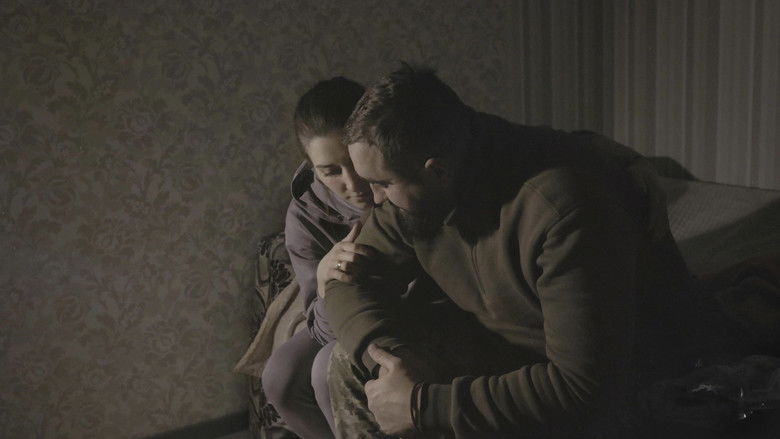
The residents of Bucha, Ukraine, are rebuilding their city from the rubble after surviving the horrors of Russian occupation. A newly married couple, a schoolgirl, a city official, and an elderly housewife have all endured the painful experiences of war, yet they manage to hold onto hope and solidarity. But how do you rebuild in the wake of growing trauma, especially with war still raging in your country? As time hopes for a peaceful life fade, they must grapple with mounting tensions within their communities. Shot over a three-year period, the film is a follow-up to When Spring Came To Bucha, as five protagonists navigate the complex terrain of inner conflicts, trauma, and a longing for justice, posing questions about the future of a society at war.
Hope is an intimate portrait of a military family fractured by the invisible wounds of war. At its heart is Catherine, a decorated soldier and mother who returns from deployment profoundly changed—emotionally withdrawn, plagued by guilt, and struggling with addiction. Her daughter, Hope, once protected by her mother's strength, becomes a witness to her unraveling, forced to mature too quickly amid the chaos of relocation, strained family bonds, and a lack of institutional support. As Catherine battles to reintegrate, her marriage collapses, and the military’s absence of post-deployment care deepens her isolation. Her husband leaves, her daughter grows distant, and Catherine is left with the crushing realization that service came at a cost no one prepared her for.
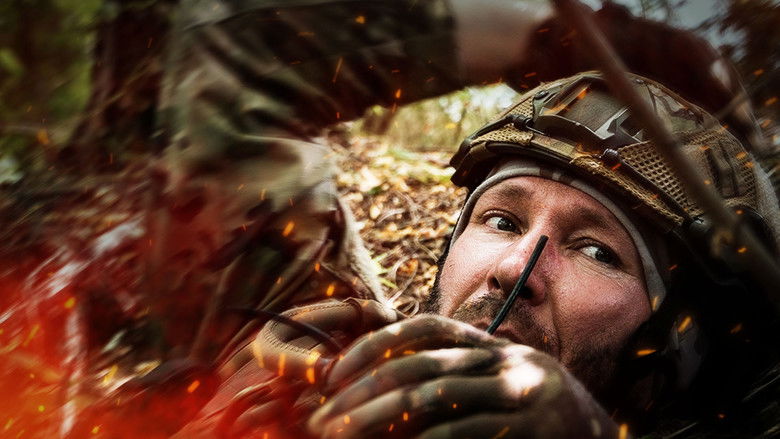
Filmmaker Olly Lambert spends two months on Ukraine’s southern frontline with volunteer special forces as they begin the push to capture Kherson. The film follows “Hummer”, an experienced military commander who now finds himself a chaperone to completely inexperienced forces on the frontline.
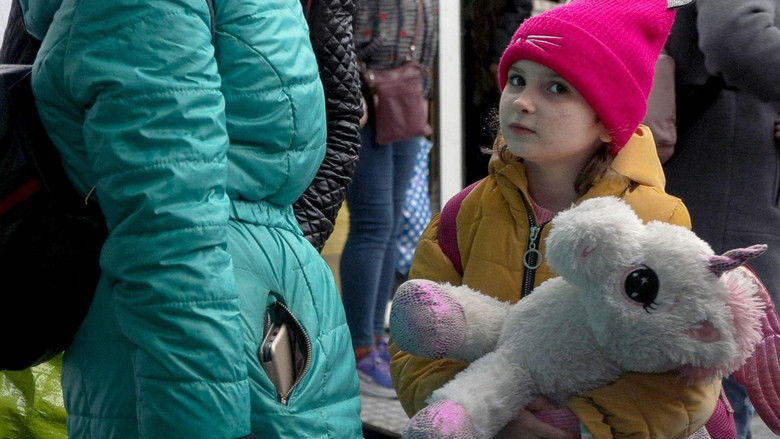
Since 24 February 2022, when the Russian invasion of Ukraine began, several million refugees have already been taken in by Poles. In the Lublin region, near the Bug River, which marks the border with Ukraine and Belarus, farmers, shopkeepers, a photographer, and a teacher tell how their daily lives have been transformed by the outbreak of this war.
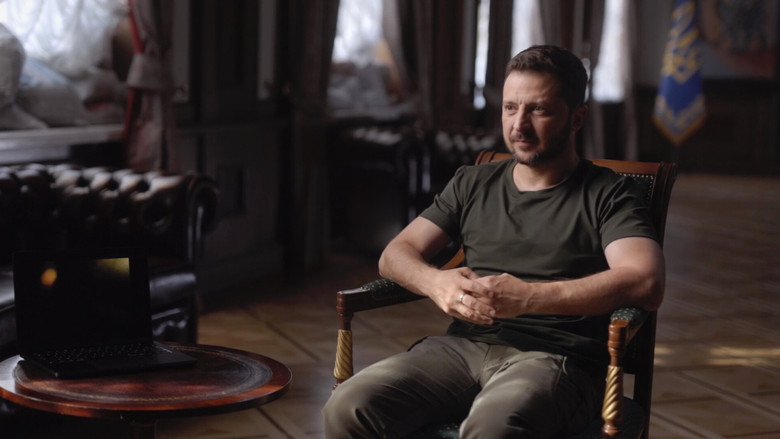
Ten years ago, Volodymyr Zelensky was just one of the many faces on Ukrainian television screens. He became a star thanks to the 2015 satirical series Servant of the People, in which he played a history teacher who becomes president. Four years later, what began as fiction became a reality. This French documentary follows the transformation of a popular TV comedian into a statesman on the front lines of the Russian invasion. Archival footage, family photos, television appearances, and interviews with Zelensky and those closest to him create a multi-layered portrait of a man who always longed for a large audience. At the same time, the film places his personal development in the broader context of post-Soviet Ukraine, which is also searching for its own identity.