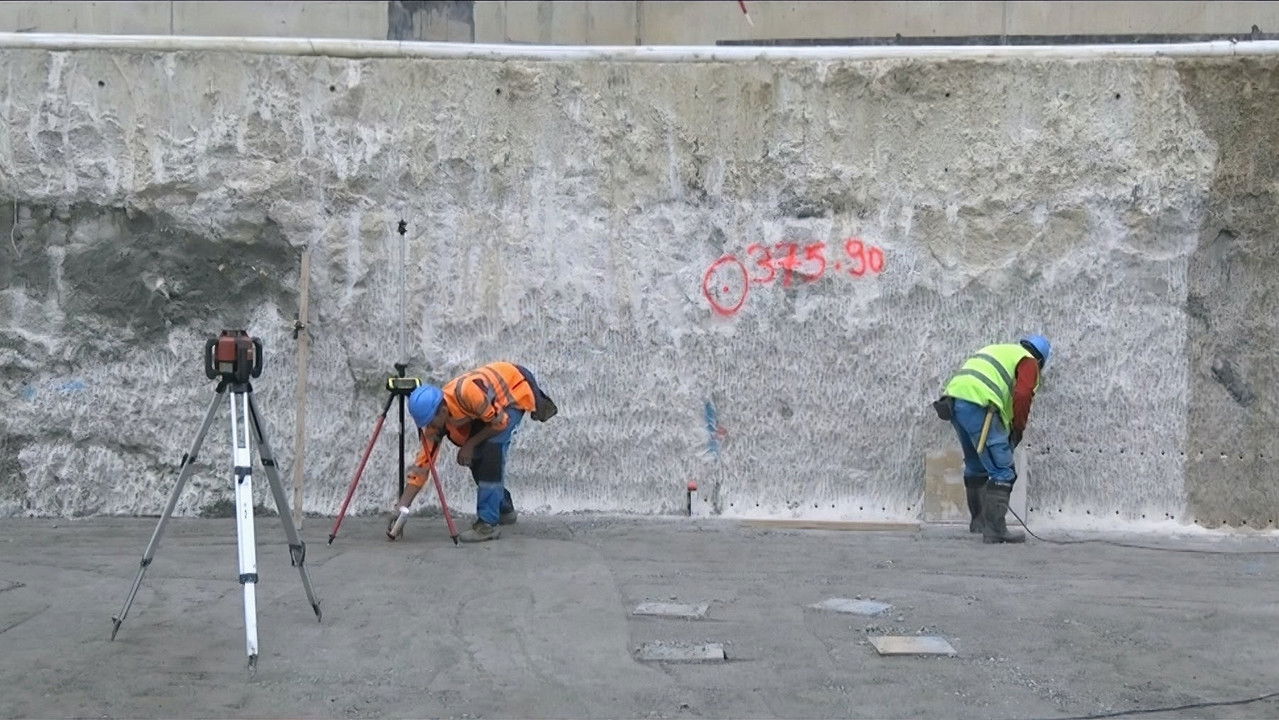
À ciel ouvert (2022)
Behind the scenes of a large construction site in western Switzerland, we dive into the world of construction where most of the workers are foreigners.
Behind the scenes of a large construction site in western Switzerland, we dive into the world of construction where most of the workers are foreigners.
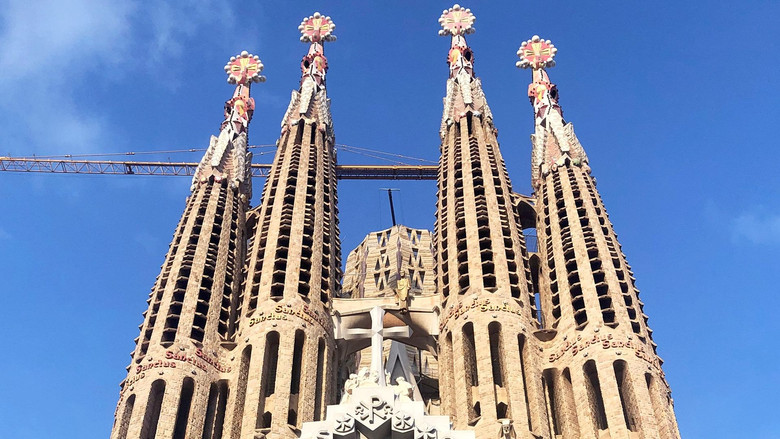
Combining real footage, archival footage, fiction and 3D modeling, this unseen documentary traces the history of this spectacular and unfinished work.
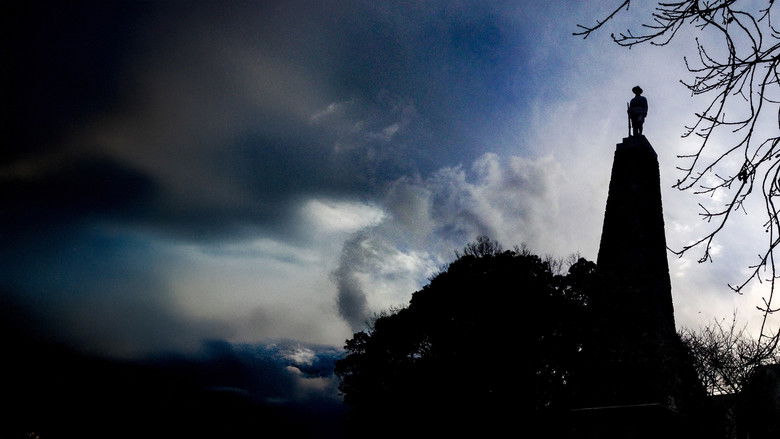
The race to save the world's only dedicated Māori World War One Memorial from collapse reveals an unknown soldier's heroic story to the community he was once part of.

Archival footage, photos, news clips, and interviews combine to offer a comprehensive overview of the clean-cut, buttoned-down singing youth group that attempted to change the world in the riotous 1960s. A true cultural phenomenon, Up with People performed in 47 languages to a global audience that included popes and kings; they even performed at the Super Bowl half-time show. As former members offer heartfelt reflections on their time with Up with People and what the group really mean to them personally, the viewer is presented with a thought-provoking glimpse into the cultural underbelly of politics, cults, and money.
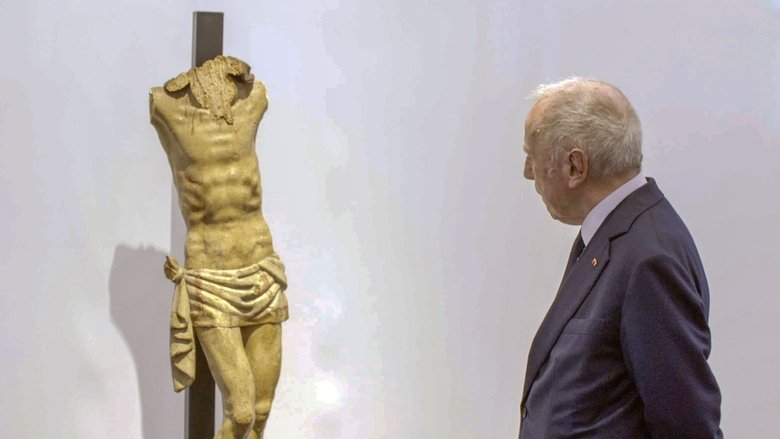
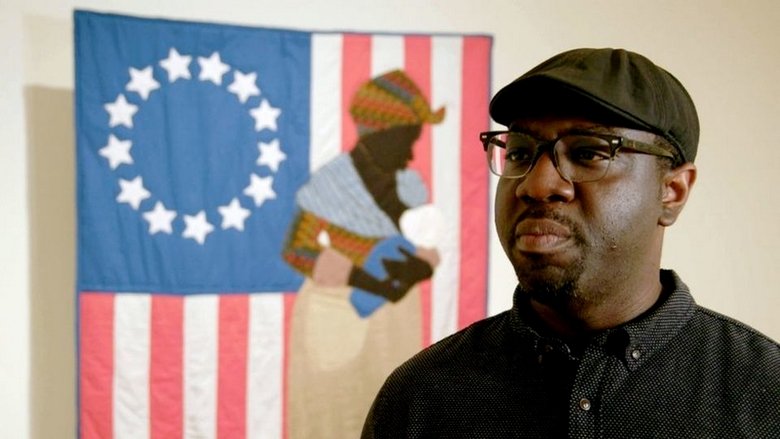
Under the Trump administration, USA is a deeply divided country. One side feeds populism and religious rectitude in a monochromatic landscape, painted white, lamenting for a past that never will return. The other side fuels diversity and multiculturalism, a biased vision of a progressive future, quite unlikely. Both sides are constantly confronted, without listening to each other. Only a few reasonable people gather to change this potentially dangerous situation.
A journey into the intricacies of mixed-race Japanese and their multicultural experiences in modern day Japan. For some hafus, Japan is the only home they know, for some living in Japan is an entirely new experience, and the others are caught somewhere between two different worlds.
"Africa Light" - as white local citizens call Namibia. The name suggests romance, the beauty of nature and promises a life without any problems in a country where the difference between rich and poor could hardly be greater. Namibia does not give that impression of it. If you look at its surface it seems like Africa in its most innocent and civilized form. It is a country that is so inviting to dream by its spectacular landscape, stunning scenery and fascinating wildlife. It has a very strong tourism structure and the government gets a lot of money with its magical attraction. But despite its grandiose splendor it is an endless gray zone as well. It oscillates between tradition and modernity, between the cattle in the country and the slums in the city. It shuttles from colonial times, land property reform to minimum wage for everyone. It fluctuates between socialism and cold calculated market economy.
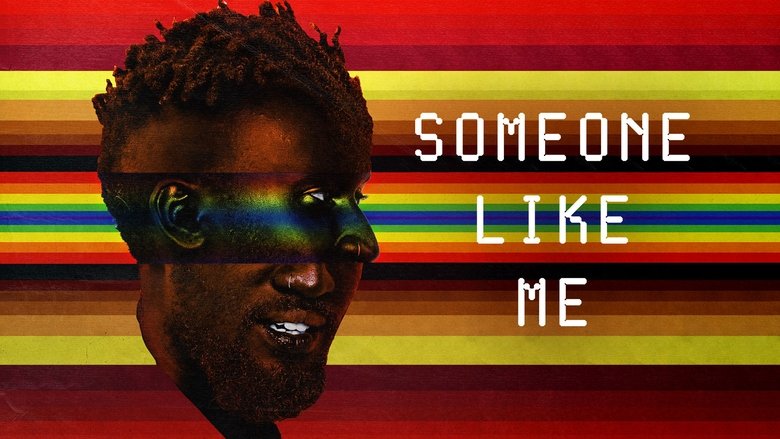
After 11 strangers unite to help a gay youth escape life-threatening violence in Uganda, the unexpected pandemic and conflicting opinions over his best interests test the limits of their commitment and jeopardize his fresh start in Canada.
Director Mark Wexler embarks on a worldwide trek to investigate just what it means to grow old and what it could mean to really live forever. But whose advice should he take? Does 94-year-old exercise guru Jack LaLanne have all the answers, or does Buster, a 101-year-old chain-smoking, beer-drinking marathoner? What about futurist Ray Kurzweil, a laughter yoga expert, or an elder porn star? Wexler explores the viewpoints of delightfully unusual characters alongside those of health, fitness and life-extension experts in this engaging new documentary, which challenges our notions of youth and aging with comic poignancy. Begun as a study in life-extension, How To Live Forever evolves into a thought-provoking examination of what truly gives life meaning.
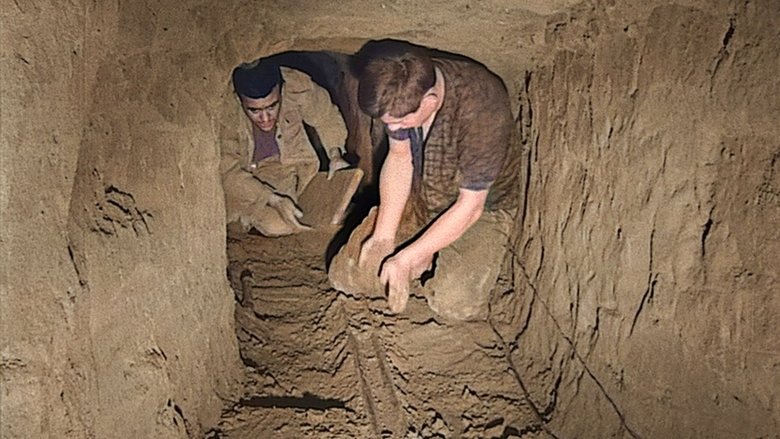
13 August 1961: the GDR closes the sector borders in Berlin. The city is divided overnight. Escape to the West becomes more dangerous every day. But on September 14, 1962, exactly one year, one month and one day after the Wall was built, a group of 29 people from the GDR managed to escape spectacularly through a 135-meter tunnel to the West. For more than 4 months, students from West Berlin, including 2 Italians, dug this tunnel. When the tunnel builders ran out of money after only a few meters of digging, they came up with the idea of marketing the escape tunnel. They sell the film rights to the story exclusively to NBC, an American television station.
Anne Marie Nakagawa's documentary examines what it means to have a background of mixed ancestries that cannot be easily categorized. By focusing on 7 Canadians who have one parent from a European background and one of a visible minority, she attempts to get at the root of what it means to be multi-ethnic in a world that wants each person to fit into a single category.
It does not happen every day that a gigantic stadium is built on a greenfield: In October of 2001, the citizens of Munich voted with a clear yes for a new soccer stadium in the north of the city. 66,000 soccer fans of FC Bayern and 1860 Munich will find a new common home in the futuristic looking structure. But before that stand four years of work on a construction site of superlatives. The director Wolfgang Ettlich and his cameraman Hans-Albrecht Lusznat followed the construction of the new Munich soccer arena since the first groundbreaking. They have recorded several phases of the construction and did thereby get to know the microcosm of a large construction site from the inside: The logistics, with which hundreds of construction workers have to be coordinated, and the steady growth of the stadium all the way to the perfectly conceptualized illuminated structure, with VIP-boxes, mass restaurants, and Europe’s largest parking garage.
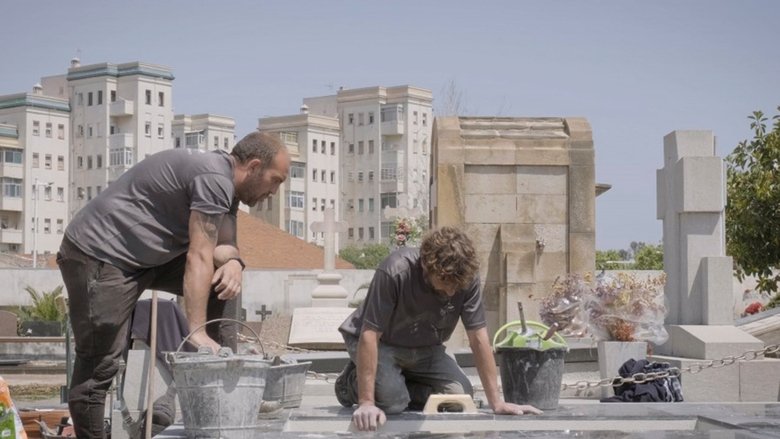
A documentary that invites the viewer to immerse themselves in a intimate and thoughtful walk through Poblenou Cemetery in Barcelona, better know as "El Santet", to see what is happening at its surrounding areas and, especially, inside: work, buildings, people watching over those who are no longer here, cemetery workers... A trip through a space that is closer than we think.
Every city has its secrets, but it is probably inside houses, behind their silent walls, where they are most intense and human. The Alabado House was built in 1671 as part of Quito’s colonial Old City, surviving centuries of earthquakes, poverty and decay. Over the past five years, dozens of manual laborers have been working to restore it. But its miraculous beauty conceals a long and tragic history. For it was the oppressed indigenous masses who built the Old City, the largest in Latin America.
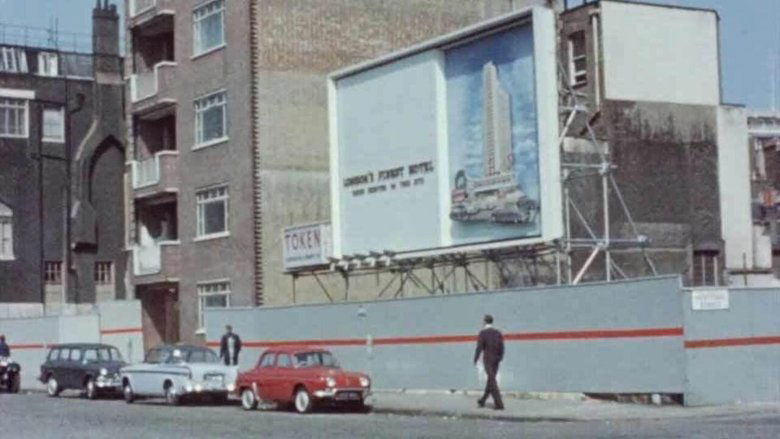
The Hilton Hotel rises from the ashes, surrounded by derelict houses and bomb damaged streets.
Filmed at the Wing Fong Farm in Ontario, this documentary follows the tilling, planting and harvesting of Asian vegetables destined for Chinese markets and restaurants. On 80 acres of land, Lau King-Fai, her son and a half-dozen migrant Mexican workers care for the plants. For Yeung Kwan, her son, the farm represents personal and financial independence. For his mother, it is an oasis of peace. For the Mexican workers, it provides jobs that help support their children back home.
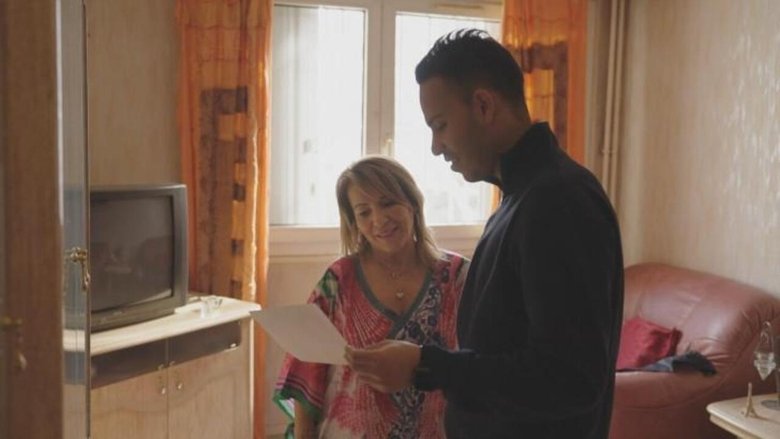
In the 1960s, the suburbs were meant to be modern havens for newcomers from rural France, Portugal, Spain, North Africa, and Africa, helping rebuild post-war France. Large housing complexes symbolized this ideal, offering comfort, heating, and electricity. But by the 1980s, disillusionment set in as economic crisis, unemployment, poverty, crime, racism, and police violence took hold. Mohamed Bouhafsi tells the story of a dream that didn’t last.
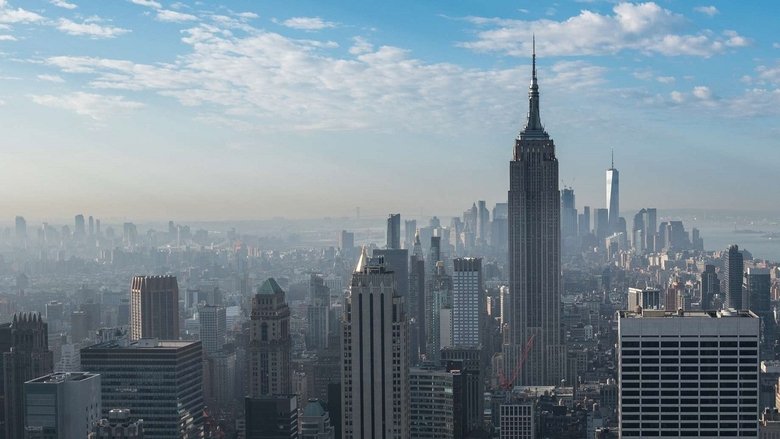
This remarkable new documentary explores the story behind one of the most iconic images of the twentieth century: the 1932 photograph of workmen taking their lunch while perched on a girder high above New York City.