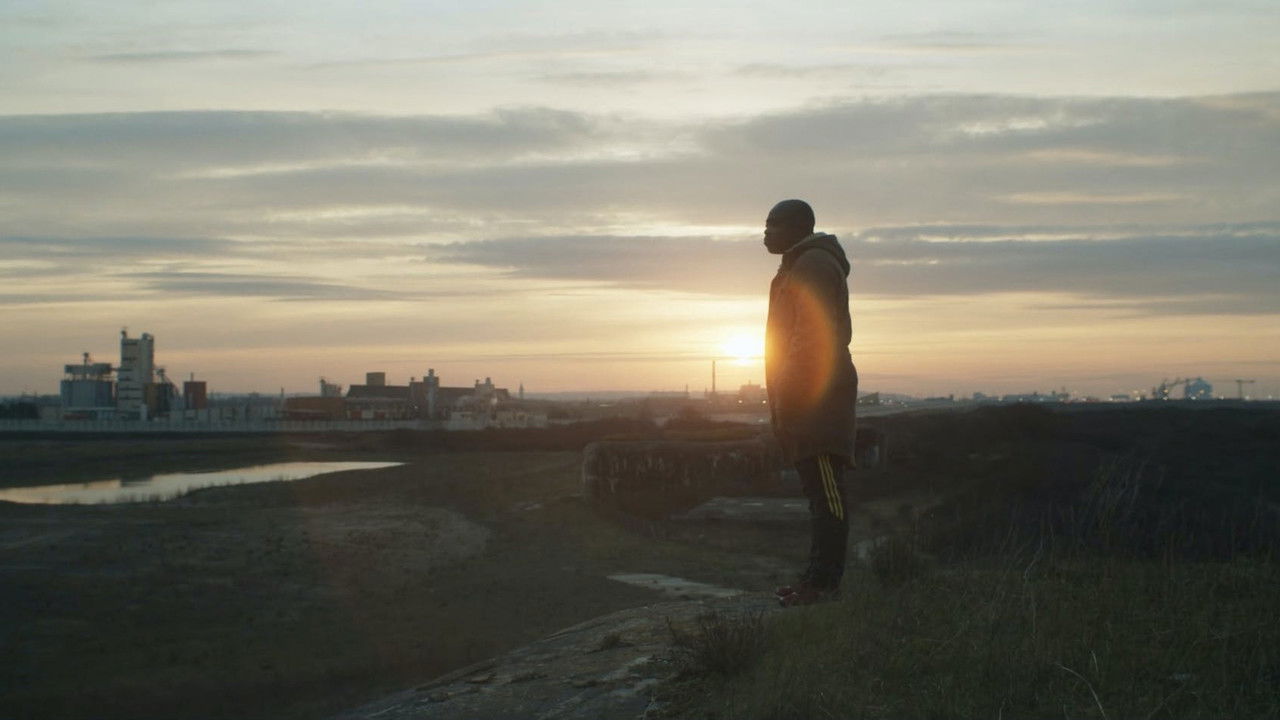
Aya (2021)
In a town near Calais that looks like the Wild West, big-hearted 50-year-old Lydie shelters Zimako, an unruly, paperless migrant from Togo.
In a town near Calais that looks like the Wild West, big-hearted 50-year-old Lydie shelters Zimako, an unruly, paperless migrant from Togo.
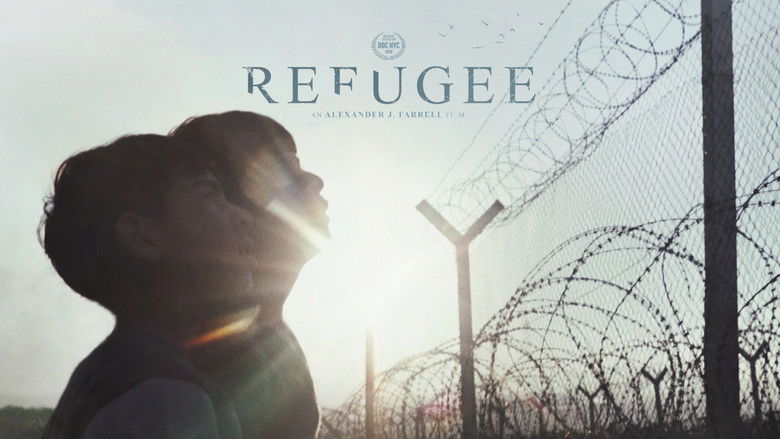
A harrowing account of Europe's migrant crisis. A family of Syrian refugees separated by the borders of Europe, fight to be reunited as they migrant from Syria to Germany.
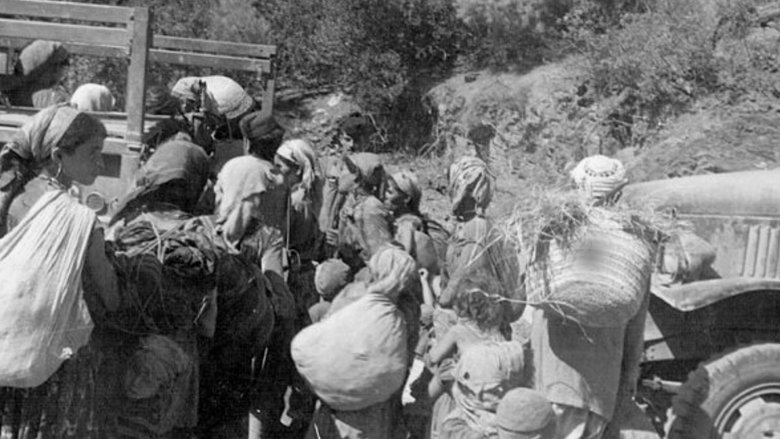
Directed by Pierre Clément and Djamel-Eddine Chanderli, produced by the FLN Information Service in 1958, this film is a rare document. Pierre Clément is considered one of the founders of Algerian cinema. In this film he shows images of Algerian refugee camps in Tunisia and their living conditions. A restored DVD version released in 2016, from the 35 mm original donated by Pierre Clément to the Contemporary International Documentation Library (BDIC).
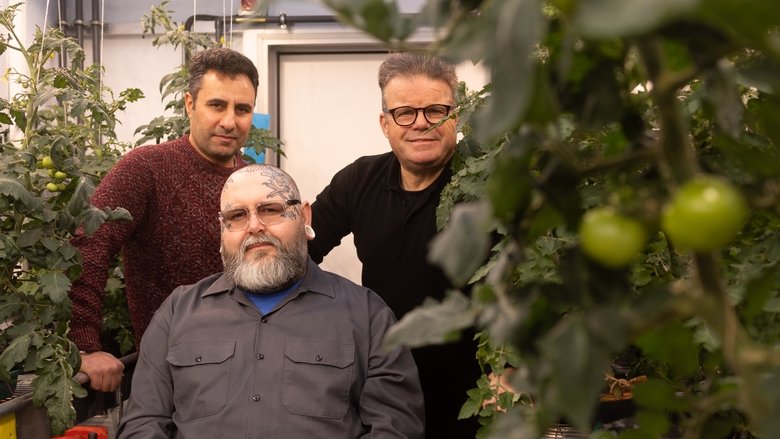
It is a daring idea: to grow food from old mattresses in a desolate camp at the edge of a war zone. When a refugee scientist meets two quirky professors, they must confront their own catastrophes - and make a garden grow. Short film now streaming on Waterbear.com.

Takes place in the Saharawi refugee camps in Algeria against the historical backdrop of Spanish colonialism and the Moroccan invasion of the Western Sahara. The Saharawi women, who make up 80% of the adult refugee population, provide a powerful voice as they reveal how they came to assume primary responsibility for the survival of the remains of their families and in turn the entire refugee population.
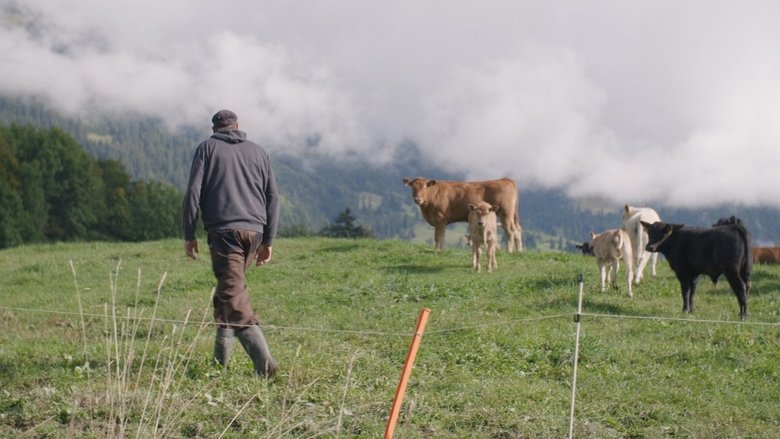
A film about the unprecedented Swiss grassroots movement of regular citizens who rise to aid thousands of refugees stranded at the European borders. In rich and safe Switzerland people from all backgrounds leave their regular life behind to support people in need. There is a Swiss farmer and his wife who keep cows in the Swiss Alps, a former commander of the Swiss Army, an elder rich lady residing at the lakeside, and a successful comedian and entertainer. These unexperienced volunteers take on an adventure that will change their lives forever.
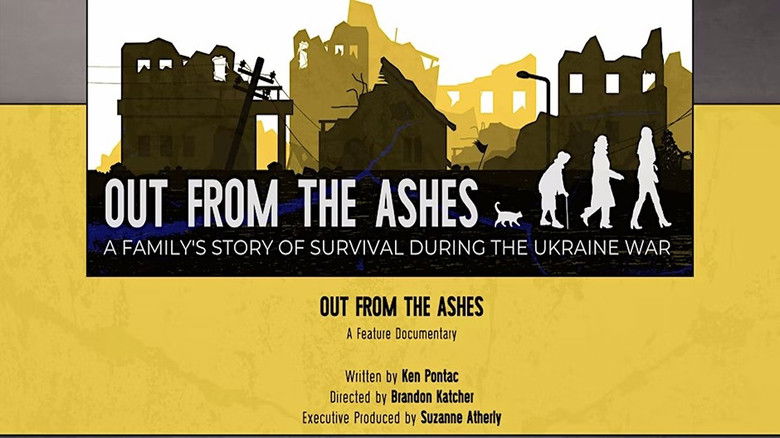
Milena, a young woman from Ukraine, who along with her mother and grandmother (and cat), desperately struggle to escape their war- torn home while an army of supporters on the opposite side of the world fight to keep them safe. Milena survived the destruction of Mariupol, cowering for a month in the basement of a bombed-out building, watching her home and history burn. She managed to contact Ken Pontac, long-time Facebook friend and father figure. Their conversations bolstered Milena's spirits while Ken listened with growing apprehension.

A very personal and dynamic meditation on the current global refugee crisis through the eyes and voices of campaigners, specially children, where past and present establish a dialogue. A reflection on the importance of human rights.
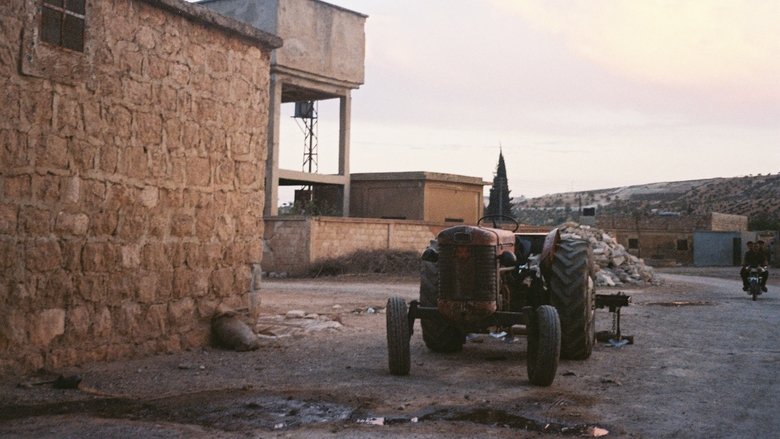
"The Boy Of The Fish" follows Noon, a young boy living in a Syrian refugee camp, who finds solace and a sense of freedom in a whale-shaped doll he names "Bahr." Set against the challenging realities of camp life, Noon’s journey is both a story of resilience and a testament to the boundless imagination of childhood. Through vivid symbolism and a unique soundscape, the film explores themes of loss, hope, and the longing for freedom amidst confinement. Shot entirely on an iPhone due to restrictions in the conflict zone, the film combines raw authenticity with poetic depth to capture the emotional landscape of a young soul navigating adversity.
A Palestinian grain miller in a Jordanian refugee camp safeguards her culture and shares her people’s history through food prepared with love, longing, and sumud—the Palestinian spirit of steadfastness.
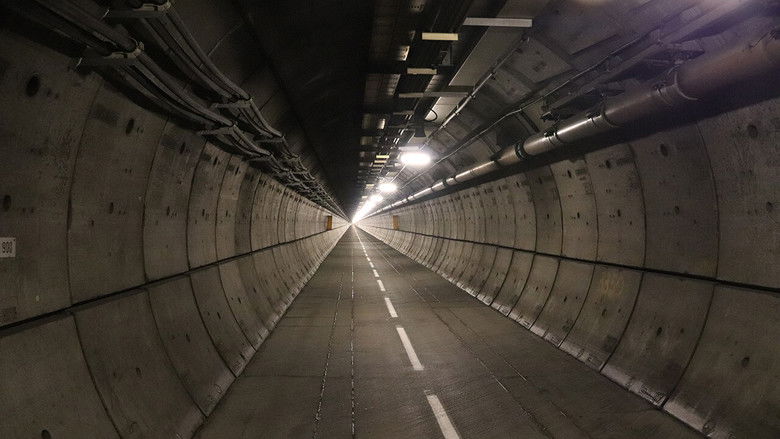
The Channel Tunnel linking Britain with France is one of the seven wonders of the modern world but what did it take to build the longest undersea tunnel ever constructed? We hear from the men and women, who built this engineering marvel. Massive tunnel boring machines gnawed their way through rock and chalk, digging not one tunnel but three; two rail tunnels and a service tunnel. This was a project that would be privately financed; not a penny of public money would be spent on the tunnel. Business would have to put up all the money and take all the risks. This was also a project that was blighted by flood, fire, tragic loss of life and financial bust ups. Today, it stands as an engineering triumph and a testament to what can be achieved when two nations, Britain and France put aside their historic differences and work together.
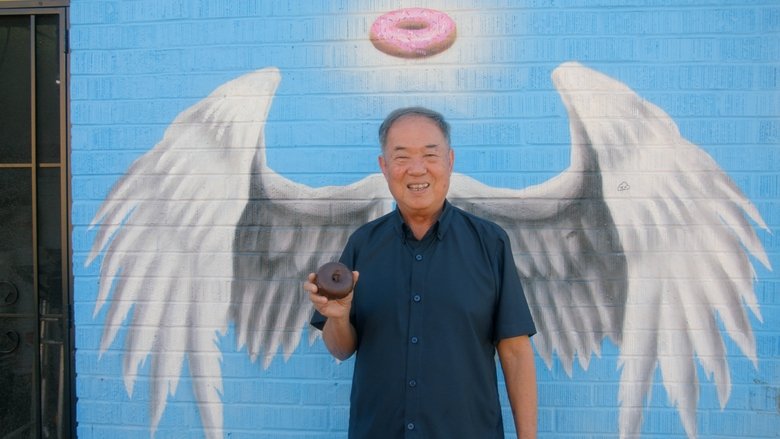
Cambodian refugee Ted Ngoy builds a multi-million dollar empire by baking America's favourite pastry: the doughnut.
Ekhlas Alhlwani was forced to flee Syria with her three children and now lives in Zaatari, a refugee camp in the Jordanian desert. Rizzi spent seven weeks observing her and other women's daily life, which is devoid of any prospects. He shows how Alhlwani makes every effort to establish some kind of normality for her family despite the difficult camp conditions. The film vividlyconveys the cruelty of war, and especially the state o funcertainty and rootlessness to which refugees are exposed. The film is the first part of a trilogy that focuses on the emergence of a new civil consciousness in Malaysia, Tunisia, Egypt, Bahrain and Syria, as well as the social implications of the end of post-colonialism in these countries.
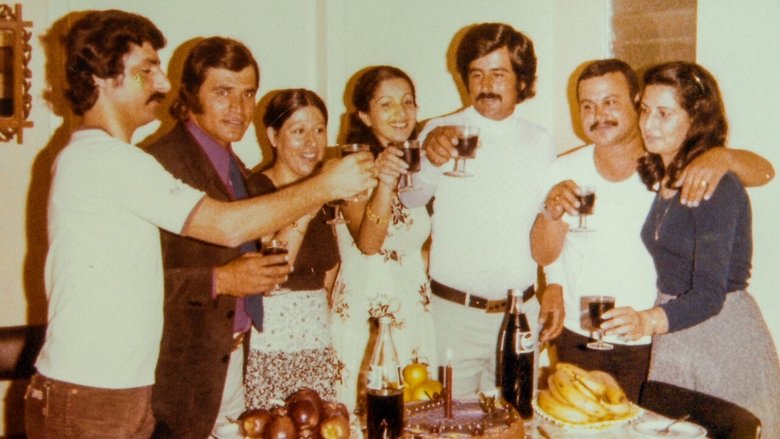
An intimate, and often humorous, portrait of three generations of exile in the refugee camp of Ein el-Helweh, in southern Lebanon. Based on a wealth of personal recordings, family archives, and historical footage, the film is a sensitive, and illuminating study of belonging, friendship, and family in the lives of those for whom dispossession is the norm, and yearning their daily lives.
Two Americans deliberately head to the edge of war, just seven miles from the Syrian border, to live among 80,000 uprooted refugees in Jordan's Za'atari refugee camp.
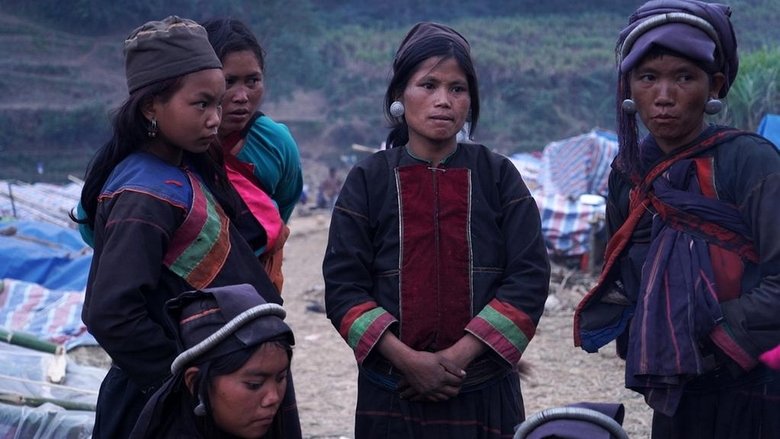
The Ta'ang or Palaung people, an ethnic minority living in the mountainous area between Myanmar's Kokang region and China's Yunnan province, have historically suffered many forced migrations due to war. When their survival is threatened again in 2015, thousands of them flee across the border. Filmmaker Wang Bing accompanies them and becomes a privileged witness to a human story that is both a modern reportage and a mythical epic.
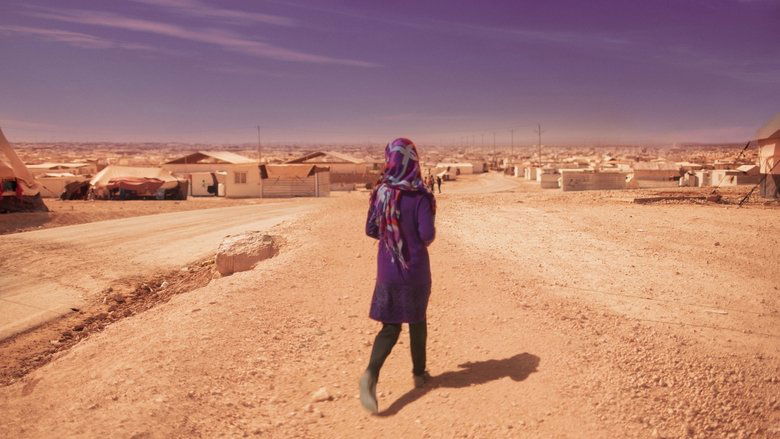
Close to 80,000 Syrian refugees live in the Zaatari Refugee Camp in Jordan, the second-largest such camp in the world. Fifty-eight percent of its inhabitants are children. After Spring immerses us in the rhythms of the camp, the role of the aid workers, and the daily lives of two families as they contemplate an uncertain future.
The fate of thousands of people is unified under the tarpaulins of the refugee camps in Kobanê and in Shingal. Kurdish filmmaker Bahman Ghobadi has given eight children the opportunity to use a camera to tell their own stories. Each film gives us a glimpse into the plight of the children, as seen through their own eyes. Their stories tell of young people with their whole lives ahead of them, though they’ve already lost almost everything. At a certain point, the film crew leaves the camp and follows the 13-year-old Mahmod and his sister in the search for his parent‘s house in Kobanê. The town has been ravaged by the war and all the children find is rubble. The eight films reveal the courage and openness of the young filmmakers, who share their stories with great intensity, realism and poetry, despite their harsh fate.
In one of the world's largest and oldest refugee camps, Dadaab, the inhabitans survive by watching films and dreaming. The refugees cannot leave the camp, but they let their minds escape the harsh reality: by going to the simple cinema hall run by Abdikafi Mohamed, the film's protagonist.
Hungarian refugees in Austrian camps after the failed revolution in Budapest.