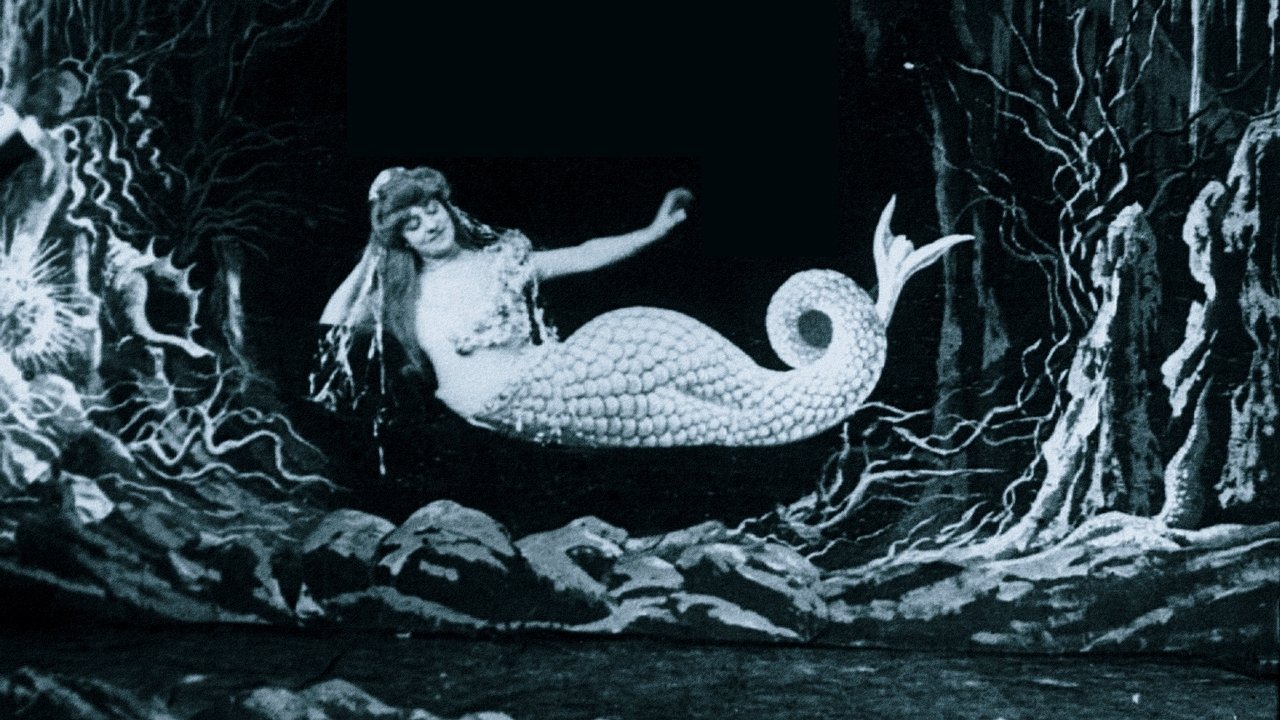
The Magic of Méliès (1997)
A walk through the life and work of the brilliant French filmmaker Georges Méliès (1861-1938), pioneer of special and visual effects.
A walk through the life and work of the brilliant French filmmaker Georges Méliès (1861-1938), pioneer of special and visual effects.
 Marina MoncadeSelf - Narrator (voice)
 Daniel CeccaldiMéliès (voice)
 Charles-Antoine DecroixSalesman (voice)Abdul AlafrezMagicianClaire MosserMagician's AssistantDidier CremerYoung MélièsAlain KantoMagic Lantern OperatorPhilippe DuvalAnnouncerFrançois RiouThe Drawing HandClara MényChild Madeleine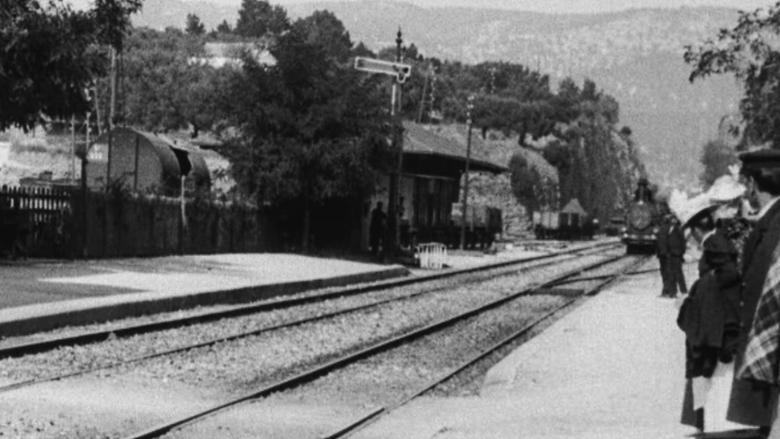
A group of people are standing along the platform of a railway station in La Ciotat, waiting for a train. One is seen coming, at some distance, and eventually stops at the platform. Doors of the railway-cars open and attendants help passengers off and on. Popular legend has it that, when this film was shown, the first-night audience fled the café in terror, fearing being run over by the "approaching" train. This legend has since been identified as promotional embellishment, though there is evidence to suggest that people were astounded at the capabilities of the Lumières' cinématographe.
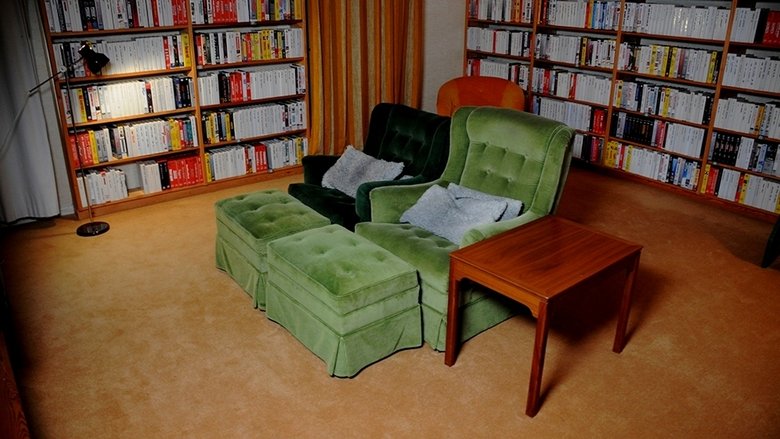
In the sixties, Swedish filmmaker Ingmar Bergman (1918-2007) built a house on the remote island of Fårö, located in the Baltic Sea, and left Stockholm to live there. When he died, the house was preserved. A group of very special film buffs, came from all over the world, travel to Fårö in search of the genius and his legacy. (An abridged version of Bergman's Video, 2012.)
Academy Award winning make-up artist Rick Baker reflects on An American Werewolf In London and The Wolfman.
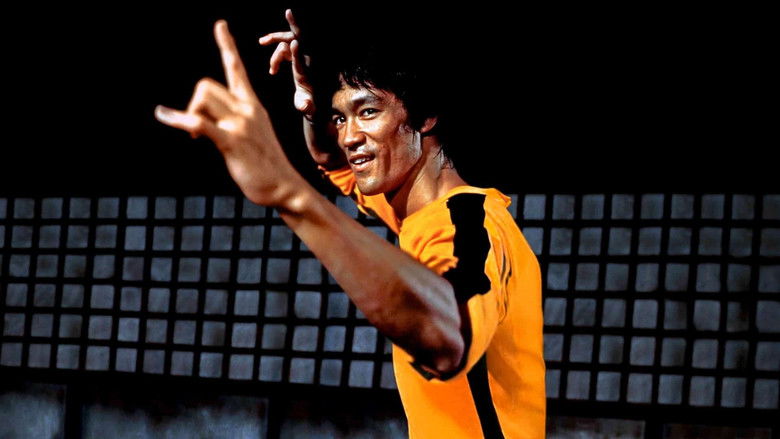
The fantastic story of how an ancient martial art, Chinese kung fu, conquered the world through the hundreds of films that were produced in Hong Kong over the decades, transformed Western action cinema and inspired the birth of cultural movements such as blaxploitation, hip hop music, parkour and Wakaliwood cinema.
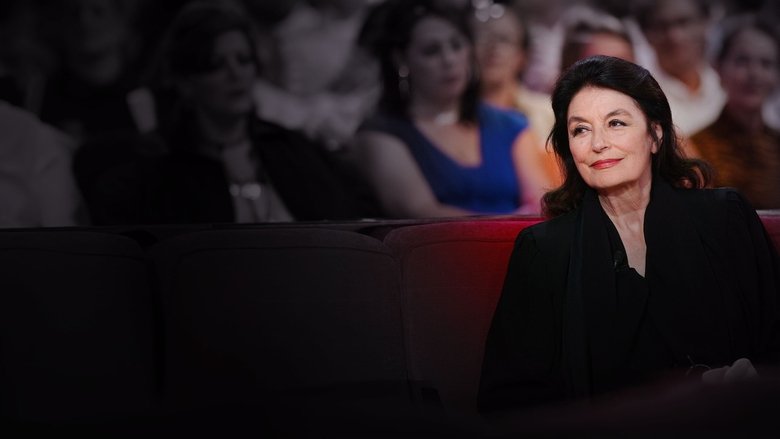
A documentary about the career of director Jack Arnold at Universal-International Studios. (An early version of this film, only 20 minutes in length, was screened in 2012.)
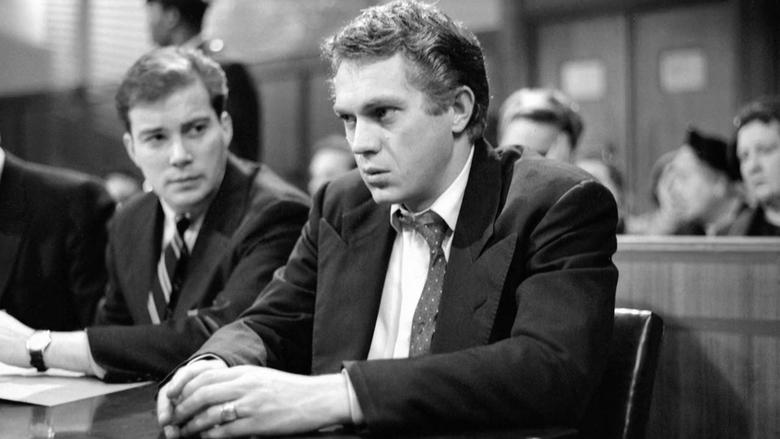
The story of the abandoned production of 'Day of the Champion', a movie about Formula 1 which was set to film in 1966.
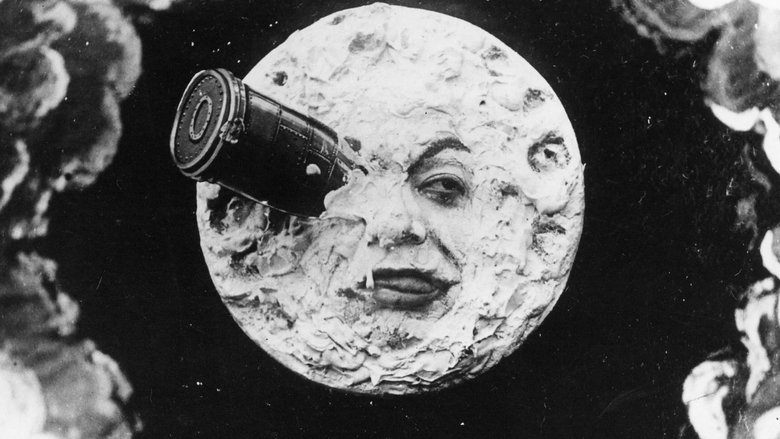
A documentary that details the process of restoring 270 of the 520 lost films of pioneering director Georges Méliès, all orchestrated by a Franco-American collaboration between Lobster Films, the National Film Center, and the Library of Congress.
Self-taught artist and independent mother Pia Antonia Klinkhammer engages in a conversation about art making and self expression with students from a German art school, who pay her a visit in her hometown. Sharing with them her life experiences, she sheds light on her unique painting style informed by her rebellion against the philistine upbringing in the suburbs of Cologne. By capturing Pia Antonia Klinkhammer's works on 16mm film, accompanied by her son's music, the students create what eventually becomes her only lifetime solo exhibition.
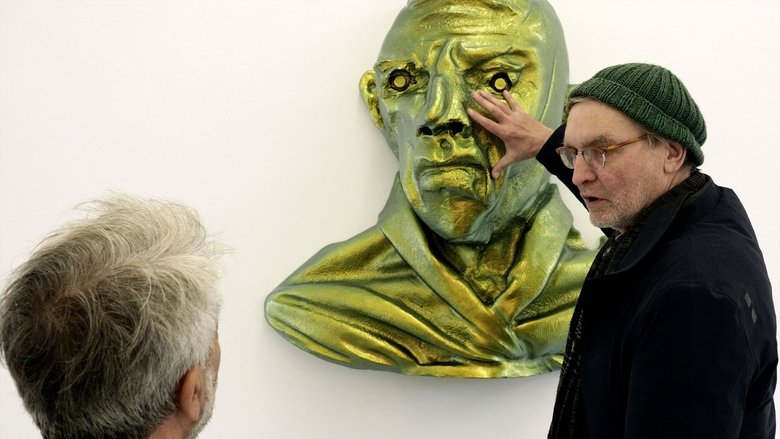
Thomas Schütte's work is always about people. His works have gravity and lightness, but they also show damage, power relations, fears, dependencies, evil, weird and beautiful figures. Schütte studied from 1973 to 1981 at the Düsseldorf Art Academy under Fritz Schwegler and Gerhard Richter. Today, he is one of the most important contemporary artists and is represented in all major museums and collections worldwide.
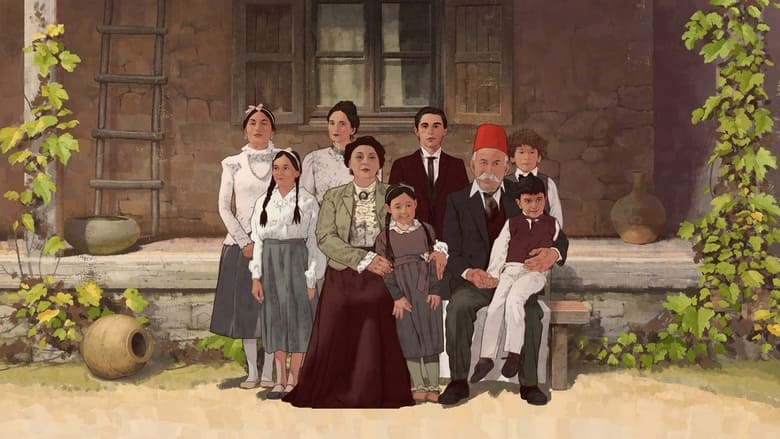
The story of how Aurora Mardiganian (1901-94), a survivor of the Armenian genocide perpetrated by the Ottoman Empire (1915-17), became a Hollywood silent film star.
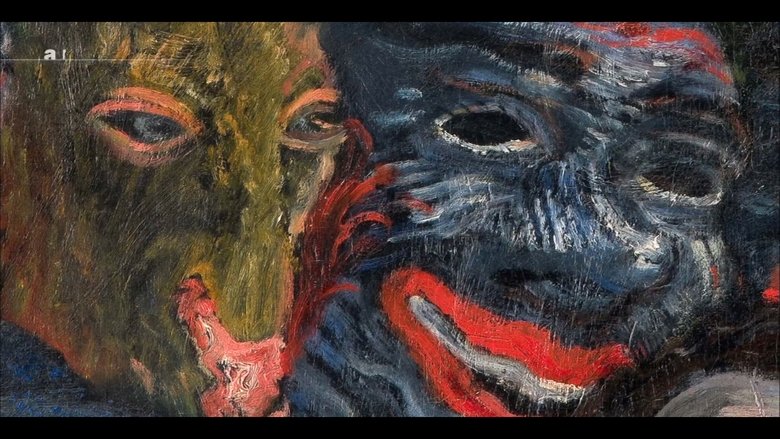
This film explains what James Ensor (1860-1949) meant for the development of art and makes palpable where he got his inspiration from.
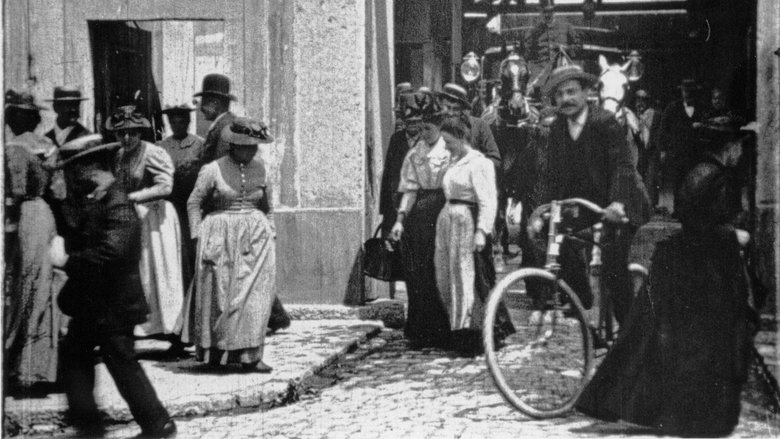
Working men and women leave through the main gate of the Lumière factory in Lyon, France. Filmed on 22 March 1895, it is often referred to as the first real motion picture ever made, although Louis Le Prince's 1888 Roundhay Garden Scene pre-dated it by seven years. Three separate versions of this film exist, which differ from one another in numerous ways. The first version features a carriage drawn by one horse, while in the second version the carriage is drawn by two horses, and there is no carriage at all in the third version. The clothing style is also different between the three versions, demonstrating the different seasons in which each was filmed. This film was made in the 35 mm format with an aspect ratio of 1.33:1, and at a speed of 16 frames per second. At that rate, the 17 meters of film length provided a duration of 46 seconds, holding a total of 800 frames.

As Hong Kong's foremost filmmaker, Johnnie To himself becomes the protagonist of this painstaking documentary exploring him and his Boundless world of film. A film student from Beijing and avid Johnnie To fan, Ferris Lin boldly approached To with a proposal to document the master director for his graduation thesis. To agreed immediately and Lin's camera closely followed him for over two years, capturing the man behind the movies and the myths. The result is Boundless, a candid profile of one of Hong Kong's greatest directors and a heartfelt love letter to Hong Kong cinema.
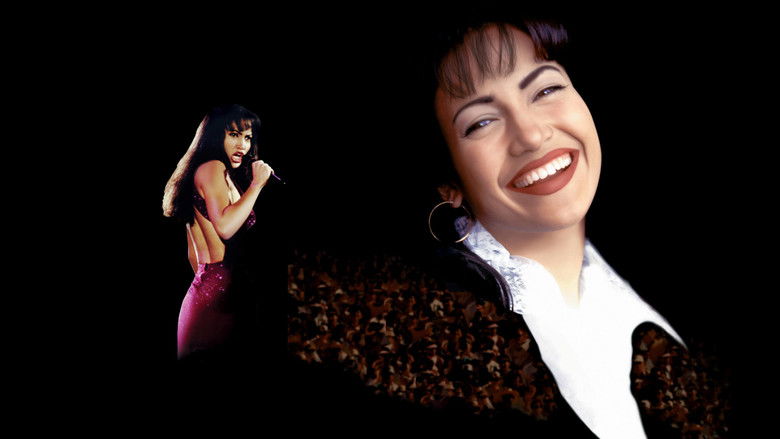
In this biographical drama, Selena Quintanilla is born into a musical Mexican-American family in Texas. Her father, Abraham, realizes that his young daughter is talented and begins performing with her at small venues. She finds success and falls for her guitarist, Chris Perez, who draws the ire of her father. Seeking mainstream stardom, Selena begins recording an English-language album which, tragically, she would never complete.
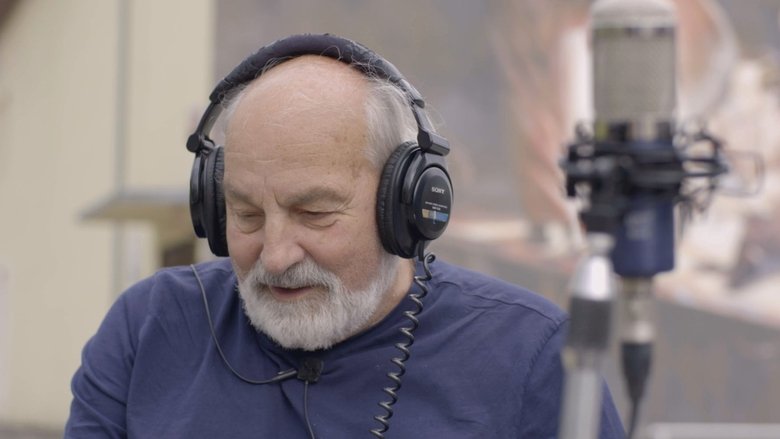
A look at the legendary Czech sound designer and his profession. Editor and documentary filmmaker Adéla Špaljová has her father Ivo Špalj talk about his life, career, and working methods. Over the course of his long life, sound designer Ivo Špalj (*1940) has collaborated on hundreds of films and become a mentor for at least one generation of men and women behind the mixing board. This gentle documentary also shows “Engi” (as he is known to his colleagues) again working with Jan Švankmajer, whose films he has lent their typical, dense, and sophisticated sound mix.
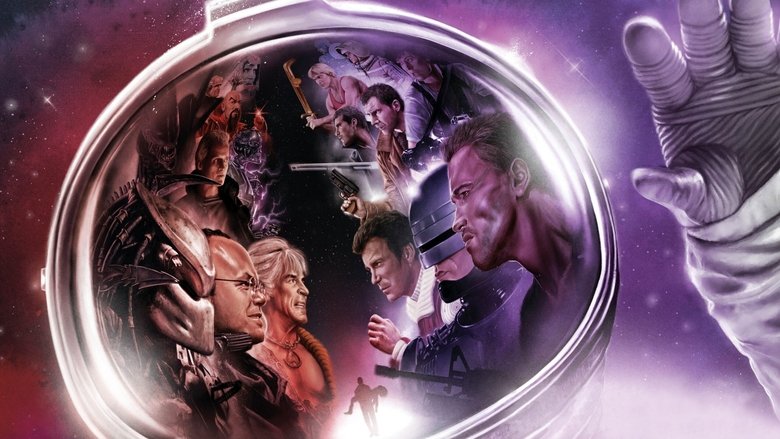
A nostalgic journey through ’80s Sci-Fi-films, exploring their impact and relevance today, told by the artists who made them and by those who were inspired to turn their visions into reality.
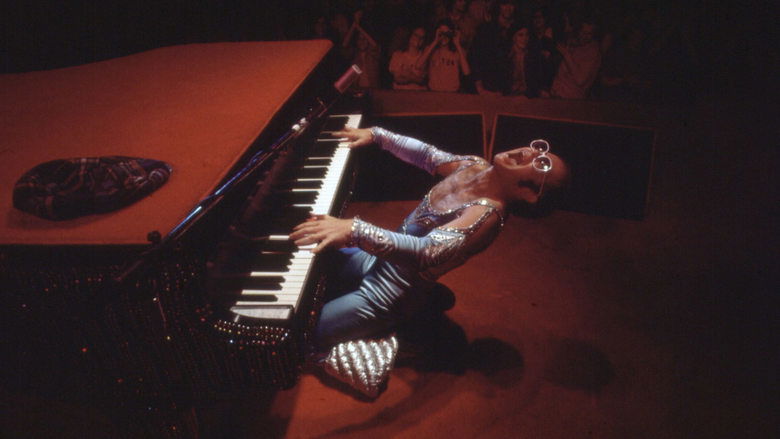
Sir Elton John looks back on his life and the astonishing early days of his 50-year career in this emotionally charged, full-circle journey. As he prepares for his final concert in North America at Dodger Stadium, Elton takes us back in time and recounts his struggles with adversity, abuse, and addiction, and how he overcame them to become the icon he is today.
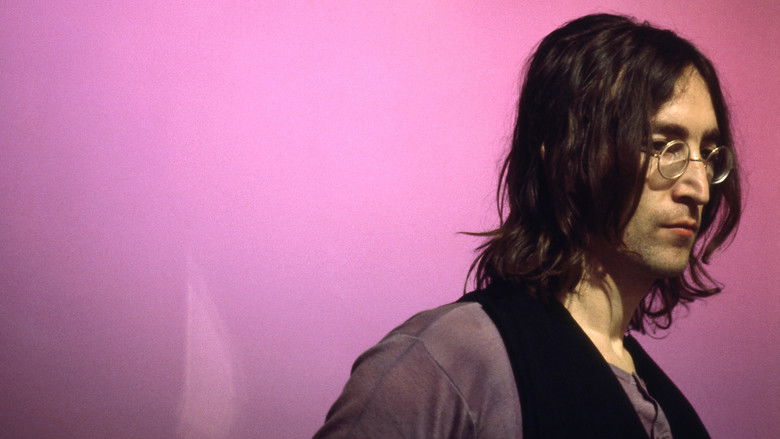
The biography of former Beatle, John Lennon—narrated by Lennon himself—with extensive material from Yoko Ono's personal collection, previously unseen footage from Lennon's private archives, and interviews with David Bowie, his first wife Cynthia, second wife Yoko Ono and sons Julian and Sean.