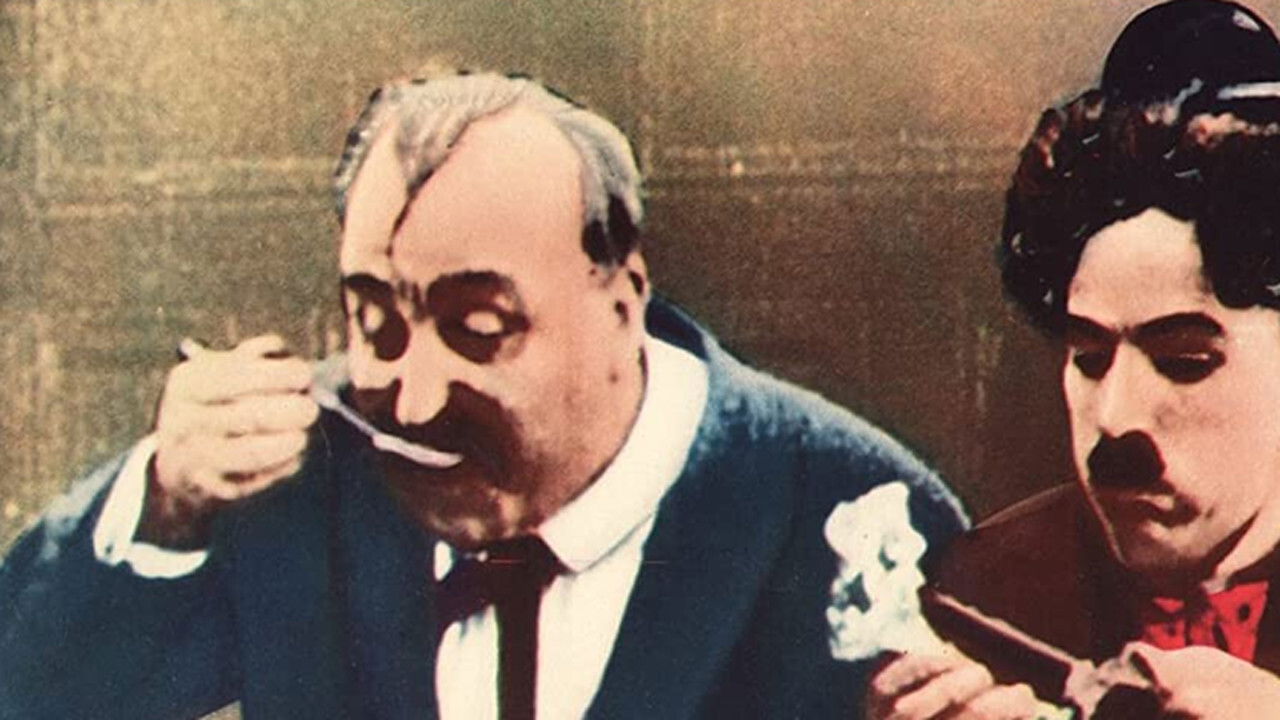
Yesterday and Today (1953)
A compilation of early-day silent films that serves as a glimpse back to the formative days of the movie industry as a salute to Hollywood's Golden Year, so proclaimed by the Hollywood Chamber of Commerce as 1953.
A compilation of early-day silent films that serves as a glimpse back to the formative days of the movie industry as a salute to Hollywood's Golden Year, so proclaimed by the Hollywood Chamber of Commerce as 1953.
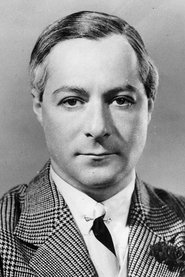 George JesselNarrator (voice)
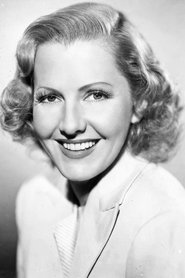 Jean Arthur(archive footage)
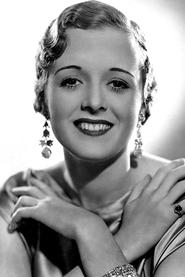 Mary Astor(archive footage)
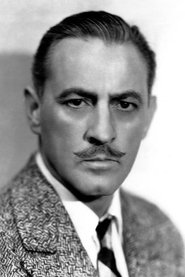 John Barrymore(archive footage)
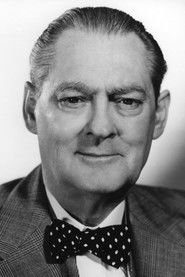 Lionel Barrymore(archive footage)
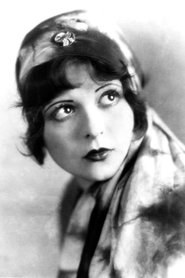 Clara Bow(archive footage)
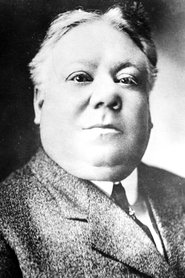 John Bunny(archive footage)
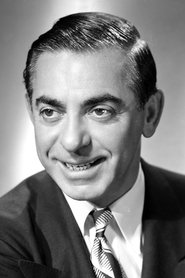 Eddie Cantor(archive footage)
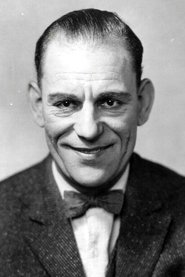 Lon Chaney(archive footage)
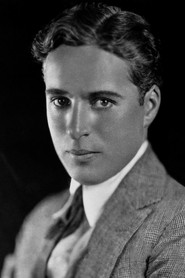 Charlie Chaplin(archive footage)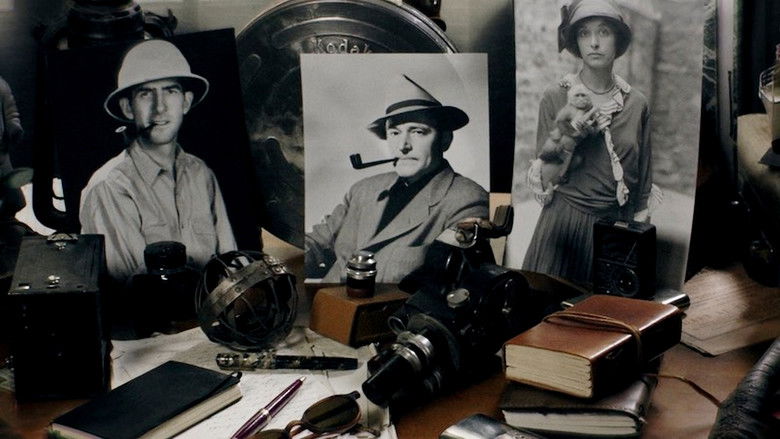
In 1933, Merian C. Cooper and Ernest B. Schoedsack, two audacious and visionary directors, dared to create a motion picture that eclipsed everything seen until then: when King Kong was released, it was celebrated as an artistic and technical revolution and became the first myth created by the young cinematic art.
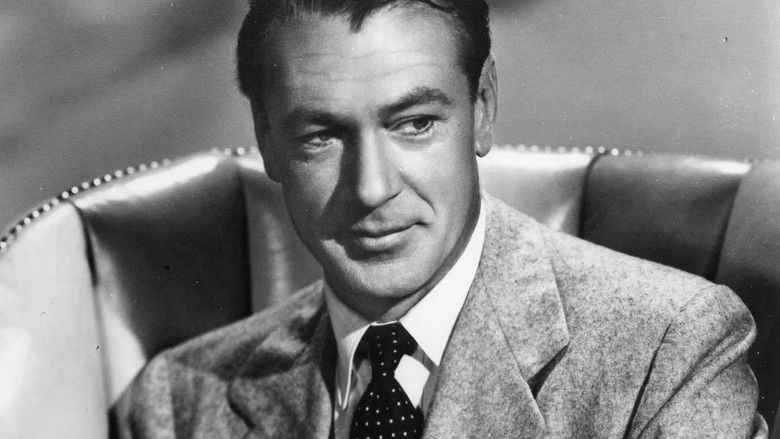
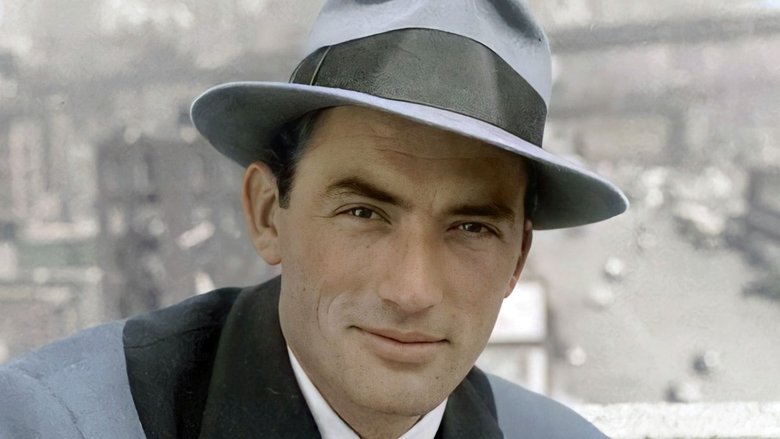
A legend of the Hollywood Golden Age, Gregory Peck (1916-2003) had an exemplary career, working under some of the greatest directors: Alfred Hitchcock, Elia Kazan, Raoul Walsh, Vincente Minnelli... Portrait of an actor with irresistible charm and strong political commitments.

The definitive documentary on the history of nudity in feature films from the early silent days to the present, studying the changes in morality that led to the use of nudity in films while emphasizing the political, sociological and artistic changes that shaped that history. Skin will also study the gender inequality in presenting nude images in motion pictures and will follow the revolution that has created nude gender equality in feature films today.
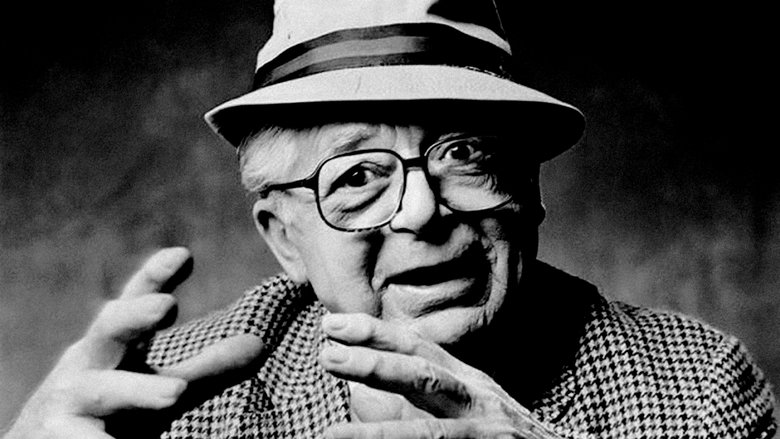
In 1988, German filmmaker Volker Schlöndorff sat down with legendary director Billy Wilder (1906-2002) at his office in Beverly Hills, California, and turned on his camera for a series of filmed interviews. (A recut of the 1992 TV miniseries Billy, How Did You Do It?)
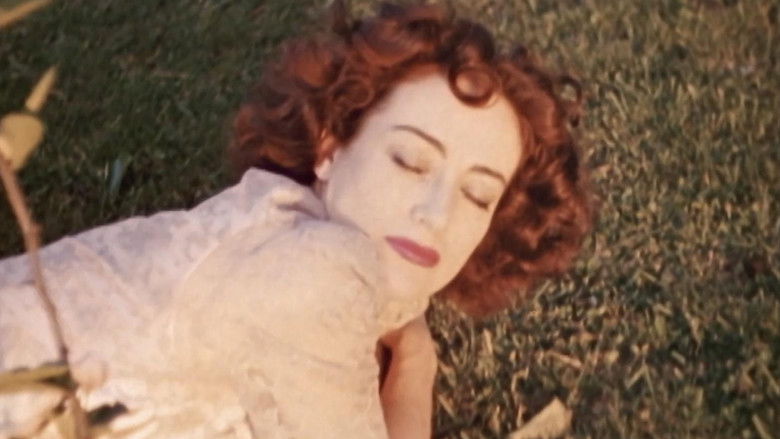
The private Joan Crawford fought as hard to create a normal family life as she did to establish her career. She forged her own path and to that end became a single parent, eventually adopting and raising four children. Like many parents, she picked up a 16mm camera and began filming both the special and the ordinary events of her family’s life. These home movies (ca. 1940–42) present that which one rarely gets to see: a larger-than-life personality at home, unadorned, just being herself—and often in color, at a time when her feature films were black and white. Crawford filmed most of the home movies herself; when she is on camera, it is unclear who is behind it.
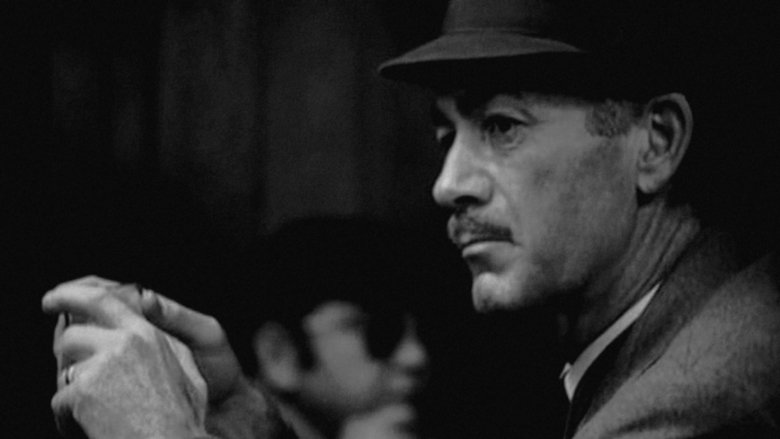
The Spanish Civil War (1936-1939) caused a great impression on the lives of most of the American artists of that era, so many movies were made in Hollywood about it. The final defeat of the Spanish Republic left an open wound in the hearts of those who sympathized with its cause. The eventful life of screenwriter Alvah Bessie (1904-1985), one of the Hollywood Ten, serves to analyze this sadness, the tragedy of Spain and its consequences.
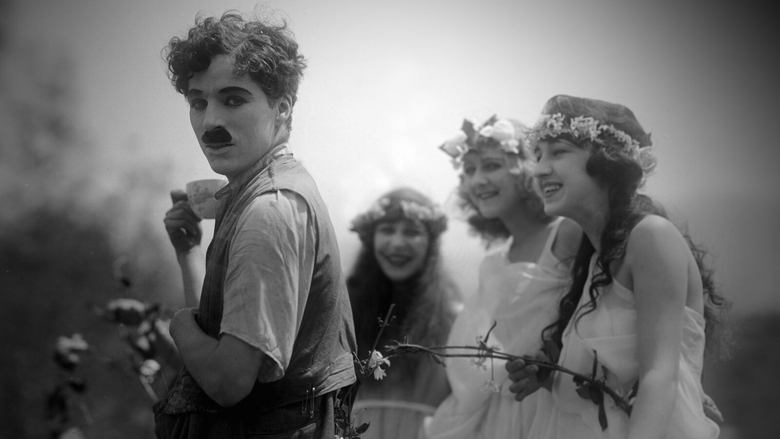
The whole world knows him. Burlesque comedy genius, popular actor, author, director, producer, composer, choreographer, Charlie Chaplin (1889-1977) used his talent to serve an ideal of justice and freedom. But his best scenario was his own destiny, a story written into the political and artistic history of the 20th century.
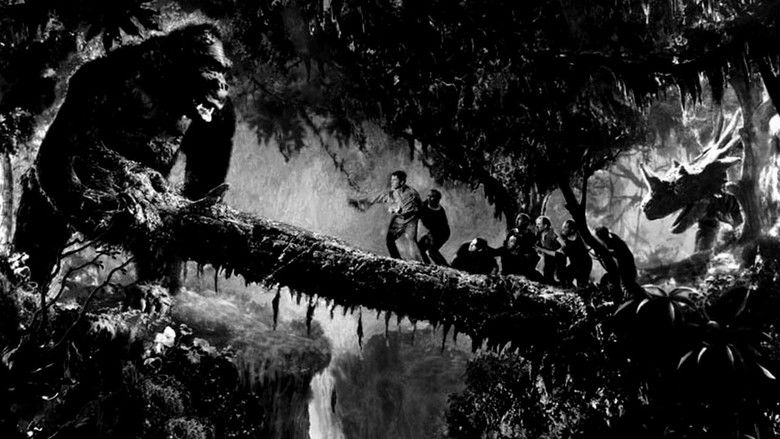
The astonishing story of the genesis, production, worldwide success, and legacy of King Kong (1933), directed by Merian C. Cooper and Ernest B. Schoedsack, a landmark of cinema, one of the most influential motion pictures in history.
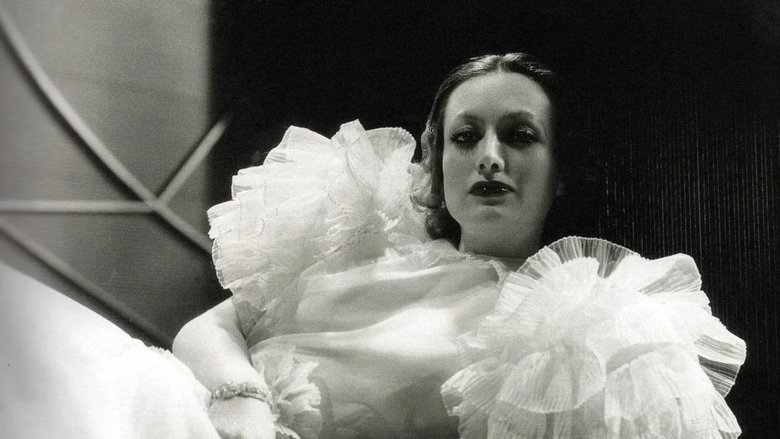
This short promotes the premise that movies often create a demand for the fashions seen in them. It starts with a vignette in rural America. A mother and daughter go to town to buy a new dress. In the dress shop window is a designer dress worn by Joan Crawford in a recent movie. We then go to Hollywood and visit Adrian, MGM's chief of costume design, and see how multiple copies of a single clothing pattern are produced. The film ends with short segments of several MGM features.
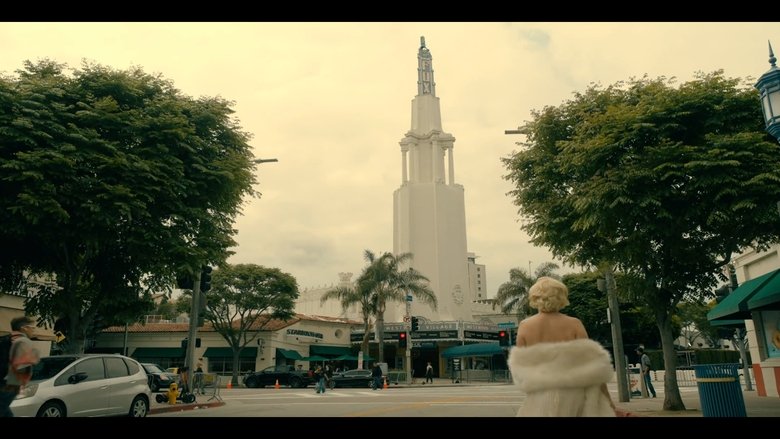
The Californian sun, which lights up the city, lights up again every evening in cinemas all over the world". Guided by these words from Blaise Cendrars, L.A. L.A. END is a stroll through Los Angeles, among the remnants of Hollywood's Golden Age. Following in the footsteps of a Marilyn Monroe lookalike, we meet a gallery of characters who paint a sensitive portrait of a bygone era that gradually becomes a portrait of a woman.

Comedian Lloyd Hamilton escorts a group of beauty contest winners to various Hollywood night spots.
A promotional short to hype the production of A Midsummer Night's Dream (1935).
A documentary looking at the sex revolution movement that highlights famous modern day Playmates. Pin-up gals, of the 1960's era to modern day, ironically revealed as never before. Behind the glare of the camera, success develops into family controversy as conflict abounds.
Photographer and make-up artist François Nars reveals his visually stunning inner world in this feature-length documentary by filmmaker Lisa Immordino Vreeland. Mr. Nars takes us on a tour of the fashions, designers and models of '70s Paris, the underground of '90s New York, and the timeless world of cinema, filled with actors, actresses, and directors who have shaped his visual aesthetics.
The life of Frank Sinatra, as an actor and singer and the steps along the way that led him to become such an icon.
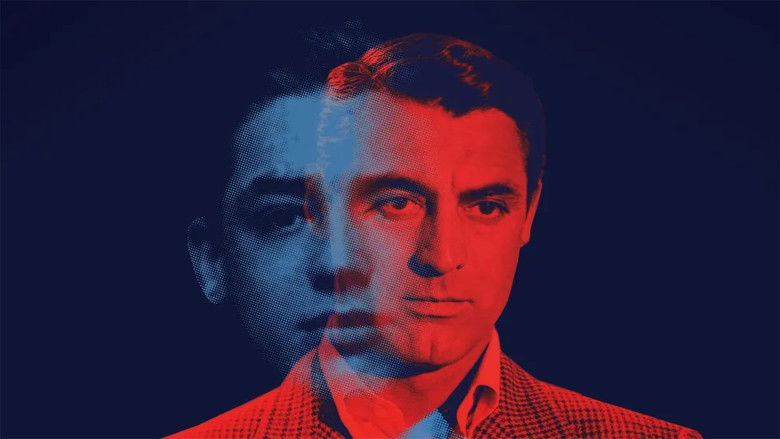
For the first time one of Hollywood's greatest stars tells his own story, in his own words. From a childhood of poverty to global fame, Cary Grant, the ultimate self-made star, explores his own screen image and what it took to create it.
Martin Scorsese is among those paying tribute to Gene Tierney, the Academy Award-nominated American actress who was a leading lady in Hollywood throughout the 1940s and '50s.
Part of a 7-part series exploring all aspects of Hollywood.