Haulout (2024)
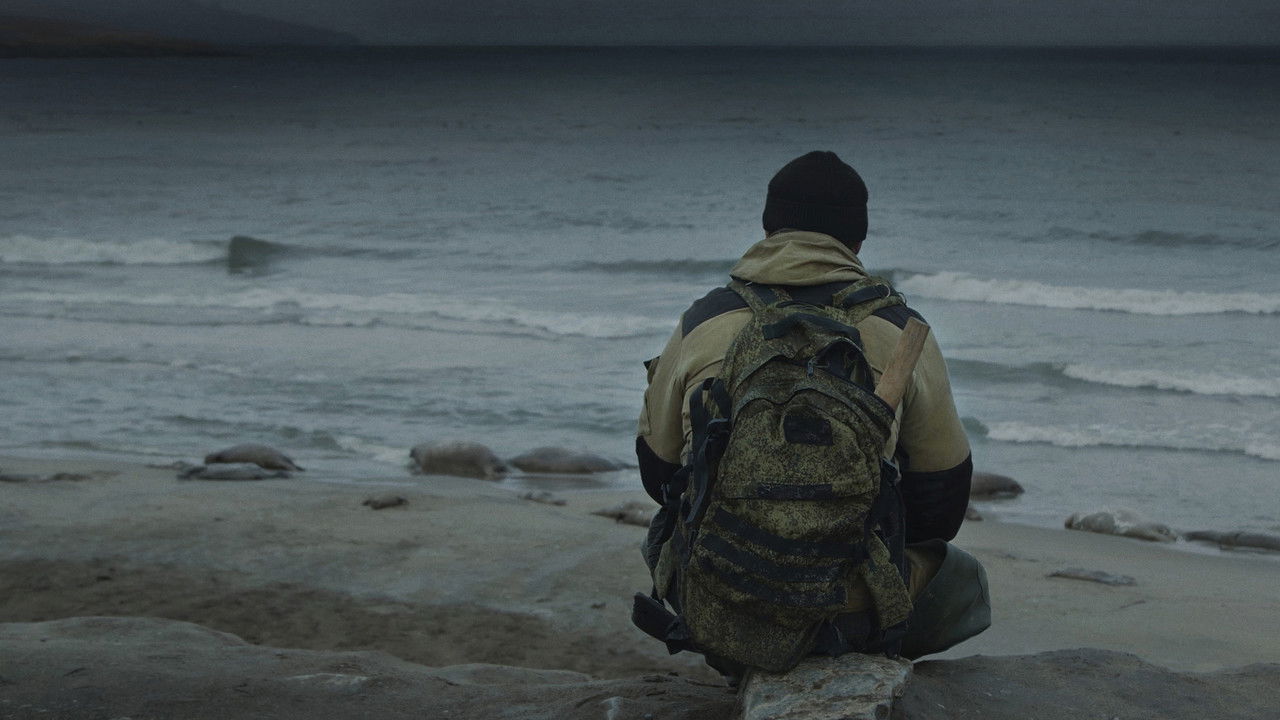
On a remote coast of the Russian Arctic in a wind-battered hut, a lonely man waits to witness an ancient gathering. But warming seas and rising temperatures bring an unexpected change, and he soon finds himself overwhelmed.
On a remote coast of the Russian Arctic in a wind-battered hut, a lonely man waits to witness an ancient gathering. But warming seas and rising temperatures bring an unexpected change, and he soon finds himself overwhelmed.
 Maxim ChakilevSelf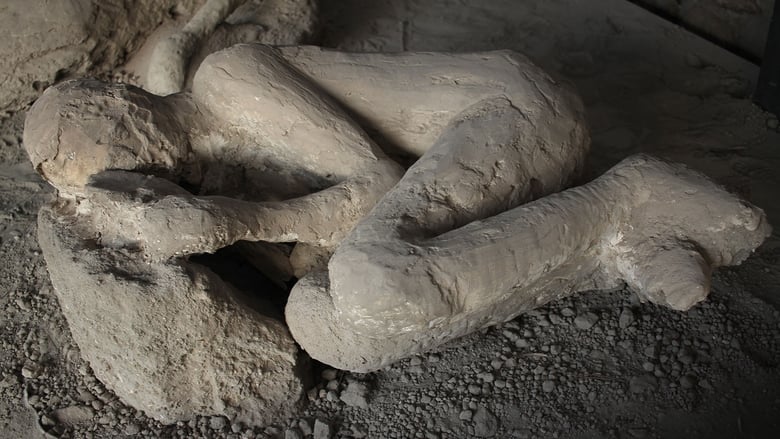
Forensic experts scan Pompeii’s victims to investigate why they didn’t escape the eruption.
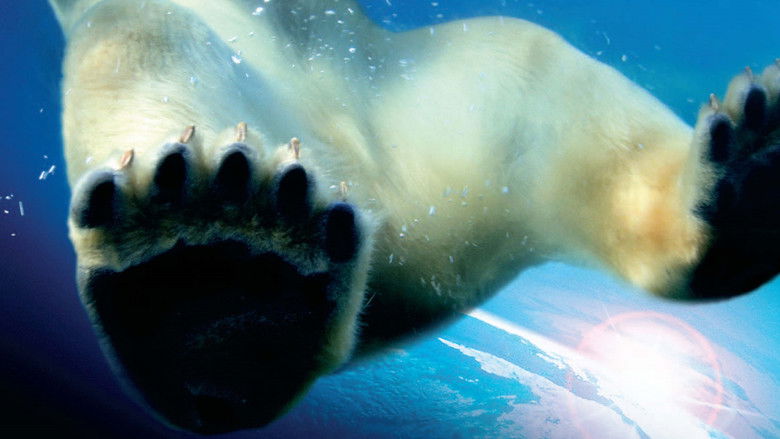
An epic story of adventure, starring some of the most magnificent and courageous creatures alive, awaits you in EARTH. Disneynature brings you a remarkable story of three animal families on a journey across our planet – polar bears, elephants and humpback whales.
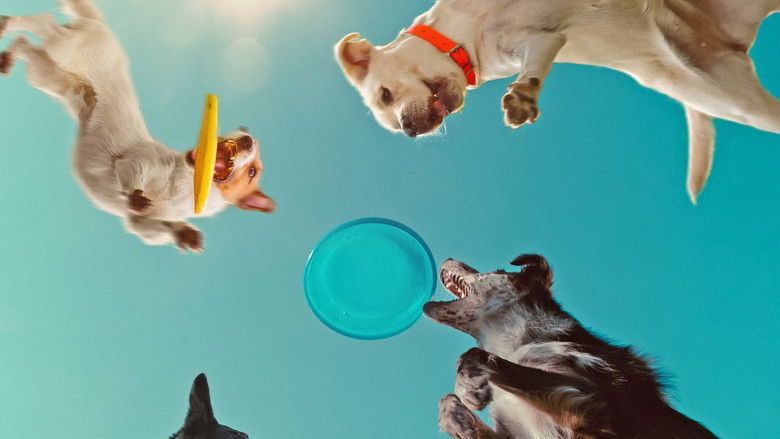
Embark on a delightful journey into the world of dogs in this documentary that reveals scientific and emotional insights about our lovable BFFs.
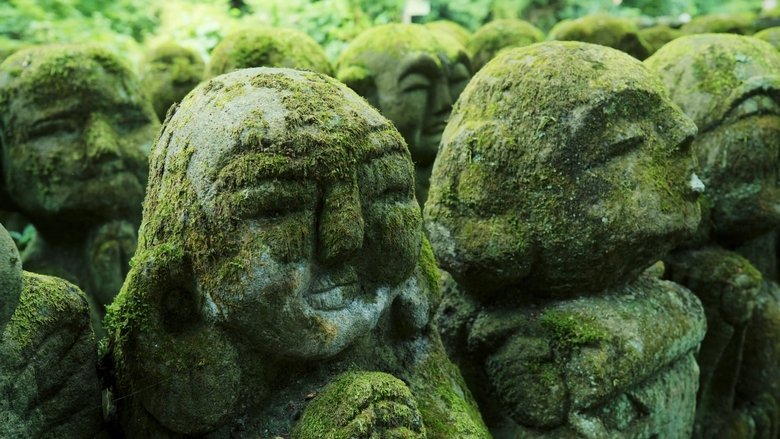
They have no roots, no seeds, no flowers, but mosses show immense survival capacities and can suspend their biological activity for long periods. Today, researchers are exploring the exceptional resistance of these archaic organisms. British ecologists have even resurrected a "zombie" moss that has been trapped in the permafrost for 1,500 years. Associated with decay and disliked in Europe, mosses are deified in Japan. With 25,000 species worldwide, bryophytes - their scientific name - are the seat of real ecosystems, and can develop in inhospitable landscapes, through an extravagant reproduction cycle.
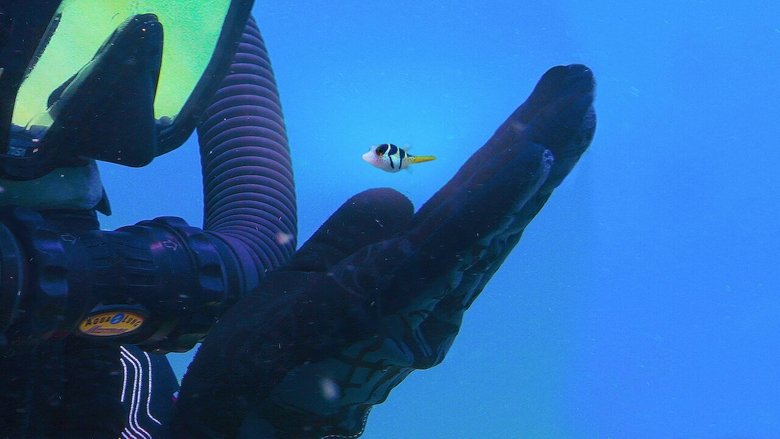
A baby pufferfish travels through a wondrous microworld full of fantastical creatures as he searches for a home on the Great Barrier Reef.
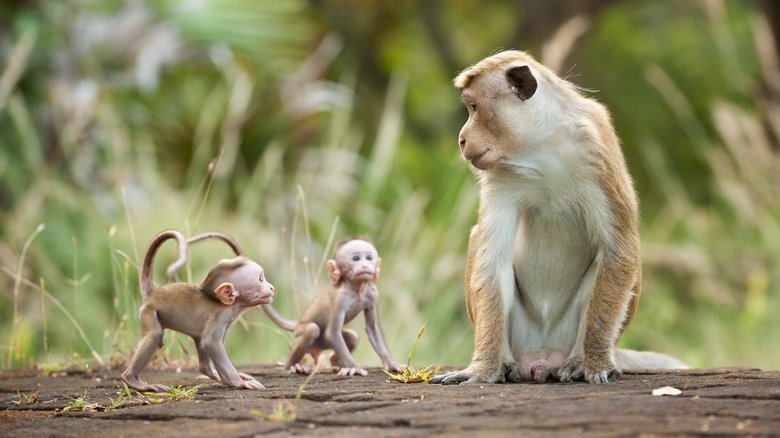
A newborn monkey and its mother struggle to survive within the competitive social hierarchy of the Temple Troop, a dynamic group of monkeys who live in ancient ruins found deep in the storied jungles of South Asia.
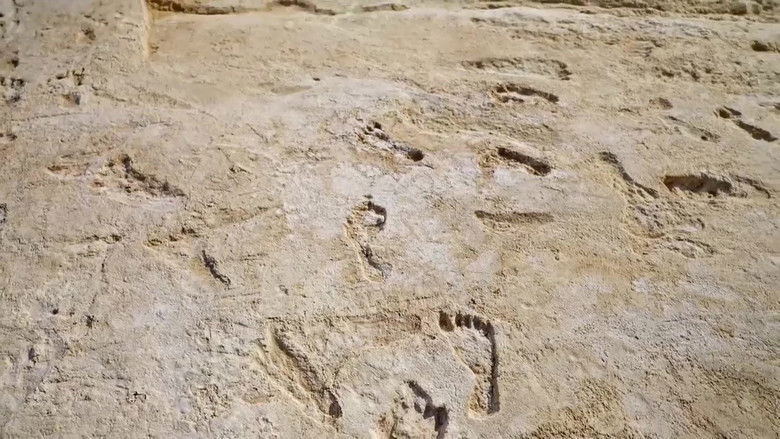
From the far north of Canada to the southern tip of Chile, through the southern United States, central Mexico and the Brazilian Mato Grosso, new concordant but still controversial archaeological discoveries have brought a new paradigm to the archaeology of American prehistory: the appearance of the first humans on the continent could date back to nearly 30,000 years before our era, that is to say, about 15,000 years earlier than the commonly accepted and taught thesis. Although there were a few mavericks in the past who disputed the scenario according to which the first ancestors of Americans arrived on foot through the Bering Strait 16,000 years ago, they were long kept out of the scientific community.
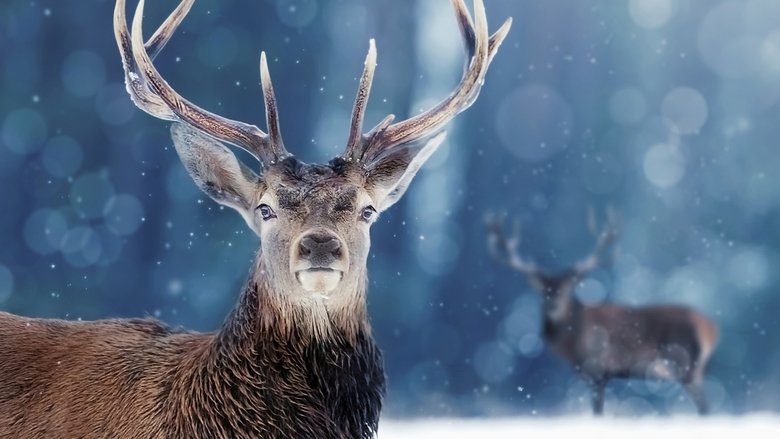
Liz Bonnin introduces a cast of charismatic animals to reveal the remarkable strategies they use to survive, and even thrive, through the winter.
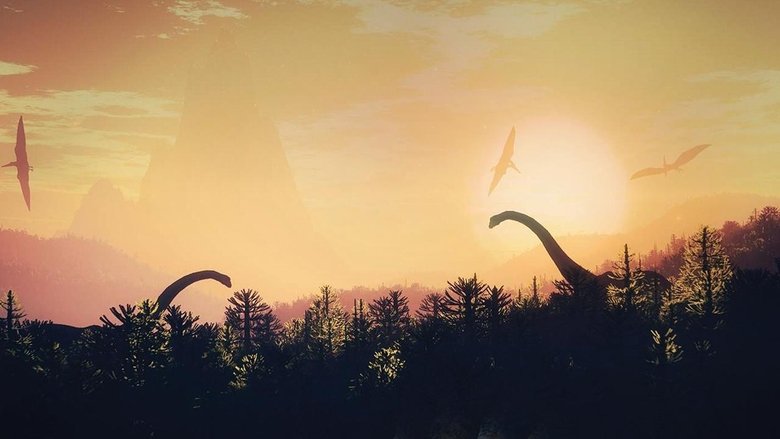
Five times, Earth has faced apocalyptic events that swept nearly all life from the face of the planet. What did these prehistoric creatures look like? What catastrophes caused their disappearance? And how did our distant ancestors survive and give rise to the world we know today?
Shot in Southern England over the course of six weeks by a crew of three American filmmakers, CircleSpeak offers a nuanced look at the passions and beliefs of the people immersed in the crop circle phenomenon during the season of 2001. This feature-length documentary presents interviews with serious “researchers”, self-proclaimed “hoaxers”, local farmers and villagers who are all, in one way or another, involved in this strange and compelling summer spectacle taking place year after year.
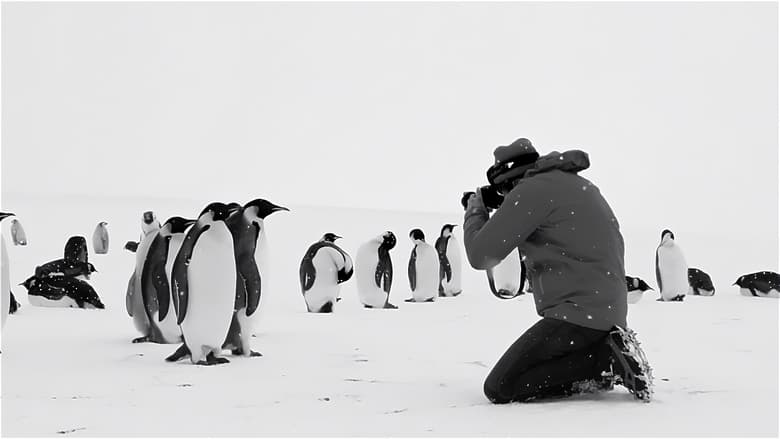
The few thousand kilometers that separate Patagonia from the South Pole are a fascinating and hypnotic journey for explorers. Some even speak of an addiction, 'the Antarctic bite'. March of the Penguins (2005) director Luc Jacquet has been experiencing it for 30 years. His new film is a visually-striking adventure, offering us images beyond words, an ultimate tribute to a vanishing continent.
A fearless horse bonds two men to each other and to the traditions that define their community.
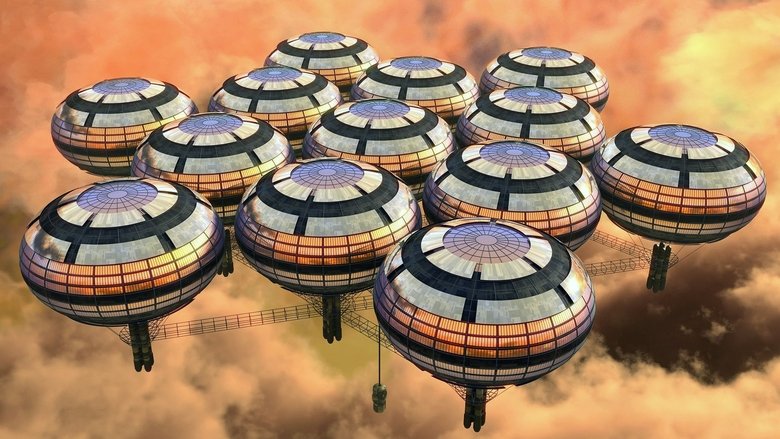
Billions of years ago, Venus may have harbored life-giving habitats similar to those on the early Earth. Today, Earth's twin is a planet knocked upside down and turned inside out. Its burned-out surface is a global fossil of volcanic destruction, shrouded in a dense, toxic atmosphere. Scientists are now unveiling daring new strategies to search for clues from a time when the planet was alive.
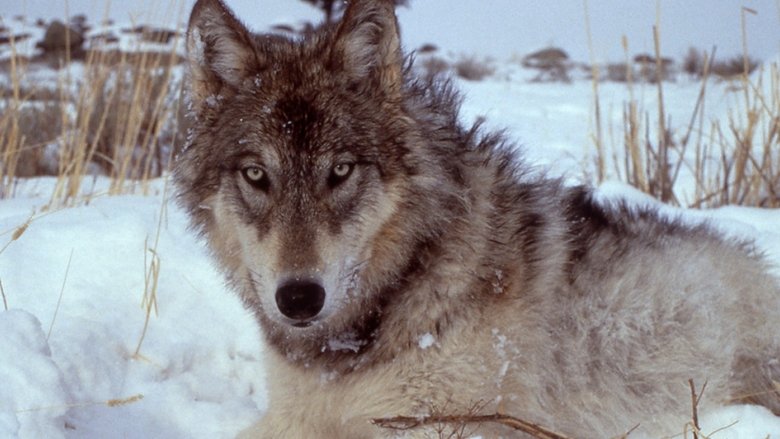
70 years after the last wolves roamed the national park, a total of 41 wolves were reintroduced between 1995 and 1997. A globally unique experiment that had many supporters, but also resolute opponents, then as now.
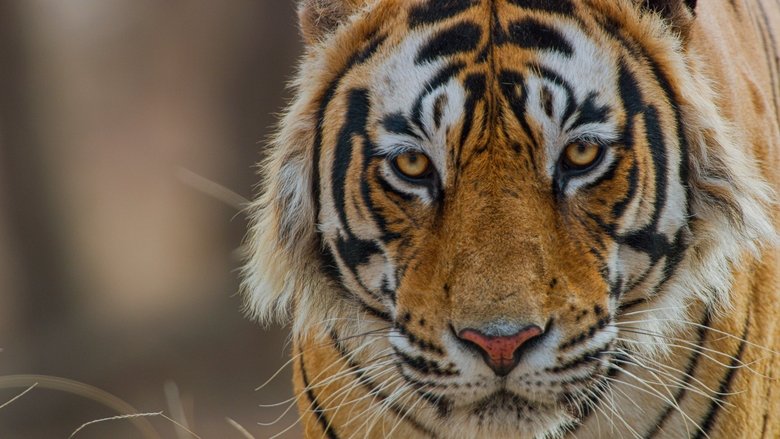
Journey alongside a young tigress raising her cubs in the fabled forests of India.
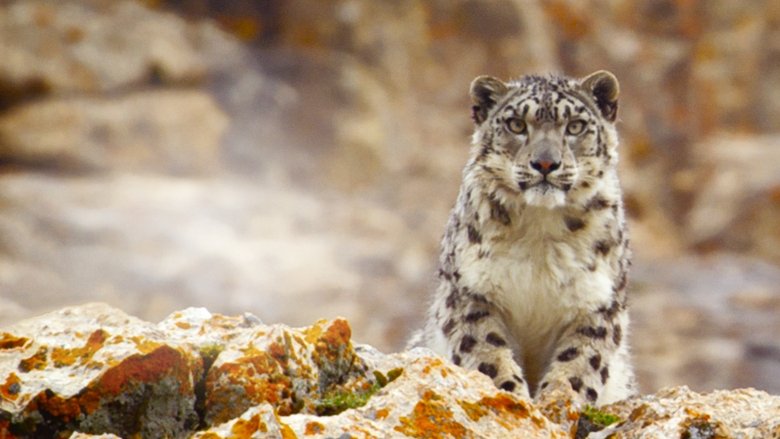
Disneynature's international team of filmmakers travel to the mountains of China to find and film the elusive snow leopard on the highest plateau on Earth, while enduring brutal weather and unsettled terrain.
Oliver is a chimpanzee who not only can walk upright, but does of his own accord. For years there have been debate's over Oliver's identity. All those who know Oliver swear that he is at least somewhat human. Is Oliver a chimpanzee and human hybrid, a well trained chimpanzee, or something altogether different?
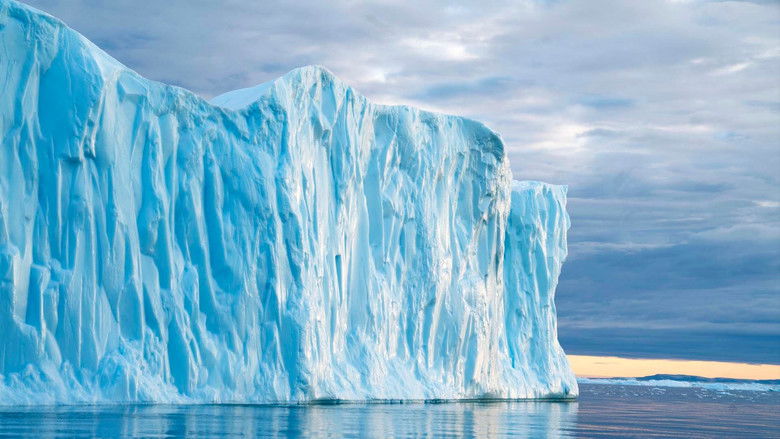
If the ice sheet covering Greenland melted, global sea levels would rise 21 feet, profoundly impacting our planet. How, why, and when could this happen? A few years ago, scientists found lost sediment from a secret sub-ice Cold War base in the Arctic from the 1960s that holds clues to a time when Greenland Ice Sheet was gone. The Memory of Darkness, Light, and Ice is an hour-long documentary about the discovery of this sediment and the critical implications of the science to our future. The finding that the ice sheet melted in the past completely transforms our understanding of the stability of the Greenland Ice Sheet.