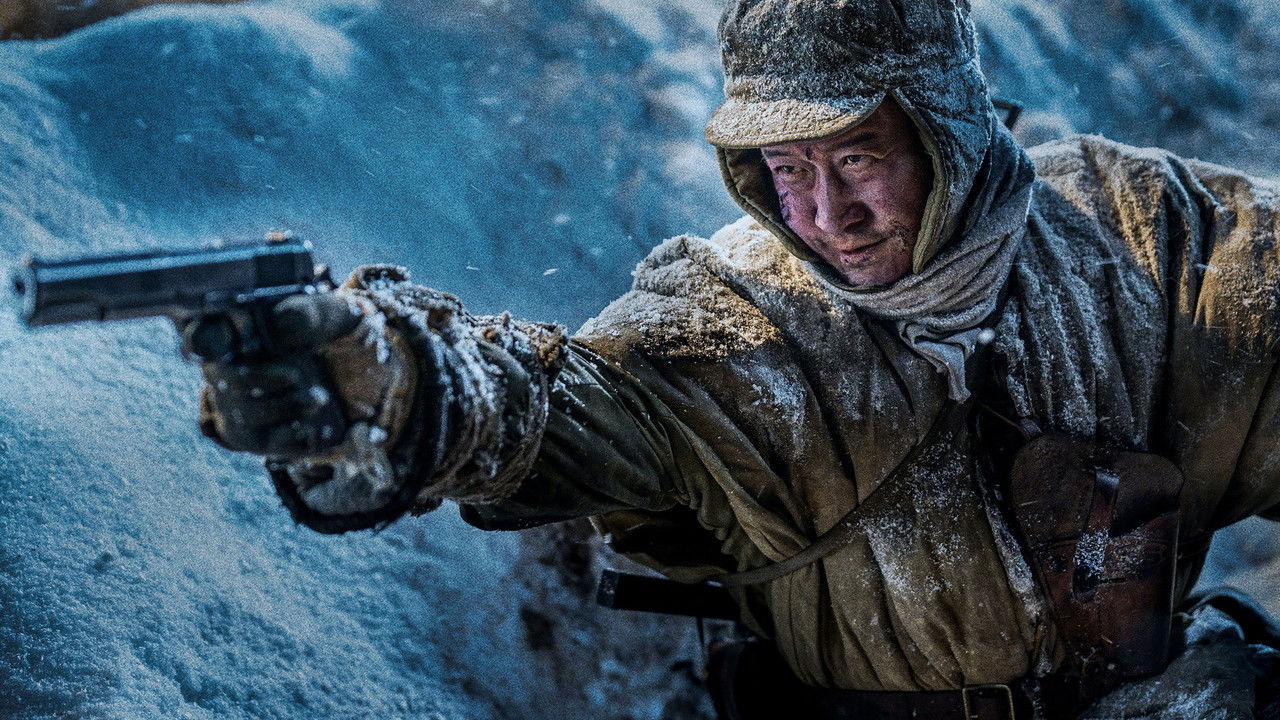
The Battle at Lake Changjin II: Water Gate Bridge (2022)
Commander Wu Qianli leads the 7th Infantry Company soldiers to Funchilin Pass where they are tasked to destroy a bridge to stop enemy troops from retreating.
Commander Wu Qianli leads the 7th Infantry Company soldiers to Funchilin Pass where they are tasked to destroy a bridge to stop enemy troops from retreating.
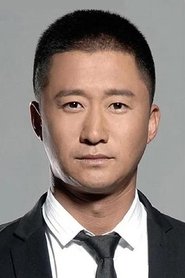 Wu JingWu Qianli / 伍千里
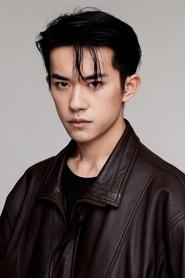 Jackson YeeWu Wanli / 伍万里
 Zhu YawenMei Sheng / 梅生
 Jerry LeeYu Congrong / 余从戎
 Elvis HanPing He / 平河
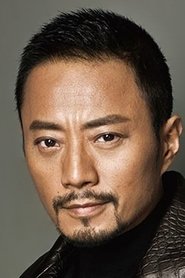 Zhang HanyuSong Shilun / 宋时轮
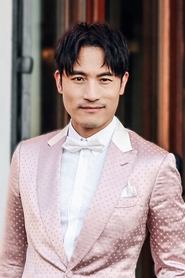 Geng LeBattalion commander Yang / 杨营长
 Du ChunBattalion commander Zhang / 张营长
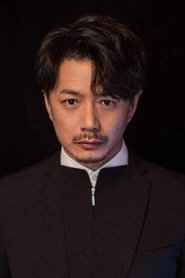 Duan YihongTan Ziwei / 谈子为
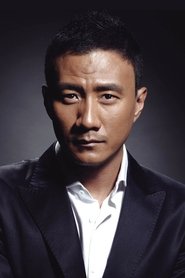 Hu JunLei Jusheng / 雷睢生
It is a dramatization about Major Kim Man-il's service during the Korean War. The Korean forces dispatch two military units to defend the Baeti Heights led by Kim. Although it is hard to do so, Kim and his senior, Kim Mu-cheol (Choe Bong), and other soldiers do their best. Kim even risks his life to save his juniors, but many die as the enemy forces approach. Meanwhile, Lee Kang-no (Yun Il-bong), a communications officer, reads a letter from his wife - missing her and his daughter. Encouraged by it, Lee risks his life to make successful communication between his military unit and the headquarters. His unit wins. Commander Kim Man-su gathers a small number of his subordinates because many had died, and encourages them to do their best toward the enemy off.
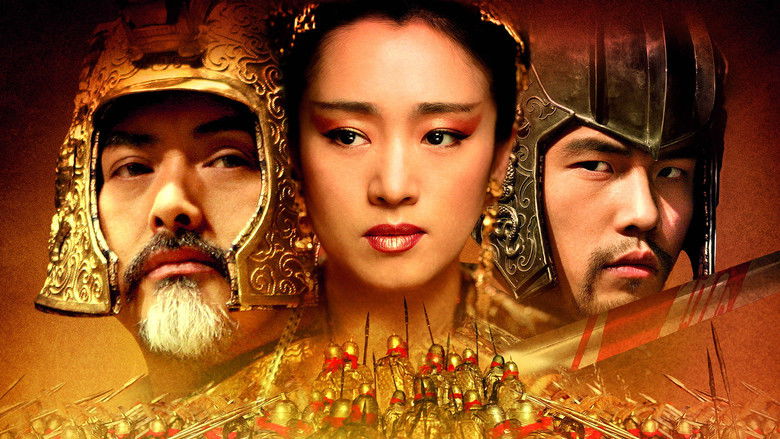
During China's Tang dynasty the emperor has taken the princess of a neighboring province as his wife. She has borne him two sons and raised his eldest. Now his control over his dominion is complete, including the royal family itself.
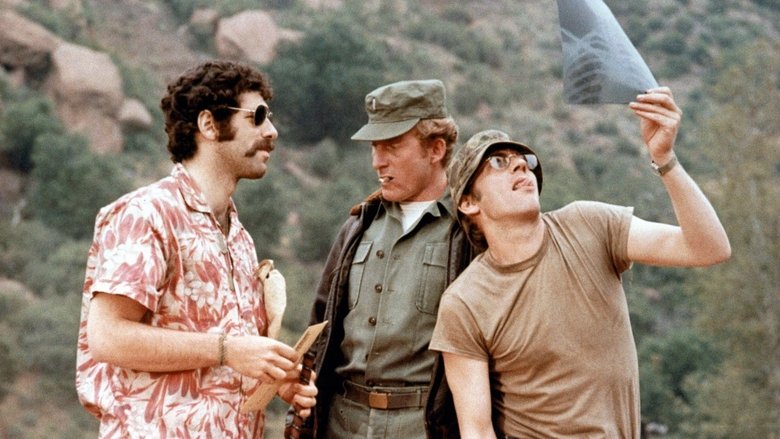
One of the world's most acclaimed comedies, M*A*S*H focuses on three Korean War Army surgeons brilliantly brought to life by Donald Sutherland, Tom Skerritt and Elliott Gould. Though highly skilled and deeply dedicated, they adopt a hilarious, lunatic lifestyle as an antidote to the tragedies of their Mobile Army Surgical Hospital, and in the process infuriate Army bureaucrats. Robert Duvall, Gary Burghoff and Sally Kellerman co-star as a sanctimonious Major, an other-worldly Corporal, and a self-righteous yet lusty nurse.
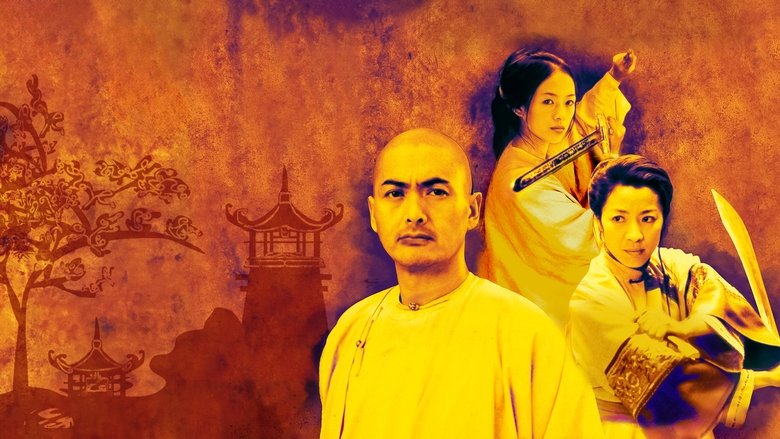
Two warriors in pursuit of a stolen sword and a notorious fugitive are led to an impetuous, physically-skilled, teenage nobleman's daughter, who is at a crossroads in her life.
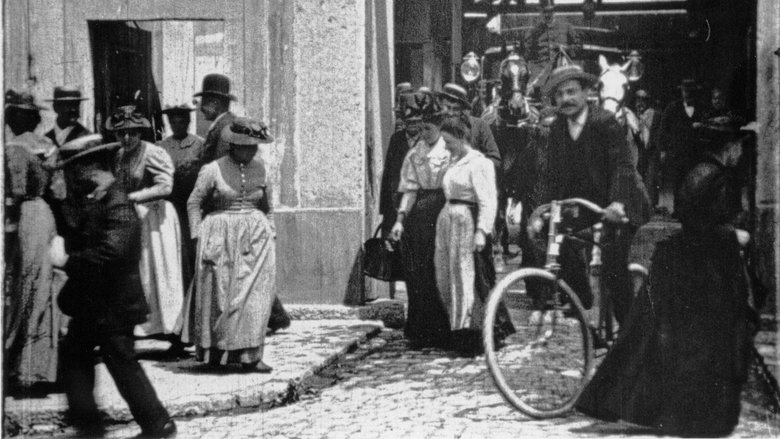
Working men and women leave through the main gate of the Lumière factory in Lyon, France. Filmed on 22 March 1895, it is often referred to as the first real motion picture ever made, although Louis Le Prince's 1888 Roundhay Garden Scene pre-dated it by seven years. Three separate versions of this film exist, which differ from one another in numerous ways. The first version features a carriage drawn by one horse, while in the second version the carriage is drawn by two horses, and there is no carriage at all in the third version. The clothing style is also different between the three versions, demonstrating the different seasons in which each was filmed. This film was made in the 35 mm format with an aspect ratio of 1.33:1, and at a speed of 16 frames per second. At that rate, the 17 meters of film length provided a duration of 46 seconds, holding a total of 800 frames.

Two North Korean soldiers are killed in the border area between North and South Korea, prompting an investigation by a neutral body. The sergeant is the shooter, but the lead investigator, a Swiss-Korean woman, receives differing accounts from the two sides.
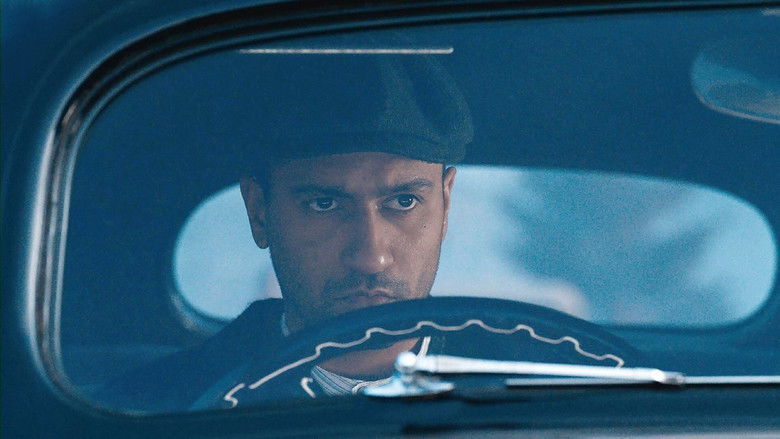
A young Sardar Udham Singh left deeply scarred by the Jallianwala Bagh massacre, escaped into the mountains of Afghanistan, reaching London in 1933-34. Carrying an unhealed wound for 21 years, the revolutionary assassinated Michael O’Dwyer on 13th March, 1940, the man at the helm of affairs in Punjab, April 1919 to avenge the lost lives of his beloved brethren.
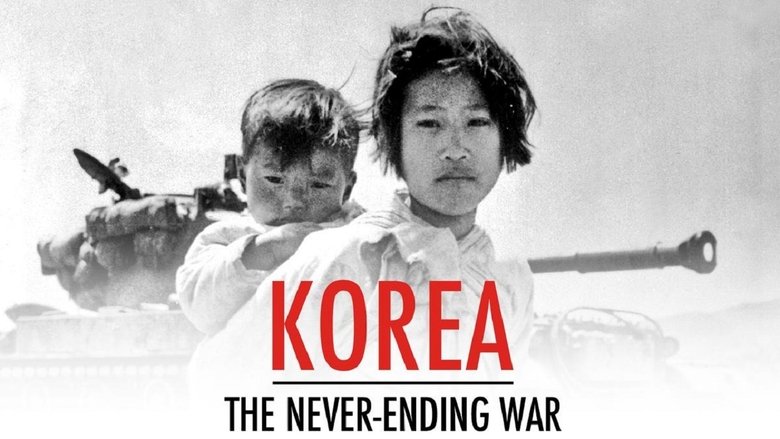
Shedding new light on a geopolitical hot spot, the film — written and produced by John Maggio and narrated by Korean-American actor John Cho — confronts the myth of the “Forgotten War,” documenting the post-1953 conflict and global consequences.
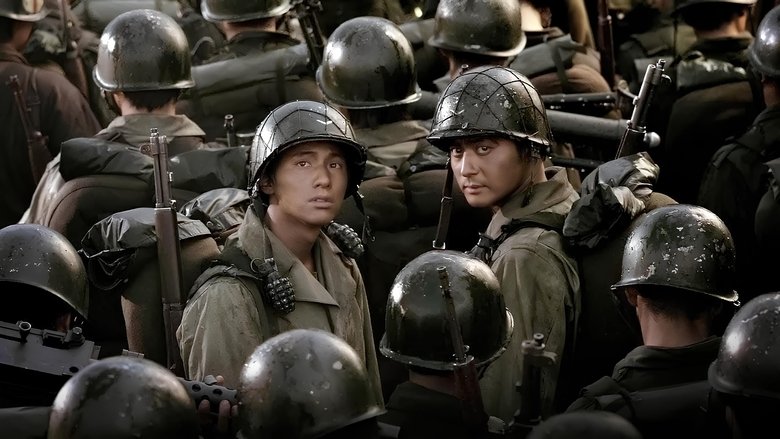
When two brothers are forced to fight in the Korean War, the elder decides to take the riskiest missions if it will help shield the younger from battle.
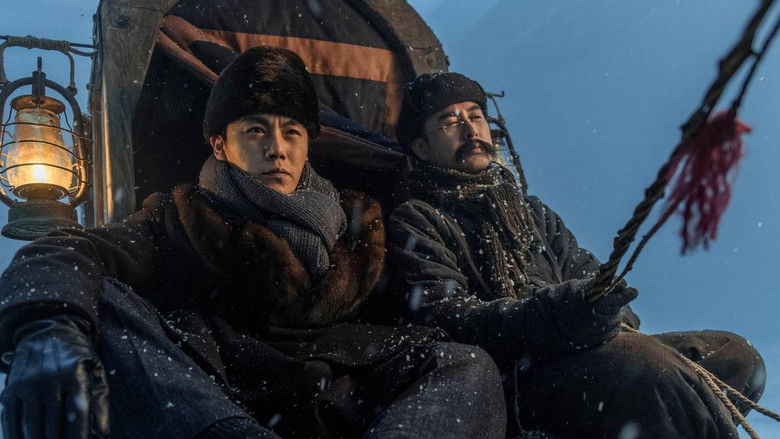
The story of Li Dazhao's revolutionary deeds from 1912 to 1927, and the story of the benevolent and revolutionary pioneers who were led by him to devote themselves to the great cause of Marxism
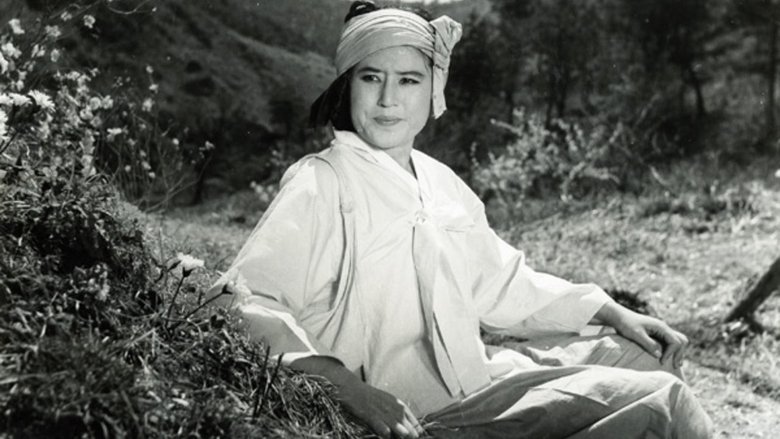
In the latter years of the Korean Empire, Lee In Hwa, disguises herself as a man so she can join a group of young men determined to overthrow the colonial government. They fight together with young national activists presided by Hwal Min and supported by Daewon-gun, the Prince Regent, against Min Gyeom Ho and his peers. But Min and his team perform a surprise attack on Hwal Min and his peers.
In this dynamic and dramatic short film, an African American veteran takes us on an extraordinary journey through his life. From a chance visit to the Pentagon, to growing up in a vibrant integrated neighborhood, his story is one of resilience and inspiration. Fueled by the determination to seize educational opportunities, he enlists just in time to experience the racial divisions of his era before Truman desegregates the military. Thrust into the brutality of the Korean War, the weight of combat becomes an indelible part of his soul. Returning home, he embarks on a new path as an architect and discovers unexpected connections in far-off Pakistan. As his family expands, his sons reflect on the man who raised them and the legacy he instilled. This film unearths the essence of the Black experience in the early 20th century, paints a vivid portrait of the Chosin Reservoir, and unravels the intricate tapestry of race, family, and personal growth.
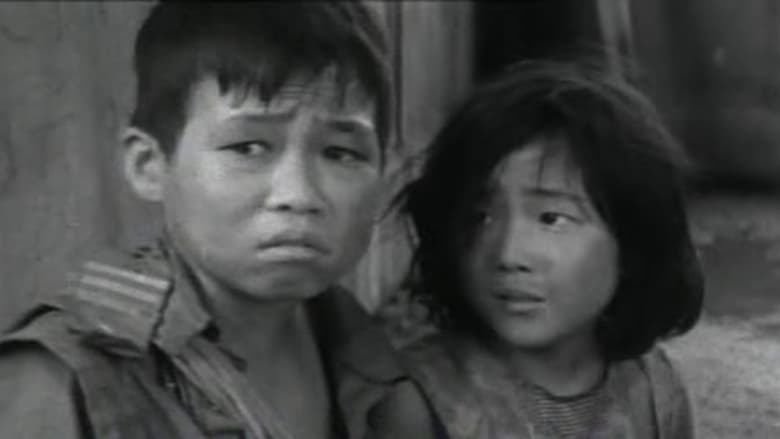
The film exposes the atrocities of war through the eyes of two children who are stranded in the DMZ after the end of the Korean War. The DMZ, strewn with abandoned tanks, dead bodies, land mines, and unexploded shells, is an exceedingly dangerous place for children. But what most endangers them in the end are not weapons but people.
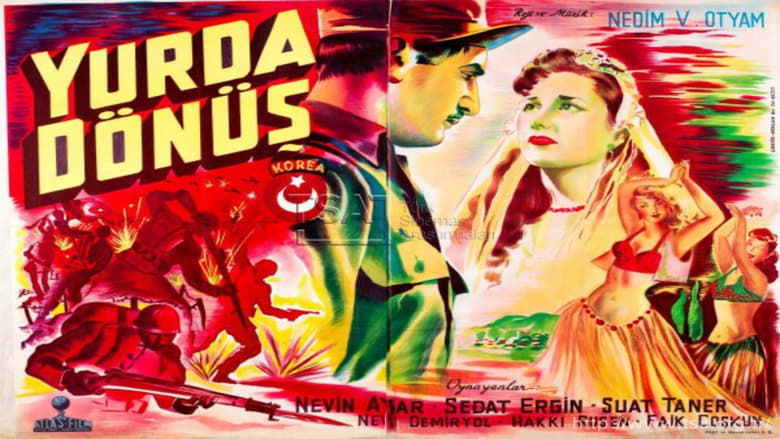
The film depicts a romance set against the backdrop of the Korean War.
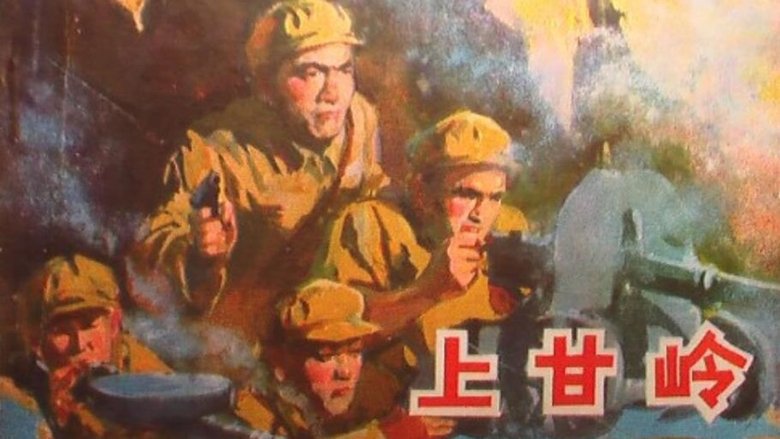
The film follows a group of Chinese People's Volunteer Army soldiers who are holding Triangle Hill for several days against US forces. Short of both food and water, they hold their ground until the relief troops arrive. The movie portray the battle as a Chinese victory over an American invasion, and the People's Volunteer Army soldiers were shown as Chinese war heroes."
Edmond Dantés's life and plans to marry the beautiful Mercedes are shattered when his best friend, Fernand, deceives him. After spending 13 miserable years in prison, Dantés escapes with the help of a fellow inmate and plots his revenge, cleverly insinuating himself into the French nobility.
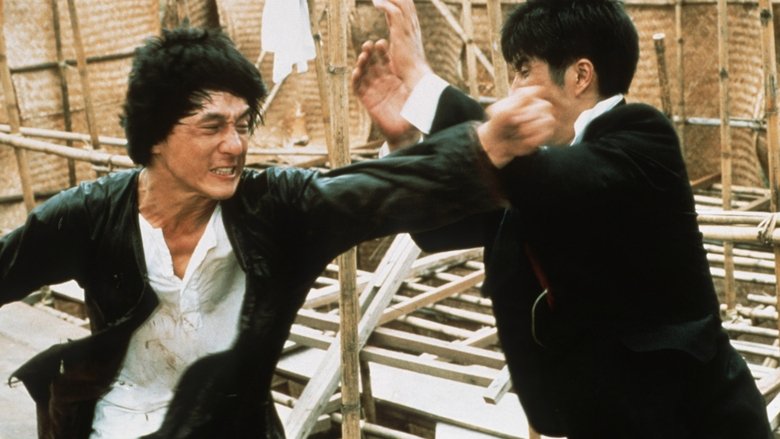
Dragon is now transferred to be the police head of Sai Wan district, and has to contend with a gangster kingpin, anti-Manchu revolutionaries, some runaway pirates, Manchu Loyalists and a corrupt police superintendent.
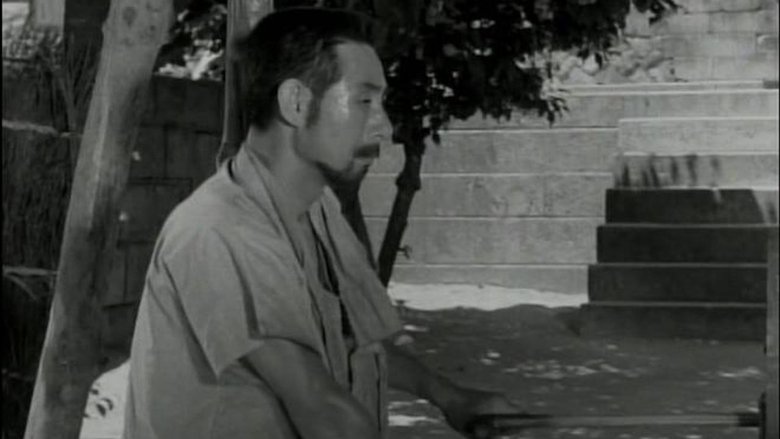
An elderly bell maker reminisces about his life filled with tragedy.
A man wanders around the mountains with a bleeding leg, holding a rifle in his hand. Seemingly a fugitive, he runs from as-yet unknown pursuers, but he also seems to be following somebody who has already walked the same path. As he hides in a secluded cave, past memories sweep through his exhausted mind, memories of lifelong cowardice and evasion. And this recollection leads to a reconstruction of early 20th century Korean history. Winner of Best Picture (Nam-a Pictures Co., Ltd.), Best Actor (Ha Myung-joong), Best Art Direction (Kim Yoo-joon), Best Lighting (Son Young-cheol) at the 14th Grand Bell Awards. (source: Jiro Hong, koreanfilm.org)
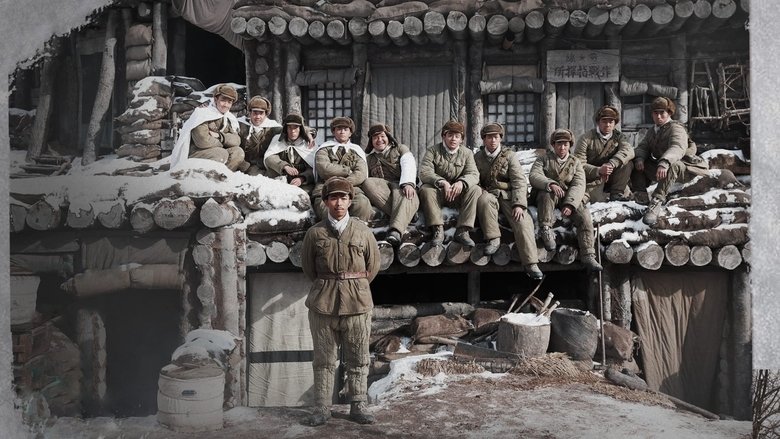
The story of sharpshooter Zhang Taofang, a young army recruit who at age 22 sets a record during the Korean War by reportedly killing or wounding 214 American soldiers with 435 shots in just 32 days.