
Roughing the uppers : the great shoe strike of 1937 (1992)
Examines the 1937 shoe strike in Lewiston and Auburn, Me. through interviews with surviving participants
Examines the 1937 shoe strike in Lewiston and Auburn, Me. through interviews with surviving participants
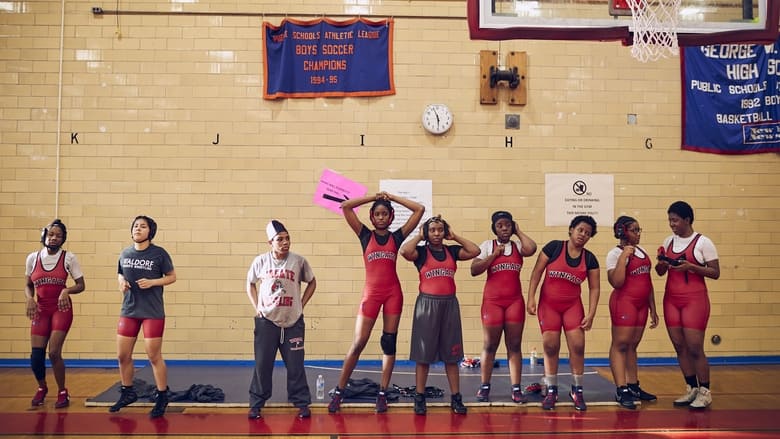
In this modern, coming of age documentary, Naomi, Jojo and Arham grapple with economic divides, gender roles, and family dynamics while competing in the fastest growing high school sport in the country: girl’s wrestling.
The offbeat, fairytale story of Wizard of Oz fanatic and obsessive pop culture collector Willard Carroll. From dining with Munchkins to owning the world’s largest private collection of Oz memorabilia, Willard is proof that one story can change the entire trajectory of your life.
Power Meri follows Papua New Guinea's first national women's rugby league team, the PNG Orchids, on their journey to the 2017 World Cup in Australia. These trailblazers must beat not only the sporting competition, but also intense sexism, a lack of funding, and national prejudice to reach their biggest stage yet.
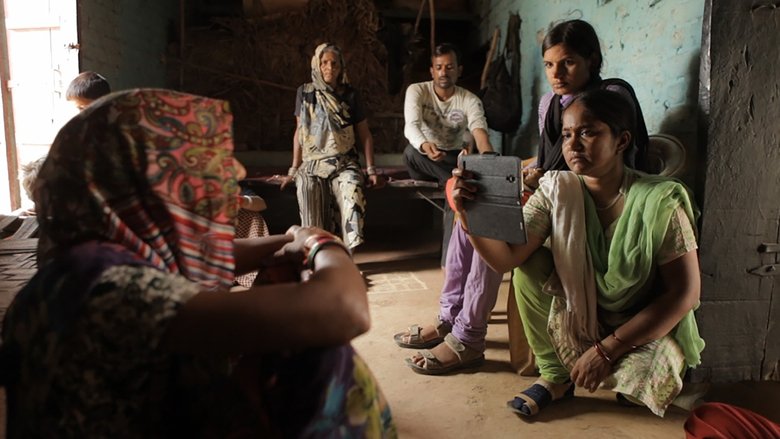
In a cluttered news landscape dominated by men, emerges India’s only newspaper run by Dalit women. Armed with smartphones, Chief Reporter Meera and her journalists break traditions on the frontlines of India’s biggest issues and within the confines of their own homes, redefining what it means to be powerful.

This one-of-a-kind comedy special showcases the comedian's riotous stand-up performance, exploring everything from the Disability experience to her Italian-Catholic upbringing to body image issues and more.

Over three pivotal years in party politics, activists in the safest Labour seat in the country campaign for change under the banner of Jeremy Corbyn's 'For The Many' manifesto.
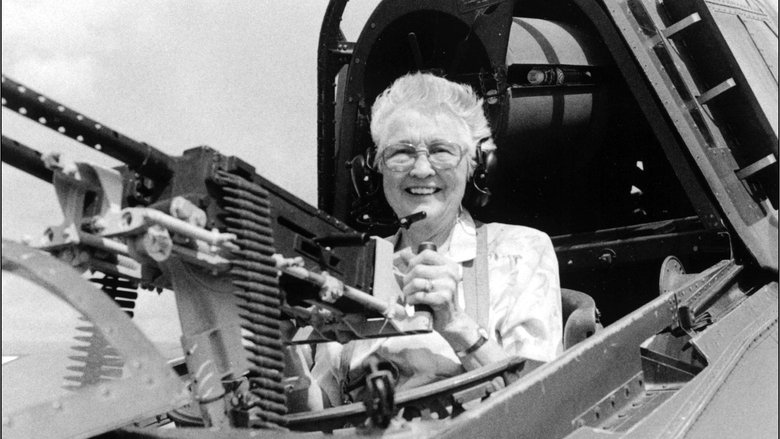
They raised children, baked cakes... and built world-class fighter planes. Sixty years ago, thousands of women from Thunder Bay and the Prairies donned trousers, packed lunch pails and took up rivet guns to participate in the greatest industrial war effort in Canadian history. Like many other factories across the country from 1939 to 1945, the shop floor at Fort William's Canadian Car and Foundry was transformed from an all-male workforce to one with forty percent female workers.
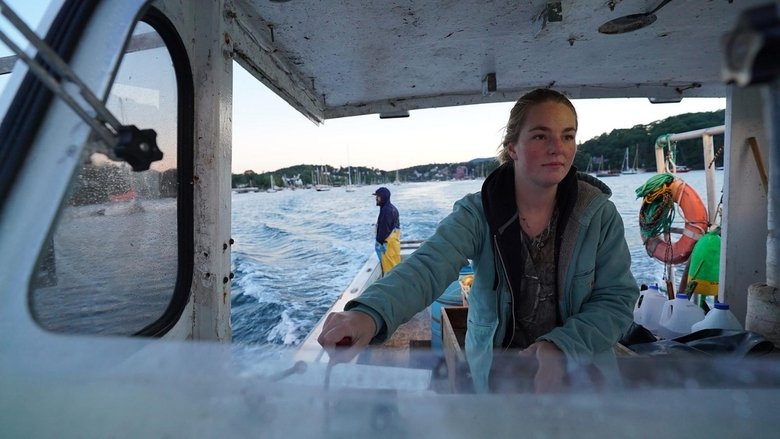
Of Maine’s more than 5000 commercial lobstermen only 4% are female. The Captain celebrates that fearless minority through the lens of Sadie Samuels. At 27 years old, she is the youngest and only female lobster boat captain in the Rockport, Maine harbor. Despite the long hours and manual labor of hauling traps, Samuels is in love — obsessed even — with what she calls the most beautiful, magical place on the planet. Her love for lobster fishing was imparted early in her childhood by her dad Matt, who has been her mentor and inspiration since she was a little girl in yellow fishing boots.
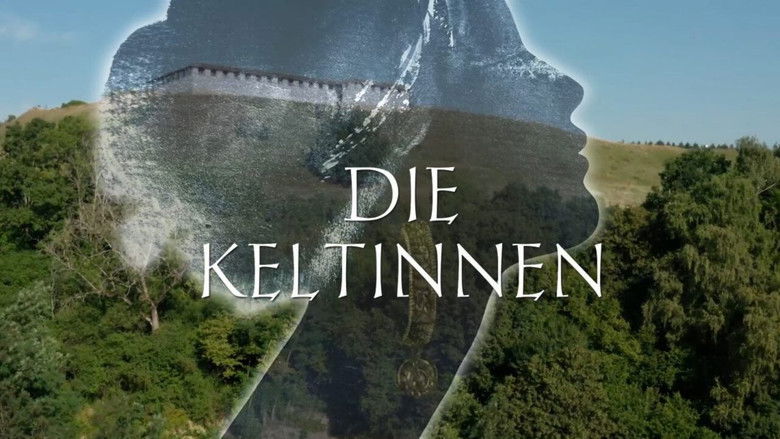
Recent archaeological discoveries in Germany have changed the way we look at Celtic society and the major role played by women.
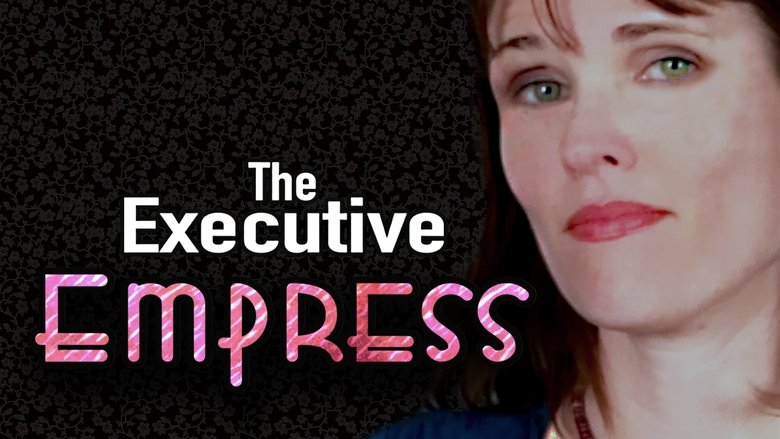
The Executive Empress explores the entrepreneurial lives of several Florida women, who have turned their unique passions into successful businesses.
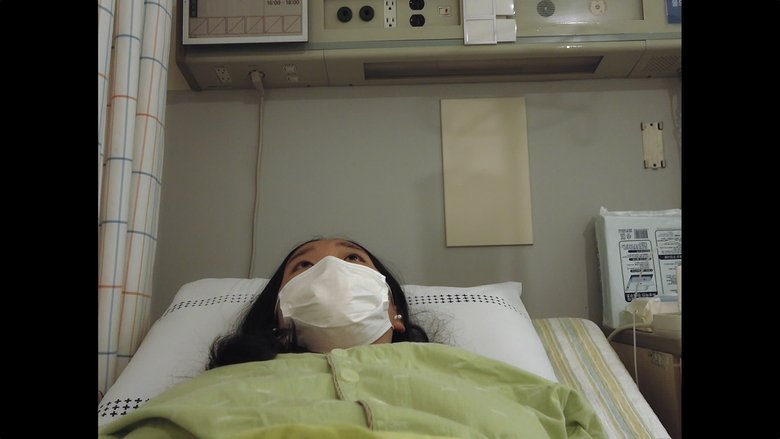
Huiju learned of her biopsy test results, but lied to her mum about them. Feeling guilty about the lie, she embarks on her journey to find cancer patients who have the same diagnosis as hers and learns about their experiences. After hearing their stories, she finds the courage to tell the truth to her mum.
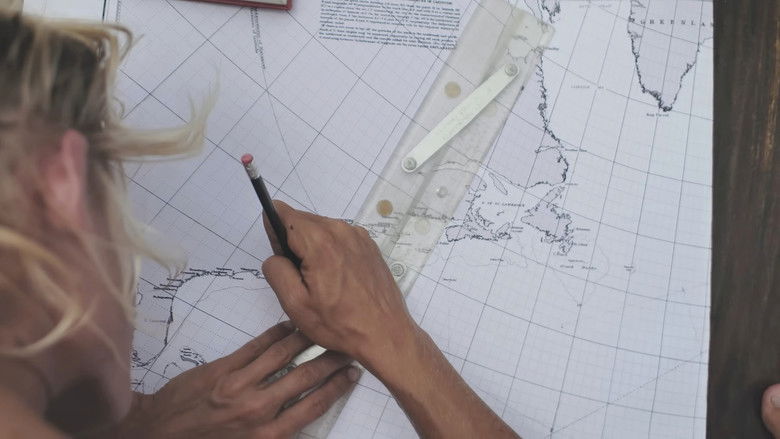
Shot over the course of 30 days at sea, filmmaker Alizé Jireh documents the group’s voyage across the North Atlantic—from moments of stillness and calm to the chaos of storms and setbacks. With an observational approach and an eye for the emotional and physical rhythms of life at sea, Jireh captures not just the external landscape, but the internal shifts that come with navigating the vast unknown.
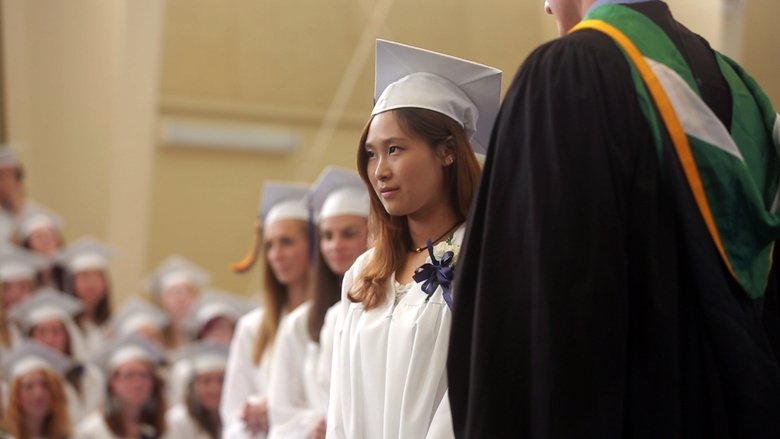
Chinese teenagers from the wealthy elite, with big American dreams, settle into a boarding school in small-town Maine. As their fuzzy visions of the American dream slowly gain more clarity, their relationship to home takes on a poignant new aspect.
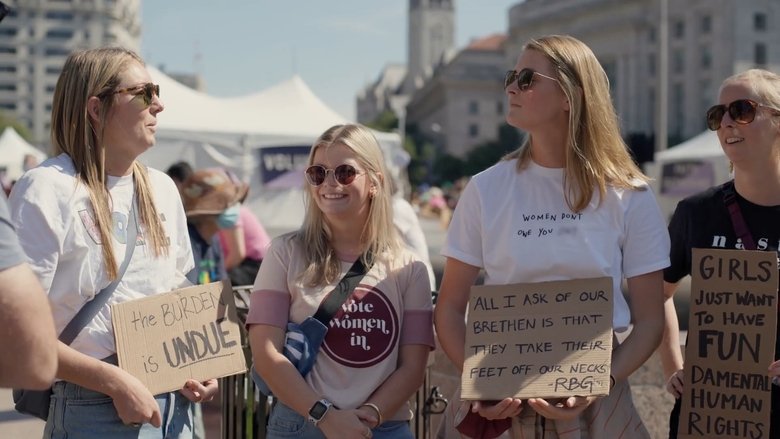
Matt Walsh's controversial doc challenges radical gender ideology through provocative interviews and humor.
Feisty, fiercely independent and firmly rooted in place, 90 year-old Mabel Robinson broke barriers back in the 40s when she became the first woman in Hubbards, Nova Scotia, to launch her own business—a hairdressing salon where she still provides shampoo-n-sets over 70 years later. Weaving animation and archival imagery with intimate and laugh out loud moments in the salon, the film celebrates the power of friendship, doing what you love and staying active. With no desire to retire anytime soon, Mabel gives voice to a generation who are not front and center of cinema or the pop hairstyles of the day, and subtly shifts the lens on our perception of beauty and the elderly.
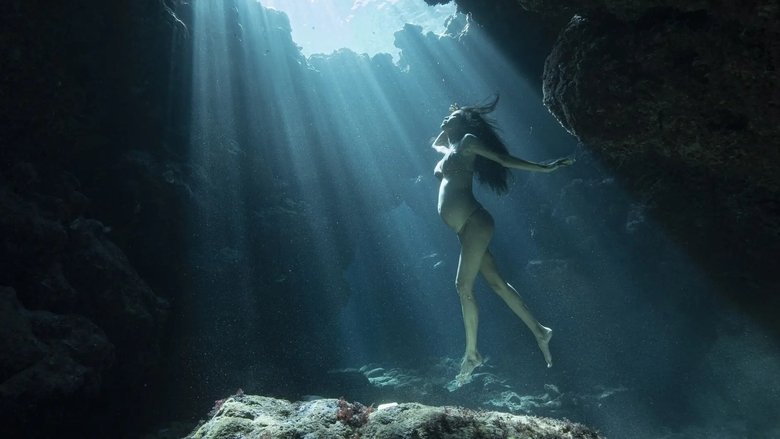
Pacific Mother journeys from Japan, to Hawaii, Tahiti, Rarotonga and Aotearoa to share interwoven stories of formidable women who live at one with the Pacific Ocean – freediving, spearfishing and paddling waka through its depths and playing with their children in its shallows – a stark contrast to fast-paced lifestyles of larger towns or cities. These women are all mothers who experienced diverse births in hospital, at home and by the sea, with and without medical assistance. Fukumoto also meets Māori and Japanese midwives who share indigenous traditions and rituals around birth that have been lost over recent generations, and are now gradually being reclaimed. Their stories demonstrate just how disconnected the global default maternity system is from the instinctive and cultural needs of mothers and families. They inspire a call to action on birthing rights, as well as a call for parents’ reconnection with their role as nurturers and protectors of their natural environment.
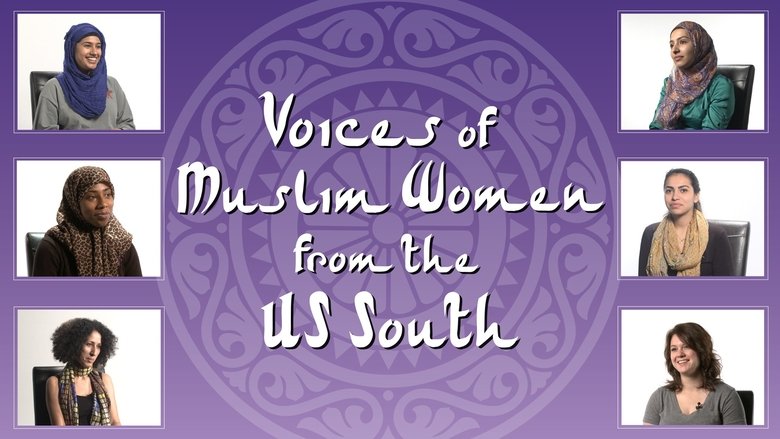
When one thinks of the American Deep South, the image of veiled Muslim students strolling the University of Alabama campus is the last thing that comes to mind. VOICES OF MUSLIM WOMEN FROM THE US SOUTH is a documentary that explores the Muslim culture through the lens of five University of Alabama Muslim students. The film tackles how Muslim women carve a space for self-expression in the Deep South and how they negotiate their identities in a predominantly Christian society that often has unflattering views about Islam and Muslims. Through interviews with students and faculty at Alabama, this film examines representations and issues of agency by asking: How do Muslim female students carve a space in a culture that thinks of Muslims as terrorists and Muslim women as backward?
This short documentary is the portrait of an 88-year-old woman who lives alone in a log cabin without running water or electricity in the Williams Lake area of British Columbia. The daughter of a Shuswap chief, Augusta lost her Indian status as the result of a marriage to a white man. She recalls past times, but lives very much in the present. Self-sufficient, dedicated to her people, she spreads warmth wherever she moves, with her songs and her harmonica.
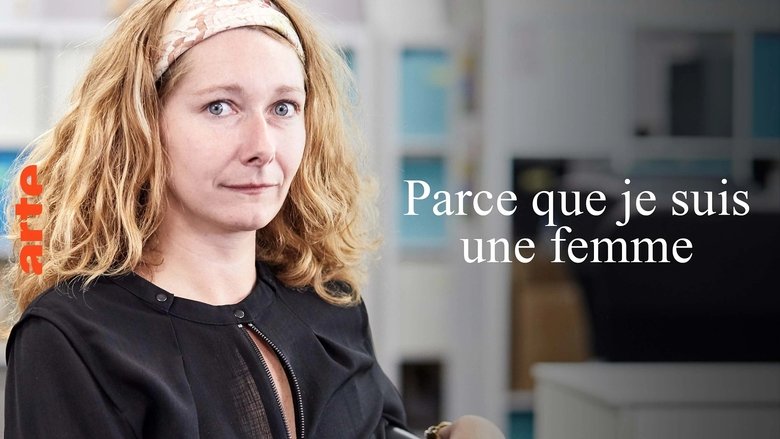
Women are sexually insulted and threatened by men every day. Experts around the world are registering an anti-feminist backlash that seems to be on the verge of becoming socially acceptable. Particularly affected: women in publicly visible positions – such as politicians, actresses or entrepreneurs. Who is behind the attacks and what are the motives?
Women’s voices rise to deliver testimonies of victims of sexual violence. By reconstructing a story with these fragments of experience, a societal portrait is painted throughout the documentary. Like a mosaic, the pieces stick together to build a unique story that could belong to any human.