
A Red Score in Tile
Made up of piano, this shows Basinski's patented tape-loop technique perfectly and still stands as one of his most affecting pieces of music; still film-work scoring the James Elaine's painting of the same name.
Made up of piano, this shows Basinski's patented tape-loop technique perfectly and still stands as one of his most affecting pieces of music; still film-work scoring the James Elaine's painting of the same name.
(A)lter (A)ction, 1968. Videotape, black-and-white, sound; 65 minutes (director's edit: 57 minute television version).
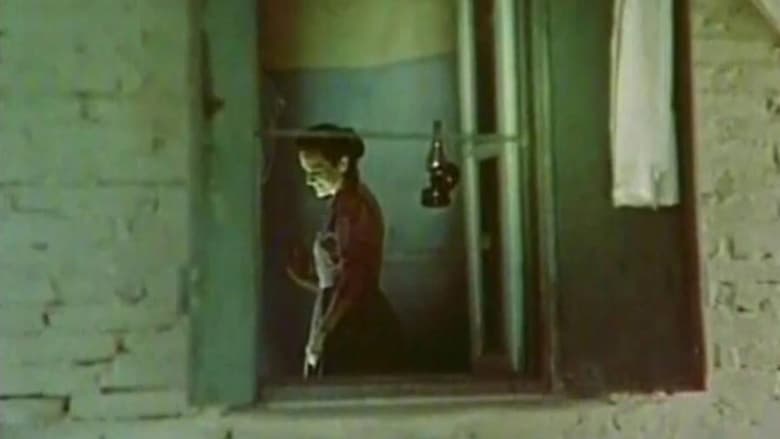
Originally edited in two versions. Version I, 70 minutes; version II, 90 minutes. (The only known existing version is not Markopoulos’s edit and contains additional titles, music and voice-over added later than 1961. 65 minutes.) Filmed in Mytilene and Annavysos, Greece, 1958. Existing copy on video, J. and M. Paris Films, Athens.
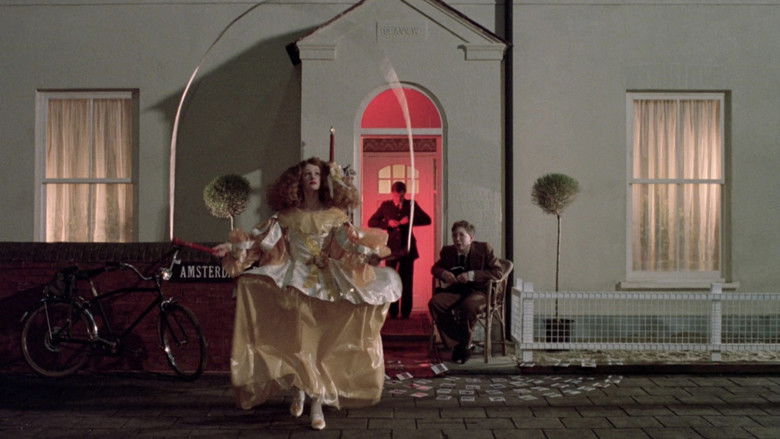
Cissie Colpitts drowns her cheating husband and, in the ensuing cover-up, enlists the help of lonely coroner Henry Madgett, an old friend with a longstanding weakness for her charms. But when Cissie's daughter and granddaughter—both also named Cissie Colpitts—decide to resort to the same methods for solving conflicts with their own frustrating husbands, the women and their repeated appeals for help begin to wear on Madgett's conscience.
"Assassination" - Adaptation of Hermann Hesse's novel "Demian". A young man's detachment from and revolt against the superficial ideals of the world of appearances and eventually awakens into a realization of self. Max Demian is his childhood friend and mentor.
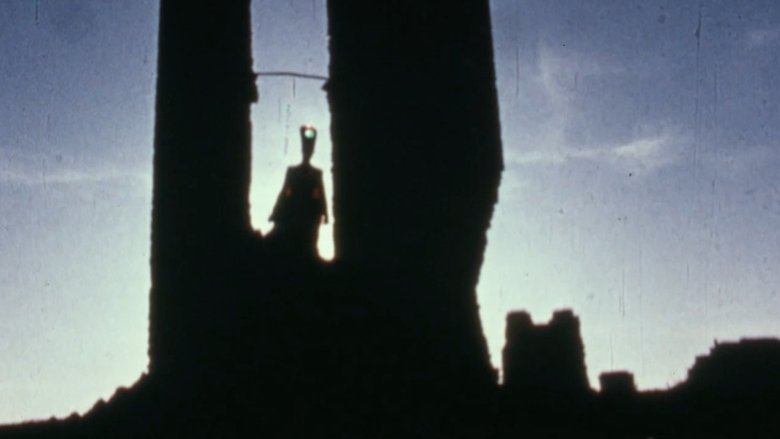
Prometheus, on an Odyssean journey, crosses the Brooklyn Bridge in search of the characters of his imagination. After meeting the Muse, he proceeds to the "forest." There, under an apple tree, he communes with his selves, represented by celebrated personages from the New York "underground scene" who appear as modern correlatives to the figures of Greek mythology. The filmmaker, who narrates the situations with a translation of Aeschylus' Prometheus Bound, finds the personalities of his characters to have a timeless universality.

“For my film portrait of Sasha Grey, I wanted to focus on her expressive and psychological transformation into a cinematic actor, separate from the cues that have associated Sasha with her previous career as a performance artist working within the adult film world.” – Richard Phillips
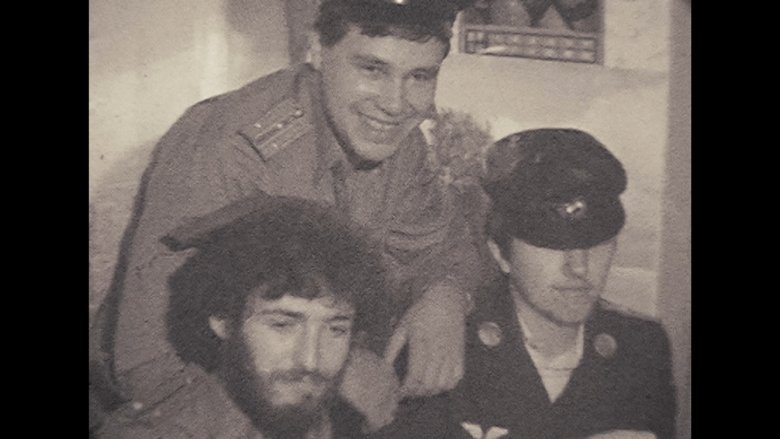
Mockumentary experimental film, which shows one day in the life of a young man. The action takes place on the Day of Soviet Cosmonautics, April 12, one of the last years of the USSR. Outside the window, it is gradually getting warmer, the onset of spring is felt, promising hope for the possibility of changes in the country. The hero of the film is fond of space. The young man, who idolizes Gagarin, is engaged in reconstruction, making the uniform in which the cosmonaut walked in the prime of his glory. Our hero is also a film enthusiast. He makes films with stories of space flights and shows them to his friends. The film is stylized as amateur films of the 1980s and was shot on a 16-mm color film made by the company" Svema", made in the Soviet Union. The quality of this film allows the viewer to fully immerse themselves in the atmosphere of the time of the film, which is dedicated to Soviet cosmonautics and Edward D. Wood Jr.
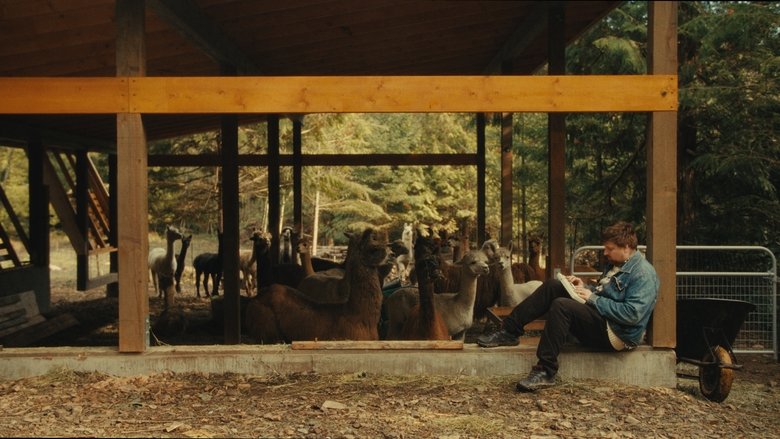
A couple, Vlad and Sophy, navigate their relationship as well as their own struggles with mental health in the context of a highly connected, politically uncertain modern world while on a trip to a remote Canadian island in this avant-garde feature film. PREFACE TO A HISTORY, created with a tiny crew of four people, represents an experiment in using minimalist tools to create an overwhelming aesthetic experience in service of a simple, but specifically contemporary, story about two people attempting to navigate a fraying relationship amid all the anxieties and external pressures of modern adulthood in a technologically-interconnected and politically unstable era.
A quasi-sequel to Michel Houellebecq's novel The Possibility of an Island, Masbedo's short presents a post-apocalyptic landscape overseen by a distant mother nature or perhaps mother of nature portrayed by French icon Juliette Binoche.
A man’s female friend who just came back from London spends time on the river shore.

SEELE orders an all-out attack on NERV, aiming to destroy the Evas before Gendo can advance his own plans for the Human Instrumentality Project. Shinji is pushed to the limits of his sanity as he is forced to decide the fate of humanity.
Adachi's follow-up to Bowl using the figure of a woman suffering from an unusual sexual aliment has often been taken as a controversial allegory for the political stalemate of the Leftist student movement after their impressive wave of massive fiery protests failed to defeat the neo-imperialist Japan-US Security Treaty. The ritualistic solemnity of the charged sexual scenes contribute to the oneiric qualities of Closed Vagina which Adachi would later insist was an open work, not meant to deliver any kind of deliberate political message. - Harvard Film Archive
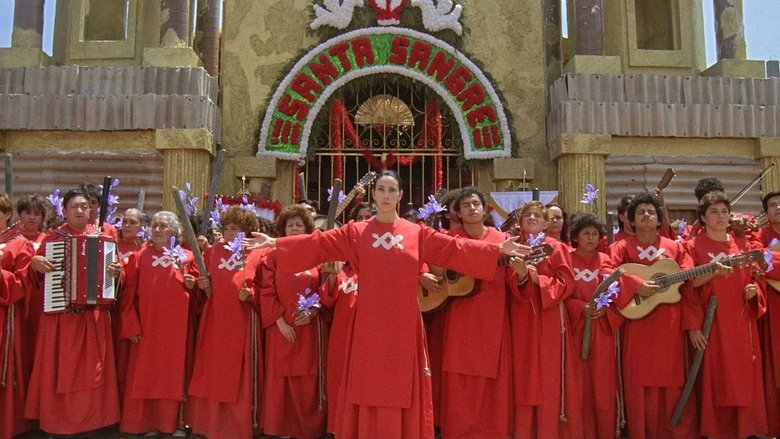
A former circus artist escapes from a mental hospital to rejoin his armless, cult leader mother, and is forced to enact brutal murders in her name.
This programme tells the story behind the conception, recording and release of this groundbreaking album. By use of interviews, musical demonstration, performance, archive footage and returning to the multi tracks with Ahmet Zappa and Joe Travers we discover how Frank Zappa and The Mothers of Invention created the album with the help of legendary African- American producer Tom Wilson.
Born in Los Angeles but a New Yorker by choice, Barbara Hammer is a whole genre unto herself. Her pioneering 1974 short film Dyketactics, a four-minute, hippie wonder consisting of frolicking naked women in the countryside, broke new ground for its exploration of lesbian identity, desire and aesthetic.
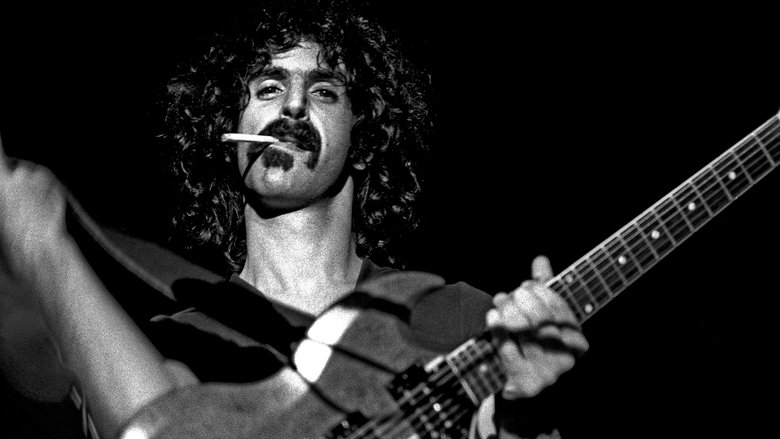
Frank Scheffer's (collage like) documentary on the American composer and rock guitarist Frank Zappa, as broadcast by VPRO in the Netherlands April 22,2007. Most of what’s on here is seen before, particularly in Roelof Kier’s 1971 documentary and/or Scheffer’s own documentary “A present day composer refuses to die”. But there is some new stuff too, particularly interviews with Denny Walley, Haskell Wekler, Elliot Ingber and Bruce Fowler.
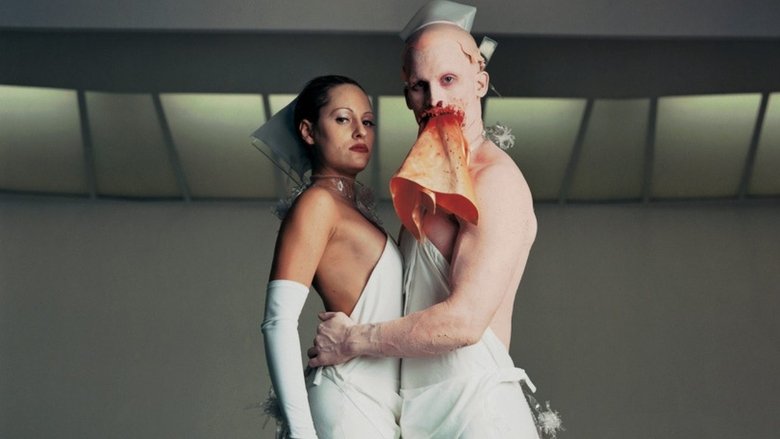
CREMASTER 3 (2002) is set in New York City and narrates the construction of the Chrysler Building, which is in itself a character - host to inner, antagonistic forces at play for access to the process of (spiritual) transcendence. These factions find form in the struggle between Hiram Abiff or the Architect ...
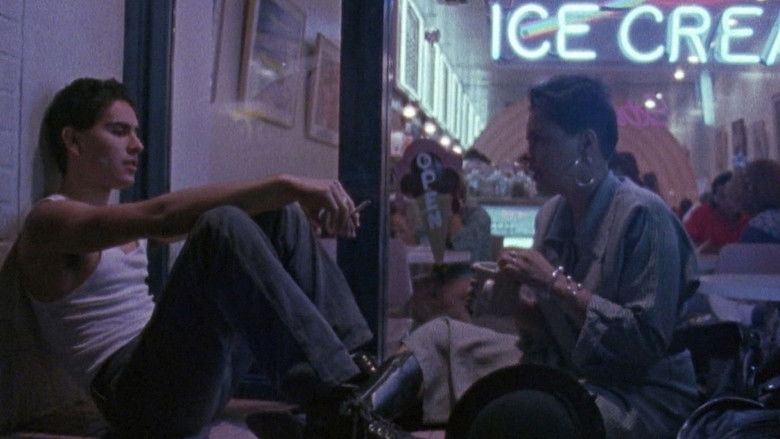
Gay, alienated Los Angeles teens have a hard time as their parents kick them out of their homes, they don’t have money, their lovers cheat, and they are harassed by gay-bashers.
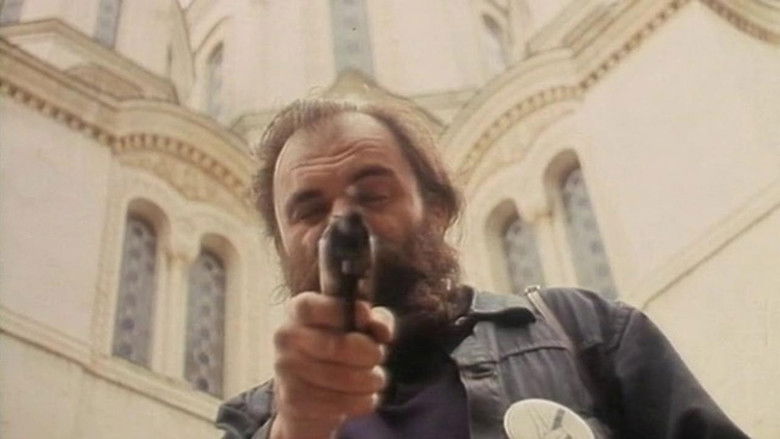
Tom is a young guy from Zagreb, completely without money, trying to make films in Belgrade. He somehow manages to survive with a help of women. He doesn't believe in anybody, respects no one and is in constant conflict with the ruling system and order. After being left by a silly American girl, Tom binds with a woman whose husband is abroad. When she kicks him out, he moves in with her husband's sister, who later kills him in the attack of jealousy. All this is shown in the context of major historical events prior to 1968. with lots of archive footage of world leaders.
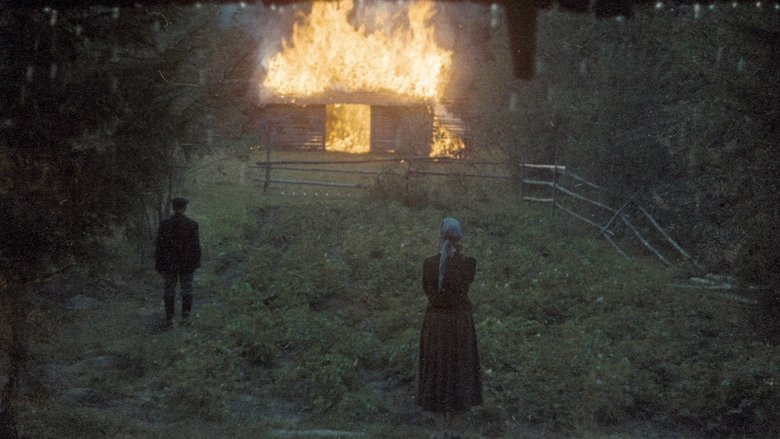
A dying man in his forties recalls his childhood, his mother, the war and personal moments that tell of and juxtapose pivotal moments in Soviet history with daily life.