
Court Case (1978)
An insider's look on the making of Penn's tennis balls, from their creation in a factory to the final stages of quality control.
An insider's look on the making of Penn's tennis balls, from their creation in a factory to the final stages of quality control.
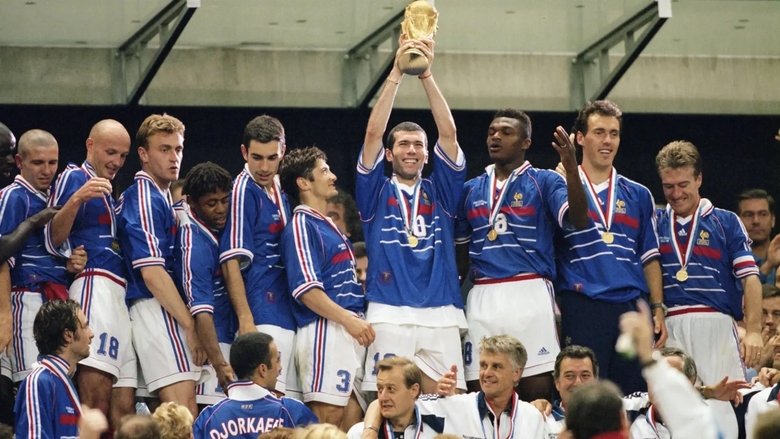
This documentary follows the French soccer team on their way to victory in the 1998 World Cup in France. Stéphane Meunier spent the whole time filming the players, the coach and some other important characters of this victory, giving us a very intimate and nice view of them, as if we were with them.

Transgender high school athletes from across the country compete at the top of their fields, while also challenging the boundaries and perceptions of fairness and discrimination.
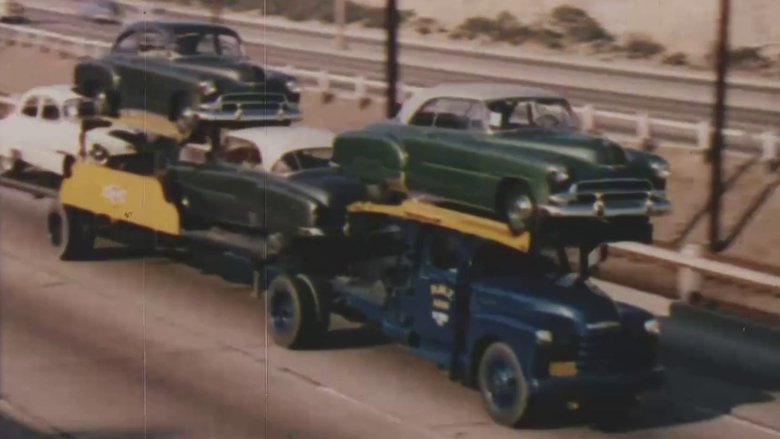
Shows the interdependence of all workers, jobs, and mechanization in the manufacturing process from raw materials to finished product, focusing on the car industry, and argues that this leads to greater personal independence and freedom.
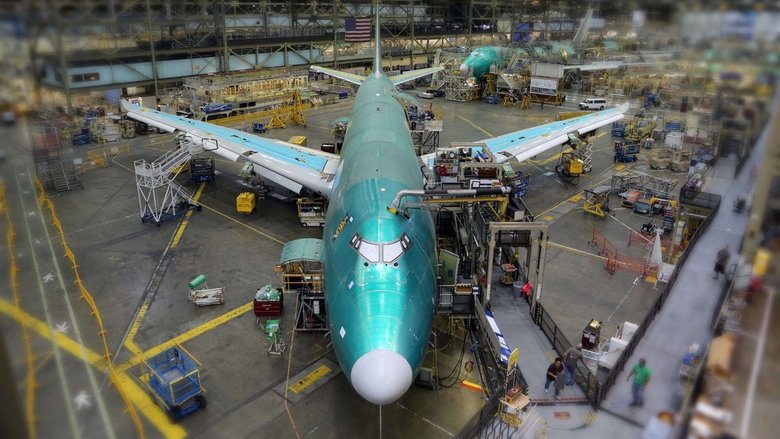
At any given moment hundreds of people are soaring above us in a 747. From the moment the very first jumbo jet took off in 1969, it has been the aircraft against which all others are judged. But its 45-year journey has been anything but smooth. This is the definitive story of the Boeing 747, from its milestones and triumphs to its turning points and disasters. Witness its history through rare archival footage and tales from pilots, engineers, designers, and passengers who were there when it all began.
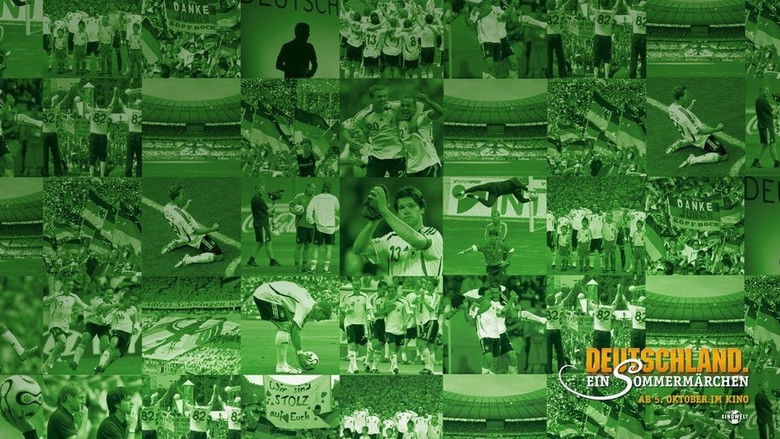
A documentary of the German national soccer team’s 2006 World Cup experience that changed the face of modern Germany.

Follow some of the world’s finest female athletes on a journey that takes them from the slopes of a volcano in Hawaii to the white-knuckle ride down an Alaskan giant, and other interesting places…
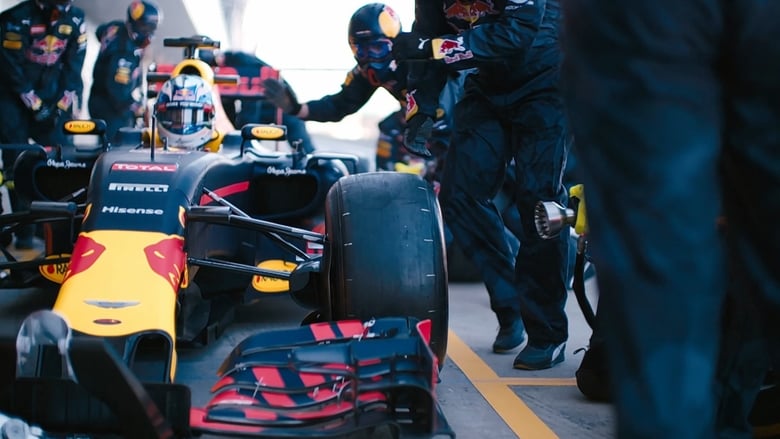
The mavericks who pioneered the modern pit stop made it a raceday staple that takes less than two seconds.

Saucedo explores the emotional journey of boxing champion Alex Saucedo who suffers a career ending brain injury, forcing him to redefine his identity, find new purpose and take care of his family. This cinema verité feature documentary is a raw and intimate portrait of resilience and redemption.
An experimental sports film made partly during the Scandinavian Open Championships in Halmstad in 1970, partly during the Chinese players' exhibition tour in Denmark immediately after the SOC. First of all, it is a film about their style, about the artistic culmination that is ping-pong at its best, it records China's comeback into the international sports world.
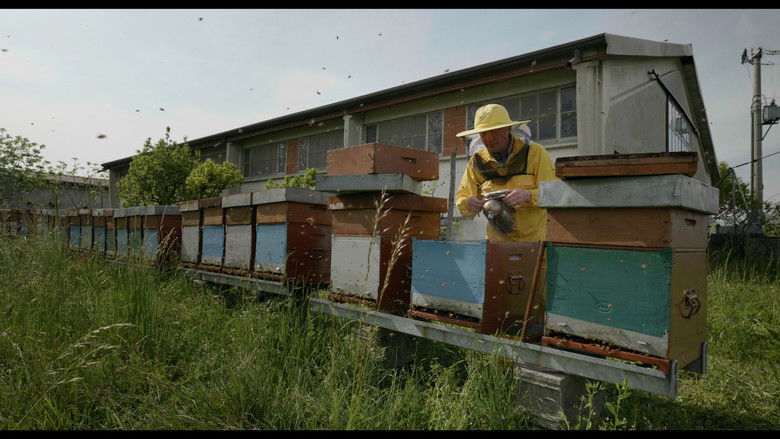
A journey through a century of Ambrosoli family history.
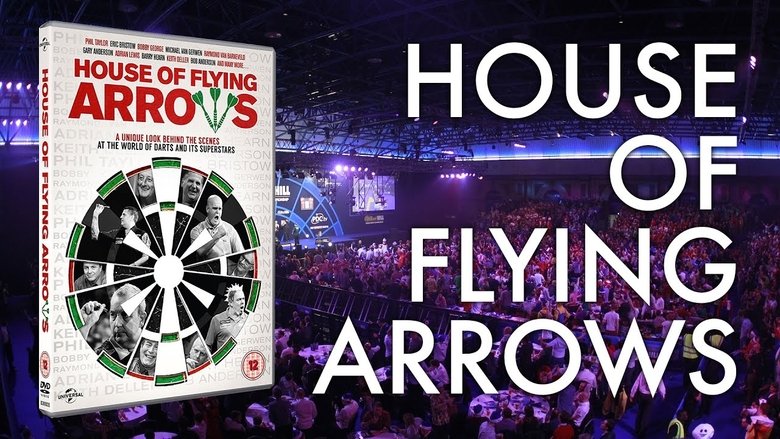
The popular rise of darts is charted in this pin-sharp documentary that follows the trajectory of arrows from local pub to beer-soaked arena. Featuring archive footage, behind-the-scenes access and interviews with current darting personalities such as Michael van Gerwen, Gary Anderson and Raymond van Barneveld, the film traces the sport's evolution from humble beginnings through to the glamorous heyday of the 1980s and on into the lucrative professional era.
In this film, we follow footballer George Best over a 90-minute match against Coventry City, which took place on 12th September 1970. There is no soundtrack and no interview overlaid, just Best doing what he did best - playing football.
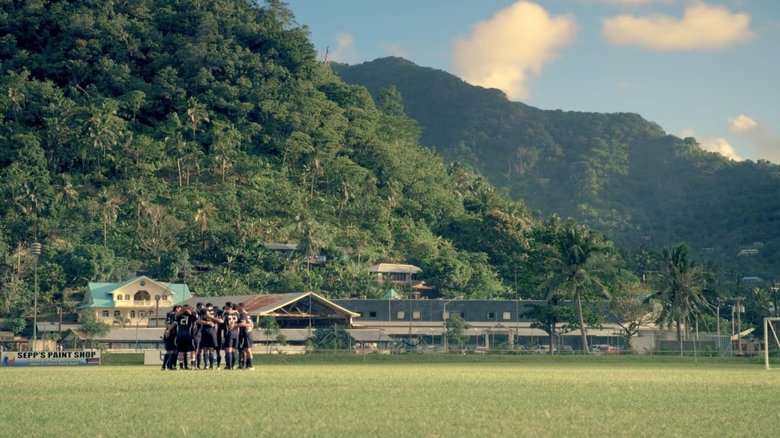
An inspirational story about the power of hope in the face of seemingly insurmountable odds, and an object lesson in what it really means to be a winner in life.
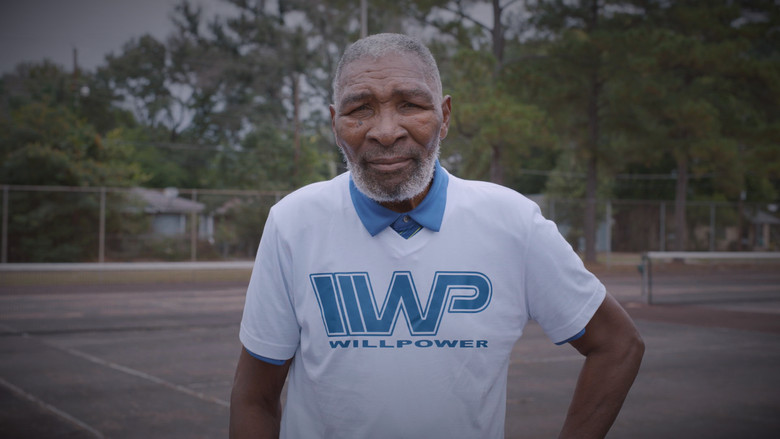
Told in his own words using interviews spanning from the 1980s through now, father and tennis coach Richard Williams retraces his family's journey from the courts in Compton to the grass at Wimbledon, defying every custom of the lily-white tennis establishment and fighting back against a system of oppression to raise two of the greatest champions in history - Venus and Serena Williams.
This documentary looks back at a career spanning over 20 years, defining the sport Down Under and a never faltering love for the game.
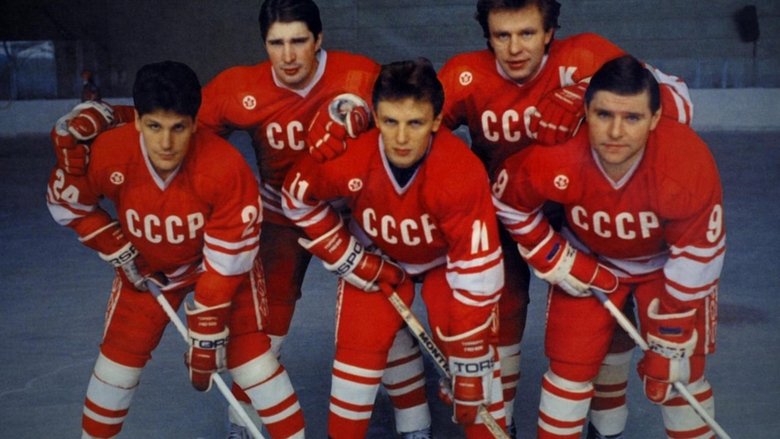
A documentary highlighting the Soviet Union's legendary and enigmatic hockey training culture and world-dominating team through the eyes of the team's Captain Slava Fetisov, following his shift from hockey star and celebrated national hero to political enemy.
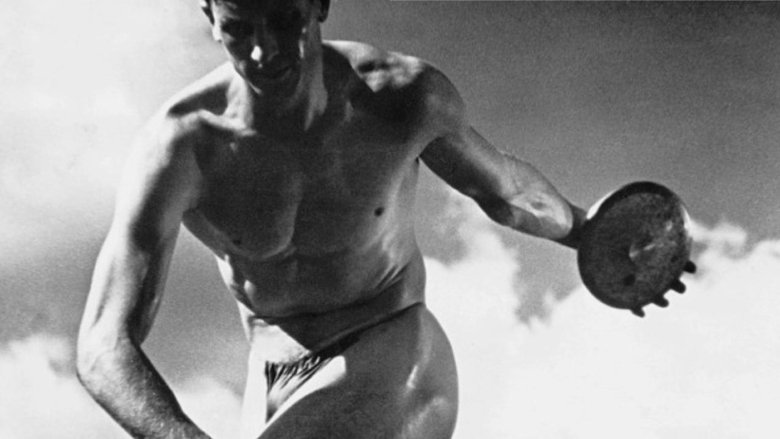
Starting with a long and lyrical overture, evoking the origins of the Olympic Games in ancient Greece, Riefenstahl covers twenty-one athletic events in the first half of this two-part love letter to the human body and spirit, culminating with the marathon, where Jesse Owens became the first track and field athlete to win four gold medals in a single Olympics.

Part two of Leni Riefenstahl's monumental examination of the 1938 Olympic Games, the cameras leave the main stadium and venture into the many halls and fields deployed for such sports as fencing, polo, cycling, and the modern pentathlon, which was won by American Glenn Morris.
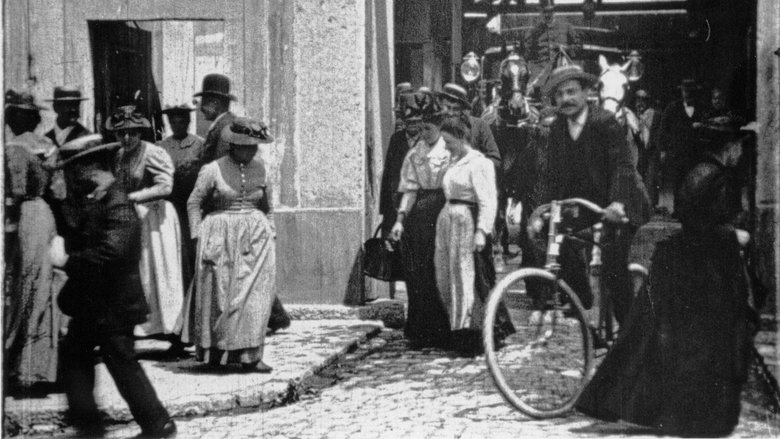
Working men and women leave through the main gate of the Lumière factory in Lyon, France. Filmed on 22 March 1895, it is often referred to as the first real motion picture ever made, although Louis Le Prince's 1888 Roundhay Garden Scene pre-dated it by seven years. Three separate versions of this film exist, which differ from one another in numerous ways. The first version features a carriage drawn by one horse, while in the second version the carriage is drawn by two horses, and there is no carriage at all in the third version. The clothing style is also different between the three versions, demonstrating the different seasons in which each was filmed. This film was made in the 35 mm format with an aspect ratio of 1.33:1, and at a speed of 16 frames per second. At that rate, the 17 meters of film length provided a duration of 46 seconds, holding a total of 800 frames.