
The Father (2014)
A staging of Florian Zeller's play "The Father" by Ladislas Chollat.
A staging of Florian Zeller's play "The Father" by Ladislas Chollat.
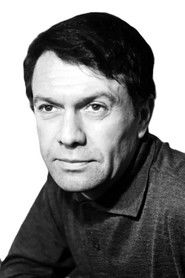 Robert HirschAndré
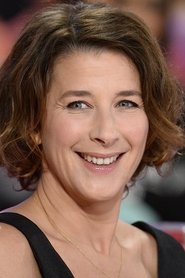 Isabelle GélinasAnne
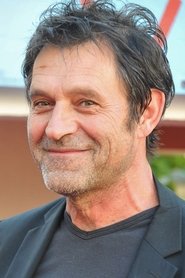 Patrick CatalifoPierre
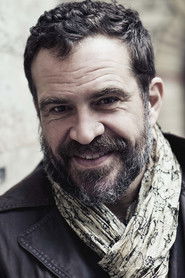 Éric BoucherMan
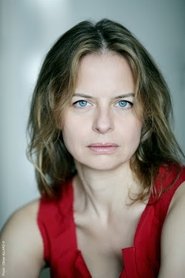 Sophie BouillouxWoman
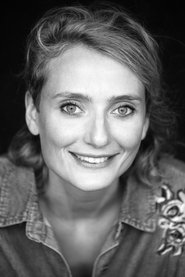 Elise DiamantLaura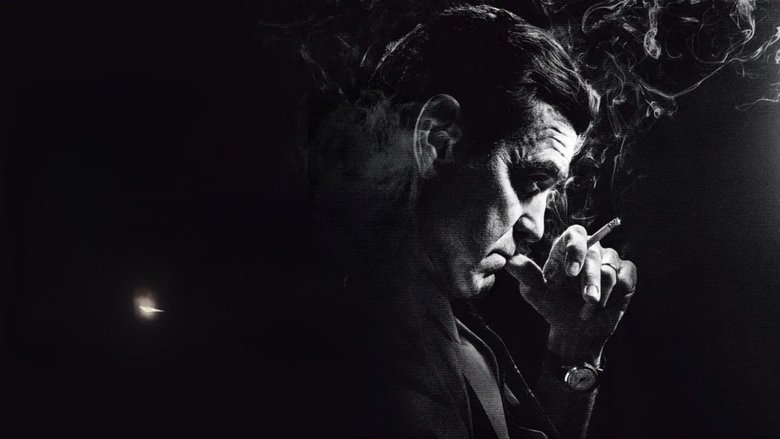
Livestreamed from the penultimate show at the Winter Garden Theatre in New York City, this stage adaptation of George Clooney's 2005 film follows the story of journalist Edward R. Murrow's stand against Senator Joseph McCarthy's anti-communist witch-hunts in the early 1950s.
Theater in film: Maryša by Jan Mikulášek, directed by Viktor Tauš, is a thoroughly contemporary cinematic confession of a woman who has decided not to succumb to the pressure of those around her and, if she cannot fulfill her love, would rather cause death and self-destruction. A ballad about a case where preserving inner dignity is more important than life itself.
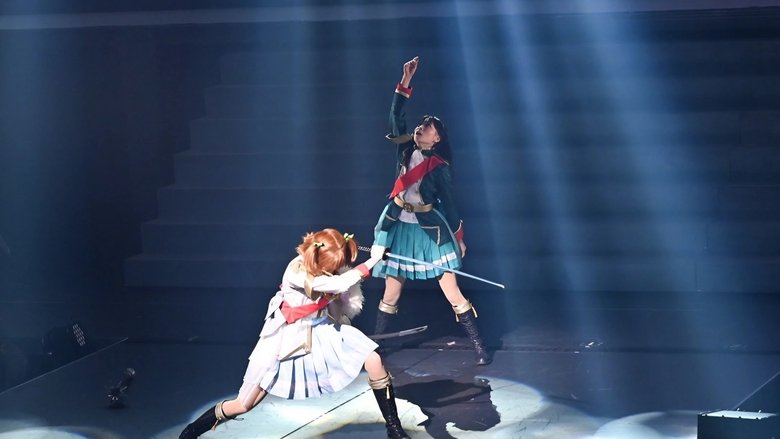
As a new school year begins at Seisho Music Academy, nine third-year students in Class A of the Actor Training Department deepen their bonds as they approach graduation. They reminisce about their growth and face uncertain futures while preparing for classes. The story revolves around their determination to pursue their dreams and the challenges they encounter during the Giraffe's Revue, highlighting their growth and transition to the next chapter of their lives.
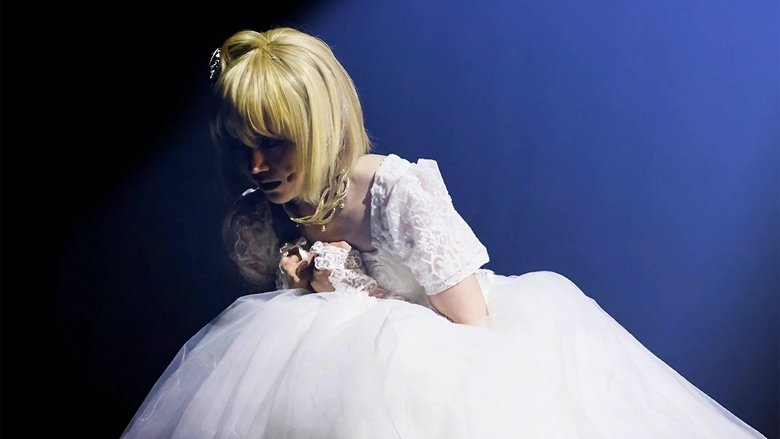
The play tells a new original story that features characters from the Shōjo☆Kageki Revue Starlight Re LIVE mobile game, featuring and primarily focused on the Edels and Junior High students of Siegfeld Institute of Music. It also features all three Seiran General Art Institute students, as well as Claudine Saijo from Seisho Music Academy, Fumi Yumeoji from Rinmeikan Girls School, and Shizuha Kocho from Frontier School of Arts.
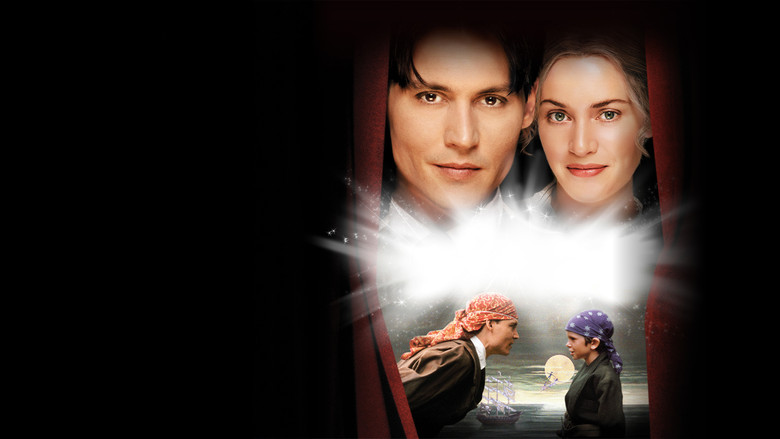
During a writing slump, playwright J.M. Barrie meets a widow and her four children, all young boys—who soon become an important part of Barrie’s life and the inspiration that lead him to create his masterpiece. Peter Pan.

When an old adversary threatens Rome, the city calls once more on her hero and defender: Coriolanus. But he has enemies at home too. Famine threatens the city, the citizens’ hunger swells to an appetite for change, and on returning from the field Coriolanus must confront the march of realpolitik and the voice of an angry people.
In 1976, the Czech New Wave philosopher and director Evald Schorm came to the Na zábradlí Theatre. He stayed there for twelve years, until his death. He raised a generation of actors who were aware of their own personalities. In The Brothers Karamazov, the then compact acting ensemble performed in full force on stage. Schorm created from ban to ban (Hamlet, Macbeth, The Brothers Karamazov, Marathon) and in front of Zábradlí, there were queues for tickets in double rows all the way to the Vltava embankment: when the subscription began, people slept outside from midnight until ten in the morning, when the box office opened, in sleeping bags, they brought fishing chairs to the theater. A ticket to Zábradlí was more valuable than Tuzex vouchers...
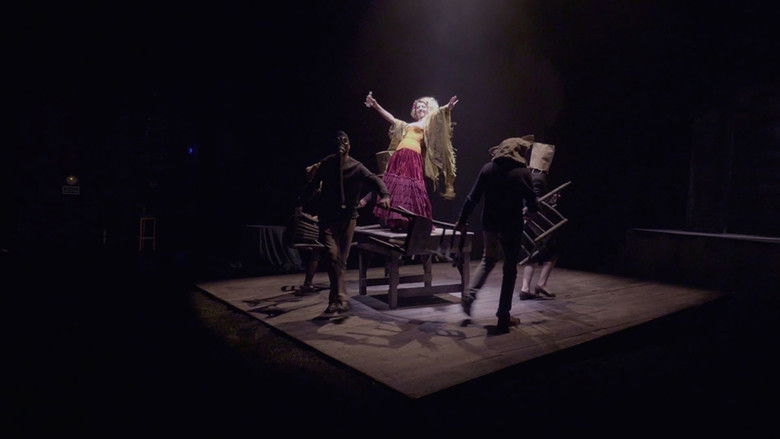
A fusion of film and theatre based on the play of the same title by Micomicon. The film shows the play and its creative process. After her mother's death, Antonia finds a box which takes her and her daughter on a trip through Europe to former Yugoslavia. Remembrance, exhumations and wars. Life will not be the same.
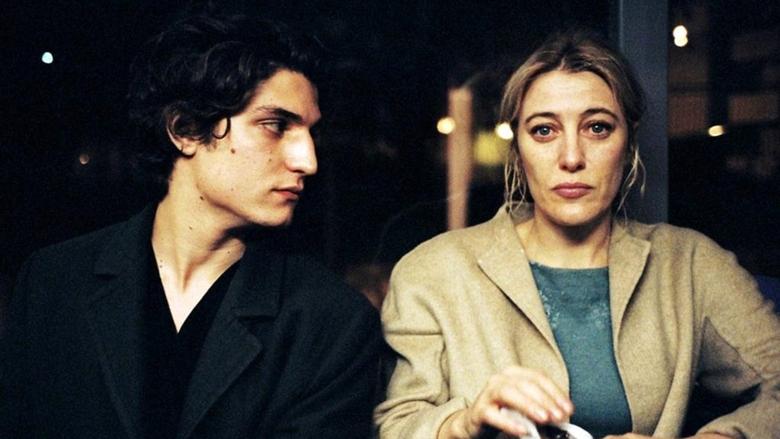
Marcelline is an actress. Forty, single and childless, she begins rehearsals for Turgenev’s A Month in the Country. Denis, the director, admires her greatly and promises he’ll make her happy on stage — she will shine. But things don’t go to plan.
Steven Berkoff's iconic adaptation of Franz Kafka’s novella, which tells the tale of a traveling salesman who is transformed into an insect, is brought to life in this highly physical and visually striking production. Captured live at the Parco Theater in Tokyo, this landmark performance is in Japanese with English subtitles. Considered one of Berkoff’s masterpieces and performed multiple times since it first appeared in 1969, Metamorphosis combines elements of sound, physicality and minimalist design to recreate Kafka’s absurdist world on stage.
The story follows three middle‑aged gentlemen—Antonín, Canon Roch, and Major Hugo—who while away their rainy summer days at a neglected riverside spa. Their languid routine is briefly enlivened by a traveling magician and his assistant Anna, whom they vie to impress with whimsical flair.
T. Dianiška's documentary fiction from behind the scenes of the assassination of R. Heydrich, in which the real story is intertwined with comic exaggeration, pop culture references, and harsh humor. 294 Brave Men was written by Tomáš Dianiška for the Divadlo po Palmovkou theater, where he also staged it with the local ensemble. As the title of the play suggests, the protagonists of Operation Anthropoid are not the main heroes in this case. 294 Brave Men refers to the people from the domestic resistance who paid with their lives for helping the paratroopers and whose names are now borne by streets in Libeň and the surrounding Prague districts. T. Dianiška treats historical facts with respect, but at the same time quite freely, and he depicts the background of "the greatest heroic deed in our history" with the help of humor, often very dark humor.
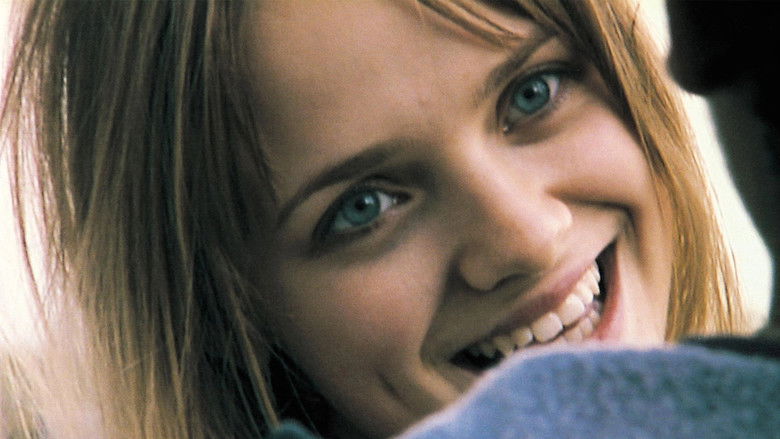
A group of teenagers living in a housing project in the outskirts of Paris rehearse a scene from Marivaux's play of the same name. Krimo is determined not to take part, but after developing feelings for Lydia, he quickly assumes the main role and love interest in the play.
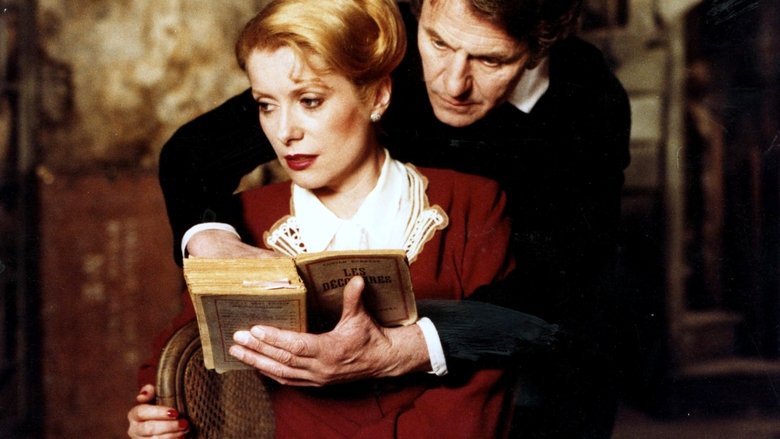
In occupied Paris, an actress wed to a Jewish theater owner must keep him hidden from the Nazis while doing both of their jobs.
The Tudor Court is locked in a power struggle between its nobles and the Machiavellian Cardinal Wolsey, the King's first minister and the country's most conspicuous symbol of Catholic power. Wolsey's ambition knows no bounds and when his chief ally, Queen Katherine, interferes in the King's romance with Ann Bullen, he brings ruin upon himself, the Queen and centuries of English obedience to Rome.
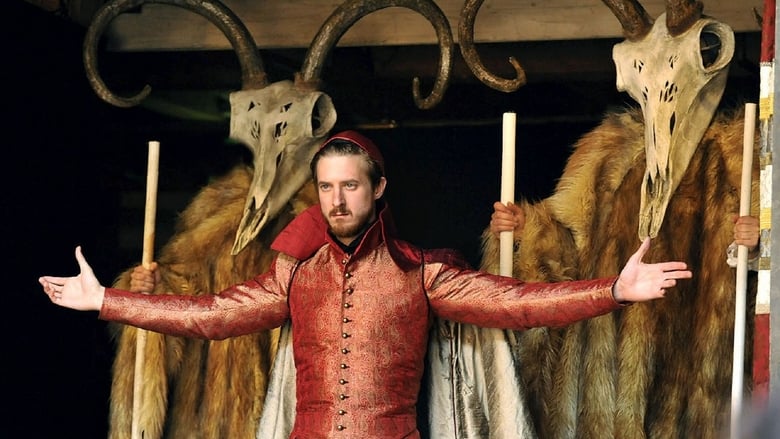
Doctor Faustus is Christopher Marlowe's most renowned and controversial work. Famous for being the first dramatised version of the Faustus tale, the play depicts the sinister aftermath of Faustus's decision to sell his soul to the Devil's henchman in exchange for power and knowledge. In the first-ever staging of this menacing drama at the Globe Theatre, Matthew Dunster's production features Paul Hilton as the arrogant, power-hungry Faustus and Arthur Darvill as the sardonic Mephistopheles, and includes several impressive magical stunts along the way.