
Queen of Trucks (2022)
Trucking is big business. Cashing in on the boom is Shannan’s trucker driving school. But can she pass her own HGV test?
Trucking is big business. Cashing in on the boom is Shannan’s trucker driving school. But can she pass her own HGV test?
 Shannan PatersonSelf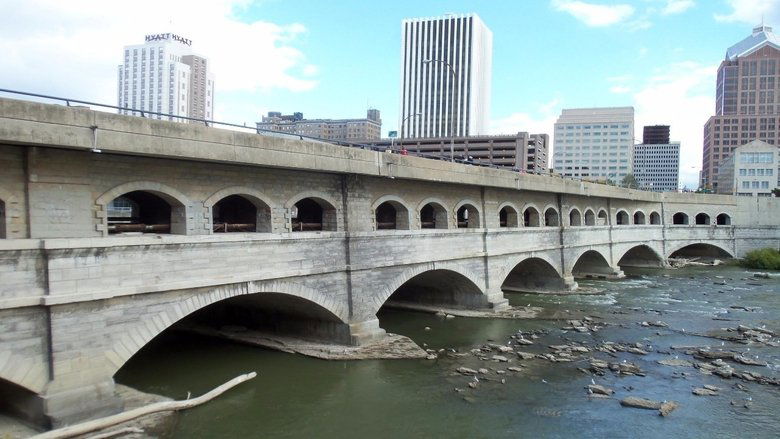
"The End of the Line - Rochester's Subway" tells the little-known story of the rail line that operated in a former section of the Erie Canal from 1927 until its abandonment in 1956. Produced in 1994 by filmmakers Fredrick Armstrong and James P. Harte, the forty-five minute documentary recounts the tale of an American city's bumpy ride through the Twentieth Century, from the perspective of a little engine that could, but didn't. The film has since been rereleased (2005) and now contains the main feature with special portions that were added as part of the rereleased version. These include a look at the only surviving subway car from the lines and a Phantom tun through the tunnels in their abandoned state, among others, for a total of 90 minutes of unique and well preserved historical information.
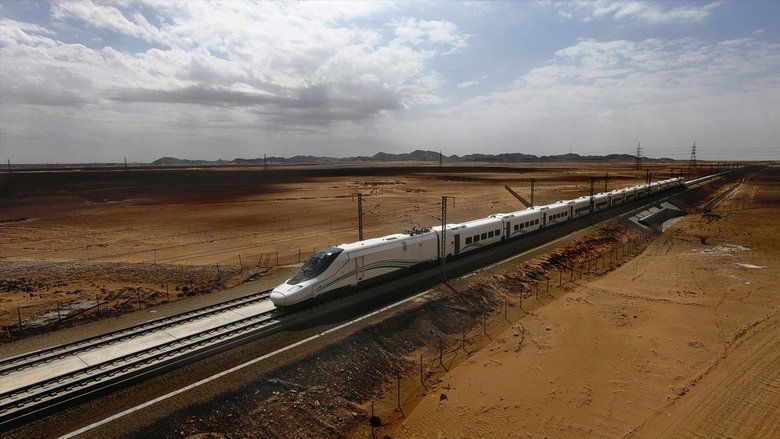
The pilgrimage to Mecca is one of the most important religious journeys for millions of people around the world. But how to get there? This documentary shows us how 12 companies met the immense challenge of running a high-speed train through Saudi Arabia's sandy rocky desert in temperatures of up to 50 degrees Celsius. A true marvel of engineering and cooperation, and together, overcoming obstacles.
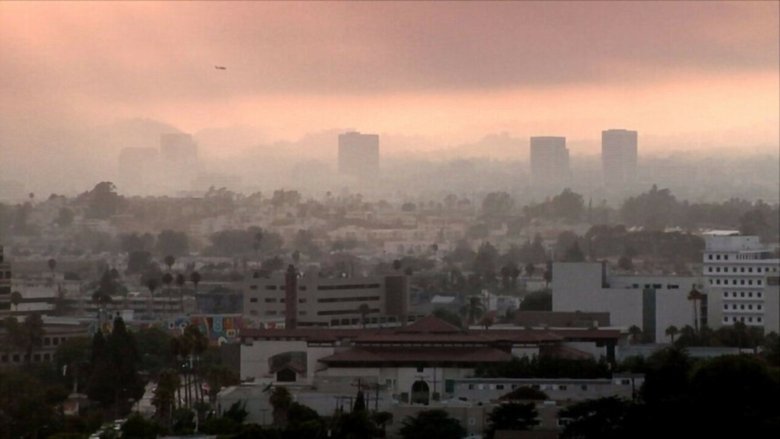
800 million units circulate around the globe. It is the largest contributor to air pollution worldwide and accounts for 8,300 deaths every day. And every night it sleeps in your garage.
Documentary about the development of the Boeing 747 jumbo jet. The 747 was a game changer, the airliner that revolutionised mass, cheap air travel. But the first wide-bodied plane was originally intended as a stopgap to Boeing's now-abandoned supersonic jet. This is the remarkable untold story of the jumbo, a billion-dollar gamble that pushed 1960s technology to the limits to create one of the world's most recognisable planes.
The world-famous Greyhound bus is almost as old as the Wild West. It is a symbol of North America, of progress, and of nostalgia. Reporter Studs Terkel travelled 2,000 miles across the United States by Greyhound. From Seattle to Chicago, he observes his fellow-passengers. He meets a number of travelers who appear to be very interesting people: a Native American boxer on his way to his birthplace in Montana, a bar owner who was a bank robber in a former 'career', a 99 year old woman who is still running a busy hotel, and, of course, a pedigree cowboy. The spectator of this film listens to their personal stories, watches the beautiful scenery, and is treated to famous feature film fragments in which the Greyhound bus plays a part. Seven states and two time zones later, he is back in his cinema seat.
Britain operates the most experienced diesel and electric railway in tne world. A century and a half ago she invented the steam engine and introduced a new system of transport; and in only nine years British Rail and the British locomotive industry designed, built and tested enough diesel and electric locomotives to replace fifteen thousand steam engines. The transition from steam to new forms of motive power, and its effects on rallwaymen and passengers, is the subject of this film. Produced in association with the Central Office of Information, the British Locomotive Allied Manufacturers' Association and the British Electrical Manufacturers' Association.
A cheerful and very colourful pastiche of live action with combined graphics set to the music of Muir Mathieson. This film typifies the image British Rail was keen to transmit during the early part of the 1970s. It marked the start of the age of the train, when 100mph running became standard and travelling inter-city took you from 'city to city - heart to heart'.
The operation of the London Transport central Lost Property Office at Baker Street. Collected in BFI's "London on the Move."
The documentary, Bob Gurr: Turning Dreams into Reality, tells the story of one of Walt Disney's earliest 1954 Imagineering Legends, Bob Gurr. His career spanning 45 years creating 250 projects with Disney and beyond will be explored. From Disneyland to Las Vegas, Olympic spectaculars to rock star shows, Bob's creations included Monorails, Abraham Lincoln mechanical animation, Pirate Battle Shows, even massive animated figures of King Kong and Godzilla. Viewers will learn much about how these attractions were created from those who were there sharing these creations. Eight theme park creators who worked with Bob over these years will describe the unique ways in which he created a vast variety of attractions. The cast includes Disney Ambassador to the World Marty Sklar, Imagineering VP Craig Russell, Imagineer Chris Crump, and many others.
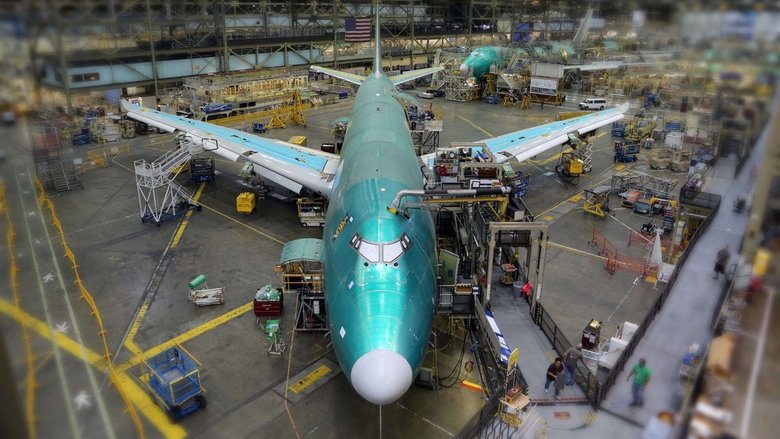
At any given moment hundreds of people are soaring above us in a 747. From the moment the very first jumbo jet took off in 1969, it has been the aircraft against which all others are judged. But its 45-year journey has been anything but smooth. This is the definitive story of the Boeing 747, from its milestones and triumphs to its turning points and disasters. Witness its history through rare archival footage and tales from pilots, engineers, designers, and passengers who were there when it all began.
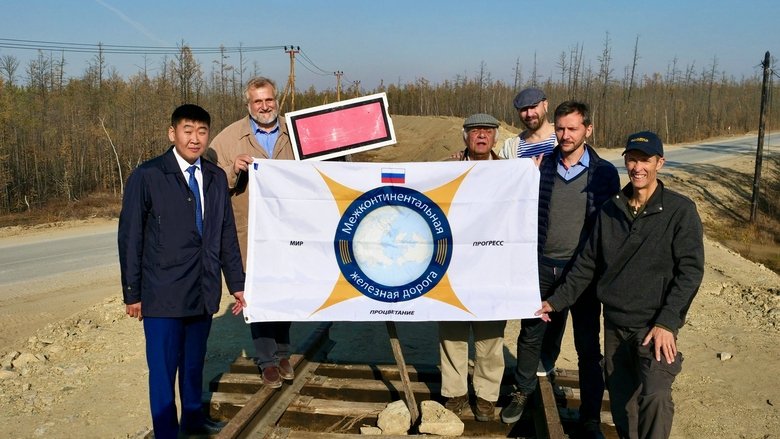
THE STRAIT GUYS follows Czech-born mining engineer, George, and his fast-talking protégé, Scott, along the proposed route of the InterContinental Railway through Alaska, to the Bering Strait and onward to Russia. The “Strait Guys” endeavor to convince international governments, corporations, and indigenous tribes to green-light their $100 billion railway project, which would provide ground-based infrastructure across the continents, relieve overcrowded Pacific ports, improve global supply chains, and ease tensions between the superpowers. The US and Russia have been successfully collaborating in space for decades. Now the Strait Guys are out to prove it is also possible down here on earth.
A day-to-day record of the construction of the Confederation Bridge linking Prince Edward Island to the mainland, Abegweit reveals some of the innovations that made this mammoth project one of the most impressive engineering feats in Canadian history.
This 2001 Nine special tells the story of St. Louis-based Trans World Airlines (TWA). The story of how the company went from barnstorming to bankruptcy is the story of American air travel.
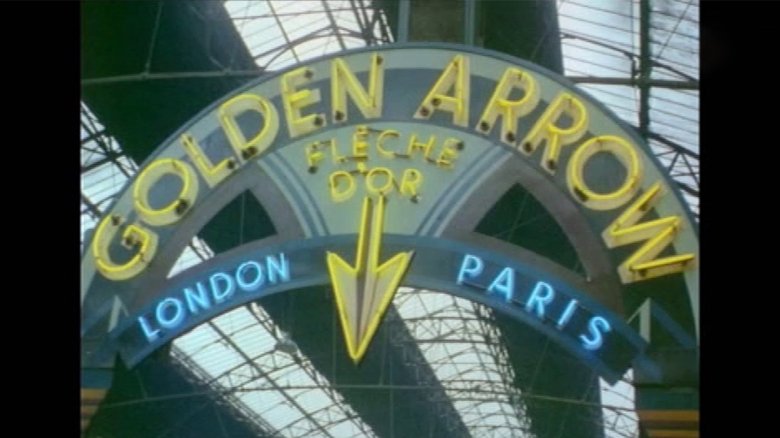
The British Railways modernisation programme of the 1960s radically changed the rail network, and the British Transport Films unit and the TV news were there to capture it. Compiled here is never before released colour footage of Southern steam at Waterloo (with Nine Elms depot), all the major London stations, The Blue Pullman and early diesels, The Golden Arrow and Night Ferry service, goods and mail, steam on the Metropolitan Railway and building the Victoria Line.
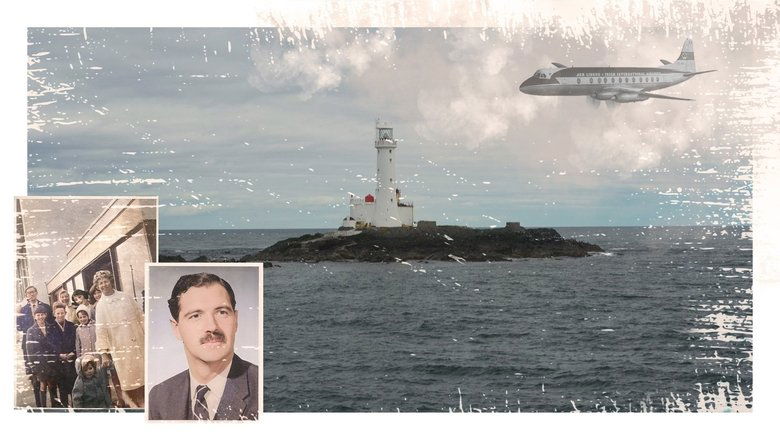
On 24th March 1968 an Aer Lingus plane carrying 61 passengers and crew crashed into the sea just off the Tuskar Rock lighthouse off the Wexford coast. There were no survivors. Family and friends of those onboard tell their story of loss and the theories of what happened.
A small group of activists take on systemic racism and prejudice in Baltimore's public transportation, battling against the odds to create a brighter future for their community.
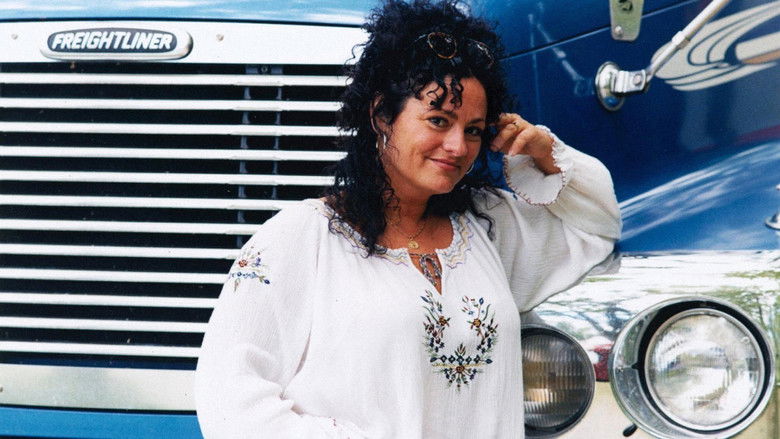
This feature documentary shines a light on a group of women who are passionate about their non-traditional job – trucking. Filmed in 1999, it follows the women all across Quebec as they do their job and address the big-ticket items in life: love, family, freedom, and solitude. Filled with humour and the contagious good spirits of the women involved.
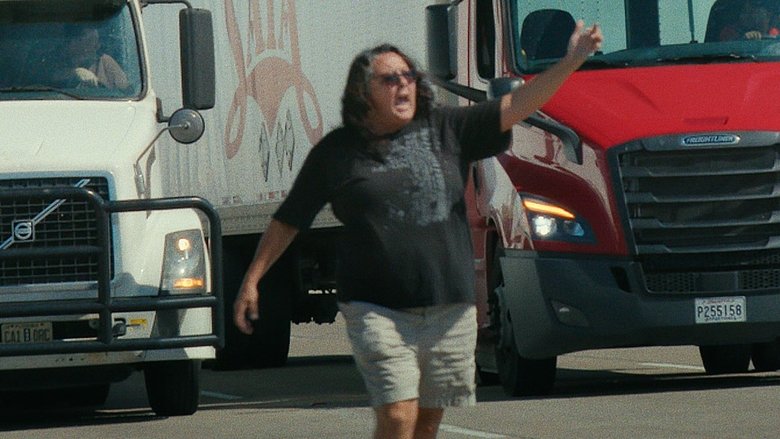
DRIVER is a soulful exploration of resolute female long-haul truck drivers pursuing validation for their hard-earned work as they navigate the oppressive forces in their industry. Employing an intimate lens, Nesa Azimi’s first feature brings the audience into a community of solidarity and self-determination.
This 1996 documentary takes a nostalgic ride through history to present the experiences of Black sleeping-car porters who worked on Canada's railways from the early 1900s through the 1960s. There was a strong sense of pride among these men and they were well-respected by their community. Yet, harsh working conditions prevented them from being promoted to other railway jobs until finally, in 1955, porter Lee Williams took his fight to the union.