
Chairs for Lovers (1973)
Architect Stanley King involves the local Vancouver community in urban design.
Architect Stanley King involves the local Vancouver community in urban design.
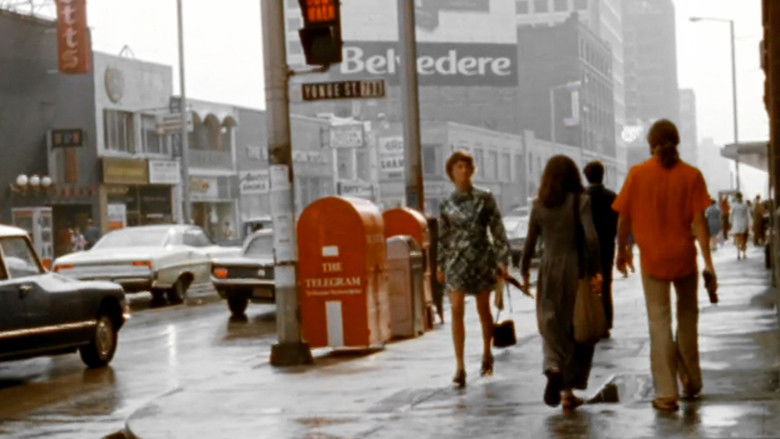
Author and activist Jane Jacobs talks about the problems and virtues of North American cities.
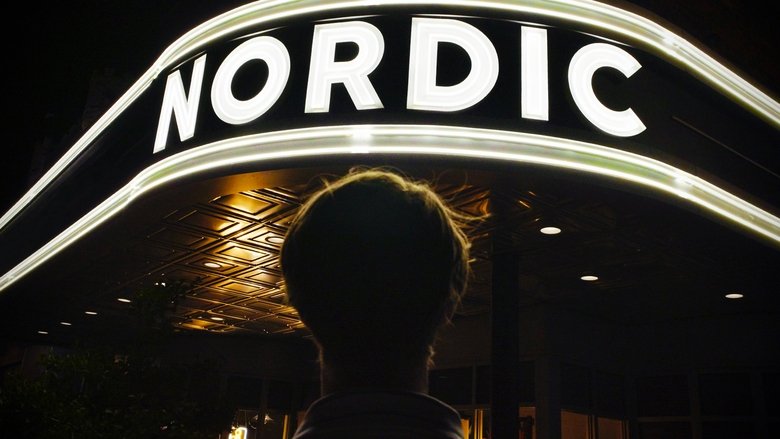
Through booms and busts, Delft Theatres and its innovative gem The Nordic endured in Marquette, Michigan for almost 100 years. Bernie Rosendahl’s crusade to restore the historic arthouse to its former glory reveals a hidden cinema empire in the Upper Peninsula.
On the tiny island of Martha's Vineyard, where presidents and celebrities vacation, trophy homes threaten to destroy the islands unique character. Twelve years in the making, One Big Home follows one carpenters journey to understand the trend toward giant houses. When he feels complicit in wrecking the place he calls home, he takes off his tool belt and picks up a camera.
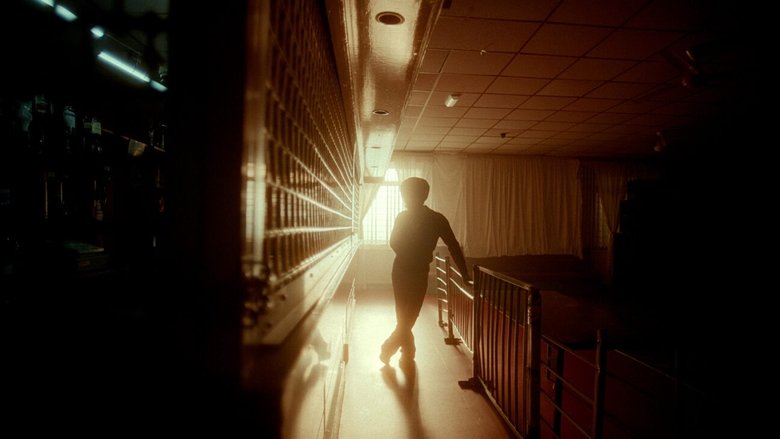
Beginning at the industrial revolution of the ‘great north’, Jenn Nkiru draws lines between peoples, cities, countries, buildings, movements, bodies and spaces(s) using a mixture of archive materials and new footage. There is little stillness as we are pushed and pulled through Black histories and communities across the city of Manchester and beyond. Nkiru has termed this filmmaking process “cosmic archeology”, and it is grounded in Afro-surrealism, experimental film and the Black arts movement.
Documentary about 4 large architectural landmarks that projected Portugal abroad.
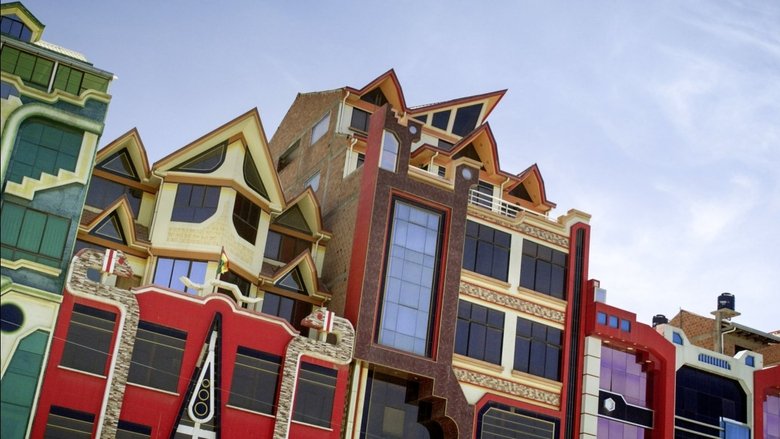
His buildings are garish, colorful and completely overloaded. Columns and glittering chandeliers everywhere, and way too much of everything. The Bolivian civil engineer and architect Freddy Mamani Silvestre (*1971) builds houses in El Alto for a nouveau riche upper class of the Aymara, the largest indigenous ethnic group in Bolivia.
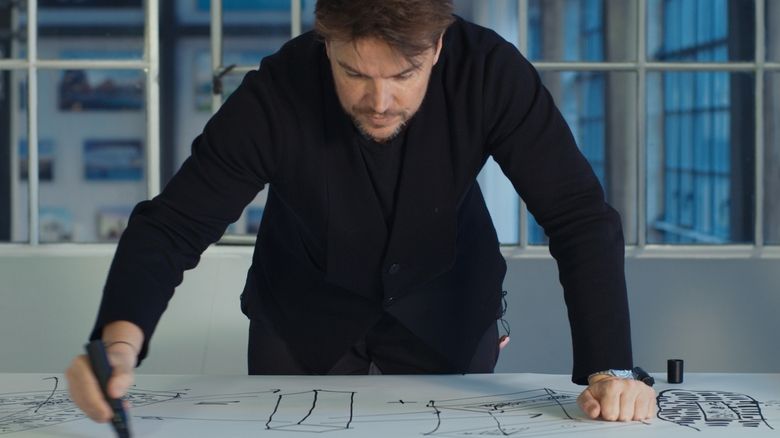
Big Time gets up close with Danish architectural prodigy Bjarke Ingels over a period of six years while he is struggling to complete his largest projects yet, the Manhattan skyscraper W57 and Two World Trade Center.
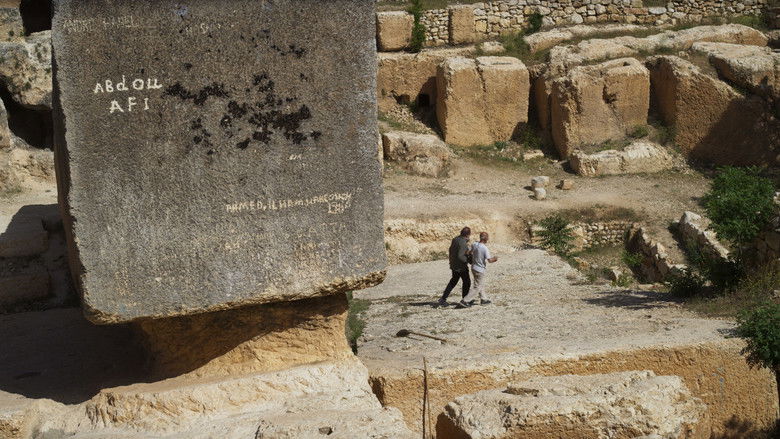
An extraordinary journey through the material that makes up our habitat: concrete and its ancestor, stone. Victor Kossakovsky raises a fundamental question: how do we inhabit the world of tomorrow?
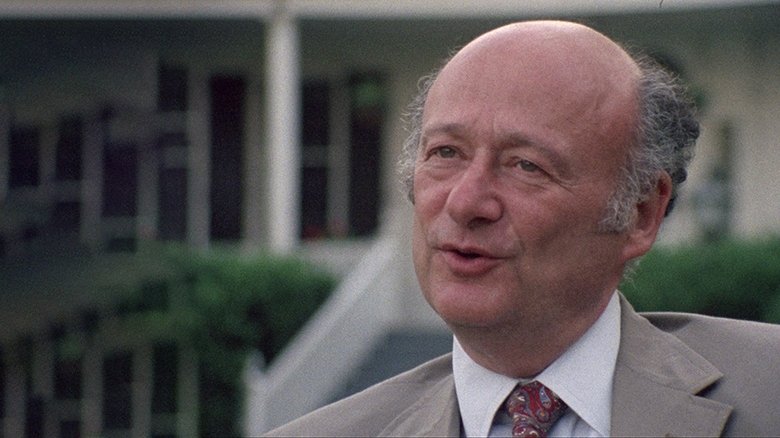
A film essay contrasting the modern metropolis with its "golden age" from 1830-1930, with the participation of some of New York's leading political and cultural figures. Made at a time when the city was experiencing unprecedented real estate development on the one hand and unforeseen displacement of population and deterioration on the other. Empire City is the story of two New Yorks. The film explores the precarious coexistence of the service-based midtown Manhattan corporate headquarters with the peripheral New York of undereducated minorities living in increasing alienation.
A poet among architects and an innovator among educators, John Hejduk converses with poet David Shapiro at The Cooper Union about the mystery and spirit of architecture. His own sketches and structures are shown
The city of Ordos, in the middle of China, was build for a million people yet remains completely empty. Ordos is not so much a place but a symbol of babylonic hype. But nothing will change - as long as people believe.
No understanding of the modern movement in architecture is possible without knowledge of its master builder, Mies van der Rohe. Together with documentation of his life, this film shows all his major buildings, as well as rare film footage of Mies explaining his philosophy. Phyllis Lambert relates her choice of Mies as the architect for the Seagram building. Mies's achievements and continuing influence are debated by architects Robert A.M. Stern, Robert Venturi, and Philip Johnson, by former students and by architectural historians. Mies is seen in rare documentary footage.
A portrait of the internationally acclaimed Japanese architect who employs Buddhist ideas and western modernism to achieve intercultural architecture.
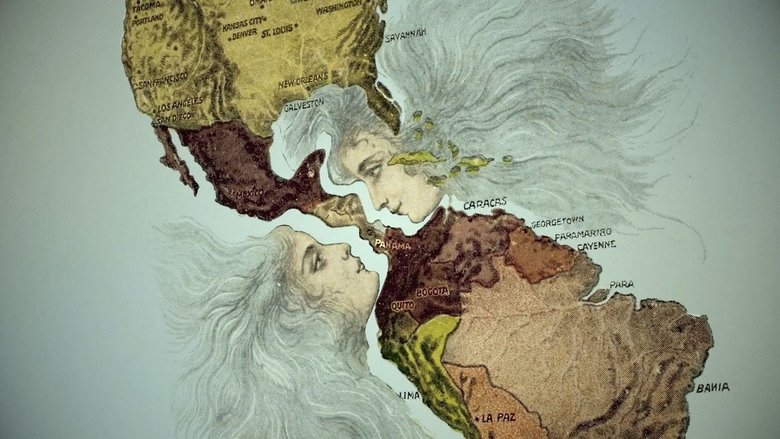
Ferdinand de Lesseps, known as “The Great Frenchman”, will embark in the greatest adventure of his life: To unite the Pacific and Atlantic oceans through a Canal in the Isthmus of Panama – without knowing that this will cost him his reputation, thousands of innocent lives and the biggest financial scandal of all time, up to that point: the famous “Scandal of Panama”. Today, the French capital is known as “Paname”.
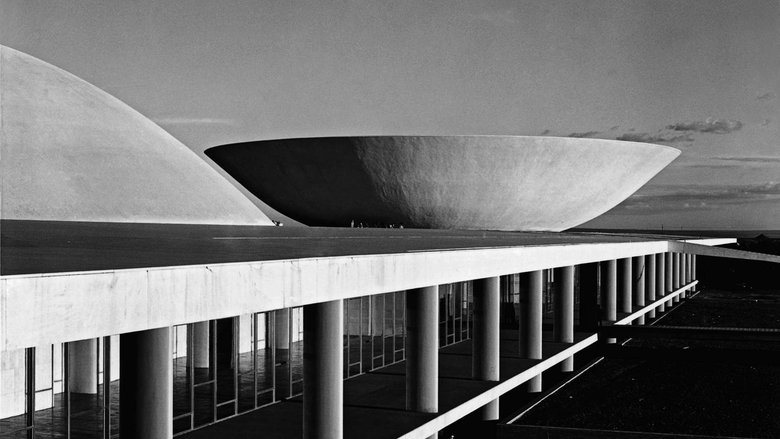
Brazilian architecture in the 20th century influenced generations of architects worldwide. But there was a time when choosing an architectural style also meant choosing a vision for the country, amidst political power struggles.
The documentary offers an overview of the district of Cidade Tiradentes and its inhabitants. It starts by the acquisition of land by the public authorities from the 1970s onwards, to the occupation of what is today one of the largest housing projects in Latin America.
Alan Yentob profiles the most successful female architect there has ever been, the late Zaha Hadid, who designed buildings around the globe from Austria to Azerbaijan.