
Frauen, Masken und Dämonen (1948)
Documentary about Africa that includes footage from Hans Schomburgk's numerous African expeditions. The film footage was shot between 1913 and 1932.
Documentary about Africa that includes footage from Hans Schomburgk's numerous African expeditions. The film footage was shot between 1913 and 1932.
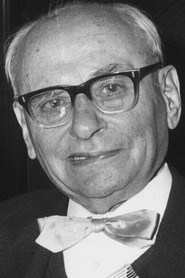 Hans SchomburgkSelf
Women from three separate Ju/'hoan bands have gathered at a mangetti grove at !O to play an intense game in which under-tones of social and personal tensions become apparent.
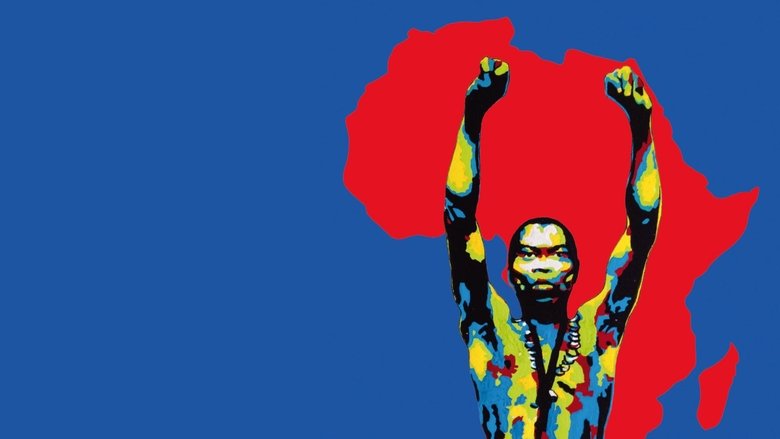
Fela Anikulapo Kuti created the musical movement Afrobeat and used it as a political forum to oppose the Nigerian dictatorship and advocate for the rights of oppressed people. This is the story of his life, music, and political importance.

At America's elite MIT, a Ghanaian alum follows four African students as they strive to graduate and become agents of change for their home countries Nigeria, Rwanda, Tanzania, and Zimbabwe. Over an intimate, nearly decade-long journey, all must decide how much of America to absorb, how much of Africa to hold on to, and how to reconcile teenage ideals with the truths they discover about the world and themselves.
The James Brown Story
This 1944 black and white silent film provides brief glimpses of the lifestyle among Kenya's white/European settlers during the Second World War.

The film follows the rugby season of Uitenhage prop forward Zama Takayi - who plays for Progress Rugby club, the club that amalgamated the black clubs of the Uitenhage area in the early 90’s.
Edeltraut Hertel - a midwife caught between two worlds. She has been working as a midwife in a small village near Chemnitz for almost 20 years, supporting expectant mothers before, during and after the birth of their offspring. However, working as a midwife brings with it social problems such as a decline in birth rates and migration from the provinces. Competition for babies between birthing centers has become fierce, particularly in financial terms. Obstetrics in Tanzania, Africa, Edeltraud's second place of work, is completely different. Here, the midwife not only delivers babies, she also trains successors, carries out educational and development work and struggles with the country's cultural and social problems.
This video research is based on a trip to Morocco in July 2005, during which the director documented irregular migration transiting through Morocco, as well as their control. This geographical project focuses on the main migratory axes: Oujda, entry point for migrants in Morocco; Tangier, from where migrants can try to cross the strait or the fences of Ceuta; Rabat, organization space; and Laayoune, the closest point to the Canaries. The video questions the nature and meaning of these extraterritorial enclaves that structure the Moroccan territory.
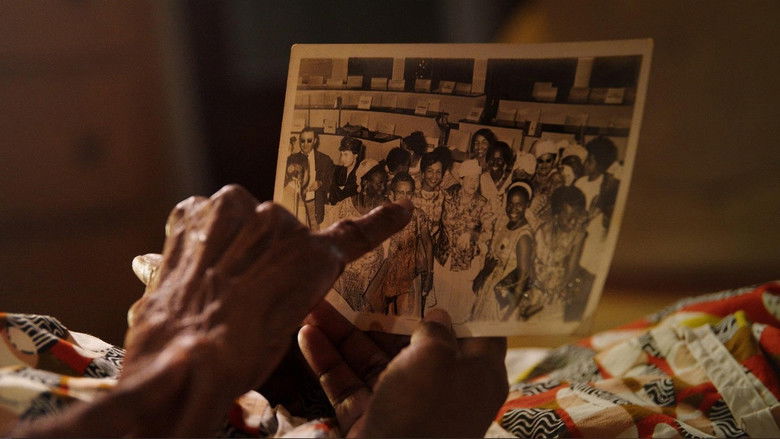
The story of a pioneer, Germaine Le Goff (1891-1986). After World War I, the Breton teacher left Douarnenez for adventure, with a journey that led her to Senegal. In 1938, she founded and directed a teacher training college in Rufisque, near Dakar, the first for primary school teachers in Africa.
The untold true story: The rise and fall of the greatest funk band ever, Parliament Funkadelic.
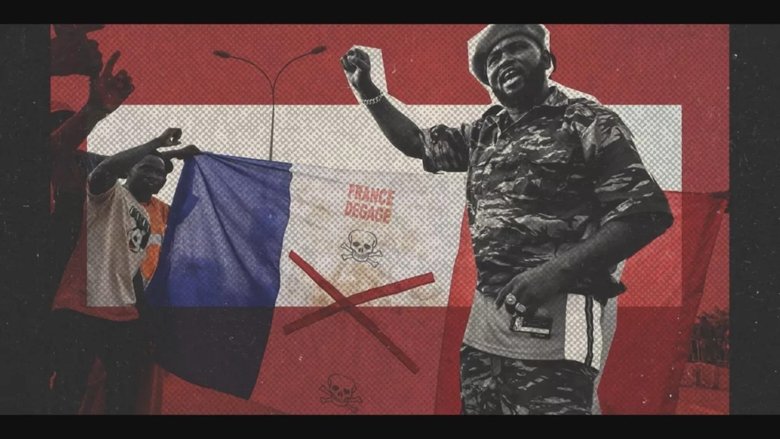
At a time when French flags are being burned and French embassies targeted, this documentary delves into the growing disaffection between French-speaking Africa and the former colonial power. Through the voices of African leaders, pan-African activists, and committed young people, the film questions the persistence of a relationship marked by the aftermath of colonization, the opaque agreements of "Françafrique," and a military presence deemed paternalistic.
An ethnographic documentary following four Ju/’hoansi (!Kung) men during a multi-day giraffe hunt in the Kalahari Desert, filmed during the Smithsonian–Harvard Peabody expedition of 1952–53.
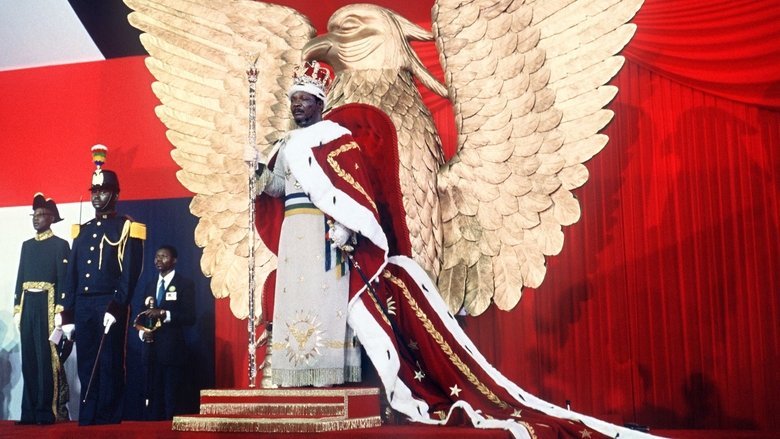
Peter Westerveld, artist and visionary, doesn’t want institutions to resolve the problems linked to earth’s problems. Growing up in Africa, he witnessed the advance of the desert and dedicated himself to finding solutions for the ongoing erosion and desertification of the land. The film follows Peter and the NGO working with him to realise his project; to build contour trenches that capture and store rain water under the surface and replenish the desert land.
Every year, on the steppes of the Serengeti, the most spectacular migration of animals on our planet: Around two million wildebeest, Burchell's zebra and Thomson's gazelles begin their tour of nearly 2,000 miles across the almost treeless savannah. For the first time, a documentary captures stunning footage in the midst of this demanding journey. The documentary starts at the beginning of the year, when more than two million animals gather in the shadow of the volcanoes on the southern edge of the Serengeti in order to birth their offspring. In just two weeks, the animal herd's population has increased by one third, and after only two days, the calves can already run as fast as the adults The young wildebeest in this phase of their life are the most vulnerable to attacks by lions, cheetahs, leopards or hyenas. The film then follows the survivors of these attacks through the next three months on their incredible journey, a trip so long that 200,000 wildebeest will not reach the end.
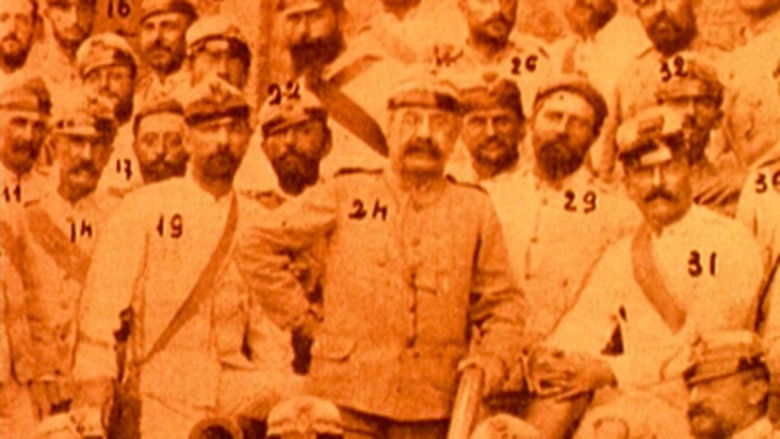
In 1896, Ethiopia, an African nation, largely armed with spears and knives, defeats a well-equipped and organized Italian military bent on colonization.
Following the 1884–85 Berlin Conference resolution on the partition of Africa, the Portuguese army uses a talented ensign to register the effective occupation of the territory belonging to the Cuamato people, conquered in 1907, in the south of Angola. A STORY FROM AFRICA enlivens a rarely seen photographic archive through the tragic tale of Calipalula, the Cuamato nobleman essential to the unfolding of events in this Portuguese pacification campaign.
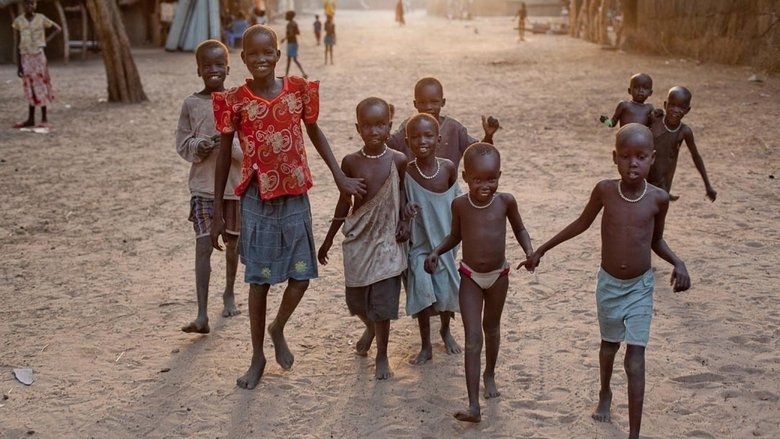
Filmmaker Christopher Quinn observes the ordeal of three Sudanese refugees -- Jon Bul Dau, Daniel Abul Pach and Panther Bior -- as they try to come to terms with the horrors they experienced in their homeland, while adjusting to their new lives in the United States.
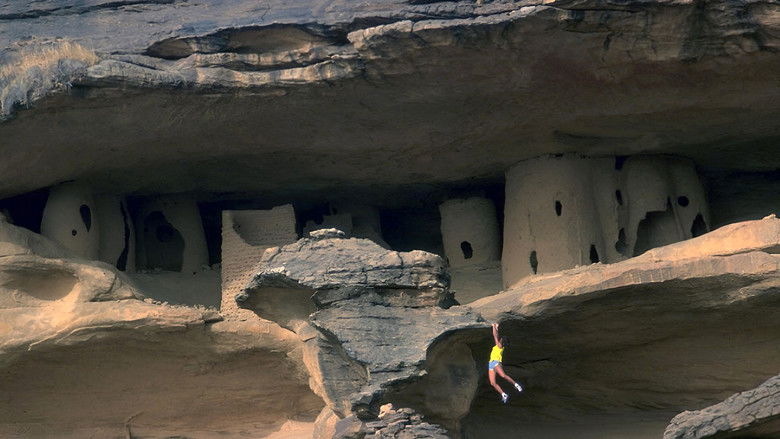
The film shows Catherine Destivelle's trip to Dogon Country, in Mali, where she will make spectacular free solo rock climbing ascents in the sun-warmed cliffs of Bandiagara. Destivelle is accompanied on this trip by a friend climber, Lucien Abbet. A film by Pierre-Antoine Hiroz produced in 1987 by Paradoxe and also featuring Tidjani Koné, Ibrahim Dolo, and the Dogon inhabitants of the Bandiagara Escarpment. The film won the Genziana D'argento for best free climbing film at the Trento Film Festival in 1987.