
Similar to Fredy
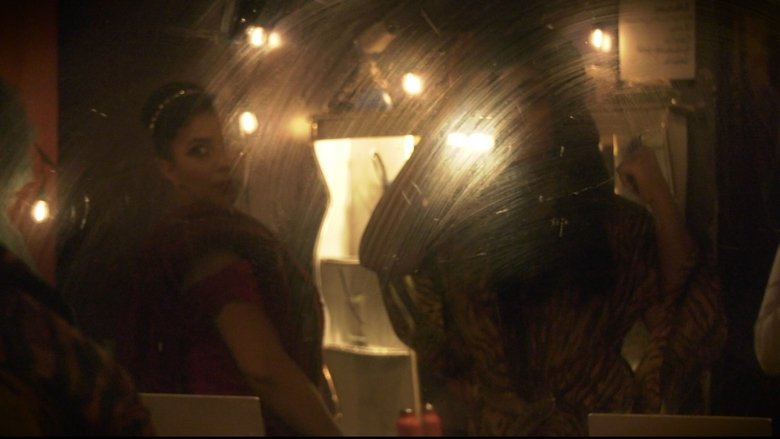
Burlesque (2025)
Student documentary exploring the world of burlesque as a space for artistic expression and personal liberation, where performers channel their creativity and sensuality. Through their voices, they speak about the power of the stage to reconnect with their bodies and establish a deep connection with the audience. Burlesque is presented as a feminist, inclusive, and supportive environment, celebrating gender and body diversity. The action takes place at the Wiggle Room, located in Montreal. It is the only burlesque cabaret in Canada, known for its warm atmosphere and strong sense of community.
Chez Schwartz (2007)
Chez Schwartz takes us inside a year in the life of Schwartz's Deli - the unique 75-year-old landmark on Montreal's historic Main. Filmed through changing seasons, from the quiet of early morning preparation to the frenetic bustle of packed lunch times and never ending line-ups, to the more relaxed ambiance late at night - Chez Schwartz is an evocative, cinematic portrait of a small spunky deli known worldwide equally for its atmosphere and smoked meat.
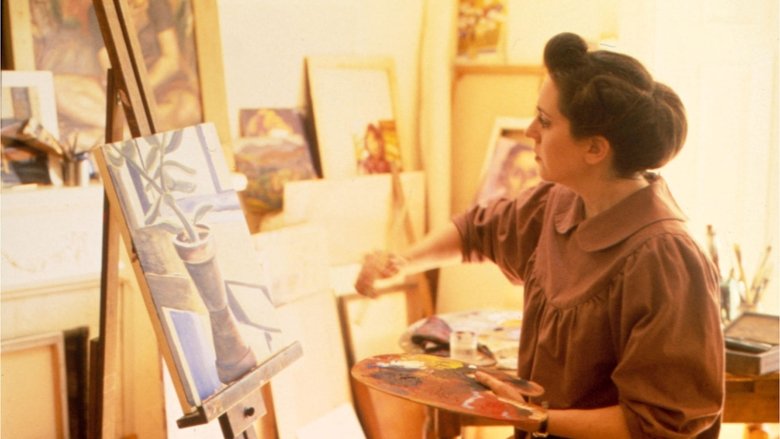
By Woman's Hand (1994)
In 1920 a group of young Montreal women artists formed the nucleus of what would later become known as the Beaver Hall Hill Group. Members recount how they created an artistic environment of mutual support that lasted for more than three decades.
Ville-Marie (1965)
Today it is the city of Montreal, but 3 centuries ago the tiny band of missionary founders called it Ville-Marie, the holy city of Mary. This film goes back to its beginning and those who felt called to plant an oasis of Christianity in the North American wilderness. In an imaginative, at times almost surrealistic, way the film recalls the highborn company from France, and shows what survives of Ville-Marie in the Montreal of today.
Breaking Point: Canada/Quebec - The 1995 Referendum (2005)
BREAKING POINT brings viewers back to those tense, critical moments when Canada's future as a country was at stake.
This Beggar's Description (2006)
It's a sensitive, moving doc chronicling the life of Tétrault's brother Philip , a Montreal poet, musician and diagnosed paranoid schizophrenic. A promising athlete as a child, Philip began experiencing mood swings in his early 20s. His extended family, including his daughter, share their conflicted feelings love, guilt, shame, anger with the camera. They want to make sure he's safe, but how much can they take?
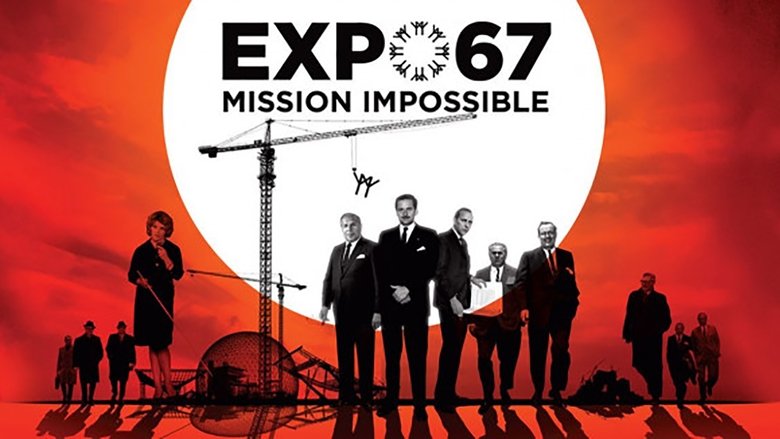
EXPO 67 Mission Impossible (2017)
This documentary let us to relive the challenge of the men behind the 1967 Universal Exposition in Montréal, Canada. By searching trough 80,000 archival documents at the national Archives, they managed to bring light on one of the biggest logistical and political challenges that were faced by organizers during the "Révolution Tranquille" in the Québec sixties. Includes the accounts of the Chief of Advertising Yves Jasmin, and businessman Philippe de Gaspé Beaubien.
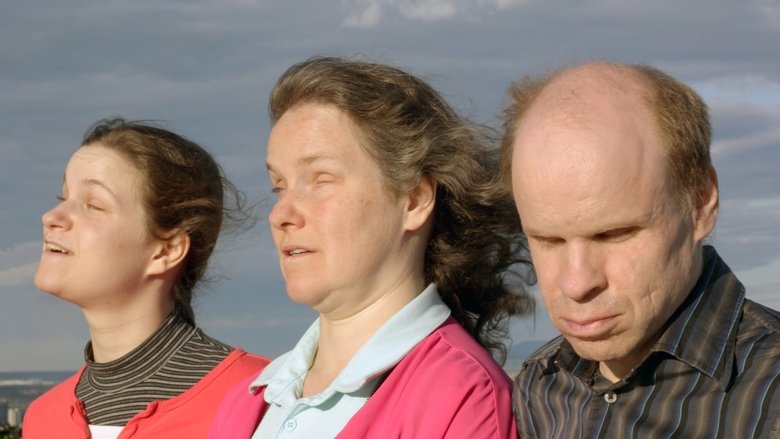
Resurrecting Hassan (2017)
Traces the lives of the Hartings, a blind Montreal family of three who make their living singing in the city's subway stations. The Hartings lost their only sighted child Hassan in a tragic drowning accident, and have since turned to the teachings of Russian mystic Grigori Grabovoi, hoping to resurrect their son. Resurrecting Hassan is an exploration of this family's legacy of grief, tragedy and abuse; the film will follow them on their path to redemption.
HAK_MTL (2019)
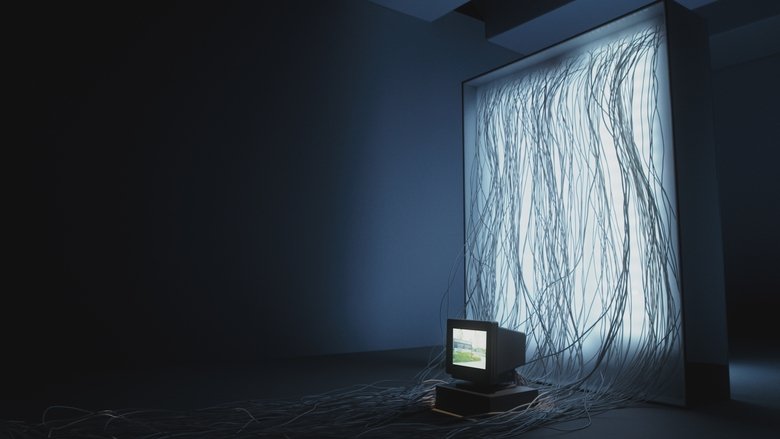
Does privacy still exist in 2019? In less than a generation, the internet has become a mass surveillance machine based on one simple mindset: If it's free, you're the product. Our information is captured, stored and made accessible to corporations and governments across the world. To the hacker community, Big Brother is real and only a technological battle can defeat him.
Voltige (2024)
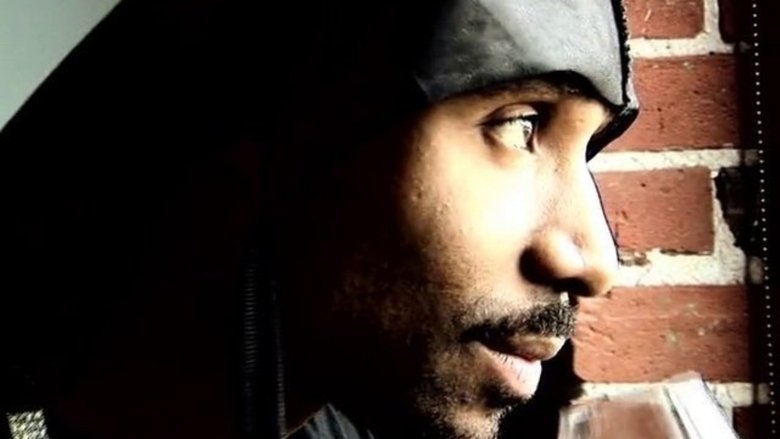
Anna, a twelve-year-old Ukrainian gymnast, has fled her war-torn country and recently settled in Montreal with her mother, younger brother, and grandmother. Confronted by the past, the challenges of exile, and a deep need for belonging, she seeks to rebuild her identity and regain her balance. Through her child’s perspective, the documentary explores the reality of life after war, questioning what endures and what is missing, even when one has found refuge.
September Five at Saint-Henri (1962)
This short film is a series of vignettes of life in Saint-Henri, a Montreal working-class district, on the first day of school. From dawn to midnight, we take in the neighbourhood’s pulse: a mother fussing over children, a father's enforced idleness, teenage boys clowning, young lovers dallying - the unposed quality of daily life.
Les héritiers (1955)
Gilles Groulx's first film shot in 1955 with a camera borrowed from his brother and edited during his spare time when he worked as an editor at the Radio-Canada news service a few years before he joined the NFB. Silent film, presented as its author left it, where the soil and the dialectic of Groulx's work are already there: documentary realism, the social space to be explored, daily life, the relationship between individual and society, social disparities, the consumer society, seduction and happiness.
Evicted City (2023)
Montreal — one of the few remaining affordable cities in North America — is now in the midst of an unprecedented housing crisis. An intimate portrait of socio-political resistance, this multilayered film explores the human impact of real estate speculation on the cities of tomorrow.

I Remember a Time When No One Jogged in This Neighbourhood (2021)
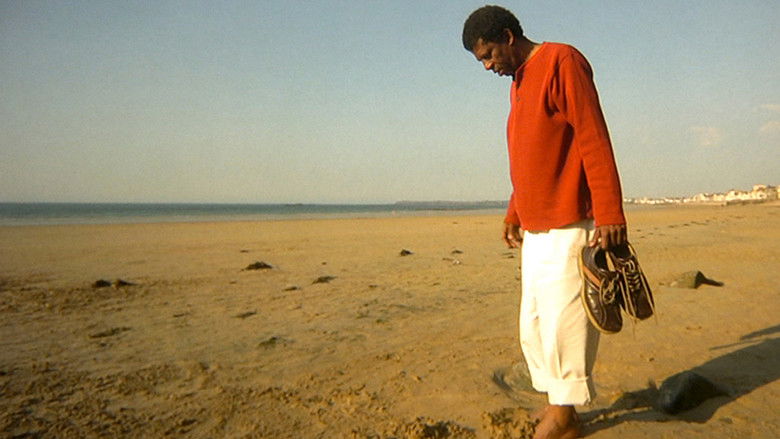
With its fluid arrangement of black and white scenes paired with an immersive soundscape, Je me souviens d’un temps où personne ne joggait dans ce quartier is a celebration of the many faces of Park Extension. The film provides a glimpse inside a festive cultural gathering; the workshop of a meticulous artisan; and an alley where a young cyclist is learning to ride. With her restrained approach, the filmmaker hints little by little at a seemingly inevitable transformation, while the relentless onset of gentrification threatens the social fabric of a neighbourhood. After a critically acclaimed detour into audio documentary, Jenny Cartwright returns to the evocative force of images to evoke a rich and diverse community.
Le patro Le Prévost - 80 Years Later (1991)
Alanis Obomsawin turns her lens to Le Patro Le Prévost, a recreational centre in the Villeray quarter of Montreal. On the eve of its 80th anniversary in 1989, Le Patro is a vital focal point in the predominantly working-class neighbourhood. Beloved by the many generations who use the facilities and partake in activities daily, Le Patro encourages a strong sense of togetherness through principles of cooperation, respect and sharing. Obomsawin presents a tender portrait of a neighbourhood of diverse residents and the community centre many of them consider a second home.