
Dismissal from Mass in Ljutomer (1905)
1905 short film showing people walking down a Ljutomer street after mass.
1905 short film showing people walking down a Ljutomer street after mass.
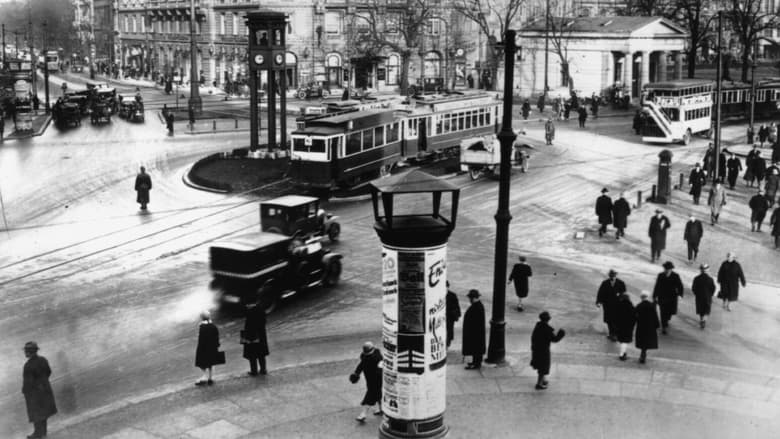
A day in the city of Berlin, which experienced an industrial boom in the 1920s, and still provides an insight into the living and working conditions at that time. Germany had just recovered a little from the worst consequences of the First World War, the great economic crisis was still a few years away and Hitler was not yet an issue at the time.
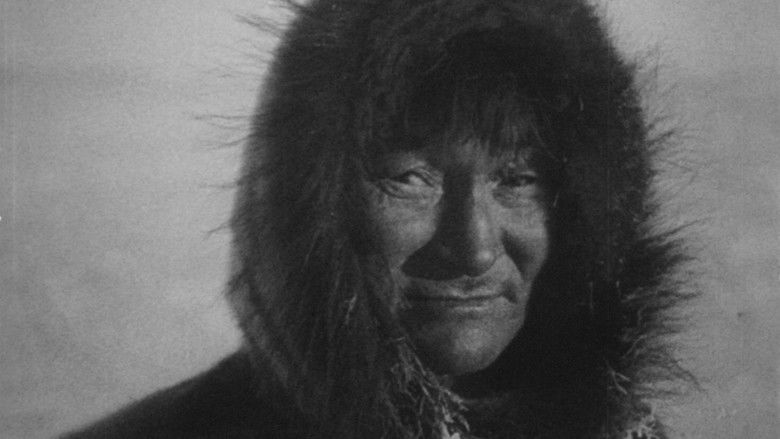
This pioneering documentary film depicts the lives of the indigenous Inuit people of Canada's northern Quebec region. Although the production contains some fictional elements, it vividly shows how its resourceful subjects survive in such a harsh climate, revealing how they construct their igloo homes and find food by hunting and fishing. The film also captures the beautiful, if unforgiving, frozen landscape of the Great White North, far removed from conventional civilization.
A silent succession of black-and-white photographs of the city of Montreal.
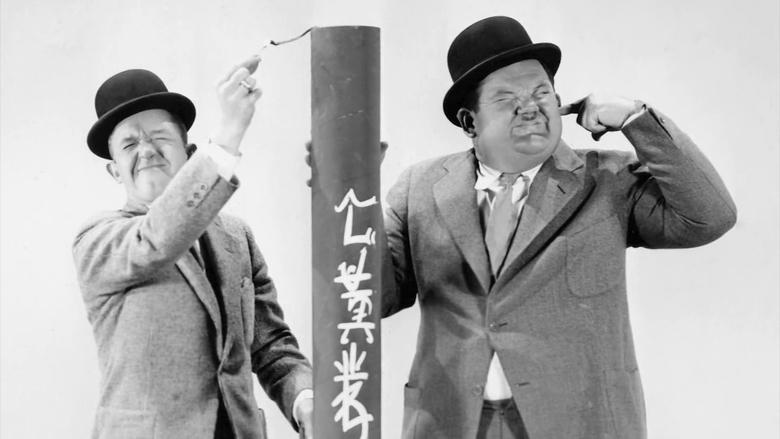
The lives of Stan Laurel (1890-1965) and Oliver Hardy (1892-1957), on the screen and behind the curtain. The joy and the sadness, the success and the failure. The story of one of the best comic duos of all time: a lesson on how to make people laugh.

Jesus Camp is a Christian summer camp where children hone their "prophetic gifts" and are schooled in how to "take back America for Christ". The film is a first-ever look into an intense training ground that recruits born-again Christian children to become an active part of America's political future.
Film historians, and survivors from the nearly 30-year struggle to bring sound to motion pictures take the audience from the early failed attempts by scientists and inventors, to the triumph of the talkies.
Late 1800s cigarette advertisement produced by Thomas Edison Manufacturing.
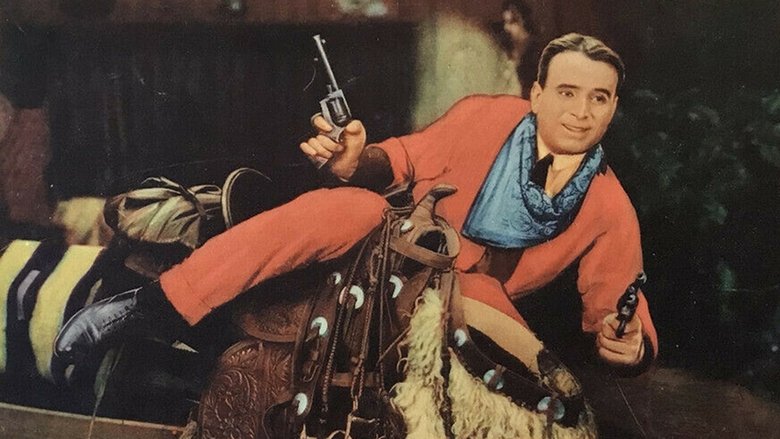
An appreciative, uncritical look at silent film comedies and thrillers from early in the century through the 1920s.

Tina Turner overcame impossible odds to become one of the first female Black artists to reach a mainstream international audience. Her road to superstardom is an undeniable story of triumph over adversity. It’s the ultimate story of survival – and an inspirational story of our times.
"Danse serpentine" (Gaumont #588) is part of the "Miss Lina Esbrard. Danseuse cosmopolite et serpentine" series of 4 films, and should not be confused with "Danse excentrique" (Gaumont #587), "Danse fantaisiste" (Gaumont #589) or "La Gigue" (Gaumont #590).
A display of flower bouquets, rotating to show the Kinemacolour process.
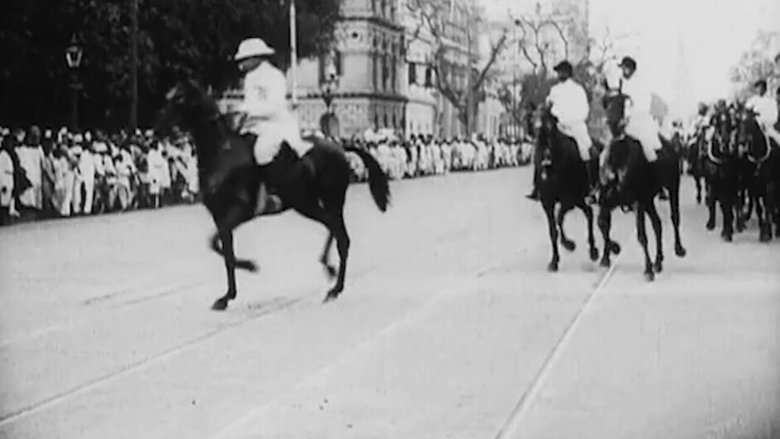
Lord Lytton takes up the post of Governor of Bengal.
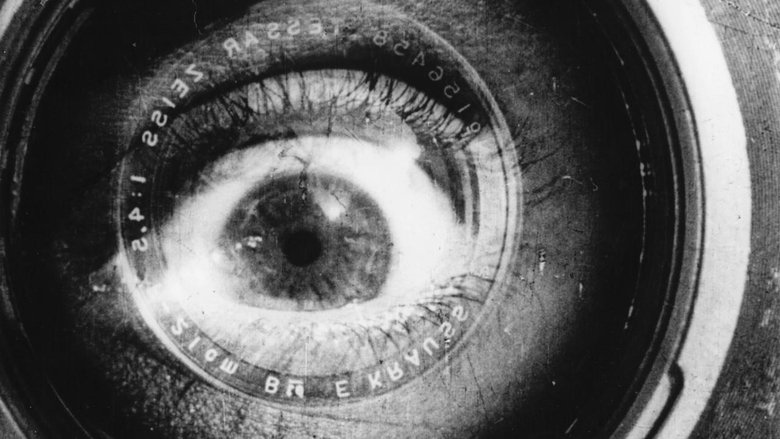
A cameraman wanders around with a camera slung over his shoulder, documenting urban life with dazzling inventiveness.
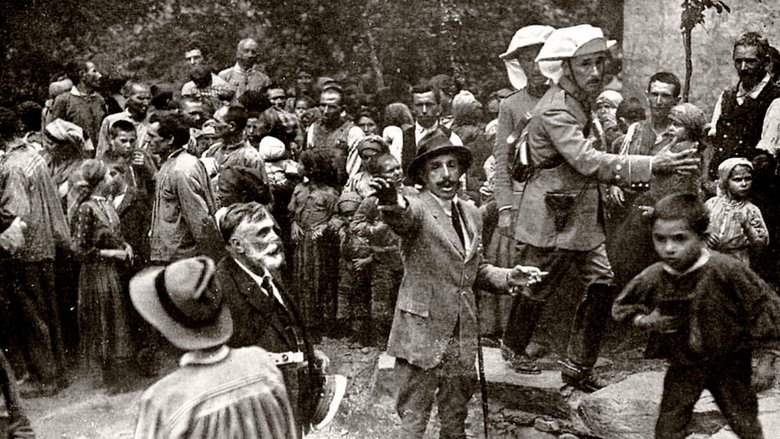
An account of the journey that King Alfonso XIII of Spain made to the impoverished shire of Las Hurdes, in the province of Cáceres, in the region of Extremadura, in 1922.
Buster Brown creater R.F. Outcault sketches his creation. Part of the Buster Brown series for Edison film studio.
Melania Trump's homeland is open for business.

When governments use Covid emergency act edicts to restrict the gathering and worship of the Church, three pastors facing the risk of imprisonment, unlimited fines, and their own Churches splitting apart take a courageous stand and re-open in the face of a world that has chosen to comply.
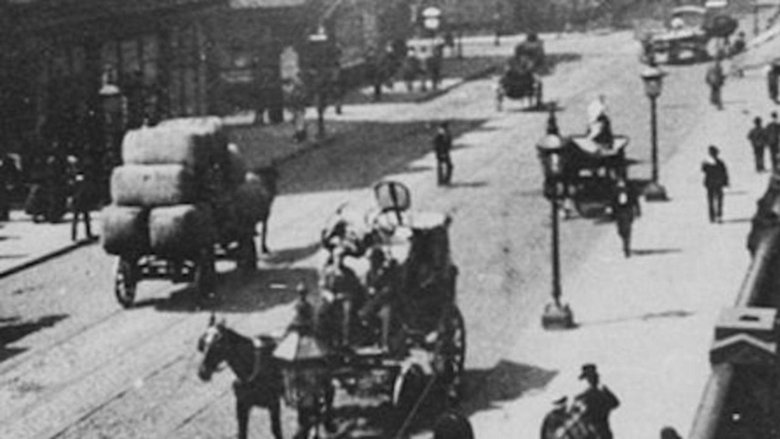
A film by Louis Aimé Augustin Le Prince, shot in late October 1888, showing pedestrians and carriages crossing Leeds Bridge.
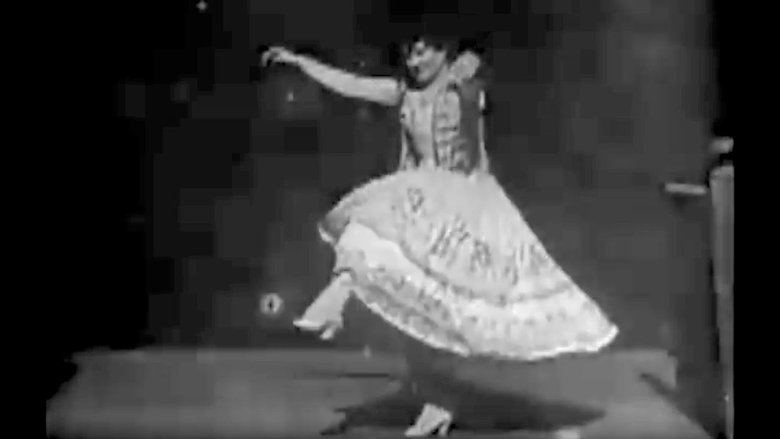
The first woman to appear in front of an Edison motion picture camera and possibly the first woman to appear in a motion picture within the United States. In the film, Carmencita is recorded going through a routine she had been performing at Koster & Bial's in New York since February 1890.