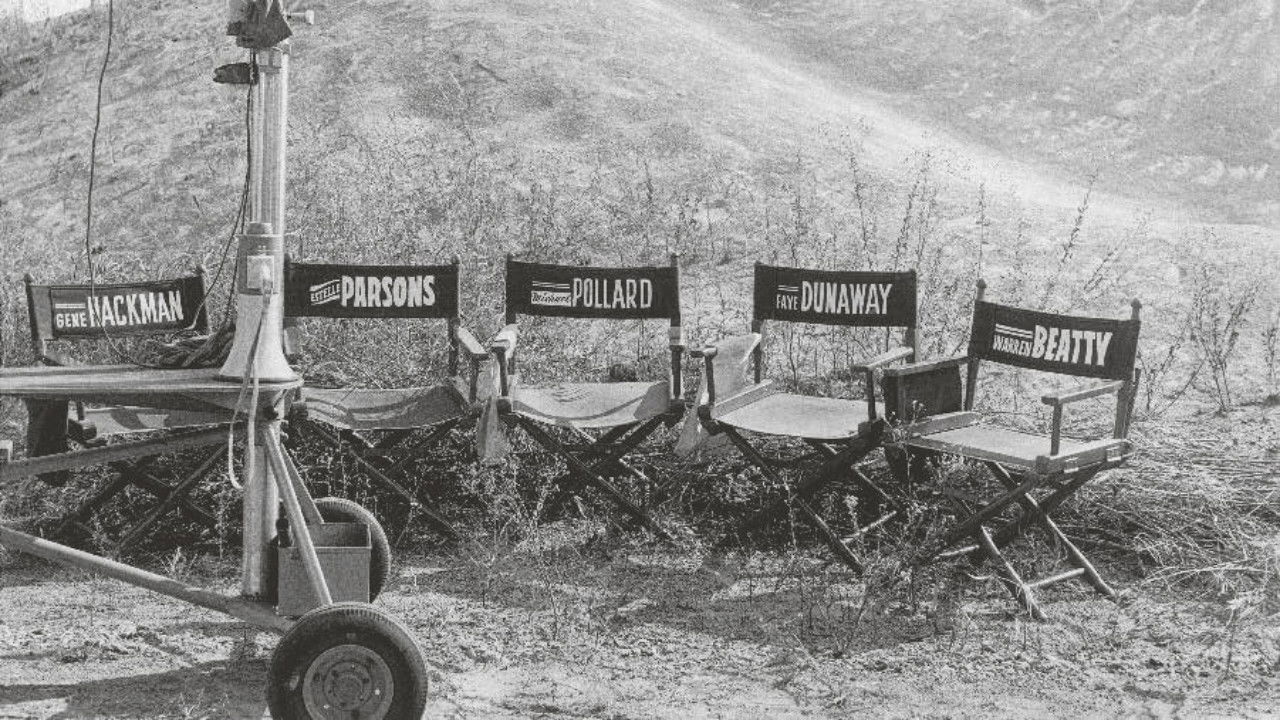
Revolution! The Making of 'Bonnie and Clyde' (2008)
The making-of documentary of Bonnie and Clyde.
The making-of documentary of Bonnie and Clyde.
 Warren BeattySelf
 Robert BentonSelf
 Robert TowneSelf
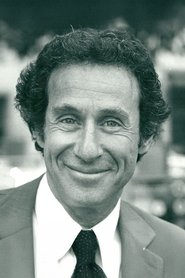 Arthur PennSelf
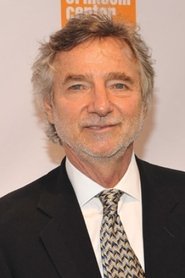 Curtis HansonSelf
 Faye DunawaySelf
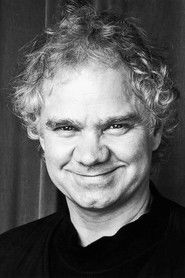 Michael J. PollardSelf
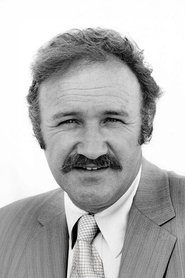 Gene HackmanSelf
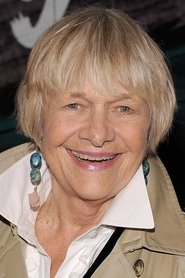 Estelle ParsonsSelf
 Theadora Van RunkleSelf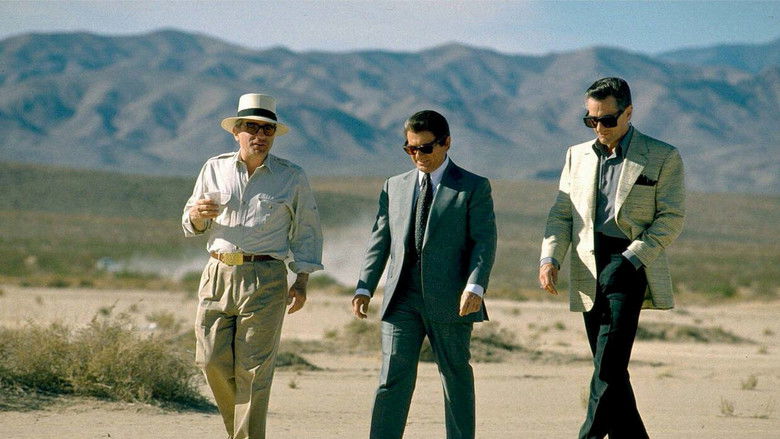
A four-part making-of documentary about Scorcese’s 1995 Vegas crime epic Casino featured in physical media releases and split into sections on the Story, the Cast and Characters, the Look and After the Filming.
Belgian filmmaker Eric Pauwels' meditation on dream, travel and film.
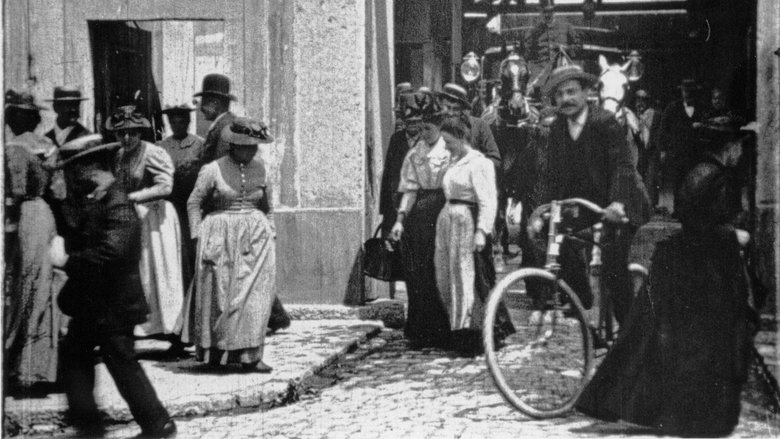
Working men and women leave through the main gate of the Lumière factory in Lyon, France. Filmed on 22 March 1895, it is often referred to as the first real motion picture ever made, although Louis Le Prince's 1888 Roundhay Garden Scene pre-dated it by seven years. Three separate versions of this film exist, which differ from one another in numerous ways. The first version features a carriage drawn by one horse, while in the second version the carriage is drawn by two horses, and there is no carriage at all in the third version. The clothing style is also different between the three versions, demonstrating the different seasons in which each was filmed. This film was made in the 35 mm format with an aspect ratio of 1.33:1, and at a speed of 16 frames per second. At that rate, the 17 meters of film length provided a duration of 46 seconds, holding a total of 800 frames.
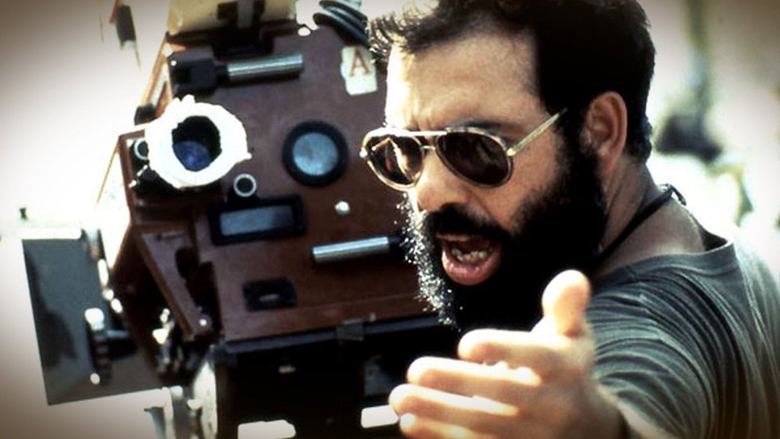
A chronicle of the production problems — including bad weather, actors' health, war near the filming locations, and more — which plagued the filming of Apocalypse Now, increasing costs and nearly destroying the life and career of Francis Ford Coppola.
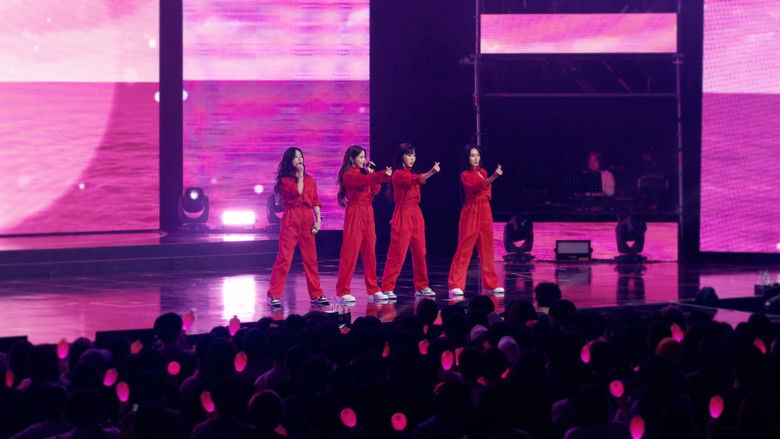
Join K-pop's vocal powerhouse as they embark on their first world tour. Idols Solar, Moon Byul, Whee In, and Hwa Sa invite you on their journey. Witness their captivating vocals and dynamic performances, then delve into their personal and heartfelt stories like never before, offering a rare glimpse behind the scenes. Beginning with the MAMAMOO WORLD TOUR "MY CON" - SEOUL, the group's story unfolds.
When Francois Truffaut approached Alfred Hitchcock in 1962 with the idea of having a long conversation with him about his work and publishing this in book form, he didn't imagine that more than four years would pass before Le Cinéma selon Hitchcock finally appeared in 1966. Not only in France but all over the world, Truffaut's Hitchcock interview developed over the years into a standard bible of film literature. In 1983, three years after Hitchcock's death, Truffaut decided to expand his by now legendary book to include a concluding chapter and have it published as the "Edition définitive". This film describes the genesis of the "Hitchbook" and throws light on the strange friendship between two completely different men. The centrepieces are the extracts from the original sound recordings of the interview with the voices of Alfred Hitchcock, Francois Truffaut, and Helen Scott – recordings which have never been heard in public before.
This short begins at Boulder Dam (now Hoover Dam). The electricity generated here by the Colorado River is sent to Hollywood, where movie studios need it to make movies. After a tour of the MGM studios' power plants, we see short advertisements for upcoming MGM releases.
A tribute to the late, great French director Francois Truffaut, this documentary was undoubtedly named after his last movie, Vivement Dimanche!, released in 1983. Included in this overview of Truffaut's contribution to filmmaking are clips from 14 of his movies arranged according to the themes he favored. These include childhood, literature, the cinema itself, romance, marriage, and death.
A behind-the-scenes look at the creative process behind Juzo Itami's "Minbo no Onna" a.k.a. "Minbo: the Gentle Art of Japanese Extortion".
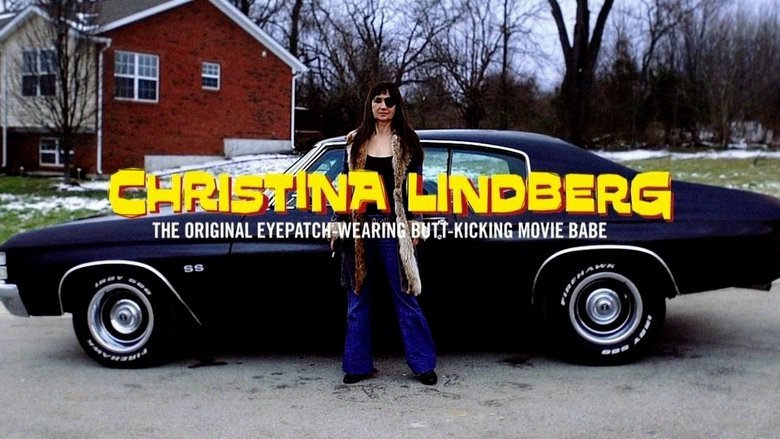
A look at the life and work of Christina Lindberg, the most famous Swedish model of the 1970s and star of exploitation cinema.
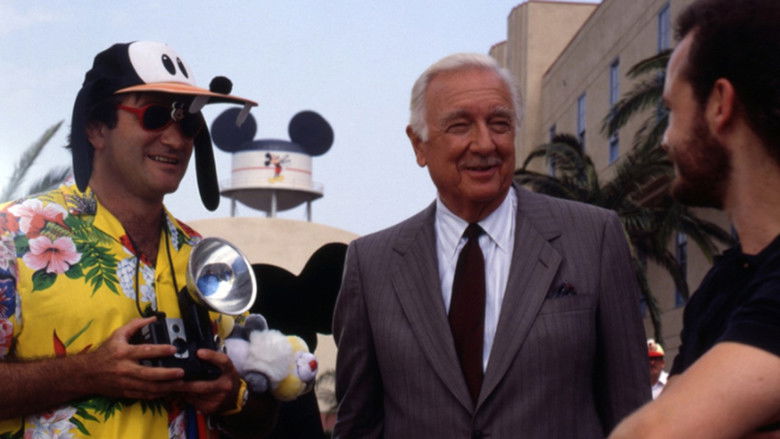
Legendary TV news anchor Walter Cronkite takes ecstatic Disneyland tourist Robin through the process of Disney's hand drawn animation and makes Robin's wish of visiting the animated world of Peter Pan (1953) come true.
This second entry in MGM's "Romance of Film" series documents how celluloid movie film is processed and features behind-the-scenes glimpses of current MGM productions.
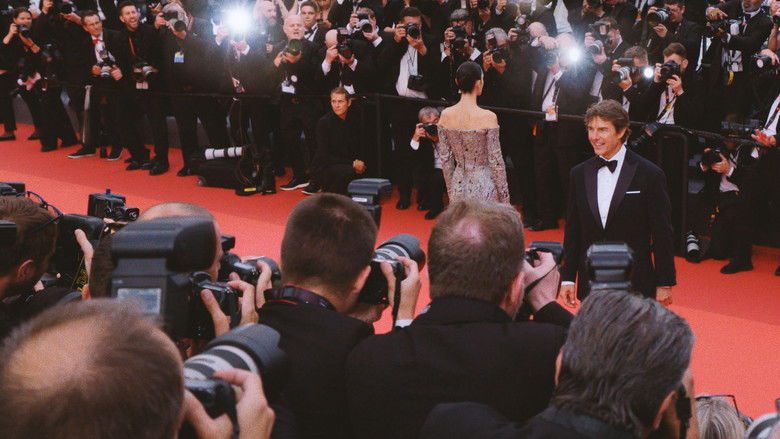
Looks at the glamour, red carpets, movies, craziness, stunts, deals, parties and personalities that have been part of the Cannes Film Festival over eight decades, as well as looking to the future.
Noted Hollywood stars and directors talk about the history and evolution of the film industry in Los Angeles.
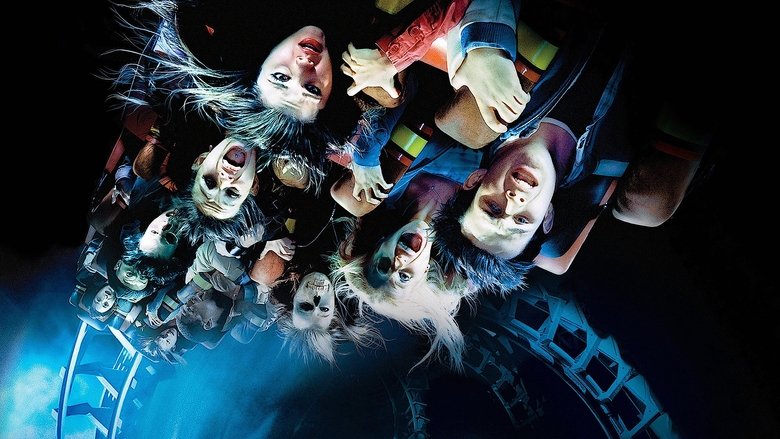
Go behind the pre-production, production, and post-production process of making New Line Cinema's Final Destination 3, exploring the history of not only the film itself but of its filmmaking partners, Glen Morgan and James Wong, and gain insight on the production as a whole. Includes early development meetings, on-set action, interviews with cast and crew, visual effects development, test screening process as well as an elaborate ending re-shoot.
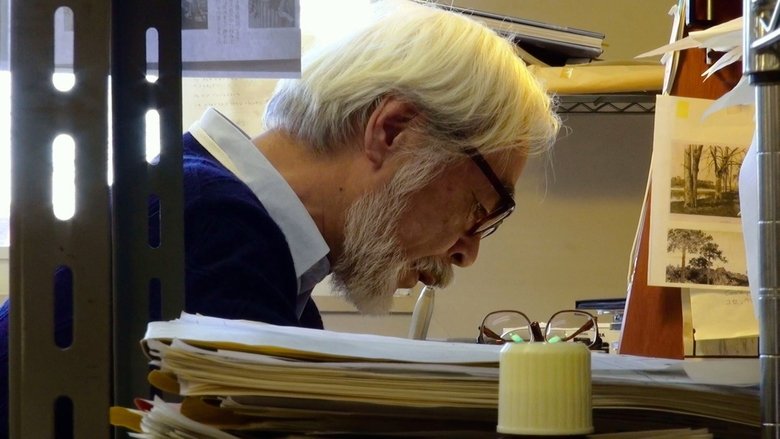
Follows the behind-the-scenes work of Studio Ghibli, focusing on the notable figures Hayao Miyazaki, Isao Takahata, and Toshio Suzuki.
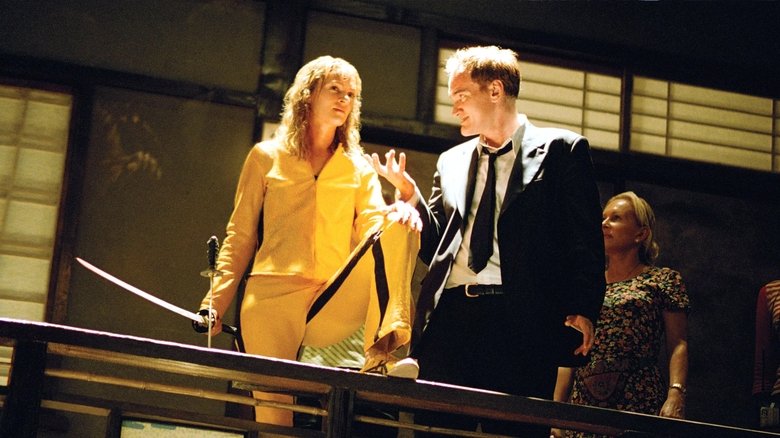
The documentary of Kill Bill Vol. 1, and how it was made. This is a documentary found on the DVD of Kill Bill Vol. 1. It consists of interviews, behind-the-scenes footage, and clips of the movie.
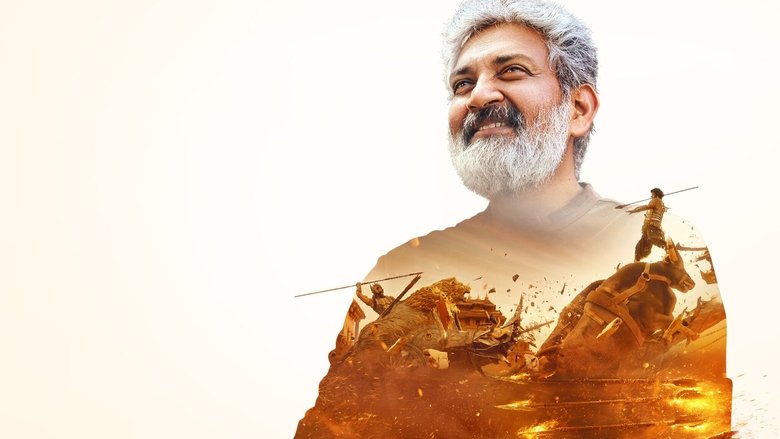
Highlights Rajamouli’s influence on Indian and international cinema, with interviews and behind-the-scenes footage.