
Carrier or Killer (1966)
This film shows the dangers of driving commercial trucks professionally as part of driver’s education. It displays various truck drivers; some cautious and others fatally dangerous.
This film shows the dangers of driving commercial trucks professionally as part of driver’s education. It displays various truck drivers; some cautious and others fatally dangerous.
Discusses essential scuba diving safety and rescue techniques. It highlights the importance of following safety rules, such as not diving alone and knowing how to use rescue equipment effectively. It demonstrates various rescue methods, including the removal of a weight belt, inflating life vests, and using paddleboards and rescue tubes. The film emphasizes that proper training and equipment can significantly enhance a rescuer's ability to save lives in emergencies.
One in a series of traffic safety films made in 1950 by James S. Kemper for the Lumbermans Mutual Casualty Company, with the technical assistance of the LAPD, "Teenicide" addresses the alarming issue of teenage driving-related deaths. The film referrs to "teenocide" because as the police officer narrator states, there has been an 86% increase in the 15-24 age group over the past 25 years.
In the new world of high-speed highway driving, there are a host of new dangers to take into account.
Investigating deadly truck accidents and the fight over measures that could save lives.
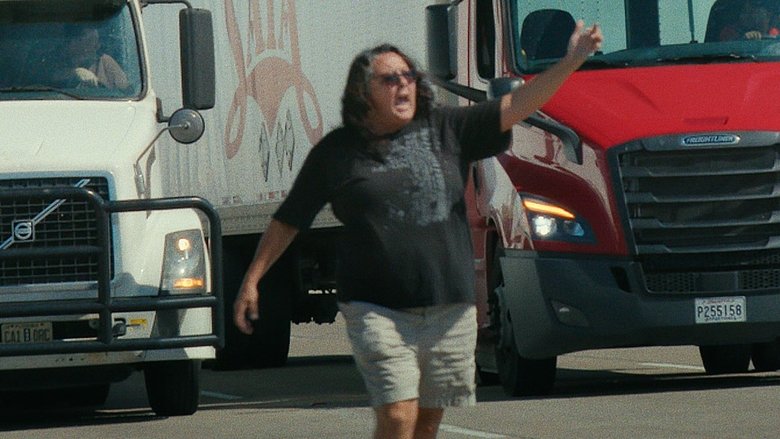
DRIVER is a soulful exploration of resolute female long-haul truck drivers pursuing validation for their hard-earned work as they navigate the oppressive forces in their industry. Employing an intimate lens, Nesa Azimi’s first feature brings the audience into a community of solidarity and self-determination.
Public warning film on road safety for children - 3 small children meet Death.

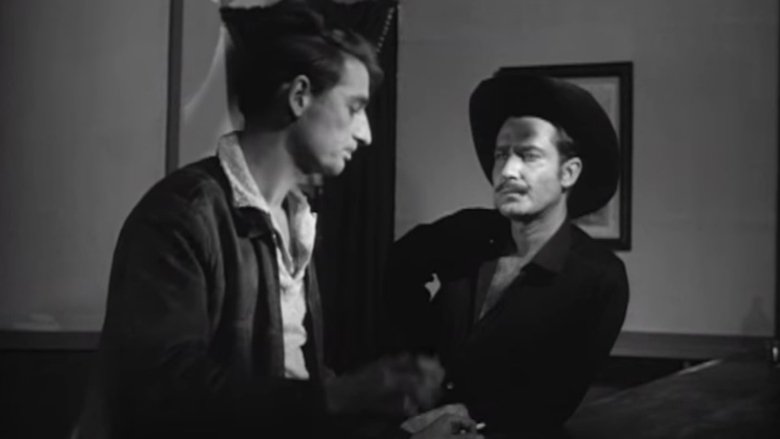
Shot with a big cowboy nod to the Western genre, this road safety film shows the danger of speeding on an unknown country road at night.

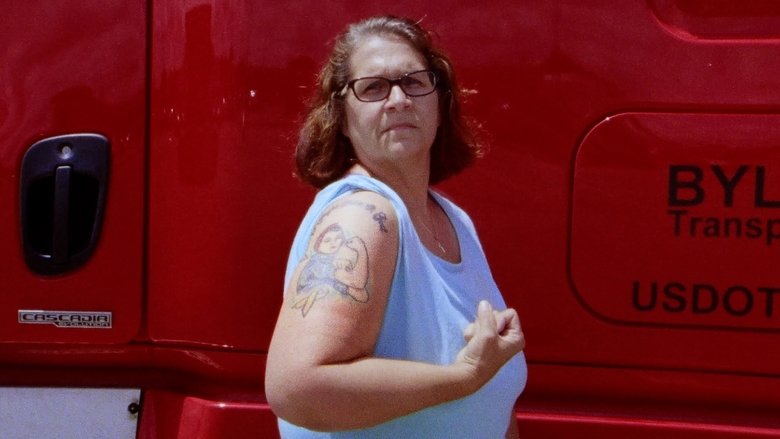
Through experimentation, direct observational filmmaking, and performative play, filmmaker Amy Reid rides and films with women truckers who have fled domestic violence, the stigmas of being formerly incarcerated, and mental health issues. The three subjects -- Sandi, Lori, and Tracy -- each share how they started trucking and what keeps them trucking.
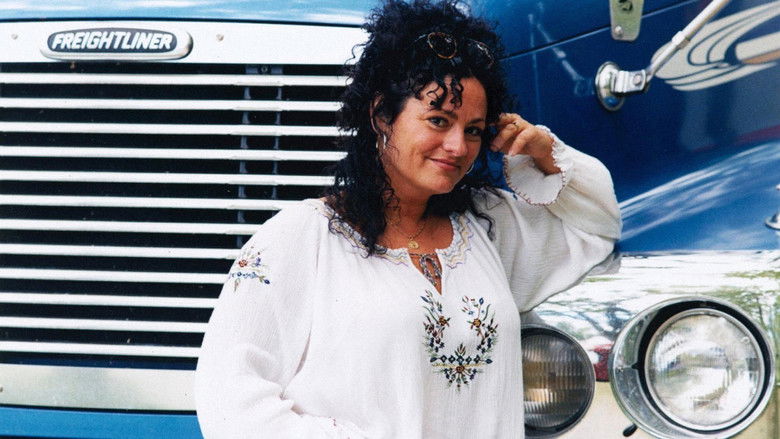
This feature documentary shines a light on a group of women who are passionate about their non-traditional job – trucking. Filmed in 1999, it follows the women all across Quebec as they do their job and address the big-ticket items in life: love, family, freedom, and solitude. Filled with humour and the contagious good spirits of the women involved.
United States Navy Training Film produced under the supervision to the Bureau of Aeronautics by Walt Disney Productions in Technicolor
Produced by Jack McGaw and co-produced by The National Research Council, the Ontario Ministry of Transportation of Communications, and Toronto/Ontario Provincial Police, they demonstrate dangers of driving under the influence of alcohol and drugs with participating young drivers alongside field experts and researchers to aid in their experiments.
A Disney educational animated short instructing the use of the Boys MK.1 Anti-Tank rifle.
A doctor talks about the number of injuries and deaths resulting from automobile accidents.
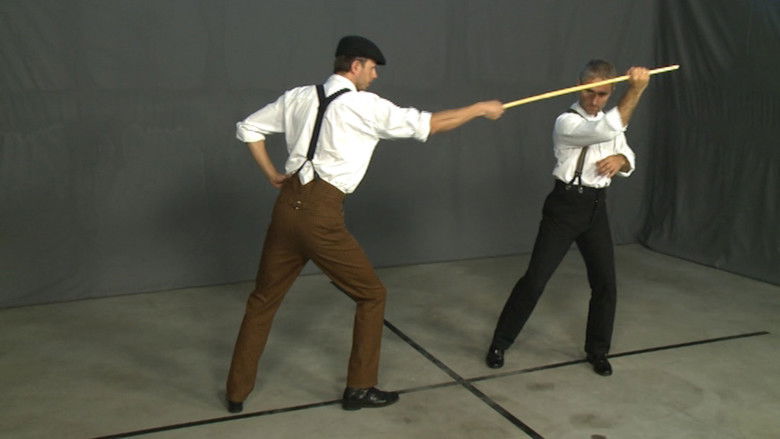
Edward Barton-Wright was one of the first Europeans to study Ju-Jitsu in Japan. Back in London, he founded a club where he taught the upscale society in self-defense. He combined the most effective martial arts of his time: Canne Vigny, Boxing, Savate and Ju-Jitsu. Barton-Wright became such an early pioneer of mixed martial arts (MMA). He called his self-defense art Bartitsu . The stick fighting instructor at the Bartitsu Club was Pierre Vigny, who optimized the techniques of classic French stick fighting for self-defense.
Three young commuter cyclists set out to bike from San Francisco to Orlando, interviewing crash victims, urban planners, activists and law enforcement to investigate what makes the U.S the most dangerous developed country for cyclists. Shot on location, the trio travel to each interview by bicycle, with cameras, tripods and microphones strapped to their front-racks. Carrying the stories of fellow cyclists killed on American roads, SPOKE is an adventure-tale that looks to empower users of the humble bicycle.
From feckless mothers pushing their prams across roads without looking, to a Dick Dastardly character in his sports car, we see the dangers of road accidents brought to life by the West Riding Constabulary just after the war in 1947, when drivers still used hand signals.

A training video made by Doctor’s Associates Inc. to demonstrate basic customer service techniques for Subway employees.
This 1964 training film, “Mob and Riot Control,” was produced by Charles Cahill and Associates, Inc and presented by Federal Laboratories, Inc. illustrating police tactics and techniques for controlling civil disturbances. The film opens with unruly mobs shouting and overturning a car.