
The Three Children (1946)
Public warning film on road safety for children - 3 small children meet Death.
Public warning film on road safety for children - 3 small children meet Death.
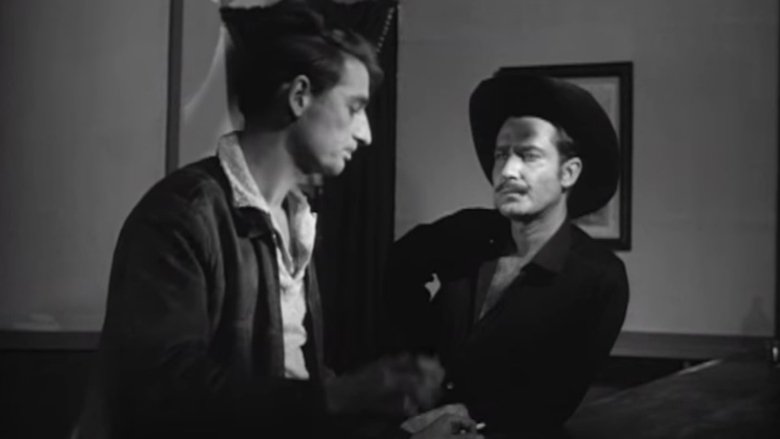
Shot with a big cowboy nod to the Western genre, this road safety film shows the danger of speeding on an unknown country road at night.
Investigating deadly truck accidents and the fight over measures that could save lives.
Sid James learns of the joys of owning a budgerigar.
In the new world of high-speed highway driving, there are a host of new dangers to take into account.
This film shows the dangers of driving commercial trucks professionally as part of driver’s education. It displays various truck drivers; some cautious and others fatally dangerous.
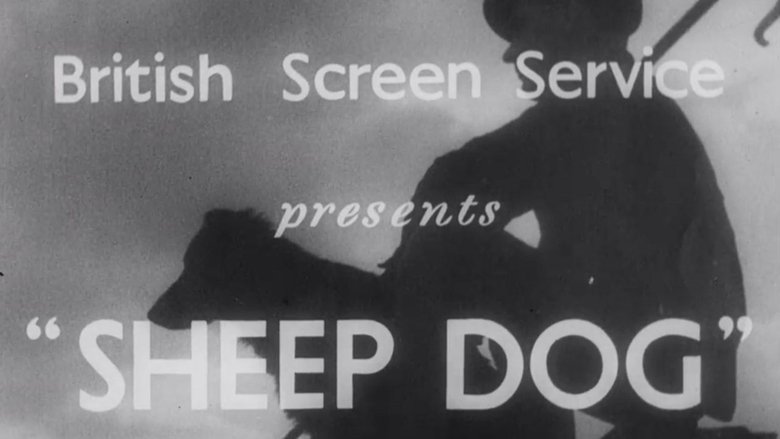
Tom Jones, a shepherd who lived in one of the Ystradfechan Cottages at Old Farm, Treorchy, was employed by the Ocean Coal Company who owned the land above ground and coal (the Park and the Dare Collieries) beneath. A farrier who lived in the adjoining cottage tended to all the Park and Dare pit ponies. Tom Jones was known world-wide as the “Wonder Shepherd” for his remarkable skills as an animal trainer which, together with his concern for his flock, are recorded here.
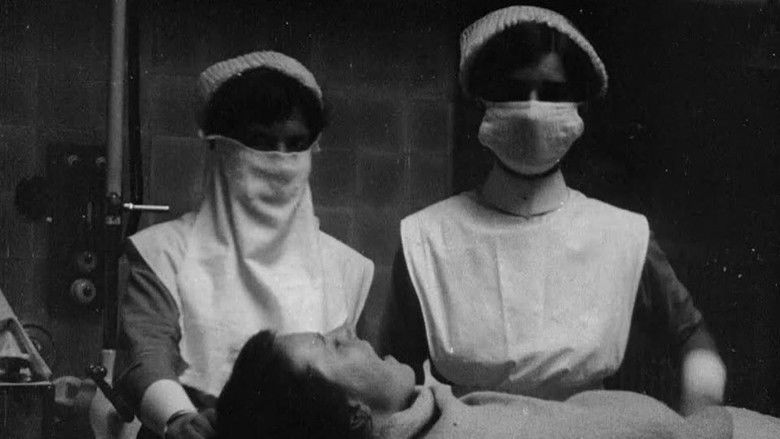
A hard-hitting public information film made at the height of the Great Influenza 1918-18.
A doctor talks about the number of injuries and deaths resulting from automobile accidents.
This short post-war film was made to inform people how to address a letter correctly.
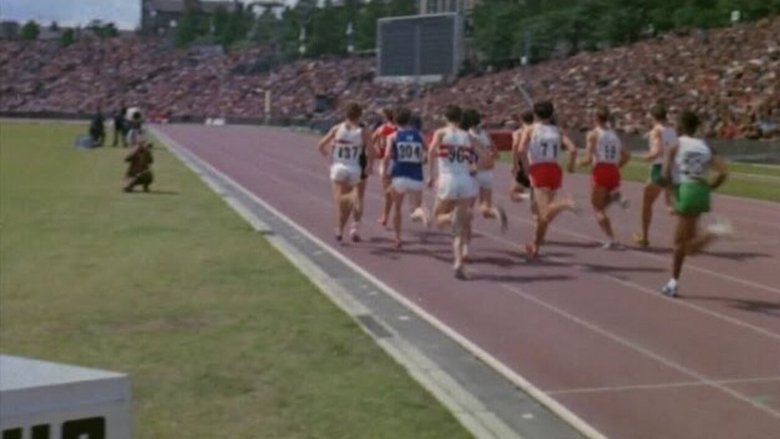
A guide to going metric from the Central Office of Information on behalf of the Metrication Board.
Three young commuter cyclists set out to bike from San Francisco to Orlando, interviewing crash victims, urban planners, activists and law enforcement to investigate what makes the U.S the most dangerous developed country for cyclists. Shot on location, the trio travel to each interview by bicycle, with cameras, tripods and microphones strapped to their front-racks. Carrying the stories of fellow cyclists killed on American roads, SPOKE is an adventure-tale that looks to empower users of the humble bicycle.
From feckless mothers pushing their prams across roads without looking, to a Dick Dastardly character in his sports car, we see the dangers of road accidents brought to life by the West Riding Constabulary just after the war in 1947, when drivers still used hand signals.
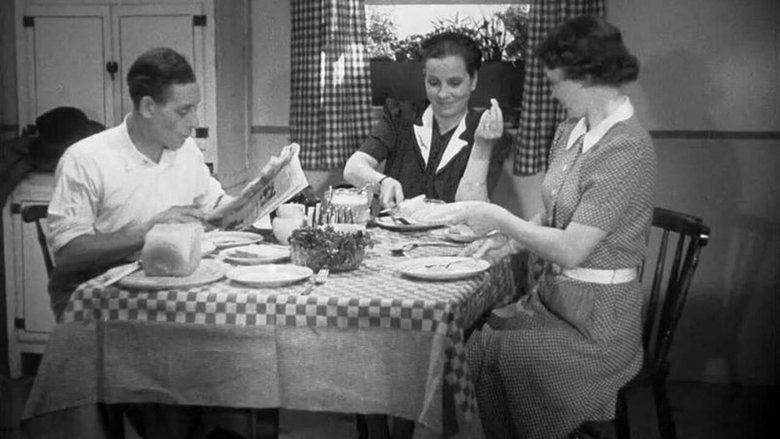
Poetic tribute to Mrs Turner's vegetable growing prowess, plus the delights of "wartime steaks".
Women's civil defense activities, especially in case of gas attacks.
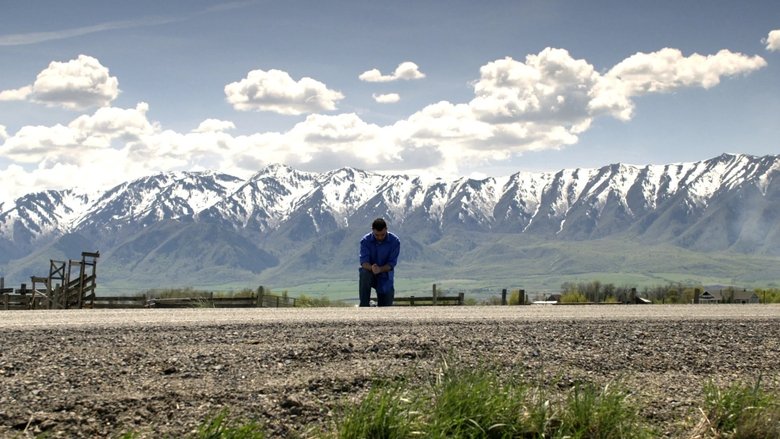
Stories of serious traffic accidents caused by texting and driving are told by the perpetrators and surviving victims.
Short public information film showing housewives' efficient and hygienic methods of food storage.
Ever had a good experience with doorstep salespeople? Maybe you were lucky, but the doorstep has never seemed the best place for a sensible sales decision – which is exactly why companies use it.
This 1974 film is dedicated by the Chlorine Institute to the public interest. It is specifically intended to assist firefighters and other emergency services. The techniques demonstrated are appropriate for emergency use; different circumstances might require modified or additional procedure. The information is drawn from sources believed to be reliable. The Institute, its members any organizations cooperating in the development of this film, jointly or severally, cannot be responsible for how the information is used and must make this legal disclaimer. This is a 1960s era, color movie about Chlorine and emergency workers… specifically, firefighters. The film is intended to show firefighters what chlorine is, what a chlorine emergency might involve, how a company can plan ahead and how an emergency can be handled safely.
Intercuts scenes from Jack London's To build a fire with modern urban and rural winter scenes to point out the dangers of winter storms and low temperatures. Designed to stimulate discussion on civil preparedness for winter storms.
Portrays the challenges of creating a film about nuclear disaster amid public apathy. It captures behind-the-scenes moments as the crew discusses the gravity of nuclear threats, the importance of preparation, and the emotional impact of a nuclear attack. The narrative emphasizes the need for individuals to take responsibility for their safety and community in the event of an attack, blending factual information with a call to action.